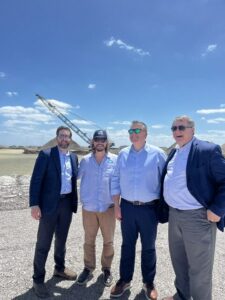
Southwest Florida’s coastal ecosystems just secured a monumental victory in the ongoing fight for clean water. The Sanibel-Captiva Conservation Foundation (SCCF) recently joined state, federal, and nongovernmental organization (NGO) partners to celebrate a massive, additional $2 billion in funding dedicated to the Everglades Agricultural Area (EAA) Reservoir.
At the LeAneSuarezGroup, we know that water quality is the single most influential factor driving long-term property values, tourism, and the overall quality of life on Sanibel and Captiva Islands. This historic financial injection is an extraordinary milestone for our local marine life and shorelines.
The Big Takeaway: An additional $2 billion infusion will accelerate the completion of the massive EAA Reservoir to 2029—a full five years ahead of the original schedule. This allows water managers to deliver systemic ecosystem benefits much sooner than anticipated.
The Scale of the Lynchpin Project
When fully completed, this Manhattan-sized reservoir will be capable of holding a staggering 78 billion gallons of water. Serving as the absolute lynchpin of the wider Comprehensive Everglades Restoration Plan (CERP), the reservoir’s primary mission is to intercept and drastically reduce the volume of damaging, nutrient-laden water discharges currently directed toward Florida’s northern estuaries.
                     EAA RESERVOIR COMPONENT BREAKDOWN

  [ STORAGE CAPACITY ] ──► 78 Billion Gallons of Water
  [ SIZE SCALE ]       ──► Equal to the footprint of Manhattan
  [ ACCELERATED DATE ] ──► Full completion moved up from 2034 to 2029
Why This Matters for Sanibel and Captiva Islands
During periods of heavy summer rainfall, excess water heavily burdens regional infrastructure, forcing water managers to make large, damaging discharges from Lake Okeechobee directly into local estuaries. These unnatural pulses of freshwater disrupt delicate salinity balances and transport high concentrations of watershed nutrients that can fuel harmful algal blooms along our beaches.
“When there is an excess of water in the system, the damaging discharges from Lake Okeechobee wreak havoc on our estuaries. This funding will help us bring the project online much sooner and allow water managers to control the quality, quantity, timing and distribution of the water necessary to restore our ecosystems.” — Matt DePaolis, SCCF Environmental Policy Director
A Dual-Reservoir System to Balance the Caloosahatchee
The expedited timeline of the EAA Reservoir creates a powerful tag-team dynamic when paired with the infrastructure of the nearby C-43 Reservoir. Together, these two multi-billion-dollar projects provide regional environmental managers with unprecedented tools to stabilize local estuaries:
-
Wet Season Protection: The reservoirs will capture and store massive volumes of water during peak rainfall months, successfully preventing destructive, sudden releases from overwhelming the coastline.
-
Dry Season Support: Stored water can be clean-filtered and strategically released during dry winter months to maintain healthy, beneficial baseline flows for marine habitats.
-
The Watershed Reality: While local watershed nutrient runoff from land development will still require aggressive management, having total control over water quantity is a revolutionary step forward for regional conservation.
Event speakers continually highlighted the historic speed with which this project will now move. Securing consistent, bipartisan, long-term funding for massive civil engineering projects has historically been a significant hurdle, making this unified $2 billion fast-track an incredible moment of celebration for the entire state of Florida.