Categories
Island Update

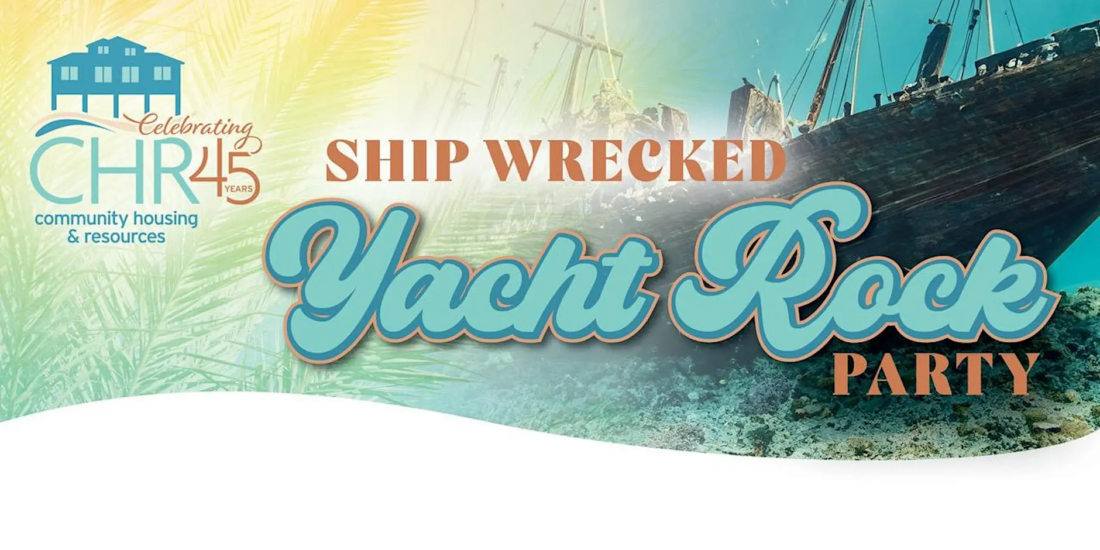
CHR Ship Wrecked Yacht Rock Party: Smooth Rhythms for a Vital Cause

The CHR Ship Wrecked Yacht Rock Party is more than just a social hour; it is a “thank you” to the residents and supporters who help sustain workforce housing on the islands. Since its inception, CHR has provided affordable living options for those who power our local economy—from teachers and first responders to the staff at our favorite island eateries.

This year’s event takes the celebration to the water (and the shore), offering a unique “land and sea” experience that captures the quintessential Captiva vibe.

The Venue: Aboard the Lady Chadwick

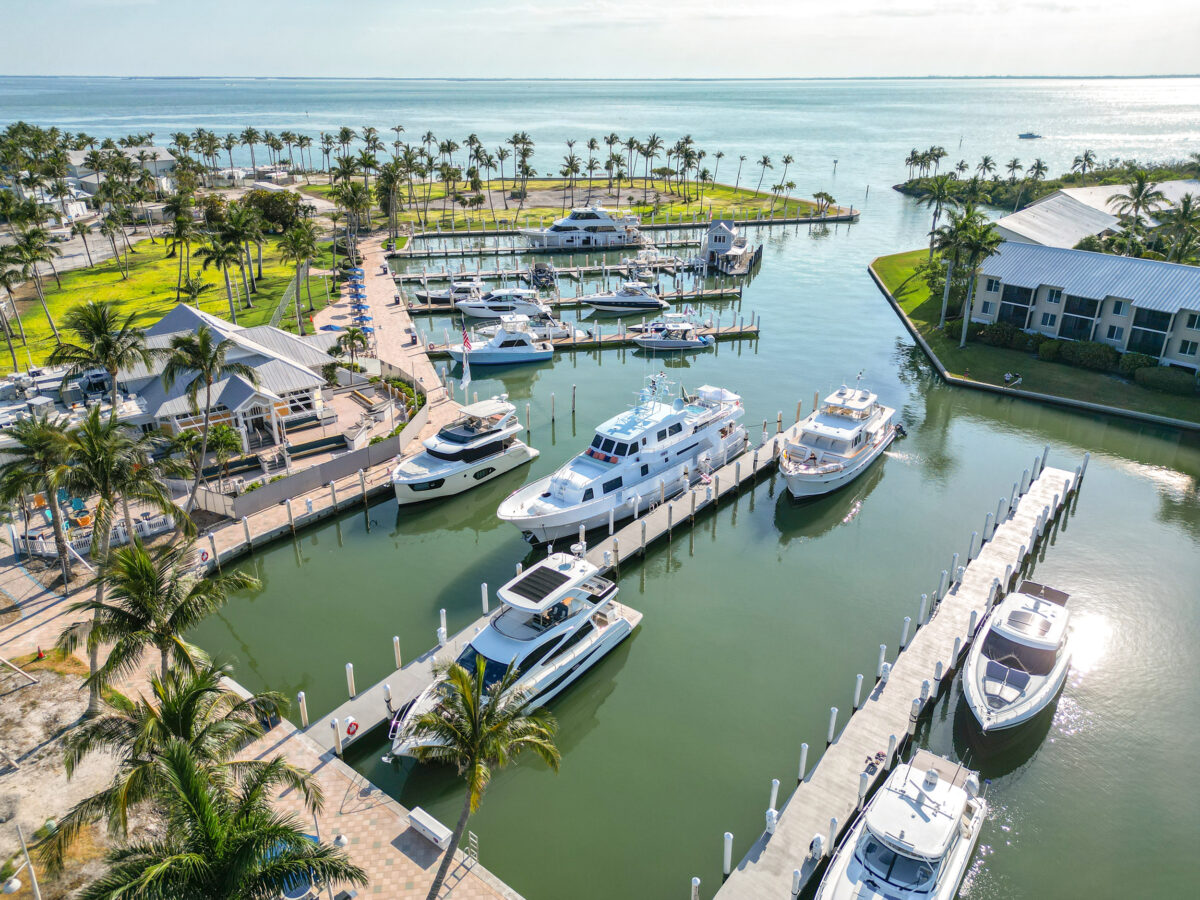
The centerpiece of the CHR Ship Wrecked Yacht Rock Party is the Lady Chadwick, the flagship vessel of Captiva Cruises.

  • The Experience: The vessel will be docked at McCarthy’s Marina, allowing guests to step aboard for the full “yacht rock” experience.

  • On-Shore Comfort: For those who prefer to stay on land, the event features a giant tent with ample seating and shade, ensuring everyone can enjoy the festivities regardless of the weather.

  • Location: 11401 Andy Rosse Lane, Captiva (McCarthy’s Marina).

The Soundtrack: Tropical Hits by The PonTunes

What is a yacht rock party without the perfect playlist? To capture the easy rhythms of the ’70s and ’80s, CHR is bringing back a local favorite.

  • The Band: The PonTunes.

  • The Vibe: Known for their “coolest yacht rock, tropical, and pop hits,” the band promises more fun than Fantasy Island and more love than the Love Boat.

  • Attire: Attendees are highly encouraged to embrace the theme. Think captain’s hats, deck shoes, and breezy coastal vintage.


Event Logistics and Community Support

The CHR Ship Wrecked Yacht Rock Party is made possible by the generous support of local partners, including Captiva Cruises and Modern Woodmen Fraternal Financial. Their sponsorship ensures that the proceeds from the afternoon go directly toward supporting CHR’s housing initiatives.

What to Expect

  • Refreshments: Food and drinks, including beer, wine, and other refreshments, will be available for purchase.

  • Timing: The event runs from 3:00 p.m. to 6:00 p.m., the perfect window to enjoy the late afternoon sun on the marina.

  • Tickets: Admission is $50 per person.

“Easy rhythms, coastal nights, and great company — come together with CHR and the community to enjoy a great evening.” — Becky Boyd, CHR Deputy Director

Why Workforce Housing Matters

In the wake of the recent hurricane seasons, the availability of workforce housing has never been more critical to the resilience of Sanibel and Captiva. Supporting the CHR Ship Wrecked Yacht Rock Party helps ensure that the people who make our island lifestyle possible have a place to call home right here on the islands.


“If You Go” Quick Guide

  • Event: Ship Wrecked Yacht Rock Party

  • Date: April 12, 2026 (3:00 p.m. – 6:00 p.m.)

  • Location: McCarthy’s Marina, Captiva

  • Price: $50

  • Tickets: Available at sancapchr.org
Categories
Island Update

Harkey Sea Turtle Complex Sanibel: A Dream Realized

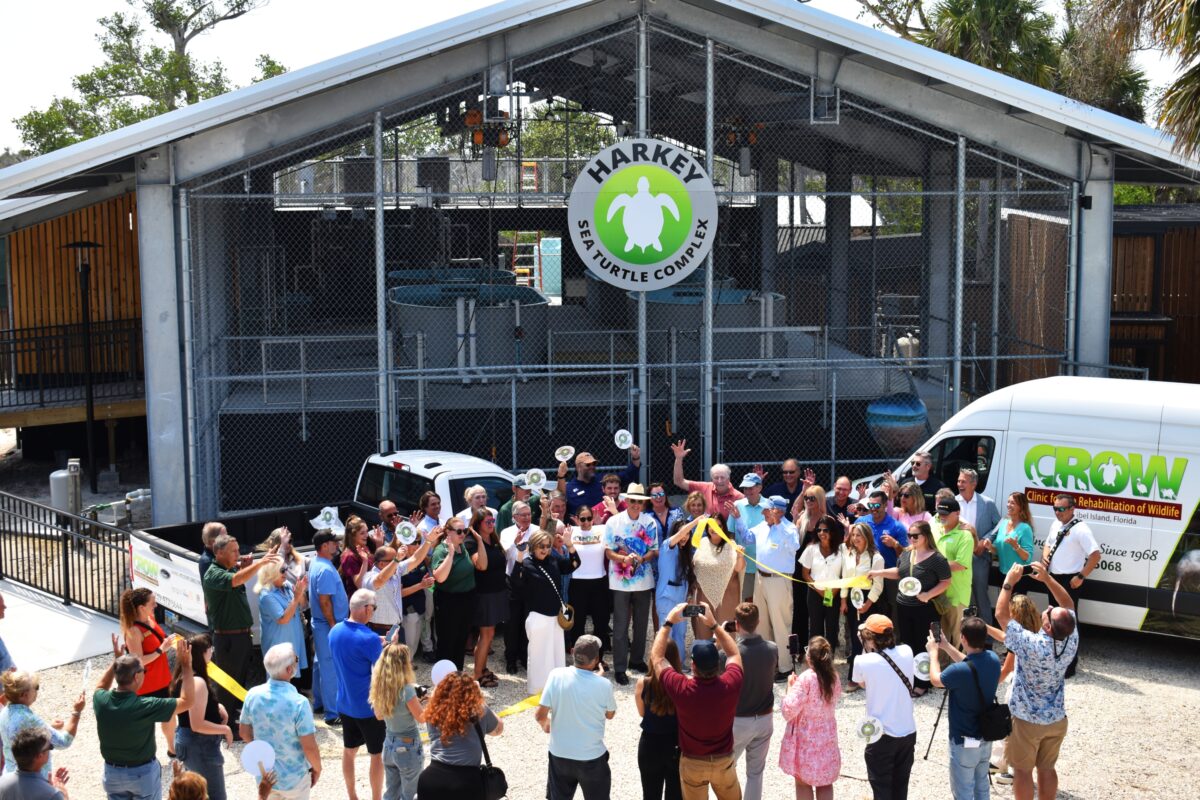
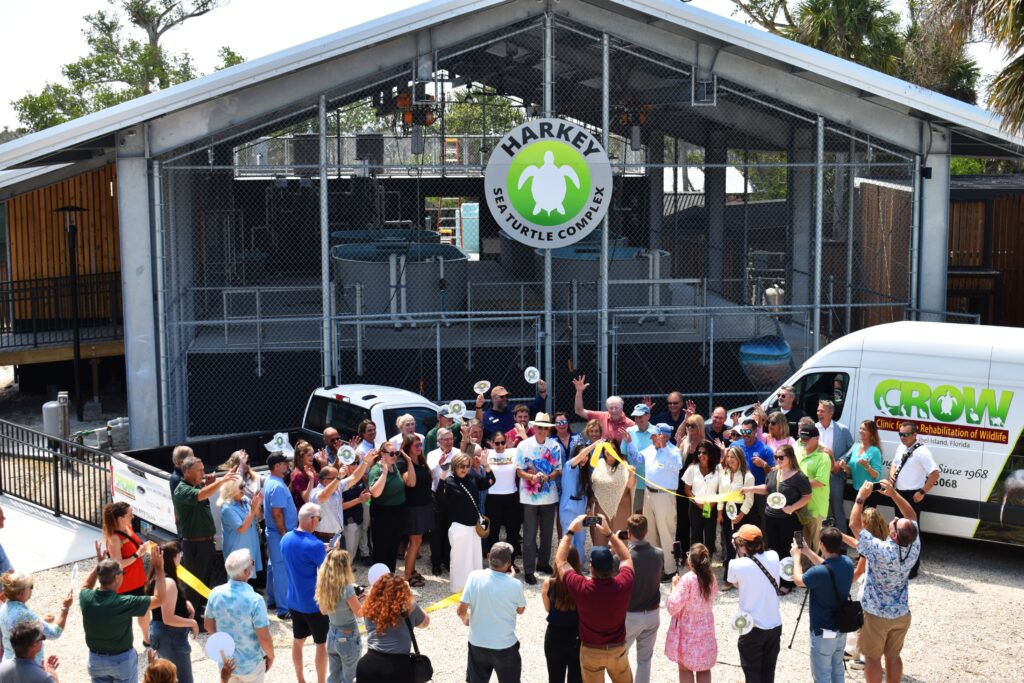
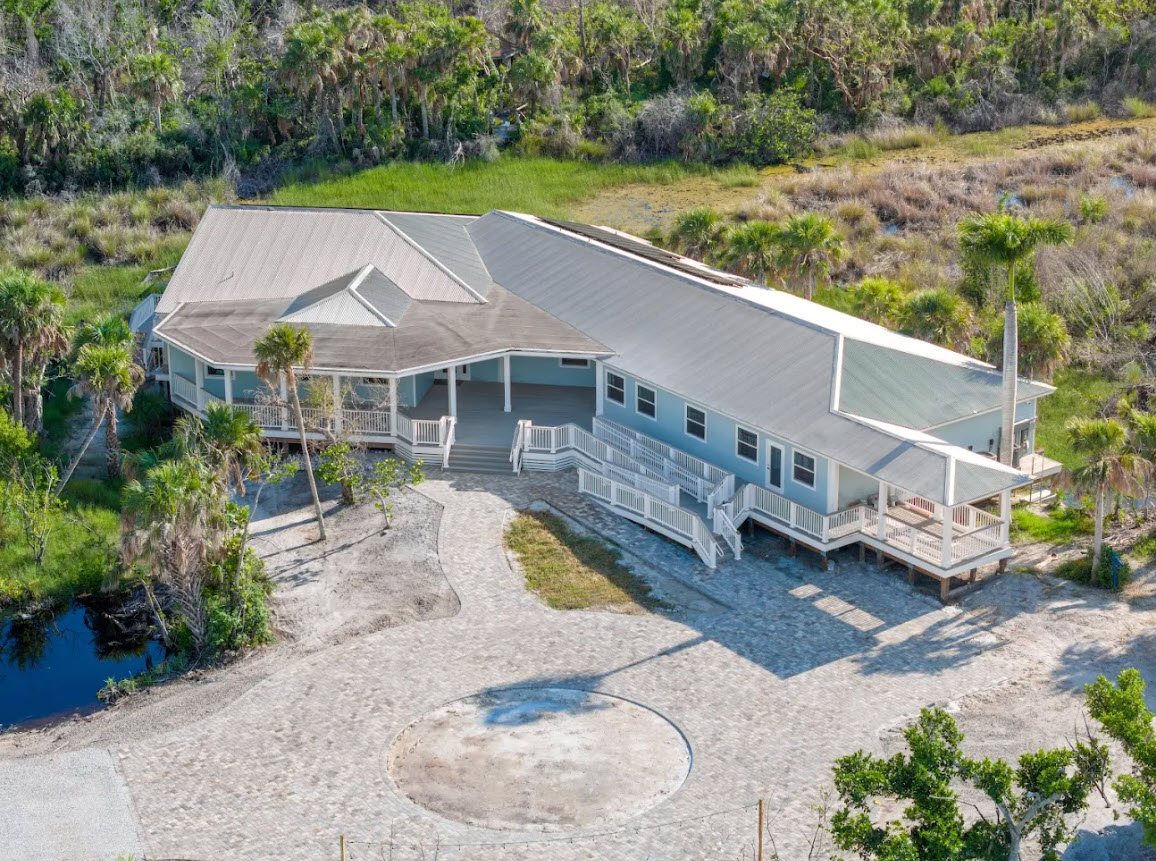
The Harkey Sea Turtle Complex Sanibel represents the culmination of years of research, fundraising, and resilient planning. Named in honor of philanthropists Bill and Laurie Harkey, the complex was designed after CROW experts toured facilities across Florida to determine exactly what marine patients needed for successful rehabilitation and release.

With more than 100 people in attendance, including Sanibel Mayor Mike Miller, the ribbon-cutting ceremony marked the island’s renewed commitment to its “nature sanctuary” principles. While final permits are still pending, the hospital is expected to begin accepting its first patients later in 2026.

Harkey Sea Turtle Complex Sanibel

State-of-the-Art Rehabilitation Technology

Constructed by Owen Ames Kimball (OAK), the facility is a FEMA-approved structure built to withstand future coastal challenges while providing “clean-room” levels of care for threatened species.

Feature Specification & Benefit
Heavy-Duty Hoists Motorized lifts capable of holding 3,700 pounds for massive Leatherbacks.
Adult Treatment Tanks Two 2,250-gallon tanks and two 1,250-gallon tanks.
Hatchling Care One specialized “fly-away” tank for neonate turtles.
Filtration System High-tech ionization, sand filtration, and UV sterilizers for 100% water control.
Remote Monitoring Digital 360-degree night-vision cameras with live online viewing.

Bridging the Care Gap for Gulf Species

The geographic importance of the Harkey Sea Turtle Complex Sanibel cannot be overstated. As the only facility in Southwest Florida equipped to handle large-scale marine rehabilitation, it provides an immediate response center for:

  • Loggerheads and Green Turtles: Frequent nesters on the local beaches.

  • Kemp’s Ridleys: The world’s most endangered sea turtle.

  • Leatherbacks: The ocean’s largest turtles, which have recently been sighted near the islands.

Dr. Jessica Comolli, CROW’s Research and Medical Director, emphasized that the facility ensures expert care is available exactly when these animals face growing threats from human activity and environmental shifts.

The “Sanctuary Island” Mission

Mayor Mike Miller noted that while Sanibel cherishes all wildlife, sea turtles hold a “special” place in the community’s heart. The completion of this complex is a physical manifestation of the island’s dedication to preserving its delicate ocean ecosystem for future generations.

By integrating remote viewing technology and night-vision cameras, CROW is also opening the doors for global researchers and the public to witness the rehabilitation process, further educating the world on the importance of Gulf conservation.


Project Logistics at a Glance

  • Location: CROW Campus, Sanibel Island.

  • Primary Donors: Bill & Laurie Harkey, Doug & Leah Beck, NFWF.

  • Contractor: Owen Ames Kimball (OAK).

  • Opening Status: Opening to patients in 2026.

  • Emergency Contact: (239) 472-3644 ext. #222 for wildlife in need.

Categories
Island Update

The Ultimate Boater’s Guide: Sanibel vs Captiva Boating Real Estate 2026

When it comes to Sanibel vs Captiva boating real estate, your choice of island is dictated by your vessel’s draft and your destination. While both islands offer unparalleled access to the Gulf, the navigation requirements vary significantly. In 2026, with new seagrass protection zones and updated channel markings, choosing the right dockage is more technical than ever.

Are you looking for the deep-water access of the Roosevelt Channel, or the serene, protected canals of Sanibel’s East End? Let’s break down the 2026 boating reality for island homeowners.


Sanibel Island: Protected Canal Living

Sanibel is famous for its intricate canal systems, particularly on the East End. These man-made waterways offer incredible protection from storm surges and provide a “backyard marina” feel that is hard to find elsewhere.

Key Considerations for Sanibel Boaters:

  • Bridge Clearances: Many Sanibel canals require passing under bridges (like the Periwinkle Way bridges). If you have a tall flybridge or a sailboat mast, you must focus on “Direct Access” homes that do not have bridge restrictions.
  • The East End Advantage: Canals near Shell Harbor and Sanibel Isles offer the quickest transit times to San Carlos Bay and the Gulf.
  • Draft Limits: While most canals are maintained, some interior sections can be tidal-dependent for boats drawing more than 3 feet.

Captiva Island: The Yachtman’s Choice

Captiva is generally considered the “Deep Water” alternative. Because the island is narrower and sits directly against the Roosevelt Channel and Pine Island Sound, it caters to larger vessels and serious offshore anglers.

Why Captiva Dominates the Luxury Boat Market:

  • No Bridge Restrictions: Most bayfront homes on Captiva offer “tall mast” access, making it the premier choice for the sailing community and large motor yachts.
  • Roosevelt Channel: This deep-water artery provides a protected harbor for yachts up to 60+ feet, with many docks offering shore power and high-speed lifts.
  • Direct Gulf Access: From the North End/South Seas, you are minutes away from Redfish Pass, providing the fastest access to the open Gulf for offshore fishing.

2026 Boating Specs: Sanibel vs. Captiva

Understanding the “Carry” of a boating property includes knowing the water depth and transit times.

Feature Sanibel Canals Captiva Bayfront
Average Depth 3 – 5 Feet (Tidal) 6 – 10+ Feet (Deep)
Bridge Access Frequent (Check Heights) Rare/Open Access
Vessel Type Pontoons, Center Consoles Large Yachts, Sailboats

The 2026 Regulatory Environment

Florida’s environmental protections have evolved. As a boat-owning homeowner, you need to be aware of two specific 2026 updates:

  1. Manatee Zones: Slow-speed zones are strictly enforced from November to April. Sanibel’s back-bay areas have extensive “No Wake” zones which can add 15-20 minutes to your transit time.
  2. Dock Permitting: If you buy a home with the intent to install a new lift or expand a dock, the permitting process in 2026 involves strict seagrass surveys. Captiva’s “rip-rap” shorelines often have different permitting hurdles than Sanibel’s man-made canal walls.

Expert Verdict: Where Should You Dock?

Choose Sanibel Island if: You value a quiet, “Old Florida” canal feel, you enjoy back-bay fishing for snook and redfish, and you have a vessel with a draft under 3 feet.

Choose Captiva Island if: You have a yacht or sailboat that requires deep water, you want the fastest possible access to the Gulf, or you want to be part of the vibrant South Seas boating community.

LeAne’s Advice: “I always tell my boating clients: Don’t buy the house until we’ve checked the tide charts for that specific dock. A beautiful home is less fun if you can only get your boat out four hours a day!”

Ready to find your dock? Below is the live feed of waterfront homes with Gulf access.

Click here to view all waterfront properties

Want a private tour by boat? Contact LeAne or Alec to schedule a waterfront property showing from the water—the best way to see the islands.

Categories
Island Update

Captiva Civic Association Porch & Patio 2026: A Season Finale to Remember

The Captiva Civic Association Porch & Patio 2026 series has been a resounding success this year, and the final event on April 15 from 5 to 7 p.m. promises to be the highlight of the calendar. Held at the iconic Captiva Civic Center on Chapin Lane, the “Cozy Up With Your Coozie” event blends the island’s historical traditions with the current momentum of the “Protect Captiva” movement.

The Evolution of a Captiva Tradition

The Porch & Patio gatherings have a storied history that dates back decades. According to CCA Board President Lisa Riordan, these events began as simple community potlucks where neighbors would bring a dish and a beverage to share on the porch. Over the years, they have evolved into professionally catered celebrations featuring live entertainment, yet they maintain that core “potluck” spirit of friendship and shared purpose.

Protect Captiva: A Meaningful Giveaway

In a nod to the ongoing efforts to preserve the island’s character, this final event features a special giveaway. Every attendee will receive a custom “Protect Captiva” coozie. These serve as more than just beverage insulators; they are a “remembrance” of the community’s collective effort to maintain the low-density, natural beauty of the island—a topic that has dominated local headlines throughout the 2025-2026 season.


Entertainment and Island Flavors

The CCA has curated a top-tier experience for the season’s closing act. The event will feature a blend of local musical talent and high-end island catering.

  • Musical Guest: The association is welcoming back musician Douglas Coventry. Known for his engaging performances and versatile repertoire, Coventry is a favorite among the CCA membership and is expected to provide the perfect “golden hour” soundtrack for the patio.

  • Catering Excellence: Food for the evening will be provided by Catering by Leslie Adams. Known for her sophisticated take on Florida coastal cuisine, Adams’ menu is always a major draw for these events, ensuring that the final Porch & Patio of the year is as delicious as it is fun.

Strategic Community Support

The Captiva Civic Association Porch & Patio 2026 series has been made possible through the generous support of local partners who are deeply invested in the island’s future.

  • Series Sponsor: R.L.R. Investments has served as the dedicated sponsor for the entire 2025-26 Porch & Patio series. Their support has been instrumental in allowing the CCA to host these large-scale gatherings.

  • Season Sponsor: Karen Bell and the Bell Team, with Michael Saunders and Company, continues their multi-season commitment as the CCA’s overall season sponsor. Their ongoing support facilitates the wide range of civic and social programming that the CCA provides year-round.


Why You Should Attend Before “Heading North”

April marks a transitional time on Captiva. As the spring season winds down, many of our neighbors begin their preparations to travel north and west for the summer months. The Captiva Civic Association Porch & Patio 2026 finale serves as the official “farewell” for the seasonal community.

“We’d love to see our neighbors before they begin to head north,” says Riordan. It is an opportunity to share stories from the past winter, discuss the latest updates on the South Seas redevelopment, and toast to another successful year in paradise.

Categories
Island Update

Blind Pass Dredging 2027: Restoring the Vital Link Between Islands

On April 7, 2026, the Lee County Board of County Commissioners took a significant step toward reopening the waterway that divides Sanibel and Captiva. By approving a $290,580 Supplemental Task Authorization (STA) with Coastal Engineering Consultants, the county has officially begun the professional preparation for the Blind Pass Dredging 2027 project.

Blind Pass has historically been a dynamic inlet, but in recent months, it has completely filled with sand, cutting off the tidal exchange between Pine Island Sound and the Gulf. While a closed pass might offer a short-term benefit for Sanibel by allowing sand to migrate south from Captiva more easily, the long-term county policy favors an open inlet for its immense ecosystem benefits.

1. The Ecosystem Necessity: Why We Dredge

The primary driver behind the Blind Pass Dredging 2027 project is water quality. An open pass allows for a robust tidal exchange. This “flushing” action is critical for:

  • Water Clarity: Moving stagnant water out of the back bay systems.

  • Marine Life: Supporting the health of seagrasses and the fish populations that anglers have enjoyed on the Blind Pass Bridge for generations.

  • Natural Balance: Preventing the “dead zones” that can occur in isolated backwater areas when tidal flow is restricted.

2. The Legacy of Hurricane Ian and “Equilibrium”

Interestingly, the need for dredging was actually delayed by Hurricane Ian in 2022. The storm’s massive surge scoured the pass deeper, naturally maintaining the opening for a time. However, as Captiva and Sanibel completed major beach renourishment projects to repair storm erosion, that new sand began its natural migration.

According to Steve Boutelle, Department of Natural Resources Operations Manager, the county is intentionally waiting until 2027 to begin actual dredging. This wait allows the coastal system to reach “equilibrium.” If the county were to dredge a “hole” (the pass) too early, the sand currently moving off the newly nourished beaches would immediately fill it back in, wasting taxpayer funds.

3. What the $290,580 Authorization Covers

While the actual dredging is slated for 2027, the professional services required to get there are extensive. This current authorization covers:

  • Permitting and Design: Navigating the complex environmental regulations required for coastal work.

  • Environmental Surveys: Mapping the current state of the pass and surrounding habitats.

  • Construction Observations: Preparing the bid services and schedules for the heavy machinery required next year.

  • Physical Surveys: Using engineering data to determine exactly where the sand has settled.

4. Beach Nourishment: Where the Sand Goes

One of the most sustainable aspects of the Blind Pass Dredging 2027 project is the use of “beach-compatible” sand. Every cubic yard of sand removed from the pass will not be discarded; instead, it will be used to nourish the critically eroded shoreline of northwestern Sanibel.

The area between Blind Pass and Bowman’s Beach Park has seen significant stress from recent storm seasons. By depositing the dredged sand here, the county is effectively recycling natural resources to protect our properties and the beloved recreational areas that make Sanibel a world-class destination.

5. Environmental Guardrails: Turtles and Shorebirds

As with any major project on our “Sanctuary Islands,” the timeline is strictly dictated by our local wildlife. The Blind Pass Dredging 2027 schedule will be heavily influenced by:

  • Sea Turtle Nesting Season: Ensuring heavy equipment is off the beach during the critical months when mothers are nesting and hatchlings are emerging.

  • Shorebird Nesting: Protecting the snowy plovers and other species that rely on our quiet, sandy stretches.

  • Weather Impacts: Any future tropical activity could shift the “equilibrium” of the sand, requiring a re-evaluation of the engineering data.


Stay Informed with Lee County Natural Resources

For those who want a deeper look at the maps and aerial imagery associated with this project, Lee County FL has produced an informative video update. This resource explains the balancing act between letting nature take its course and intervening to protect our vital waterways.

Watch the official update here: Blind Pass Update – April 2026

Looking Ahead to 2028 and Beyond

Beyond the immediate Blind Pass Dredging 2027 project, the county is also launching an effort to update the Inlet Management Plan late this year. This update, expected by 2028, will use fresh data and analysis to determine if long-term management strategies need to evolve as our coastal systems respond to a changing climate and post-storm realities.

At the LeAne SUAREZ Group, we know that the health of our passes is directly linked to the value of our coastal real estate. An open, vibrant Blind Pass is a sign of a healthy island, and we will continue to monitor this project every step of the way.


Project Logistics at a Glance

  • Authorization Date: April 7, 2026.

  • Planning Budget: $290,580.

  • Target Dredge Year: 2027.

  • Recipient of Sand: Northwestern Sanibel (Blind Pass to Bowman’s Beach).

  • Policy Goal: Ecosystem benefit through tidal exchange.

Categories
Island Update

South Seas Rauschenberg Purchase: A 22-Acre Landmark Expansion

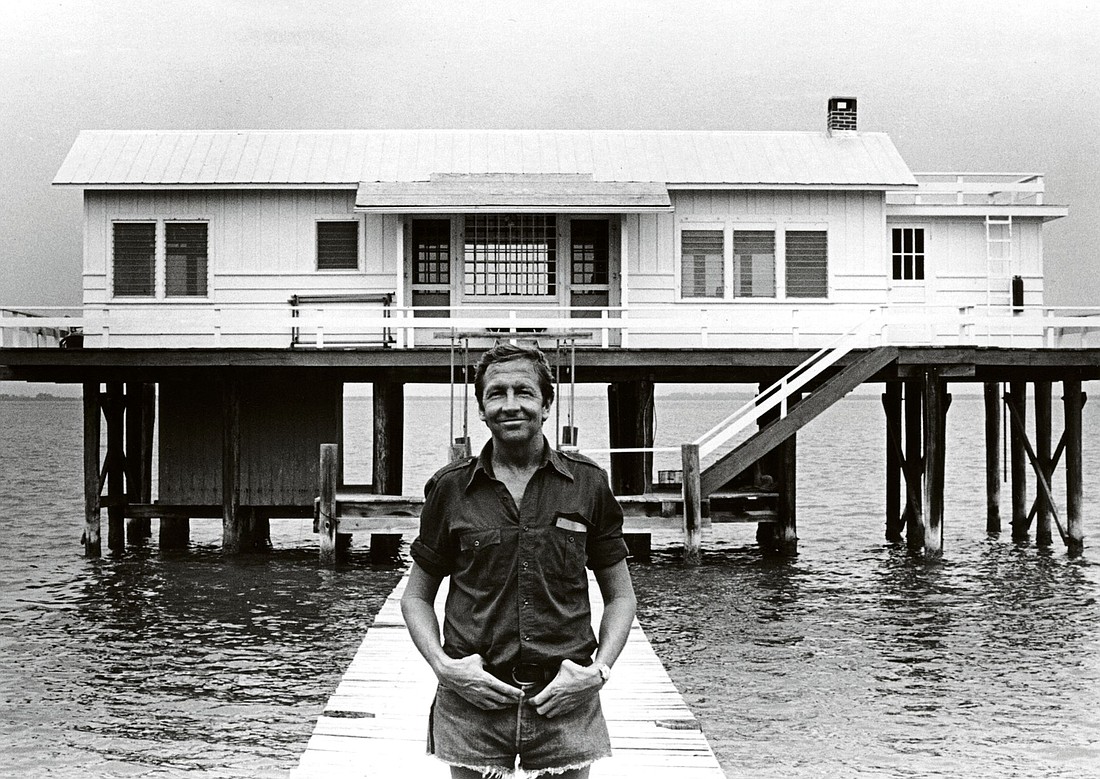
The South Seas Rauschenberg Purchase has officially closed, marking the most consequential real estate transaction on Captiva Island in recent history. On March 31, 2026, the Robert Rauschenberg Foundation finalized the sale of its sprawling 22-acre Gulf-to-bay compound to the joint venture that owns South Seas: Timbers Company, Wheelock Street Capital, and The Ronto Group. The purchase price was confirmed at $45 million, a figure that reflects both the immense physical value of the land and its incomparable cultural pedigree.

This acquisition represents a strategic maneuver for the resort’s ownership, effectively increasing the South Seas footprint by nearly 7% and adding over 2,500 feet of highly coveted waterfront footage along both the Gulf of Mexico and Pine Island Sound. For the LeAne SUAREZ Group, this deal signals a massive shift in the luxury landscape of the islands, as one of the most private and historically significant properties becomes the centerpiece of a multi-million-dollar resort reimagining.

The Details of the $45 Million Acquisition

The South Seas Rauschenberg Purchase encompasses 10 existing buildings, including the artist’s legendary 8,000-square-foot main studio, built in 1992, and his original 1968 residence. Located adjacent to the southern entry of the resort and the historic Captiva Village, the property has served as a world-class artist residency since Rauschenberg’s passing in 2008.

According to resort officials, the purchase was a “rare and compelling opportunity” to acquire prime beachfront that creates a “seamless integration” with the existing 330-acre resort. While the residency program is scheduled to conclude its final cycle in August 2026, the resort has expressed interest in incorporating several of the historic structures into its future guest experience.


Analyzing the Impact of the South Seas Rauschenberg Purchase

The local response to the South Seas Rauschenberg Purchase has been a mixture of anticipation and profound concern. For months leading up to the closing, a community-led coalition—including the Captiva Island Fire Control District—attempted to secure the property for conservation and public safety use. The failure to reach a deal with the Foundation has led organizations like the Captiva Civic Association (CCA) to characterize the sale as a “grievous betrayal” of the community Rauschenberg loved and sought to protect.

Community Concerns and Infrastructure

One of the most pressing issues following the South Seas Rauschenberg Purchase involves the future of Captiva’s emergency services.

  • Medical Helicopter Landing Zone: The property currently houses the island’s primary medical helicopter landing site. The Fire District is now exploring legal avenues, including potentially eminent domain, to ensure this life-saving infrastructure remains available.

  • Environmental Stewardship: Over half of the original South Seas acreage is a dedicated wildlife preserve. Community advocates are calling for similar conservation easements to be placed on the new Rauschenberg acreage to protect its unique biodiversity.

  • Traffic and Village Integration: Because the property borders Captiva Village, residents are wary of how intensified resort traffic will impact the “unhurried pace” that defines the island’s character.

Zoning Realities: The 3-Unit-Per-Acre Guardrail

It is critical for property owners to understand that the South Seas Rauschenberg Purchase does not grant the new owners an immediate “blank check” for development. The 22-acre site is strictly governed by the current Lee Plan and Captiva Code.

Under these regulations, density is capped at three units per acre for both residential and hotel use. For this specific property, that translates to a maximum of 66 units. Any attempt by South Seas to increase this density or the building heights would require a formal Land Development Code amendment and a public rezoning process—a move that would likely trigger intense litigation from the Protect Captiva movement.


The Future of South Seas: Luxury and Legacy

As the resort prepares to unveil its “reimagined” vision this summer, the South Seas Rauschenberg Purchase will undoubtedly play a central role. The owners have already invested over $100 million in repairs following recent hurricane seasons, including the debut of the Captiva Landing water park and new dining options like the Harborside Italian Steakhouse.

Planned Enhancements and Honors

South Seas President Greg Spencer has stated that the resort is exploring options that align with the new luxury hotel and the Timbers Captiva Club & Residences.

  1. Art-Related Programming: The resort intends to honor Rauschenberg’s visionary artistry through future guest experiences.

  2. Historic Preservation: Several buildings, including the “Fish House,” are slated to be preserved and repurposed.

  3. High-End Residences: The acreage provides the perfect canvas for ultra-exclusive, low-density villas that maintain the Gulf-to-bay connectivity Rauschenberg cherished.

The South Seas Rauschenberg Purchase is more than just a real estate transaction; it is the final piece of a puzzle that will define the northern tip of Captiva for the next 50 years. As we move closer to the resort’s full reopening, the LeAne SUAREZ Group will continue to monitor the permit filings and zoning requests to provide our clients with the most accurate market insights.

Project Logistics At-A-Glance

  • Property Size: 22 Acres (Gulf to Bay).

  • Purchase Price: $45 Million.

  • Current Density Limit: 3 units per acre.

  • Closing Date: March 31, 2026.

  • Primary Developer: Timbers Co, Wheelock Street Capital, and The Ronto Group.

Categories
Island Update

Sanibel Sea Turtle Hospital: A New Frontier in Marine Rehabilitation

For years, marine biologists and rescuers have faced a logistical challenge: the vast distance between the sea turtle hospitals in Sarasota and the Florida Keys. The opening of the new high-tech Sanibel Sea Turtle Hospital officially closes that gap. Designed to handle everything from tiny hatchlings to 400-pound adults, this facility represents a massive leap forward in our ability to protect the biodiversity of the Gulf.

Injuries from fishing gear entanglement, predator attacks, and human activity are unfortunately common in our active coastal waters. This hospital provides a specialized environment where these ancient mariners can recover with the assistance of cutting-edge technology and expert veterinary care.

Advanced Infrastructure: Built for the heaviest patients

One of the most impressive features of the new facility is its industrial-grade infrastructure. Handling a fully grown loggerhead or green sea turtle is a massive physical undertaking that requires more than just a large tank.

  • The 2,000-Pound Lift System: To ensure the safety of both the patients and the medical staff, the hospital features a specialized lift system. With a capacity of 2,000 pounds, it can easily transport even the largest, most critically injured turtles from transport vehicles to their treatment tanks.

  • Dual-Filtration Plumbing: Water quality is the “life support” of any marine hospital. Each tank is supported by extensive plumbing, water heaters, and pumps. Crucially, every tank is equipped with two independent filtration systems to maintain pristine water conditions, even during high-occupancy periods.

Facility Capacity and Care Zones

The hospital is designed to manage multiple cases simultaneously, offering tailored environments based on the size and life stage of the turtle.

Feature Capacity & Detail
Adult Treatment Tanks 4 Large Tanks capable of housing up to 20 adults at once.
Hatchling Zone 1 Dedicated Tank specifically for the delicate care of neonates.
Filtration Redundant dual-systems for every individual tank.
Patient Load Scalable infrastructure to handle mass-stranding events.

Why a Sanibel Location Matters

The geographic placement of the Sanibel Sea Turtle Hospital is strategic. Sanibel and Captiva Islands are among the most active nesting grounds in Florida. During the nesting and hatching season, the proximity of this hospital means that “cold-stunned” turtles or those injured by boat strikes can be in surgery or a recovery tank within minutes of being found, rather than hours.

This “Golden Hour” of treatment is often the difference between a successful release and a permanent loss. By providing a permanent, high-tech hub for marine rehabilitation, Sanibel is cementing its legacy as a world-class sanctuary for the wildlife that defines the Gulf coast.

A Community-Driven Mission

While the technology inside the hospital is impressive, the mission remains rooted in conservation. The facility will treat injuries caused by:

  1. Fishing Gear: Entanglements and hook ingestions.

  2. Predator Attacks: Natural injuries requiring surgical repair.

  3. Human Activity: Boat strikes and the ingestion of marine debris.

The opening of this hospital ensures that Sanibel remains at the forefront of environmental stewardship, providing a second chance for the sea turtles that have called these waters home for millions of years.


Project Logistics at a Glance

  • Location: Sanibel Island, FL.

  • Max Capacity: 20 Adult Turtles + Hatchlings.

  • Specialty Tech: 2,000-lb Heavy-Duty Lift & Dual Filtration.

  • Primary Focus: Rehabilitation and Release.

Categories
Island Update

By the Sea Sanibel Condos Rebuild: A New Chapter for West Gulf Drive

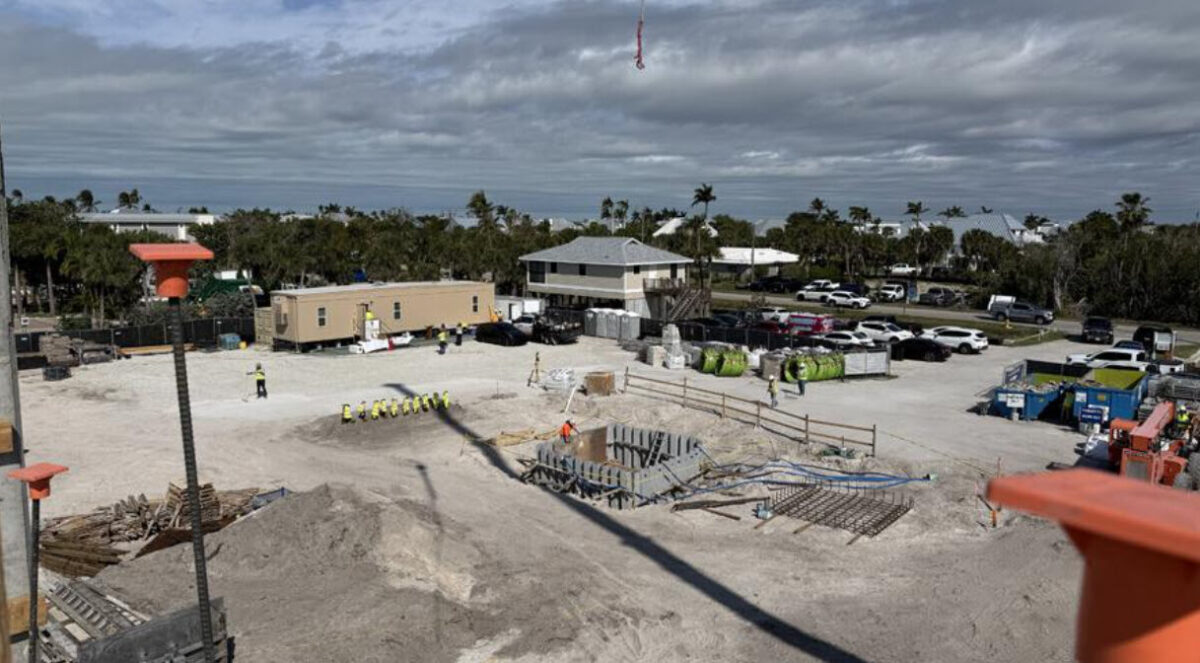
The By the Sea Sanibel Condos Rebuild is officially moving into its final stages following a groundbreaking ceremony for the third and final building of the complex. This project is a landmark event for the island’s real estate market; it is the first major ground-up condominium construction on Sanibel since the completion of Sedgemoor in 2002. For nearly 25 years, the island’s strict building codes and “built-out” status meant that new developments were virtually non-existent—until now.

Under the management of Benchmark General Contractors, this $22 million redevelopment is transforming the site at West Gulf Drive into a model of modern coastal engineering. The original structures, built in 1983, were heavily damaged when Hurricane Ian’s force lingered over the property for eight hours on September 28, 2022. Today, the association is not just rebuilding; they are creating what project leaders call the most sustainable condominiums on the island.

Architectural Specifications and Elevation

One of the defining features of the By the Sea Sanibel Condos Rebuild is its adherence to the most stringent modern safety standards. Each of the three new buildings is designed to be a “generational” structure capable of withstanding the increasing intensity of Gulf storms.

  • Elevated Living: The residential floors are situated 14 feet above ground level. This design places the habitable space well above the surge levels experienced during recent storms, utilizing the ground floor exclusively for secure parking and storage.

  • Scale and Scope: Each building totals 19,477 square feet and rises to a height of 45 feet. The complex consists of three buildings, each containing six luxury units, for a total of 18 units across the property.

  • Sustainability Goals: The project incorporates advanced materials and building techniques aimed at long-term durability, ensuring that the complex remains a fixture of West Gulf Drive for decades to come.

Economic Investment and Insurance Recovery

The path to the By the Sea Sanibel Condos Rebuild began just days after Hurricane Ian, when the association board first met on October 1, 2022. Despite the scale of the destruction, the owners chose to “hang in there” and rebuild rather than sell the land.

The association utilized approximately $8 million in insurance proceeds to kickstart the $22 million reconstruction effort. While some owners moved on after the storm, the demand for high-quality, new construction on Sanibel is so high that all 18 units are currently owned. According to the City of Sanibel, modern developments that meet current FEMA and Florida Building Code standards are becoming the gold standard for island property valuation.

Benchmark General Contractors and Custom Interiors

The project utilizes a unique construction model that balances professional management with individual owner preference. Benchmark General Contractors is under contract to complete the exterior shells and the interior construction up to the drywall stage.

From there, owners have the flexibility to finish their interiors according to their personal tastes. Interestingly, Benchmark has been retained to complete the full interior finishings for 12 of the 18 units, showcasing a high level of trust in the builder’s quality. This approach ensures that while the buildings maintain a cohesive and “awesome” architectural exterior, each unit remains a unique reflection of its owner.

[Architectural rendering of a modern, three-story stilt condominium with impact glass and wrap-around balconies]

The Legacy of Resilience: 2022 to 2027

Sanibel Mayor Mike Miller, who attended the groundbreaking ceremony on March 18, 2026, noted that the restoration of island resorts and condominiums has been a complex journey. The By the Sea Sanibel Condos Rebuild is a testament to the perseverance of local officials and project partners like Double C Designs and J.R. Evans Engineering.

Construction on the first two buildings began in late 2025, and with the third building now underway, the entire project is on track for completion by the end of 2027. This timeline reflects the careful planning required to navigate the environmental and structural challenges of building on a barrier island. For those interested in the science of storm impacts, the National Hurricane Center provides extensive data on why elevation and modern roofing are critical for Florida’s coastal future.

A Future for the Next Generation

As the project moves forward, the focus remains on the “generational” aspect of the rebuild. Association President Bob Moyle emphasized that the goal was to create a place where grandkids could run around again—a sentiment that resonates deeply with long-time Sanibel families. The By the Sea Sanibel Condos Rebuild is more than just a construction site; it is a symbol of Sanibel’s refusal to be defined by a single storm, opting instead to build back stronger, higher, and more sustainably than ever before.


Project Logistics at a Glance

  • Total Project Cost: $22 Million.

  • Total Units: 18 (6 per building).

  • Elevation Height: 14 feet above grade.

  • Building Height: 45 feet.

  • Completion Date: Late 2027.

Categories
Island Update

SCCF Christmas Bird Count 2026: A Citizen Science Milestone

The results of the SCCF Christmas Bird Count 2026 are officially in, marking the 126th year of this global initiative organized by the National Audubon Society. On Sanibel and Captiva Islands, this tradition has spanned over 60 years, providing a robust longitudinal dataset that helps biologists track the long-term health of Southwest Florida’s coastal ecosystems.

On December 20, 2025 (as part of the 2025–2026 counting window), 114 dedicated volunteers and staff members fanned out across the islands to record every bird sighted within a designated 15-mile diameter circle. This year’s count documented 8,720 individual birds representing 95 different species, underscoring the islands’ continued status as a critical stopover and nesting ground for migratory and resident birds alike.

By the Numbers: Tracking Population Shifts

While the participant count reached a multi-year high, the total number of birds recorded in the SCCF Christmas Bird Count 2026 was lower than the previous year’s record of 12,104.

  • 2026 Results: 8,720 individuals | 95 species

  • 2024 Results: 12,104 individuals

  • Volunteer Participation: 114 participants (up from 107 in 2024 and 95 in 2023)

Shorebird biologists, including SCCF’s Audrey Albrecht, note that these fluctuations are expected and often influenced by immediate weather conditions, tide levels during the count, and broader migratory shifts across the Atlantic Flyway.


Leading the Flock: Top Species Observed

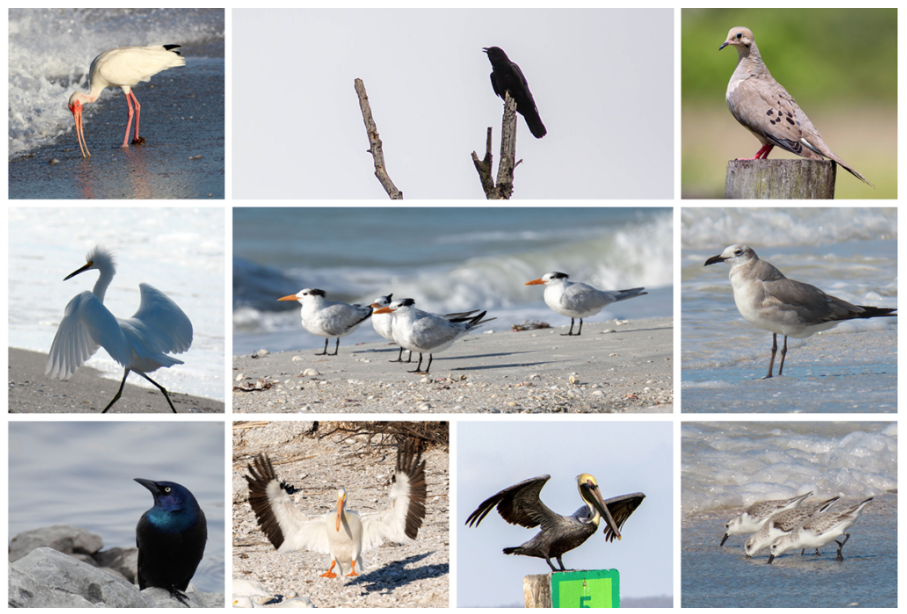
The SCCF Christmas Bird Count 2026 highlighted several “sentinel species” that are indicative of the islands’ wetland and shoreline health. The White Ibis once again took the top spot, a testament to the productivity of the islands’ interior freshwater marshes and managed residential landscapes.

Common Name Scientific Name Total Counted
White Ibis Eudocimus albus 1,185
Snowy Egret Egretta thula 606
Common Grackle Quiscalus quiscula 597
Royal Tern Thalasseus maximus 530
Mourning Dove Zenaida macroura 463
Brown Pelican Pelecanus occidentalis 371

Spotlight on Sanibel’s Favorites

  • White Ibis: These birds are a frequent sight on island lawns and in the Erick Lindblad Preserve. Their high numbers suggest a healthy population of the crustaceans and insects they probe for in the soil.

  • Snowy Egret: Known for their “golden slippers,” these elegant hunters were spotted in high numbers near the mudflats and mangrove fringes.

  • Brown and White Pelicans: Both species made the top ten, with the White Pelican (291 counted) often serving as a winter-only highlight for visitors and residents.

Other notable high-count species included the Osprey, Palm Warblers, and the Great Egret, all of which play vital roles in the local food web.


Increased Volunteerism: The Engine of Conservation

One of the most encouraging takeaways from the SCCF Christmas Bird Count 2026 is the steady rise in community involvement. With 114 participants, the event saw its highest level of engagement since the pandemic. This “citizen science” model allows organizations like the Sanibel-Captiva Conservation Foundation to gather data on a scale that would be impossible for professional staff alone.

The count is a collaborative effort, relying on partnerships with:

  1. The Sanibel-Captiva Audubon Society: Providing expert birders and regional coordination.

  2. J.N. “Ding” Darling National Wildlife Refuge: Offering access to protected habitats that serve as the primary sanctuary for many of the counted species.


The Environmental Significance of the Count

Why do we count every bird? For the LeAne SUAREZ Group community, these numbers represent more than just a hobby. They are a metric for the “carrying capacity” of our environment. High bird counts generally correlate with clean water, healthy mangrove systems, and resilient shorelines—all factors that contribute to the desirability and value of Sanibel and Captiva real estate.

As shorebird biologist Audrey Albrecht noted, the success of the event is a direct reflection of the community’s commitment to conservation. The data collected during the SCCF Christmas Bird Count 2026 will be uploaded to the National Audubon Society database, where it will be used by researchers worldwide to study the effects of climate change and habitat loss on avian populations.

How to Get Involved

If you missed the 126th count, there are year-round opportunities to contribute to island science. Residents can report shorebird sightings or volunteer for beach nesting bird monitoring programs through the SCCF website.


Quick Facts & Logistics

  • Count Duration: One full 24-hour period (Dec 20).

  • Area Covered: 15-mile diameter “Count Circle” centered on Sanibel/Captiva.

  • Data Source: National Audubon Society & SCCF Shorebird Program.

  • Next Event: 127th Christmas Bird Count (Dec 2026).

Categories
Island Update

Opera on the Beach Captiva 2026: Sunset Arias Return to the Shores

The Opera on the Beach Captiva 2026 series is officially set to make its long-awaited return to the island’s Gulf-front landscape. On Friday, April 10, 2026, from 7:00 p.m. to 8:00 p.m., the Captiva Chapel by the Sea, in partnership with ‘Tween Waters Inn & Marina, will host “Sunset Arias — Opera on the Beach.” This free performance marks the reinstatement of a cherished local tradition that was temporarily paused following the impacts of Hurricane Ian in 2022.

Gathering on the beachfront adjacent to the historic chapel, residents and visitors will witness a world-class operatic performance set against the natural splendor of a Captiva sunset. This event serves as a powerful reminder of the island’s resilience and its deep-rooted commitment to the arts.

The Performance: World-Class Talent on the Sand

The 2026 revival features an extraordinary lineup of performers known for their presence on international stages. The concert of arias and duets will showcase:

  • Susan Hellman Spatafora (Soprano): A celebrated artist known for her “shimmering” high notes and dramatic depth.

  • Adam Diegel (Tenor): Renowned for his powerful voice and frequent appearances at the Metropolitan Opera.

  • Brent Douglas (Pianist): A versatile musician providing the foundational accompaniment for the evening’s vocal soaring.

The repertoire is curated to appeal to both seasoned opera-goers and newcomers. The program includes selections from legendary works such as Verdi’s La Traviata, Puccini’s La Bohème and Turandot, and Dvořák’s Rusalka. These pieces are chosen for their ability to harmonize with the rhythmic sounds of the Gulf, creating an immersive sensory experience.

The Historic Venue: Captiva Chapel by the Sea

The Opera on the Beach Captiva 2026 performance is uniquely tied to its location. The Captiva Chapel by the Sea, originally built as a one-room schoolhouse in 1903, stands as a symbol of the island’s history. Holding the concert on the beachfront adjacent to this historic site emphasizes the continuity of Captiva’s community spirit. Board Member Nathalie Pyle noted that experiencing the “soaring beauty of the human voice” in this specific setting is an “unforgettable” experience that reconnects the community with its heritage.

Planning Your Evening: Dinner and Logistics

To make the evening a full “night out,” ‘Tween Waters is offering a special pre-opera dinner at the Old Captiva House. This historic dining room is the perfect prelude to the performance, offering a refined menu that complements the sophistication of the evening’s music.

Essential Guest Information:

  • Admission: Free and open to all.

  • Seating: Attendees are encouraged to bring their own beach chairs or towels, as formal seating is limited.

  • Parking: On-site parking will be available at the Chapel and surrounding ‘Tween Waters areas.

  • Attire: Coastal casual is appropriate, though many attendees enjoy the “Opera on the Beach” theme with slightly elevated island wear.

A Symbol of Island Resilience

The return of the “Sunset Arias” is more than just a concert; it is a sign of the island’s successful recovery. For years before 2022, this series was a staple of the spring season. By bringing Opera on the Beach Captiva 2026 back to the calendar, ‘Tween Waters and the Chapel by the Sea are signaling that the cultural heart of the island is beating stronger than ever.

As the sun dips below the horizon on April 10, the voices of Spatafora and Diegel will bridge the gap between the island’s historic past and its vibrant, rebuilt future.


Event Logistics at a Glance

Detail Information
Date Friday, April 10, 2026
Time 7:00 p.m. – 8:00 p.m.
Location Beachfront, 11580 Chapin Lane, Captiva
Cost Free (Open to Public)
Website captivachapel.com