Categories
Island Update

Property Tax Amendment 3 Sanibel Community House Forum Breaks Down Voter Tradeoffs

As Florida voters prepare for the upcoming general election, one constitutional ballot measure carries profound consequences for local governance, infrastructure funding, and property taxation across the state. To help islanders navigate the complexities of this measure, the Committee of the Islands (COTI) and the League of Women Voters of Sanibel are presenting a special educational panel: “Property Tax Amendment 3: Understanding Impacts & Unintended Consequences.”

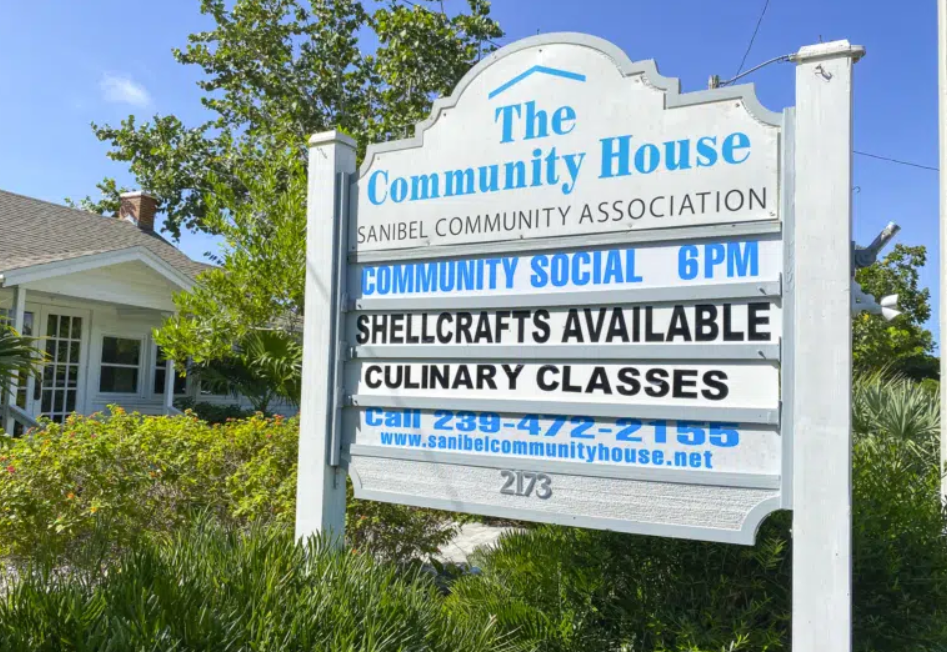
The event takes place on Wednesday, September 30, 2026, at 6:30 PM at the Sanibel Community House (2173 Periwinkle Way, Sanibel) and will also be livestreamed statewide via Zoom by the League of Women Voters of Florida.

At the LeAneSuarezGroup, we believe that educated property owners make the strongest communities. Navigating changes to Florida’s property tax structure—from primary residence homestead exemptions to caps on commercial and rental real estate—is vital for understanding your annual tax burden, municipal service levels, and the long-term economic stability of Sanibel and Captiva islands.

What Is Amendment 3? The Proposed Tax Overhaul

If passed by a 60% supermajority of Florida voters in November, Amendment 3 would restructure how homesteaded primary residences and non-homesteaded properties are assessed and taxed:

                    AMENDMENT 3 CORE PROPOSALS
  
  [ HOMESTEAD EXEMPTIONS ] ──► Expands non-school exemption to $150K in 2027
                               and $250K in 2028 (indexed to inflation starting 2029)
  [ NON-HOMESTEAD CAP ]    ──► Lowers annual assessment cap from 10% down to 5%
                               for rentals, second homes & commercial properties
  [ NEW RESIDENT RULES ]   ──► Post-2026 arrivals receive smaller exemptions until Year 5
  [ SPENDING MANDATES ]    ──► Restricts how cities/counties utilize property tax revenues

While expanded exemptions provide direct ad valorem savings to qualified primary homeowners, Florida TaxWatch and the state Legislature’s Revenue Estimating Conference project the amendment would reduce local government property tax revenues by $45.8 billion statewide over its first five years—including an estimated $1.74 billion reduction across Lee County taxing authorities.

Keynote Perspectives: Municipal Realities & Economic Ripple Effects

The panel features two respected leaders who offer complementary viewpoints on municipal operations and business sustainability:

                     FEATURED PANEL SPEAKERS
  
  [ HOLLY D. SMITH ] ──► Sanibel City Councilmember & Past President, Florida League of Cities
  [ JOHN LAI ]       ──► President & CEO, SanCap & Fort Myers Chambers of Commerce

The Municipal Perspective: Councilwoman Holly D. Smith

Councilwoman Smith has traveled extensively across Florida analyzing the fiscal impact of constitutional amendments on local city halls and special districts. Smith will provide an objective breakdown of how the measure alters municipal funding and explain specific budget choices Sanibel City Council would face regarding police, public works, and coastal infrastructure should it pass.

“Amendment 3 will change how cities and counties are funded across every corner of Florida. Voters deserve to understand exactly how, before they head to the polls. My goal isn’t to tell anyone how to vote. It’s to walk through this complicated issue so voters can weigh the tradeoffs for themselves.”

— Holly D. Smith, Sanibel City Councilwoman

The Business & Workforce Impact: Chamber CEO John Lai

Representing thousands of business owners across the barrier islands and mainland Lee County, John Lai addresses the unintended consequences that often accompany ad valorem reductions. When cities lose property tax revenues, municipalities frequently consider alternative funding streams—such as increased user fees, higher utility taxes, or special non-ad valorem assessments—that directly affect small commercial businesses.

Furthermore, because non-homesteaded properties (such as long-term residential rentals) do not receive the expanded exemption, landlords facing shifted municipal costs could pass increases on to island workers, compounding workforce housing challenges.

“The chambers feel it exceedingly important to present information that is necessary to sift through all of the potential unintended consequences and provide as much perspective as possible. This event allows the discussion from both the business community and city perspective.”

— John Lai, President & CEO of SanCap and Fort Myers Chambers

Event Registration & Attendance Details

Admission to the forum is free and open to the public, but advance registration is required to manage hall seating and provide access to the digital Zoom stream.

Event Parameter Details
Event Date Wednesday, September 30, 2026
Time 6:30 PM EDT
In-Person Venue Sanibel Community House, 2173 Periwinkle Way, Sanibel
Virtual Access Livestreamed via Zoom (Hosted by League of Women Voters of Florida)
Registration Deadline September 25, 2026 (Registration required)
RSVP Portal events.humanitix.com/coti-lwv-amendment-3

Whether you are a full-time homesteaded resident, an island investor holding rental property, or a business owner on Periwinkle Way, attending this session offers the insight needed to make an informed decision at the ballot box this November.


Categories
Island Update

CEPD Approves Final Assessment Apportionment for Beach Renourishment

In a key step to finalize funding for island coastal defenses, the Captiva Erosion Prevention District (CEPD) Board of Commissioners has officially approved the final assessment apportionment for its recent emergency beach renourishment project. During a special meeting on August 31, 2026, the commission voted 4–0 on a formal resolution authorizing district management to submit the final non-ad valorem assessment roll to the Lee County Property Appraiser.

The action formalizes the distribution methodology for a $10 million local assessment levied across island properties based on 2025 just (market) values. The assessments will appear directly on property owners’ upcoming annual property tax bills as a non-ad valorem line item.

At the LeAneSuarezGroup, we emphasize to our barrier island property owners that wide, engineered shorelines and restored dunes are Captiva’s most vital protective barrier. Understanding how non-ad valorem assessments are structured helps owners evaluate their holding costs, anticipate tax bills, and protect long-term coastal real estate investments.

Apportionment Methodology: How the Assessment Works

Presented by district consultant Governmental Management Services (GMS), the adopted methodology mirrors the established framework utilized during the 2021–2022 renourishment project.

Under Florida statutory guidelines for independent beach and shore preservation districts, every property on Captiva derives measurable economic and recreational utility from a healthy beach. Assessments are divided into two distinct components:

                    CEPD ASSESSMENT STRUCTURE
  
  [ RECREATION BENEFIT ]     ──► Levied on ALL Captiva properties (Island-wide utility)
              +
  [ STORM PROTECTION BENEFIT]──► Levied ONLY on Gulf-front properties (Buffer defense)
              =
  [ TOTAL SPECIAL ASSESSMENT]──► Billed as a non-ad valorem line item on Lee County tax roll

Zone-by-Zone Breakdown: Storm Protection Benefit

Properties positioned along the Gulf of Mexico receive a storm protection benefit, as the renourished berm and dune profile directly absorb offshore wave energy, protect structural pilings, and prevent catastrophic loss of foundation land.

To account for historical erosion rates and physical exposure, Gulf-front parcels are divided into specific geographic zones. Based on a $2 million just property valuation, the estimated storm protection assessments are calculated as follows:

Shoreline Geographic Zone Key Location Characteristics Estimated Assessment ($2M Just Value)
Upper South Seas Northernmost Gulf frontage; elevated tidal exposure ~$12,356
Village Gulf Front Historic village beach; high recreational interaction ~$9,820
Lower South Seas Mid-resort Gulf frontage ~$4,952
Higher Erosion Gold Coast Central estate zone with elevated historical sand loss ~$4,320
‘Tween Waters Road Narrow coastal isthmus corridor along Captiva Drive ~$3,345
Upper Gold Coast Southern estate shoreline toward Blind Pass ~$2,986

Recreation Benefit: Discounts for Homesteaded Properties

The recreation benefit applies to all island real estate—including interior parcels, bay-front properties, and commercial complexes—reflecting the universal economic value, foot access, and business activity generated by pristine beaches.

                 RECREATION ASSESSMENT BY USE CATEGORY
                     (Based on $2,000,000 Just Value)
  
  [ HOMESTEADED RESIDENTIAL ] ──► ~$3,265  (Reflects statutory 42.1% discount)
  [ STANDARD RESIDENTIAL ]    ──► ~$6,225  (Second homes, seasonal rentals & investment)
  [ COMMERCIAL PROPERTIES ]   ──► ~$16,202 (Resorts, retail, hospitality & dining)

Primary residents who hold an active Florida Homestead Exemption on Captiva receive a 42.1% statutory discount on the recreational component of the assessment. This adjustment ensures full-time residents who do not operate commercial rentals receive appropriate relief.

District Leadership & Administrative Restructuring

Alongside the assessment approval, the commission finalized several key administrative actions to solidify operations:

  • Management Transition: Commissioners voted 3–0 to approve an agreement formally appointing Governmental Management Services (GMS) as district manager for the CEPD.

  • Officer Appointments: Approved a slate of district officers, appointing Bob Walter as Chairman, Timothy McGowan as Vice Chairman, Bernie Dupre as Treasurer and Secretary, and Rene Miville and John Wade as Assistant Secretaries. GMS representatives Sharyn Henning, Darrin Mossing, Patti Powers, and Paul Winkeljohn were designated as assistant treasurers and secretaries.

  • Banking Signatories: Formally authorized GMS staff and district officers as signatories across existing banking accounts with Regions Bank and Pinnacle Bank/Synovus.

(Note: Commissioner John Wade was excused and not present during the special meeting vote.)

Property owners with questions regarding their specific parcel STRAP numbers, just values, or assessment line items can review official records directly via the Captiva Erosion Prevention District Portal.

Categories
Island Update

Exotic Engines Return to Downtown: Naples City Council Backs New Luxury Car Showcase on 5th Ave. South

Downtown Naples will remain a premier destination for automotive enthusiasts during peak winter season. In a decisive 6–1 vote, the Naples City Council granted permit approval for an all-new Fifth Avenue South luxury car event Naples 2027, officially greenlighting a curated showcase scheduled for February 27, 2027.

The vote follows months of discussion and a high-profile split between the City of Naples and the organizers of the longstanding Cars on Fifth, which relocated outside municipal boundaries to the Bayshore Drive corridor after city officials rejected its permit over parking, crowd density, and safety logistics.

At the LeAneSuarezGroup, we watch cultural events and municipal policy across Southwest Florida closely. High-caliber automotive exhibitions, art festivals, and culinary showcases along historic shopping avenues like Fifth Avenue South and Third Street South highlight the luxury lifestyle, active downtown foot traffic, and enduring property desirability of Naples.

Event Vision: Scaled-Down Footprint, Curated Luxury & Merchant Synergy

Organized by Meg Stepanian, the newly approved event introduces a more balanced model designed to directly resolve the crowd management issues that complicated prior street closures:

                 NEW 5TH AVENUE SOUTH EVENT BLUEPRINT
  
  [ EVENT DATE ]       ──► Saturday, February 27, 2027
  [ ATTENDANCE GOAL ]  ──► Projected up to 20,000 daytime visitors
  [ VEHICLE CAPACITY ] ──► ~50% fewer display cars than previous Cars on 5th shows
  [ CORE EXPERIENCES ] ──► Exotic vehicles, fine jewelry, wine tastings, arts & live music
  [ CHARITABLE FOCUS ] ──► 100% of event net proceeds benefit local non-profit charities

Rather than prioritizing maximum vehicle counts, the event focuses on collaboration with existing Fifth Avenue retailers, art galleries, and fine dining establishments.

“We don’t have a name yet, but we are excited that we have City Council approval to proceed. The community loves and enjoys cars and wine and jewelry and all of those fun things. So we’ll be looking to our merchants to cultivate and curate a fun event for the community.”

— Meg Stepanian, Event Organizer

Downtown merchants welcomed the decision. Augusto Marenco, general manager of acclaimed Italian restaurant Vergina, highlighted the economic importance of keeping high-end events on Fifth Avenue:

“Anything that goes on, we want to be involved. A lot of restaurants want to be involved. The retail shops also benefit heavily from it.”

— Augusto Marenco, General Manager of Vergina

The Council Debate: Addressing Crowd Safety vs. Tradition

The 6–1 council vote reflected broad consensus among council members, who maintained that public safety adaptations were essential for any street closure of this scale.

                    CITY COUNCIL VOTE BREAKDOWN
  
  [ IN FAVOR (6) ]  ──► Vice Mayor & Council members backed the scaled merchant concept
  [ DISSENTING (1) ]──► Mayor Teresa Heitmann cited unresolved parking & safety impacts

Councilman Scott Shultz noted during deliberations that while Cars on Fifth had a remarkable 20-year history, organizers needed to adapt to the city’s evolving safety parameters:

“You’ve got to get out there and work with us or don’t. But if you’re going to work with us for 20 years and start blasting us for something that you failed to do, that’s a whole different animal.”

— Councilman Scott Shultz

Mayor Teresa Heitmann cast the lone dissenting vote, expressing concerns that a crowd of up to 20,000 visitors could still overwhelm downtown parking garages and emergency response lanes.

Two Major Shows: Naples Becomes a Dual-Event Destination in 2027

The relocation of the original event creates a major win for regional automotive enthusiasts. Instead of choosing between events, Southwest Florida will now host two premier luxury car gatherings spaced several weeks apart in early 2027:

Event Feature New Fifth Avenue South Event Cars on Fifth (Relocated)
Location Fifth Avenue South (Downtown Naples) Bayshore Drive Arts District (East Naples)
Date February 27, 2027 Scheduled earlier in the 2027 winter season
Atmosphere Boutique urban street festival, wine, jewelry & dining Expansive automotive rally, track displays & vendors
Special Features Merchant-curated activations & charity proceeds Special celebrity guest appearance by Jay Leno
Jurisdiction City of Naples municipal limits Collier County jurisdiction

Cars on Fifth founder Tom O’Riordan moved the show to Bayshore Drive after rejecting city proposals that would have restricted the display to one side of Fifth Avenue, barred vendors and dealers, and capped attendance at 3,500 people.

With both venues moving forward, visitors and residents across Naples, Marco Island, and the barrier islands will enjoy an extraordinary winter season celebrating world-class automotive craftsmanship, fine dining, and community philanthropy.

Categories
Island Update

A Village Icon Returns: Captiva Island Inn Rebuild Andy Rosse Lane Welcomes Guests

Four years after Hurricane Ian caused catastrophic storm surge across Captiva’s historic village district, one of the island’s most recognizable hospitality staples is back. The Captiva Island Inn rebuild Andy Rosse Lane has reached its first major milestone, officially opening its initial five guest suites on September 18, 2026.

Owner Sandy Stilwell Youngquist has invested approximately $6 million to reconstruct the property at 11508 Andy Rosse Lane following the total loss of the original 10 ground-level cottages in September 2022. The reopening is timed to coincide with the annual Island Hopper Songwriter Fest, which features two adjacent Stilwell Youngquist-owned establishments—Keylime Bistro and RC Otter’s Island Eats—as signature festival venues.

At the LeAneSuarezGroup, we view the revival of Andy Rosse Lane as vital to Captiva’s real estate and tourism foundation. Rebuilding historic commercial centers with storm-resilient engineering preserves the relaxed, pedestrian-friendly island character that defines Captiva’s long-term property appeal.

“It’s been a long four years. It’s been something of bringing her inn back to life following the difficult decision to take down the preexisting wood-frame cottages. I have tears coming down my eyes. We’ve been through it all. And with the anniversary, it’s perfect timing to reopen.”

— Sandy Stilwell Youngquist, Owner of Captiva Island Inn

Design & Engineering: Modern Luxury Meets Cottage Charm

Replacing original 60- to 70-year-old wood-frame cottages within Captiva’s specialized zoning framework required creative architectural solutions. General contractor Stevens Construction built the new structures elevated 10 feet above ground level on concrete foundation pilings to satisfy current flood codes.

National architecture firm MHK Architecture, led by national director Mark McLean, designed two primary buildings—an L-shaped structure on the north and a U-shaped structure on the south—that maintain the visual aesthetic of separate historic cottages.

                 CAPTIVA ISLAND INN REBUILD SPECIFICATIONS
  
  [ TOTAL INVESTMENT ] ──► ~$6 Million private reconstruction investment
  [ ELEVATION HEIGHT ] ──► Built 10 feet above grade on pilings for flood surge defense
  [ NORTH BUILDING ]   ──► Jasmine Suites (5 elevated suites; L-shaped configuration)
  [ SOUTH BUILDING ]   ──► Hibiscus Suites (5 elevated suites; U-shaped configuration)
  [ INTERIOR UPGRADES] ──► Vaulted high ceilings, larger full kitchens & luxury baths
  [ EXTERIOR PALETTE ] ──► Historic pastels: pink, yellow, light purple, green & blue

“Due to the existing zoning, it was tough to replace what was there. We did it with one continuous building and changed the colors, just to give it that cottagey feel. We vaulted all the ceilings and worked on giving those small units a much bigger feel. If you’re across the street or coming up from the south end at the Green Flash, it doesn’t necessarily loom over you as one unit.”

— Mark McLean, National Director for MHK Architecture

Suites Breakdown, Pricing & Phased Openings

Rather than individual cottage names, the accommodations are organized into two boutique enclaves. Open green courtyards fronting each building are intentionally preserved to accommodate modernized below-ground infrastructure.

                    RECONSTRUCTION PHASE TIMELINE
  
  [ PHASE 1: COMPLETED ] ──► Jasmine Suites (5 north units open Sept. 18, 2026)
  [ PHASE 2: FINAL WORK] ──► Hibiscus Suites (5 south units complete late Nov. 2026)
  [ FULL CAPACITY ]      ──► 10 total luxury guest units fully operational for season
Suite Collection Opening Date Nightly Rate Range Key Features
Jasmine Suites (North) September 18, 2026

$240 – $284 (Off-season)


$800 (Peak season: Jan–Mar)

Vaulted ceilings, full kitchens, updated baths, elevated balconies
Hibiscus Suites (South) Late November 2026

$240 – $284 (Off-season)


$800 (Peak season: Jan–Mar)

Direct village views, courtyard access, updated coastal layouts

Andy Rosse Lane Village Momentum

Stilwell Youngquist remains a central figure in Captiva’s hospitality corridor. Her portfolio includes Andy Rosse Lane destinations such as Keylime Bistro, RC Otter’s Island Eats, Latte Da Coffee Shop & Ice Cream, Sunshine Seafood Cafe and Wine Bar, and Cantina Captiva.

Reopening the inn ahead of high season restores crucial short-term room capacity to the Village, driving evening foot traffic to surrounding dining, art galleries, and the Gulf beaches at the end of the lane.

“Two of the five new rooms are already booked. Out of all the bad, something good has come out of it. And I’m really thrilled.”

— Sandy Stilwell Youngquist

Categories
Uncategorized

Fiscal Warning: Florida Long Range Financial Outlook Deficit Reaches $1B by 2029

The Florida long range financial outlook deficit projections released by state fiscal analysts reveal a critical budgetary shift on the horizon for the Sunshine State. While Florida is positioned to maintain substantial General Revenue surpluses over the next two fiscal years, state expenditures are currently projected to outpace available recurring revenues, creating an estimated $1.025 billion deficit by fiscal year 2029–30.

Presented to the state’s Legislative Budget Commission, the multi-year forecast provides state lawmakers with a three-year fiscal roadmap. According to legislative economists, Florida’s General Revenue fund is slated to record a healthy surplus of $7.1 billion in fiscal year 2027–28, followed by an estimated $3.4 billion surplus in 2028–29, before recurring spending pressures push the state balance sheet into negative territory at the close of the decade along the Gulf and Atlantic corridors.

Key Drivers Behind the Florida Long Range Financial Outlook Deficit

Despite the projected short-term gap, the current Florida long range financial outlook deficit represents a dramatic improvement compared to the prior year’s forecast, when analysts had sounded alarms over a potential $6.6 billion shortfall for 2028–29. Strong post-pandemic sales tax revenues, population expansion, and disciplined reserve allocations have helped push that fiscal cliff back by several budget cycles.

However, the latest forecast identifies $16.8 billion in cumulative General Revenue needs over the three-year evaluation window to satisfy critical and high-priority budget drivers under current law, assuming no new or expanded state programs:

  • Statewide Issues: Accounting for the largest category of statutory obligations, including state employee health benefits, pension liabilities, and mandatory technology modernization.

  • Human Services: Escalating Medicaid utilization and healthcare service costs continue to claim an increasing percentage of non-discretionary General Revenue.

  • Natural Resources and Environmental Protection: Sustained commitments to Everglades restoration, water quality improvements, wastewater infrastructure grants, and coastal resiliency initiatives.

  • K-12 and Higher Education Funding: Maintaining required student funding formulas and capital outlay allocations amid ongoing statewide enrollment shifts.

Statutory Constraints and Future Budgetary Decisions

It is important to emphasize that the Legislative Budget Commission’s long-range models are baseline projections formulated under existing statutory law. The figures do not incorporate potential tax cuts, future legislative appropriations, or discretionary agency expansions that may be introduced during upcoming legislative sessions.

Because the Florida Constitution strictly mandates a balanced annual state budget, lawmakers will eventually have to reconcile this structural revenue divergence. Future legislatures will face the choice of curbing spending growth across recurring programs, tapping accumulated trust fund balances, or adjusting revenue policies to ensure mandatory programs remain fully funded without drawing down reserve accounts.

Understanding these state-level balance sheet projections is vital for regional leaders monitoring municipal revenue stability, school district financing, and local infrastructure projects. To explore how statewide economic performance and fiscal policies intersect with local planning across Southwest Florida, review our in-depth analysis of the Florida Chamber 2026 economic report.

Categories
Uncategorized

World-Class Vintage: 16 Naples Winter Wine Festival Featured Sommeliers Unveiled

The Naples Winter Wine Festival featured sommeliers roster has officially been unveiled for the highly anticipated 27th annual charity celebration, scheduled for January 29–31, 2027, at The Ritz-Carlton Naples, Tiburón. Recognized internationally as one of the premier charity wine auctions in the world, the three-day gathering will showcase 16 world-renowned wine professionals, including seven distinguished Master Sommeliers, who will curate, explain, and pour exceptional rare vintages along Florida’s Gulf coast.

Serving as the foundational annual fundraiser for the Naples Children & Education Foundation (NCEF), the festival has raised more than $366 million since its inaugural event in 2001. These charitable dollars directly support dozens of local non-profit agencies that deliver healthcare, early childhood education, and social services to over 350,000 underprivileged children in Collier County. For the 2027 edition, the festival embraces the vibrant theme “Hope Sings: A Brighter Tomorrow Takes the Stage,” marrying global culinary prestige with impactful community philanthropy.

Elite Expertise Guiding the Naples Winter Wine Festival Featured Sommeliers

Throughout the lively festival weekend, the Naples Winter Wine Festival featured sommeliers will guide guests through an array of immersive tasting events. Their duties encompass leading the intimate Vintage Cellar tasting and luncheon, collaborating with visiting celebrity chefs during exclusive Vintner Dinners hosted at private luxury estates across Naples, and pouring rare pours during Saturday’s high-energy live auction under the grand tent.

The assembled 2027 roster brings together acclaimed beverage directors, educators, and boutique vineyard principals from major culinary hubs across the country:

  • Gillian Ballance, MS — Treasury Wine Estates and Decant Bottle Shop, Yountville, California

  • Fernando Beteta, MS — PopSomm, Chicago, Illinois

  • Mark Bright — Saison Hospitality Group, San Francisco, California

  • Jacob Brown — Realm Cellars, San Francisco, California

  • Marie Cheslik — Slik Wines, Chicago, Illinois

  • Jonathan Eichholz, MS — Aftergold, New York, New York

  • John Eisele — Four Seasons Napa Valley, Calistoga, California

  • Lindsey Fern — Nemacolin, Uniontown, Pennsylvania

  • Sarah Foote — Castle Hot Springs, Morristown, Arizona

  • Logan Griffin — Blackberry Mountain, Walland, Tennessee

  • Jon McCarthy — The Matheson, Healdsburg, California

  • Michael Meagher, MS — Sommelier On-Demand Hospitality Services LLC, Groton, Massachusetts

  • George Miliotes, MS — Wine Bar George, Orlando, Florida

  • Robin O’Connor — Brazen Head Brooklyn, New York

  • David Reuss, MS — Jackson Family Wines, Denver, Colorado

  • Rob Smits — Caruso’s at Rosewood Miramar Beach, Montecito, California

Elevating Philanthropy Through Culinary Excellence

The dedicated participation of the Naples Winter Wine Festival featured sommeliers remains a core driver of the festival’s historic fundraising track record. By pairing world-class palates with rare library collections and limited-release auction lots, these professionals craft memorable sensory experiences for collectors, donors, and visiting wine aficionados.

Every dollar raised through the weekend’s festivities is strategically reinvested across Southwest Florida. Grant distributions from the foundation fund essential initiatives including pediatric dental care, mental health counseling, after-school reading clinics, and weekend nutrition programs for at-risk youth.

This celebrated event reinforces the Paradise Coast’s standing as a world-class destination for seasonal hospitality, luxury dining, and transformative charitable giving. To see how other premier regional dining and hospitality initiatives drive our local service economy, explore our overview of the Sizzle Dining Southwest Florida restaurants campaign.

Categories
Uncategorized

Critical Warning: Florida Amendment 3 Property Tax Opposition Sparks Sharp Debate

Mounting Florida Amendment 3 property tax opposition gained significant momentum as the Florida Economic Development Council (FEDC) officially announced its resistance to the proposed constitutional measure scheduled for the November 2026 general election ballot. The statewide organization cautioned that while tax relief for primary homeowners is an admirable objective, the proposed structural overhaul could severely erode municipal revenues, creating financial volatility for infrastructure, transportation projects, and regional job creation across the Gulf coast and throughout the state.

If approved by at least 60% of Florida voters, Amendment 3 would dramatically expand the existing homestead exemption for non-school property taxes. Under the legislative proposal, exemptions would increase from the current $50,000 baseline up to $150,000 in 2027, before climbing to $250,000 in 2028, with subsequent adjustments tied to inflation. However, economic development leaders caution that removing billions of dollars from local government tax bases threatens the foundational services that make Florida communities competitive destinations for business relocation and capital investment.

Core Arguments Behind the Florida Amendment 3 Property Tax Opposition

The primary driver behind the Florida Amendment 3 property tax opposition centers on long-term fiscal stability. According to FEDC Executive Director Beth Cicchetti, the ballot initiative threatens to undermine the operational revenue framework that allows Florida counties, cities, and independent districts to build out critical civic infrastructure and attract corporate investment.

Cicchetti warned that the amendment would “erode the revenue structure supporting Florida counties and municipalities,” introducing profound uncertainty into local economic development pipelines. While the council emphasized that it wholeheartedly supports responsible tax relief for working families and homeowners, leaders argued that the measure fails to preserve local governments’ ability to recruit talent, finance roads and stormwater systems, and maintain quality public safety operations.

Key concerns highlighted by statewide economic development professionals include:

  • Infrastructure Deficits: Reduced tax revenue hampers local municipalities’ capacity to fund municipal bond debt for road widenings, bridge maintenance, and water quality projects.

  • Talent Recruitment Barriers: Without sufficient public revenues, local agencies may struggle to fund workforce development partnerships, community amenities, and public safety personnel needed to sustain thriving business climates.

  • Tax Burden Shifting: Because the measure significantly narrows the residential tax base, local governments may be forced to increase millage rates on non-homestead properties, commercial real estate, industrial warehouses, and small business storefronts to balance mandatory operational budgets.

  • School Exclusions vs. Municipal Operations: While school district millage is explicitly protected and excluded from the expanded exemption, county commissions and city councils bear the entire brunt of the projected multi-billion-dollar revenue shortfall.

Statewide Revenue Impact and the 60% Supermajority Hurdle

State fiscal analysts project that Amendment 3 could decrease local government property tax revenues by billions of dollars statewide during its initial phase-in, expanding to over $11 billion in cumulative annual reductions once the full $250,000 exemption and non-homestead assessment limits are fully implemented.

Because it proposes a formal change to Article VII of the Florida Constitution, the initiative requires a supermajority approval of 60% or higher from voters at the ballot box. Opposition from business coalitions like the Florida Economic Development Council aligns with concerns previously voiced by municipal associations, fire chiefs, and regional planning councils, all arguing that sweeping exemptions should not come at the expense of core municipal services.

Southwest Florida Real Estate and Municipal Governance Context

For Southwest Florida communities across Lee, Collier, and Charlotte counties, the debate over Amendment 3 carries immediate local consequences. Rapid residential growth has placed historic demands on regional transit grids, hurricane protection projects, and emergency services.

To explore how local governments and business coalitions are navigating shifting tax policies, read our analysis of the Fort Myers Beach property tax rate millage or examine broader business climate projections in the Florida Chamber 2026 economic report. Furthermore, to understand how cost-of-living metrics and housing pressures intersect across the state, review our breakdown of the Florida WalletHub best states to live 2026 report.

Categories
SWFL Update

Clean Water Champions: RedSnook Catch and Release Charity Fishing Tournament 2026

The RedSnook Catch and Release Charity Fishing Tournament returns this fall from October 23 to October 25, 2026, uniting anglers, conservationists, and outdoor enthusiasts to safeguard Southwest Florida’s delicate marine ecosystems. Organized by the Conservancy of Southwest Florida, this premier annual event raises vital funding to protect the estuaries, bays, and backcountry shallows that define the coastal heritage along the Gulf.

Anglers will compete across three storied coastal gateways: Naples, Goodland, and Chokoloskee. Building on last year’s impressive showing where 59 competitive teams and 118 anglers raised nearly $186,000 the 2026 edition promises high-stakes angling paired with an urgent conservation mission. With spots traditionally capped to maintain fishery health and event quality, community support is expected to drive strong participation across all divisions.

Weekend Itinerary for the RedSnook Catch and Release Charity Fishing Tournament

The RedSnook Catch and Release Charity Fishing Tournament spans three action-packed days, blending friendly competition with community celebration:

  • Kickoff Party and Captains Meeting (Friday, October 23): The festivities begin with an evening gathering where registered anglers receive tournament packages, review official scoring rules via the iAngler mobile platform, and celebrate the shared commitment to regional water quality.

  • Two Days of Inshore Angling (Saturday, October 24 – Sunday, October 25): Anglers launch at sunrise from designated boat ramps across Collier County, targeting redfish and snook in both guided and unguided divisions. Competitors photograph, measure, and immediately release each catch to ensure minimal disturbance to wild fish populations.

  • The Chris Campbell Awards Reception (Sunday, October 25): The weekend culminates in an awards ceremony honoring top-performing teams, individual division champions, and the prestigious Grand Slam winners who successfully document a tarpon, snook, and redfish on the same day.

Philanthropic Online Auction and Community Giving

Complementing the on-the-water action, the Conservancy is hosting an extensive online auction open to both participants and the general public. Running from October 16 through October 25, the virtual auction features exclusive items donated by local businesses and regional supporters. Bidders can compete for luxury vacation resort stays, private guided offshore charters, premium saltwater fly-fishing tackle, and custom marine artwork.

Every dollar raised through team registrations, corporate sponsorships, and auction bids directly fuels the Conservancy’s core environmental missions. These initiatives include continuous scientific waterway monitoring, estuarine health assessments, vital mangrove restoration along the Ten Thousand Islands, policy advocacy for Western Everglades restoration, and hands-on environmental education for local students.

Protecting Estuarine Ecosystems Along the Southwest Florida Coast

Clean, abundant water is the foundation of Southwest Florida’s tourism, recreation, and real estate economies. Sport fisheries depend directly on healthy seagrass flats and undisturbed mangrove shorelines, which provide essential nursery grounds for juvenile snook, redfish, tarpon, and crabs. Events like RedSnook serve as a crucial bridge between recreational boaters and ongoing scientific stewardship.

This initiative complements several major habitat preservation projects currently unfolding across Collier County. To see how other local efforts are protecting coastal ecosystems, explore our coverage of the $100K Collier County artificial reef project or read about offshore water filtration upgrades in our breakdown of the Naples beach outfall project bonds. Furthermore, to understand wider regional conservation and wildlife education efforts, review the SCCF sea turtle hatchling release sessions.

Anglers, corporate sponsors, and supporters can secure team entries and access event guidelines directly through the Official Conservancy of Southwest Florida RedSnook Portal.

Categories
Uncategorized

Inspiring Hope: 14th Golisano Children’s Hospital Fashion Show Aids Young Patients

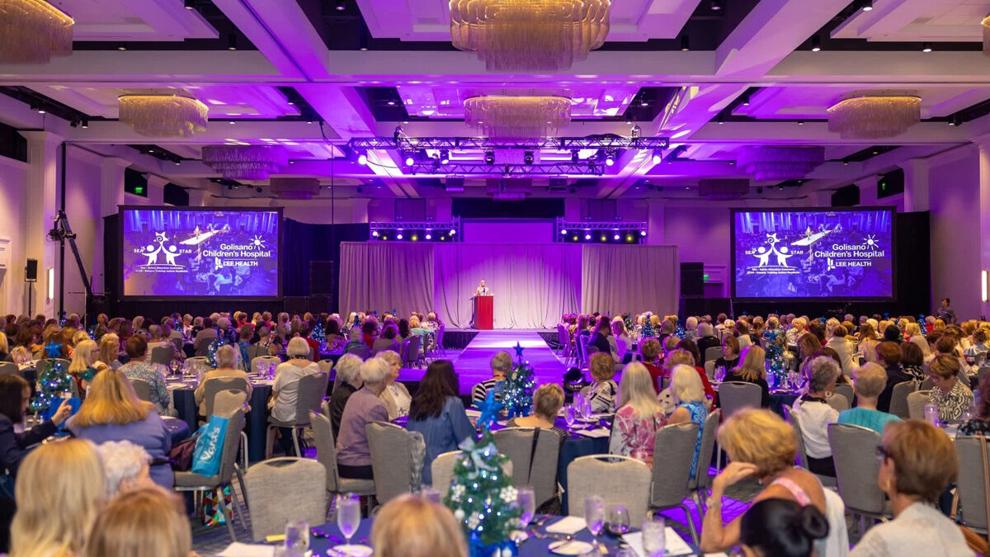
The Golisano Children’s Hospital Fashion Show returns for its 14th annual edition on Thursday, December 10, 2026, bringing community leaders, hospital supporters, and local families together for an inspiring day of style and philanthropy. Hosted at the scenic Hyatt Regency Coconut Point Resort and Spa (5001 Coconut Road) in Bonita Springs, the signature charity luncheon and runway event raises vital funds for pediatric cancer care along Florida’s Gulf coast.

All proceeds from this year’s gathering will directly benefit Barbara’s Friends – Golisano Children’s Cancer Fund, providing specialized financial and clinical resources to children and families confronting pediatric cancers and serious blood disorders. The gathering represents one of Southwest Florida’s most cherished annual traditions, blending high-end fashion with heartfelt stories of survival and community resilience.

Empowering Pediatric Cancer Care Through Barbara’s Friends

The primary mission of the Golisano Children’s Hospital Fashion Show centers on bolstering the lifesaving work conducted daily across pediatric wards. Established in 1995, Barbara’s Friends has supported more than 12,000 children and their families, ensuring that world-class pediatric oncology and hematology care remains accessible locally so patients do not have to travel long distances during intensive treatment cycles.

Philanthropic funding generated by the fund supports a wide variety of patient-centered resources, including:

  • Specialized Medical Equipment: Acquiring cutting-edge diagnostic and therapeutic devices tailored specifically for fragile pediatric patients.

  • Dedicated Clinical Staffing: Sponsoring child life specialists, pediatric oncology nurses, and specialized clinical care coordinators.

  • Comprehensive Counseling Services: Providing essential psychological support, art and music therapies, and family counseling to help navigate traumatic diagnoses.

  • Financial Assistance for Families: Relieving non-medical financial burdens so parents can remain focused on their child’s recovery without the threat of catastrophic financial distress.

  • Unconditional Care Access: Safeguarding the core hospital promise that no child is ever turned away or denied lifesaving treatment due to a family’s inability to pay.

Runway Elegance and Patient Celebrations at the Golisano Children’s Hospital Fashion Show

The highlight of the Golisano Children’s Hospital Fashion Show is its runway presentation, which frequently pairs professional models with local physicians, healthcare workers, and brave pediatric cancer survivors who walk the stage to celebrate major treatment milestones. Attendees can expect a curated showcase featuring contemporary apparel and formalwear provided by premier local and national boutiques from Naples and Fort Myers.

In addition to the fashion showcase, the charity luncheon includes interactive fundraising opportunities, such as live and silent auctions featuring luxury vacation stays, designer accessories, fine jewelry, and golf packages. Guests will also participate in mission-driven giving initiatives designed to fund emergency prescription supplies, specialized pediatric therapy materials, and survivor college scholarship grants.

Supporting the Region’s Only Pediatric Hematology/Oncology Center

Barbara’s Friends directly anchors the Pediatric Hematology/Oncology Program at Golisano Children’s Hospital of Southwest Florida, which stands as the only specialized program of its kind operating between Tampa and Miami. By keeping comprehensive oncology treatments within Lee County, young patients receive advanced chemotherapy infusions, blood transfusions, and specialized inpatient care close to their homes, schools, and support networks.

This dedication to expanding regional medical accessibility reflects the broader healthcare advancements unfolding across Southwest Florida. To explore how other clinical initiatives are broadening access across local communities, read about the recent $1.95M Lee Health rural healthcare expansion or review construction progress on the new Lee Health The Forum outpatient center. Furthermore, to see how business and community groups support charitable causes, check out our coverage of the Bonita Springs YMCA charity golf tournament.

Individual tickets, reserved tables, and corporate runway sponsorship opportunities are available directly through the official Golisano Fashion Show Ticket Portal and the Lee Health Foundation.

Categories
Island Update

Protect Captiva Lee Plan Community Plans Postponed: Hearing Update

A Major Win for Island Protections: Commissioners Halt Measure Eliminating Community Plans from Lee Plan

In a significant victory for barrier island residents, civic advocates, and grassroots coalitions across Southwest Florida, the Lee County Board of County Commissioners voted to halt planned amendments to the county comprehensive plan (CPA2026-00005). The controversial proposal, which would have removed specialized Community Plans from the Lee Plan and altered accompanying Land Development Code (LDC) sections, has been sent back to staff for a complete timeline restructuring and community outreach overhaul.

The decision officially cancels the scheduled October 7, 2026, public hearing, giving civic organizations like Protect Captiva and the Lee Communities Coalition an important window to ensure localized development safeguards remain intact.

At the LeAneSuarezGroup, we understand that thoughtful zoning, density caps, and height restrictions are the bedrock of Captiva Island’s character and property value stability. Diluting community plans threatens the delicate ecological balance and historic low-density charm that make our barrier island real estate among the most coveted coastal sanctuaries in the nation.

The Vote: Commissioners Ruane & Mulicka Lead the Pushback

The motion to discontinue any immediate action on the Lee Plan and LDC revisions was initiated by Commissioner Kevin Ruane (whose district encompasses Sanibel and Captiva) and seconded by Commissioner David Mulicka.

Both commissioners expressed sharp concerns regarding the scale of the proposed text changes, the speed with which they were introduced, and the intense public opposition voiced by neighborhoods throughout Lee County:

  • Commissioner Kevin Ruane: Emphasized that his office has been flooded with calls and emails from outraged constituents. Stating he refused to make decisions with “a gun to his head” on something so vital, Ruane underscored that commissioners had not received adequate time to analyze the hundreds of pages of complex amendments.

  • Commissioner David Mulicka: Reiterated that communities have spent decades developing tailored blueprints that form their civic identity. Mulicka noted that when a general plan update was initially authorized more than a year ago, he never anticipated staff would draft language that “meant deleting the names of the communities out of the plan altogether.”

                 COMMISSION ACTION SUMMARY (CPA2026-00005)
  
  [ MOTION INITIATOR ] ──► Commissioner Kevin Ruane (District 1)
  [ SECONDED BY ]      ──► Commissioner David Mulicka
  [ OUTCOME ]          ──► Cancelled Oct. 7, 2026 hearing; sent back to county staff
  [ DIRECTIVE ]        ──► Formulate revised review timeline & formal public outreach

Why Community Plans Matter: The 17 Specialized Areas

Across Lee County, 17 distinct Community Plan Areas exist within the Lee Plan. Each holds dedicated chapters in the comprehensive plan and specialized articles within the Land Development Code to address unique geographic realities—ranging from coastal barrier islands and inland rural agricultural belts to riverfront suburban neighborhoods.

                    HOW CAPTIVA'S PROTECTIONS WORK
  
  [ CHAPTER 23 ]          ──► Codifies Captiva-specific policies in the Lee Plan
  [ CHAPTER 33, ART. IX ] ──► Establishes enforceable Land Development Code standards
  [ DENSITY & HEIGHTS ]   ──► Restricts over-densification, multi-story creep & subdivisions
  [ LOCAL VOICE ]         ──► Guarantees public hearings on Captiva for variances & rezoning
  [ ECO-SAFEGUARDS ]      ──► Enforces dark-sky rules, mangrove fringe & beach buffers

For Captiva, the protections established in Chapter 23 of the Lee Plan and Chapter 33, Article IX of the LDC were drafted and refined over decades by the Captiva Community Panel. Removing or weakening these articles would eliminate local veto powers over building heights, weaken subdivision prohibitions, alter mangrove fringe buffers, and strip the requirement that Captiva-specific rezonings and variance hearings take place physically on Captiva.

Next Steps for Captiva Property Owners

While sending the amendments back to staff is an encouraging pause, community leaders stress that vigilance and active participation remain crucial as revised schedules are prepared:

Priority Action Details & Next Steps
Track Revised Timelines Monitor forthcoming Lee County staff reports and proposed community workshop schedules.
Engage in Outreach Sessions Attend future public input meetings to advocate for preserving Chapter 23 and Chapter 33 protections.
Support Legal Efforts Contributions to the Protect Captiva Legal Fund continue to finance land-use counsel and environmental planning consultants.

The LeAneSuarezGroup will continue tracking all regulatory and zoning developments affecting Captiva and Sanibel to keep homeowners informed.