Categories
Real Estate News

Market Shift: Naples Area Home Sales Rise as Inventory Plunges 17%

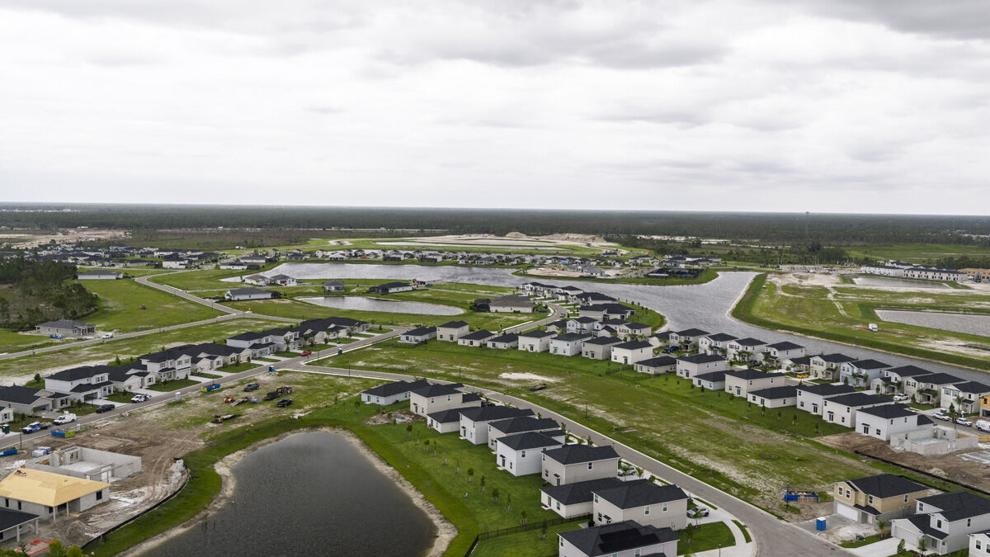
The Southwest Florida real estate market continues to demonstrate remarkable resilience, as the latest data reveals that Naples area home sales increased during the traditionally slower late-summer season. According to the September 2026 market report released by the Naples Area Board of Realtors (NABOR), overall transaction volume ticked upward even as active housing inventory experienced a dramatic double-digit contraction. As buyers and sellers navigate shifting interest rates and evolving coastal insurance markets along the Gulf, Collier County remains a highly coveted destination for affluent retirees, relocating executives, and seasonal residents looking to secure their piece of the Paradise Coast before the busy winter influx.

Price Appreciation and the Rise in Naples Area Home Sales

In September, the total number of closed transactions across the Naples market rose by 2.5%, climbing from 608 sales a year earlier to 623 completed deals. This steady uptick in closing volume was accompanied by a notable increase in overarching property values. The overall median closed price for homes in the Naples area rose by 4.5%, reaching a new benchmark of $575,000.

This price appreciation, achieved despite broader national economic headwinds and fluctuating mortgage rates, underscores the sustained, inherent demand for premium Southwest Florida real estate. The data suggests that buyers who were previously sidelined by economic uncertainty are beginning to re-enter the market with confidence, eager to finalize their purchases and lock in their winter residences. Furthermore, the steady price growth indicates that sellers in Collier County continue to hold significant negotiating power, particularly for move-in-ready properties that require no immediate post-storm renovations or major architectural upgrades.

How Shrinking Inventory Impacts Naples Area Home Sales

While closed transactions increased, the most striking metric from the September NABOR report was the severe contraction in available housing supply. Total active inventory plummeted by a staggering 17.3%, dropping to just 4,240 available properties across the region. Real estate economists frequently attribute this type of inventory squeeze to the “lock-in effect,” where current homeowners holding historically low mortgage rates choose to stay put rather than sell and finance a new property at today’s higher borrowing costs.

Interestingly, this massive inventory drop occurred despite a slight bump in fresh properties hitting the market. New listings actually increased by 4.8% during September, bringing 1,073 new options to prospective buyers. However, this modest influx of new inventory was simply not enough to offset the rapid buyer absorption rate.

Consequently, the overall pace of the market accelerated. Homes spent an average of just 99 days on the market before securing a buyer a notable improvement from the 107-day average recorded in September 2025. Meanwhile, pending sales experienced a minor cooling period, declining by 6.8% to 702 properties under contract. This slight dip in pending contracts may indicate a brief stabilization phase as buyers digest the latest pricing trends and await the release of additional autumn inventory.

Single-Family vs. Condominiums in Naples Area Home Sales

A deeper dive into the Naples area home sales data reveals a clear and growing divergence between the single-family and condominium sectors. The demand for detached, private residences remains incredibly robust, driving the single-family median closed price up 3.1% to a commanding $747,500. Today’s buyers are placing a massive premium on private lots, updated storm-resilient construction, and properties devoid of shared community walls or overarching association mandates.

Conversely, the condominium market experienced a slight softening, with the median closed price falling 2.4% to an even $400,000. This subtle dip in condo pricing likely reflects widespread buyer hesitation surrounding the changing landscape of condominium ownership in Florida. Recent state legislative changes requiring strict structural milestone inspections and mandatory, fully funded financial reserves have led to surging Homeowner Association (HOA) fees and soaring master insurance premiums, disproportionately impacting high-density coastal buildings.

This distinct shift in buyer preference toward single-family living isn’t isolated to Collier County. Just to the north, developers are aggressively pulling permits to meet this exact type of buyer demand. To see how neighboring markets are responding to the surging appetite for detached homes, review our recent coverage detailing how Charlotte County single-family building permits surge 90%.
Categories
Real Estate News

Election Alert: Florida Amendment 3 Property Tax Poll Falls Short of 60% Target

The latest Florida Amendment 3 property tax poll shows the high-profile constitutional ballot initiative struggling to reach the required 60% voter approval threshold ahead of the November 3, 2026, general election. Commissioned by the business advocacy group Associated Industries of Florida (AIF) and conducted by polling firm McLaughlin & Associates, the survey reveals that while a majority of Florida voters favor expanding property tax exemptions along the Gulf and Atlantic coasts, overall support remains seven percentage points below the constitutional supermajority mandate.

Conducted between September 28 and October 1, the statewide survey of 800 likely voters found that 53% support the ballot measure, 28% oppose it, and 19% remain undecided, with a margin of error of plus or minus 3.5 percentage points. With nearly one in five voters still weighing their options, both advocacy coalitions and municipal budget leaders are preparing for an intensive campaign push over the final weeks of the election cycle.

Tax Relief Provisions Under Amendment 3

If enacted by voters, the proposal would implement sweeping structural changes to Florida’s ad valorem property tax code, providing substantial direct relief to both primary homeowners and commercial property owners:

  • Substantial Homestead Exemption Increase: The measure would gradually raise the homestead exemption for non-school property taxes to $250,000 by 2028, dramatically expanding the standard $50,000 exemption that primary residents currently receive.

  • Lowering Non-Homestead Assessment Caps: The amendment would cut the statutory annual assessment growth cap on non-homestead properties including commercial real estate, rental apartments, industrial parks, and secondary vacation residences from the current 10% ceiling down to 5%.

Supporters argue that these reforms are vital to shielding working families, retirees on fixed incomes, and small business owners from sharp increases in assessed values driven by years of surging real estate prices.

Partisan Divides in the Florida Amendment 3 Property Tax Poll

The polling data highlights sharp partisan divisions across the electorate regarding taxation and public spending. Support for the measure is overwhelmingly concentrated among conservative voters, with 68% of Republicans indicating they plan to vote in favor.

In contrast, support drops to 32% among Democrats, who express deeper concerns over the fiscal impact on public services, while independent and unaffiliated voters remain closely divided. This partisan split suggests that passage will depend heavily on voter turnout and whether campaign messaging can persuade independent and moderate voters who are worried about local government solvency.

The $11.8 Billion Fiscal Dilemma for Local Governments

While the initiative offers undeniable tax savings for property owners, state economists project that the measure carries severe fiscal implications for municipal and county finances. Formal financial impact analyses estimate that Amendment 3 would reduce local property tax collections by $11.8 billion annually once fully phased in across the state.

Because the homestead exemption increase specifically targets non-school levies, the revenue contraction would fall entirely on county commissions, city councils, and special taxing districts:

  • Emergency & Public Safety Services: County sheriffs, municipal police departments, and fire-rescue districts rely predominantly on local property taxes for operational staffing, equipment, and station construction.

  • Infrastructure Maintenance: Local road paving, stormwater canal dredging, traffic signal maintenance, and bridge repairs would face severe budgetary competition against mandatory operating expenses.

  • Parks and Community Programs: Discretionary municipal programs, including community centers, public libraries, and municipal recreation facilities, could face immediate service cutbacks.

To balance their budgets under Florida’s constitutional balanced-budget requirements, local elected officials warn they would either have to raise countywide millage rates on non-exempt properties, establish new municipal user fees, or enact deep departmental cuts.

This statewide tax debate coincides with other significant fiscal challenges facing legislative leaders in Tallahassee. To examine how state revenue collections and spending pressures are shaping long-term fiscal policy, review our analysis of the Florida long range financial outlook deficit.

Categories
Real Estate News

Safeguarding Paradise: Hurricane Preparedness Guide 2026 for Island & Coastal Homeowners

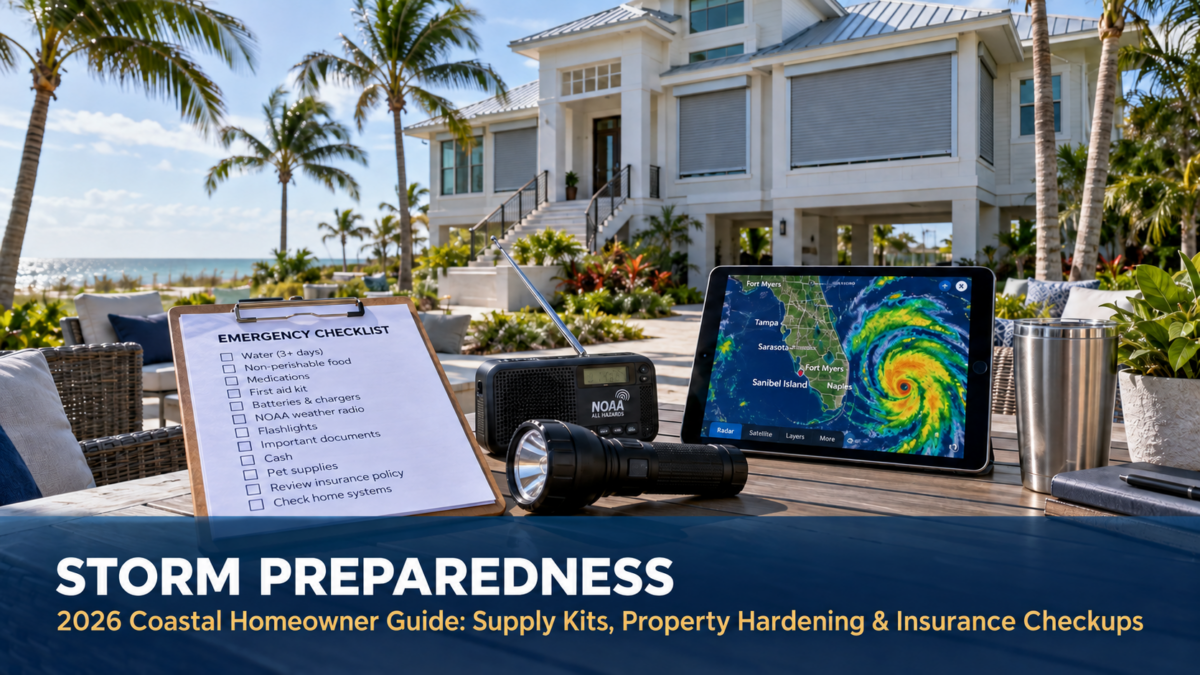
As tropical weather systems develop across the Atlantic and Gulf of Mexico, proactive readiness remains the cornerstone of life along Florida’s coastline. With peak storm activity spanning late summer and autumn, Florida Realtors® has issued its definitive advisory urging homeowners, renters, and investment property managers to review their storm readiness protocols.

At the LeAneSuarezGroup, we emphasize to our Sanibel, Captiva, and Fort Myers clients that early preparation is essential to safeguarding coastal property values. Taking decisive steps ahead of tropical watches and warnings protects your loved ones, minimizes structural vulnerabilities, and speeds up recovery if a storm approaches our barrier islands.

“Hurricane season is part of life in Florida, and preparation is key to safety and minimizing risk. Whether you own or rent your home, early planning helps you protect what matters most – your family and your investment.”

— Chuck Bonfiglio, President of Florida Realtors®

Essential Checklist: Assembling a Comprehensive Disaster Supply Kit

When tropical storms disrupt regional utility grids, barrier island supply lines can be temporarily interrupted. Florida emergency officials recommend assembling an emergency kit equipped to sustain your household without power or running water:

  • Drinking Water: A minimum of one gallon of water per person per day, stored for at least three to seven days.

  • Non-Perishable Food: Ready-to-eat canned meats, fruits, vegetables, nuts, and energy bars requiring zero refrigeration or cooking, alongside a manual can opener.

  • Prescription Medications: Under a state of emergency declaration, Florida residents can obtain an emergency 30-day refill on maintenance medications without price penalties.

  • Emergency Power & Light: Heavy-duty LED flashlights, extra batteries, solar-powered cell chargers, and portable battery banks.

  • Safety & Sanitation: A stocked first-aid kit, dust masks, moist towelettes, garbage bags, and plastic ties for personal hygiene.

  • Emergency Communications: A battery-powered or hand-crank NOAA Weather Radio, whistle to signal for help, and analog maps.

                 EMERGENCY GO-BAG MUST-HAVES
  
  [ HYDRATION & FOOD ] ──► 1 Gal/person/day + 3–7 day shelf-stable meals
  [ MEDICAL SUPPLIES ] ──► 30-day prescription refills & first-aid equipment
  [ POWER & COMMS ]    ──► NOAA weather radio, solar chargers & battery banks
  [ SANITATION KITS ]  ──► Disinfectant wipes, waste disposal & emergency tools

Hardening Your Coastal Real Estate

Mitigating wind and water intrusion before an official warning is posted prevents the sudden rush for supplies and contractor assistance:

                    HOME HARDENING PROTOCOLS
  
  [ WINDOWS & DOORS ]  ──► Deploy certified impact shutters or marine-grade plywood.
                           Never tape glass—it provides zero structural protection.
  [ SURROUNDING GROUNDS]──► Prune weak palm fronds, secure patio furniture, and clear
                           downspouts and roof drains to prevent standing water.
  [ STRUCTURAL ROOFS ] ──► Inspect hurricane straps, clips, and soffits to stop uplift.
  [ FLOOD PRECAUTIONS ]──► In designated low-lying flood zones, elevate valuables and
                           keep an emergency escape ax stored inside the attic space.

Electric Vehicle (EV) Safety Warning

If you own an electric vehicle, plug-in hybrid, or golf cart with lithium-ion batteries, park the vehicle outside low-lying flood zones. Saltwater submersion severely corrodes lithium-ion components, creating an elevated risk of spontaneous electrical fires long after floodwaters recede.

Planning for Specialized Needs, Pets & Tenant Safety

Comprehensive disaster planning extends beyond boarding windows and stocking pantry shelves:

  • Special Needs Registry: If a family member depends on daily medical assistance, supplemental oxygen, or constant electricity for life-support devices, preregister through Florida’s Special Needs Registry via FloridaDisaster.org.

  • Pet Evacuation Go-Bags: Pack pet food, vet records, proof of vaccinations, leashes, medication, and microchip documentation. Confirm pet-friendly evacuation hotels or county shelter locations in advance.

  • Landlord & Tenant Coordination: Landlords should clearly communicate shutter deployment schedules and evacuation protocol with tenants. Renters are strongly encouraged to maintain active contents-and-loss-of-use coverage through personal renter’s insurance.

Insurance Reviews: Act Before Tropical Watches Form

Florida property insurers enforce strict binding moratoriums the moment the National Hurricane Center issues a tropical storm or hurricane watch for a regional box. Once a watch is active, you cannot adjust policy limits, add flood riders, or bind new windstorm insurance.

Policy Type Coverage Purpose Timing Recommendation
Hazard / Homeowners Windstorm, roof damage, interior structural loss Review deductibles and wind mitigation credits annually.
Flood Insurance (NFIP / Private) Rising water, tidal storm surge, overland flooding Note the standard 30-day waiting period for new NFIP policies.
Contents / Renter’s Personal belongings, furniture, off-premises storage Document serial numbers and record video walk-throughs.

Take 15 minutes today to document every room, closet, and exterior wall of your home using video walk-throughs on your smartphone, and back the footage up to secure cloud storage.

For detailed county evacuation zone maps and real-time storm updates, visit FloridaDisaster.org and register for local emergency notices via AlertFlorida.com.

Categories
Real Estate News

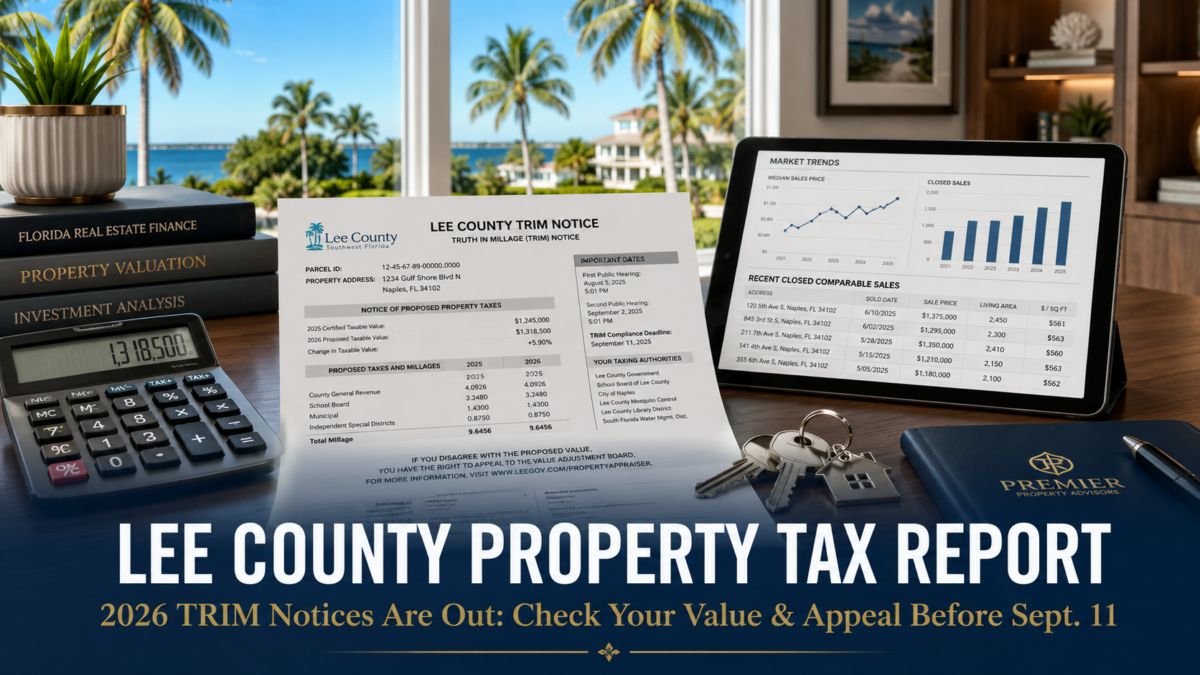
Act Now: 2026 TRIM Notices Are Out Across Lee County

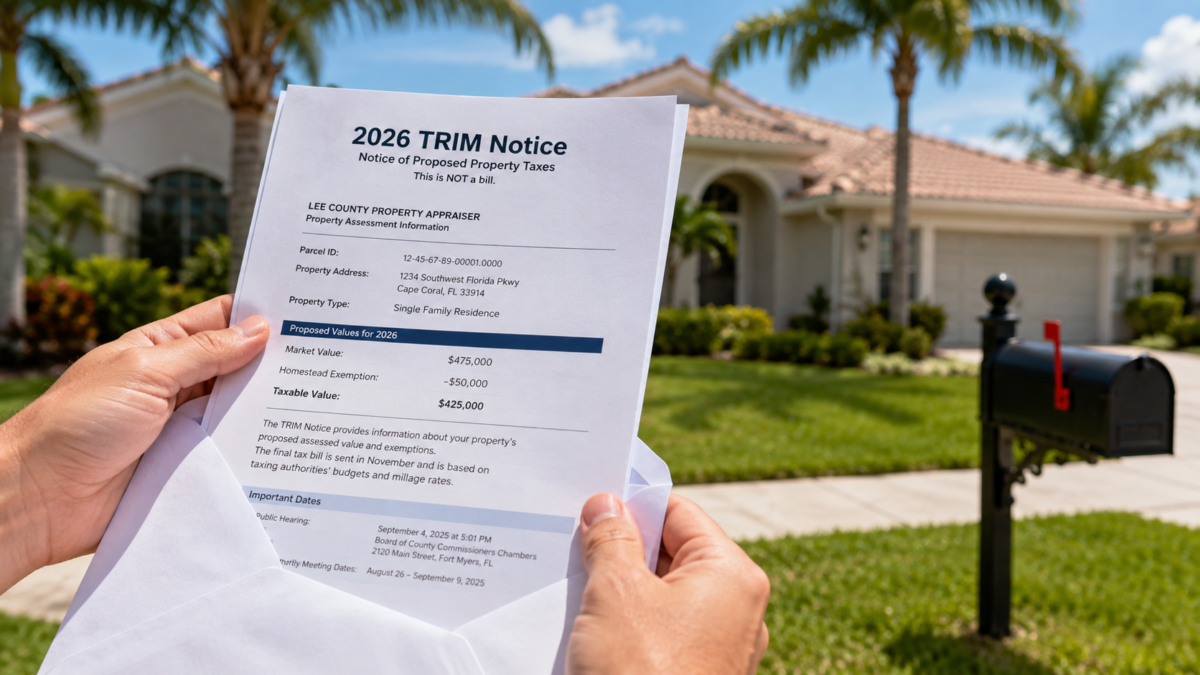
If you own residential or commercial real estate in Lee County—from Sanibel and Captiva to Fort Myers and Cape Coral—keep an eye on your mailbox. The Lee County Property Appraiser has officially mailed the 2026 TRIM (Truth in Millage) Notices.

The single most important fact to understand upfront is that your TRIM notice is NOT a tax bill. Rather, it provides an estimate of your proposed property taxes based on preliminary property valuations and local taxing authority budgets.

Reviewing this document promptly is your best opportunity to verify accuracy, check your exemptions, and challenge excessive valuations to potentially lower your tax bill before official bills are mailed in November.

How to View Your 2026 TRIM Notice Online

Did not receive your paper notice, or prefer digital records? You can access your full notice online through the Property Appraiser’s database in a few simple steps:

  1. Visit the official portal at www.leepa.org.

  2. Navigate to the Real Property Search and enter your name, address, or parcel STRAP number.

  3. Locate your property in the results and click “2026 TRIM Notice” on the right side of the page.

  4. View or download the full document displaying your property’s valuation and taxing breakdown.

The 4 Key Numbers Every Owner Must Check

To evaluate whether your proposed taxes are fair, focus on four critical numbers listed on page one of your notice:

                     HOW YOUR TAXABLE VALUE IS CALCULATED
  
  [ MARKET / JUST VALUE ]  ──► Assessed open-market value as of January 1
           │
         MINUS
           ▼
  [ SAVE OUR HOMES (SOH) ] ──► Accumulated value capped above the annual 3% limit
           │
         MINUS
           ▼
  [ EXEMPTIONS ]           ──► Homestead ($25k–$50k), senior, veteran, or disability
           │
        EQUALS
           ▼
  [ ASSESSED TAXABLE VALUE]──► Net baseline multiplied by local millage rates
  1. Market (Just) Value: The appraiser’s estimate of what your property would sell for on the open market as of January 1. Ask yourself: Is this valuation realistic based on actual comparable closed sales from 2025?

  2. Save Our Homes (SOH) Benefit: For primary homesteaded properties, Florida law caps annual assessed value increases at 3% or the rate of inflation (whichever is lower). Over years of market appreciation, this built-up difference represents your non-taxed SOH savings.

  3. Exemptions: Deductions subtracted from your valuation, including standard Florida Homestead ($25,000 to $50,000), widow/widower, disability, or veteran exemptions. Ensure all qualified credits are applied.

  4. Assessed / Taxable Value: The final calculated amount after deducting the SOH cap and eligible exemptions. This is the figure to which local millage rates are applied.

Understanding SOH Portability: Take Your Tax Savings With You

One of Florida’s most valuable homeowner benefits is Save Our Homes Portability. If you have built up a significant SOH tax cap benefit on your primary residence, you do not lose those savings when you move.

  • Upgrading: When moving to a higher-priced home, you can transfer up to $500,000 of accumulated SOH tax savings to your new property.

  • Downsizing: If you “buy down” to a less expensive home, you can still transfer a proportional share of your SOH tax savings.

  • Timeframe: Florida allows homeowners up to three tax years from abandoning a previous homestead to apply portability to a new primary residence.

Critical Deadline & How to Dispute Your Value

Property owners have a strict statutory window of 25 days from the TRIM mailing date to challenge their valuation.

Important Deadline: All formal petition filings with the Lee County Value Adjustment Board (VAB) must be submitted by September 11, 2026.

                 HOW TO FILE A DISPUTE OR INQUIRY
  
  [ STEP 1: CHECK CODE ] ──► Use the personalized online filing code on your notice
  [ STEP 2: REACH OUT ]  ──► Contact LeePA by phone or email to initiate an informal review
  [ STEP 3: SUBMIT COMPS]──► Attach recent comparable sales and condition evidence
  [ STEP 4: FORMAL VAB ] ──► Submit a formal VAB petition before the Sept. 11 cutoff

Your TRIM notice includes a personalized online filing code that allows you to initiate an inquiry directly. When contesting value, the goal is to supply clear market evidence (such as recent closed sales, appraisals, or repair estimates) demonstrating why the property’s January 1 valuation should be adjusted downward.

Millage Meetings: Where Your Tax Rates Are Set

While the Property Appraiser determines your property’s value, they do not set the tax rates.

The second page of your TRIM notice outlines each independent taxing authority—including the Board of County Commissioners, School Board, municipal city councils, fire districts, and water management districts. Next to each entity, you will find the dates, times, and locations of upcoming public budget hearings. Attending these meetings gives citizens a direct voice to speak on proposed tax millage increases before final budgets are adopted.

Next Steps: How LeAne & Alec Can Help

Do not leave money on the table. Many property owners successfully secure tax reductions simply by identifying errors or presenting accurate sales data.

  • Request a Custom Comps Report: Contact LeAne and Alec at the LeAneSuarezGroup. We will pull recent closed comparable neighborhood sales from 2025/early 2026 to verify whether your market valuation is justified.

  • File an Inquiry: If your property’s condition, hurricane repair status, or nearby sales indicate an over-assessment, start the dispute process early with the Property Appraiser’s office before the September 11 deadline.

Categories
Real Estate News

Annual Financial Checkup: Lee County 2026 TRIM Notices Are Arriving

It is that time of year again across Southwest Florida. The Lee County Property Appraiser has begun mailing the official 2026 TRIM (Truth in Millage) Notices to all real estate owners throughout Sanibel, Captiva, Fort Myers, Cape Coral, and the surrounding barrier islands.

A TRIM Notice is not a tax bill—rather, it is a detailed estimate showing your property’s preliminary market valuation, assessed valuation, applied exemptions (such as the Florida Homestead Exemption), and proposed local tax millage rates for the upcoming fiscal year.

At the LeAneSuarezGroup, we view your TRIM Notice as an important annual baseline. Monitoring assessed values against current market activity ensures your real estate portfolio stays aligned with local market conditions.

How to Read Your 2026 TRIM Notice

When your document arrives in the mailbox, take a few minutes to evaluate four key components:

                    TRIM NOTICE CORE COMPONENTS
  
  [ MARKET VALUE ]    ──► The Property Appraiser's estimate of value as of Jan. 1.
  [ ASSESSED VALUE ]  ──► Value after applying Save Our Homes (SOH) or 10% caps.
  [ EXEMPTIONS ]      ──► Homestead ($25k-$50k), senior, disability, or veteran credits.
  [ PROPOSED TAXES ]  ──► Estimated taxes based on proposed municipal/school millage rates.
Section on TRIM What It Represents Action Step
Just / Market Value Estimated open-market cash value of the property. Compare with recent comparable sales in your neighborhood.
Assessed Value Taxable baseline capped by statutory limits (3% for Homestead). Verify your cap is accurately applied year-over-year.
Exemptions Applied Deductions reducing your final taxable value. Ensure all eligible exemptions (Homestead, widow, veteran) appear.
Public Hearing Dates Schedule of city and county budget hearings. Note dates if you wish to speak on proposed municipal millage rates.

If something about your assessed valuation seems inconsistent with current neighborhood sales, there is a strict 25-day deadline from the mailing date to file an inquiry or formal petition with the Value Adjustment Board (VAB).

Smart Purchasing Strategy: Your Next Down Payment May Already Be in Your Portfolio

Managing holding costs on existing properties is only half the equation—leveraging your capital intelligently for your next purchase is the other.

When buying luxury, coastal, or second-home real estate, many buyers assume financing options are limited to three conventional routes:

  1. Securing a traditional mortgage.

  2. Paying outright with existing cash reserves.

  3. Liquidating market investments or stock positions to raise cash.

                 STRATEGIC REAL ESTATE LIQUIDITY
  
  [ CONVENTIONAL PATH ] ──► Liquidate stocks/bonds ──► Pay capital gains taxes ──► Lose market growth
  [ PORTFOLIO LENDING ] ──► Pledge securities (SBLOC)──► Retain asset ownership ──► Access instant liquidity

The “Fourth Option”: Securities-Backed Lines of Credit (SBLOCs)

For qualified high-net-worth investors and luxury home buyers, financial institutions offer portfolio-backed lending, commonly known as a Securities-Backed Line of Credit (SBLOC).

An SBLOC allows you to access immediate liquidity using your eligible, non-retirement investment portfolio as collateral without selling the underlying securities.

  • Avoid Capital Gains: Retain your investment positions without triggering a taxable event.

  • Stay Invested: Your capital remains active in the market, continuing to generate dividends and compound growth.

  • Speed & Flexibility: SBLOC funds can be drawn quickly, allowing buyers to write competitive, non-contingent cash-equivalent offers.

Before liquidating long-term investments for your next property acquisition, ask your wealth manager or CPA: “Is there a more tax-efficient way for me to access liquidity against my existing portfolio?”

Categories
Real Estate News

Growth Moderates: Florida Chamber 2026 Economic Report Shows Housing Shifts

The newly released Florida Chamber 2026 economic report indicates that while Florida’s $1.8 trillion economy continues to expand as the world’s 14th largest, the state’s post-pandemic growth explosion is transitioning into a more moderate, balanced pace. According to the Florida Chamber Foundation’s midyear analysis, key indicators including daily net migration, statewide home values, and hiring rates have cooled from their historic 2022 peaks.

Despite nationwide macroeconomic uncertainty, Florida maintains significant economic weight. However, rising living costs, elevated interest rates, and evolving labor dynamics are reshaping population movement and local real estate markets across the state, particularly along the Gulf coast corridor.

Net Migration Sinks from Peak Pace as Demographics Evolve

A central highlight of the Florida Chamber 2026 economic report is the noticeable deceleration in net migration. Florida welcomed a net average of 551 new residents per day in 2025, representing a sharp moderation from the peak influx of 1,640 residents per day recorded in 2022.

The report highlights several key demographic shifts accompanying this slower growth:

  • International Migration Drivers: International relocations now account for a significantly larger percentage of net population growth compared to domestic state-to-state moves.

  • Inbound Demographic Profile: Individuals moving into Florida skew older, carry higher average incomes, and exhibit higher rates of homeownership compared to outgoing residents.

  • Labor Market Participation: Average statewide unemployment has hovered slightly above 4% year-to-date, driven primarily by a slower hiring pace among younger workers rather than widespread corporate layoffs.

Housing Market Realignment Across Southwest Florida

Florida’s residential real estate sector presents a nuanced picture of high transaction volume alongside softening property valuations. Statewide, single-family home sales increased year-over-year for a 10th consecutive month in June 2026, demonstrating persistent buyer demand. However, home values are undergoing a localized price correction following years of historic appreciation.

Statewide, typical single-family home values fell approximately 2% over the past year. In Southwest Florida, local sub-markets experienced more pronounced price recalibrations between June 2025 and June 2026:

Geographic Market Year-Over-Year Home Value Shift Market Dynamics
Statewide Florida Average -2.0% Moderate price correction stabilizing overall affordability
Lee County (Fort Myers / Cape Coral) -6.0% Inventory absorption following heavy post-2022 building cycles
Charlotte County (Punta Gorda) -7.6% Supply expansion easing price pressures for buyers

Strategic Industry Investments Safeguard Long-Term Expansion

Florida Chamber Foundation leaders emphasize that price corrections and slower migration do not equate to economic decline. Strategic growth in key targeted sectors such as aerospace, aviation, logistics, and medical technology continues to generate high-wage employment across major metropolitan hubs.

By tracking empirical data rather than short-term market headlines, state economic planners and local business owners can better navigate housing inventory shifts, infrastructure investments, and workforce development strategies through the remainder of 2026.

Economic Indicators Quick Reference

Economic Benchmark Florida Performance Metric
Focus Topic Florida Chamber 2026 economic report
Global Economy Rank 14th Largest Economy Worldwide ($1.8 Trillion Gross State Product)
Net Population Influx 551 residents/day (2025/2026) vs. 1,640 residents/day (2022 peak)
Single-Family Sales Trend 10 consecutive months of year-over-year sales gains
SWFL Price Adjustments Charlotte County (-7.6%) | Lee County (-6.0%)

For the complete midyear study, industry breakdowns, and interactive economic dashboards, business leaders can explore the Official Florida Chamber Foundation Research Portal.

Categories
Real Estate News

Monumental 30% Ceiling: Fort Myers Beach Property Tax Rate Millage Set at 1.34

The Fort Myers Beach property tax rate millage ceiling for the upcoming fiscal year has officially been set at 1.34 mills following a 4-1 vote by the Town Council. Representing a roughly 30% increase over the current rate of 1.0294 mills, the preliminary millage cap establishes a maximum tax threshold as municipal leaders work to close budget shortfalls, absorb rising operational costs, and rebuild emergency reserves following hurricane recovery efforts.

Under Florida local government budget procedures, setting the preliminary millage ceiling establishes the maximum property tax rate that can be levied for the year. While the rate cannot be increased above 1.34 mills during upcoming public budget hearings on September 9 and September 23, council members and town staff can still lower the rate as budget revisions continue.

Key Budget Drivers Behind the Proposed Tax Rate Adjustment

The preliminary general fund budget for Fort Myers Beach is projected to grow from $12.73 million to $14.18 million, driving an overall increase in total fund expenditures of approximately $1.08 million. Town Manager Will McKannay and municipal financial officers cited several compounding financial pressures necessitating the millage ceiling adjustment:

  • Rising Contracted Service & Personnel Costs: Increased operational expenses across municipal departments, including beach management and stormwater infrastructure contracts.

  • Post-Hurricane Revenue Normalization: Lingering revenue impacts and transitional reductions in state bridge loan relies following Hurricane Ian recovery phases.

  • Rebuilding Emergency Reserves: Structural allocations aimed at restoring financial reserves to ensure long-term municipal solvency near the Gulf coast.

For a property with a median assessed value of approximately $550,000, a millage rate of 1.34 translates to an ad valorem tax contribution of roughly $737 annually before applying homestead exemptions or county-level taxing district assessments.

Public Budget Timeline and Community Feedback

The 4-1 preliminary vote drew mixed sentiment among local leaders and residents. Councilmember John King voted against setting the starting rate at 1.34 mills, advocating instead for operational spending cuts and alternative revenue reviews. Conversely, Mayor Dan Allers and supporting council members emphasized that 1.34 mills serves strictly as a administrative cap to maintain operational flexibility while town staff search for further cost efficiencies prior to final adoption.

The official schedule for final budget adoption follows two mandatory public hearings:

  1. First Public Budget Hearing: Scheduled for September 9, 2026.

  2. Final Budget Adoption Hearing: Scheduled for September 23, 2026.

Fort Myers Beach Property Tax Quick Reference

Taxpayer Note: The preliminary 1.34 millage rate represents the absolute maximum tax ceiling; the final rate adopted during September public hearings can be adjusted downward.

Fiscal Metric Current Status Proposed 2026–2027 Ceiling
Focus Topic Fort Myers Beach property tax rate millage Maximum ad valorem rate ceiling
Adopted Millage Rate 1.0294 Mills ($1.03 per $1,000 value) 1.3400 Mills ($1.34 per $1,000 value)
General Fund Spending $12.73 Million $14.18 Million
Public Budget Hearings — September 9 & September 23, 2026

For official budget presentations, meeting agendas, or property tax calculator tools, residents can review documentation on the Official Town of Fort Myers Beach Government Portal.

Categories
Real Estate News

Historic 10.5% Jump: Naples FL Home Prices Q2 2026 Rank No. 2 Nationally

The Naples FL home prices Q2 2026 report from the National Association of Realtors (NAR) reveals that the Naples-Immokalee-Marco Island metropolitan statistical area posted one of the most explosive price gains in the United States. The region’s median existing single-family home price surged 10.5% year-over-year, marking the second-largest gain among all major U.S. markets.

Out of more than 220 metropolitan areas evaluated nationwide, only Beaumont-Port Arthur, Texas (+11.0%), recorded a higher percentage gain. This remarkable double-digit leap highlights the enduring appeal of Collier County’s coastal real estate along the Gulf, even as elevated mortgage rates continue to create affordability friction in other parts of the country.

Outperforming National and Regional Averages

While national single-family existing-home prices rose in 80% of tracked U.S. markets, the broader domestic market experienced a far more modest appreciation rate. The U.S. median single-family home price edged up 1.5% year-over-year to $434,900.

The contrast between national benchmarks and the Naples metro area presents a stark picture of regional housing dynamics:

  • National Median Price: $434,900 (+1.5% year-over-year gain).

  • Southern Regional Average: Home prices across the American South rose an average of 1.0% to $380,000.

  • Naples Metro Performance: Posted a 10.5% gain, placing it among the rare 5% of U.S. metro markets that logged double-digit annual appreciation.

NAR Chief Economist Lawrence Yun noted that sustained job growth and income gains helped absorb higher borrowing costs, driving home sales higher across major migration hubs. However, rising mortgage rates which pushed typical national monthly mortgage payments to $2,199 continue to present a hurdle for entry-level and first-time buyers.

What Drives the Naples Real Estate Premium?

The sharp rise in Naples FL home prices Q2 2026 metrics can be attributed to several unique structural factors insulating Collier County from broader national housing headwinds:

  1. High-Equity and Cash-Buyer Volume: Naples maintains a high concentration of affluent, cash-funded buyers who are less sensitive to fluctuating 30-year fixed mortgage rates.

  2. Strict Inventory Bottlenecks: A pullback in active listings and new single-family building permits across Southwest Florida has kept overall housing supply constrained.

  3. Inbound Relocation Capital: Steady net migration from high-tax states across the Northeast and Midwest continues to funnel capital into luxury gated communities and waterfront estates.

Connecting Local Housing Metrics to the Regional Economy

This double-digit surge in single-family valuations aligns with broader economic updates across Lee and Collier counties. While rising prices benefit existing homeowners and property tax revenues, they also increase total ownership costs when combined with regional insurance and community fee adjustments.

Q2 2026 National Housing Market Snapshot

Market Note: The NAR Q2 report tracks existing single-family home sales across 226 metropolitan statistical areas; double-digit gains were recorded in only 5% of surveyed U.S. markets.

Metro Area Zone Year-Over-Year Change Median Price Snapshot Market Classification
Beaumont-Port Arthur, TX +11.0% Regional Market Core Top National Gain (#1)
Naples-Immokalee-Marco Island, FL +10.5% Luxury Coastal Hub Top National Gain (#2)
Gulfport-Biloxi-Pascagoula, MS +10.3% Coastal Market Core Top National Gain (#3)
United States Overall Median +1.5% $434,900 National Baseline

For full market data sheets, historical price charts, or national housing research, real estate professionals can inspect reports on the Official National Association of Realtors Portal.

Categories
SWFL Update Real Estate News

School Prep Savings: Florida’s Back-to-School Sales Tax Holiday is Underway

Getting ready for the upcoming school year just became significantly more affordable across the Sunshine State. Running now through August 20, 2026, Florida’s annual Back-to-School Sales Tax Holiday allows shoppers to skip state sales tax on a wide variety of essential classroom supplies, apparel, learning tools, and personal computers.

At the LeAneSuarezGroup, we know that managing family budgets is a top priority for our residents across Sanibel, Captiva, Fort Myers Beach, and the greater Southwest Florida region. Taking full advantage of tax-free shopping windows is a great way to stretch your dollars while getting local students completely equipped for academic success.

“Florida’s small businesses always need our support, and the back-to-school sales tax holiday is a great opportunity to shop local and help strengthen Florida’s economy directly. At a time when small businesses are managing high inflationary pressures and various workforce challenges, it’s crucial that our local communities shop small and support Florida’s Main Street.”

— Bill Herrle, NFIB Florida Executive Director

Qualifying Items & Price Limits

To qualify for zero state sales tax at checkout, individual retail items must fall under specific maximum price caps established by the Florida Department of Revenue (DOR):

                   TAX-FREE THRESHOLDS & CATEGORIES
  
  [ COMPUTERS ]      ──► Tax-free up to $1,500 (Laptops, tablets, e-readers & tech accessories)
  [ CLOTHING ]       ──► Tax-free up to $100 per item (Apparel, footwear, backpacks & fanny packs)
  [ SCHOOL SUPPLIES ]──► Tax-free up to $50 per item (Pens, binders, paper, scissors & rulers)
  [ LEARNING AIDS ]  ──► Tax-free up to $30 per item (Flashcards, memory games & jigsaw puzzles)

Detailed Category Breakdown

Category Qualifying Items Included Important Exclusions
Clothing & Footwear Wearing apparel, shoes (except sports skates), wallets, handbags, backpacks, diaper bags, and fanny packs ($100 or less). Watches, watchbands, jewelry, umbrellas, handkerchiefs, skis, swim fins, roller blades, and skates.
School Supplies Pens, pencils, erasers, crayons, notebooks, filler paper, legal pads, binders, lunch boxes, markers, folders, poster board, scissors, glue, rulers, staplers, protractors, and compasses ($50 or less). Computer disks, furniture, items purchased inside theme parks, public lodging, or airports.
Learning Aids Flashcards, memory/matching games, puzzle books, search-and-find books, interactive electronic books/toys for math/reading, and stacking blocks ($30 or less). Commercial toys or learning items sold within theme parks, entertainment complexes, or airports.
Personal Computers Laptops, desktops, handheld devices, tablets, e-readers, and calculators ($1,500 or less for noncommercial home/personal use). Cell phones, video game consoles, digital media receivers, software designed primarily for recreation.
Computer Accessories Keyboards, mice, personal digital assistants, non-TV monitors, modems, routers, and non-recreational software. Computer furniture, gaming peripherals, or monitors with built-in television tuners.

Essential Guidelines for Shoppers

  • No Dealer Opt-Out: Florida retailers and small businesses cannot opt out of participating in the tax holiday. All eligible items automatically calculate as tax-free at point-of-sale registers statewide.

  • Location Restrictions Apply: The sales tax exemption does not apply to qualifying items purchased within a theme park, entertainment complex, public lodging establishment, or airport terminal.

  • Personal Use Only: Computer exemptions apply solely to personal, noncommercial home use and cannot be claimed for trade or business operations.

To view a complete, itemized breakdown of every eligible product, visit the official Florida Department of Revenue Back-to-School Portal. Make sure to shop small and support our Southwest Florida local merchants before the August 20 deadline!

Categories
SWFL Update Real Estate News

Fiscal Policy & Island Recovery: Sanibel Caps Operating Tax Rate for FY 2026-27

Important financial, infrastructure, and civic decisions were finalized during the Sanibel City Council’s recent July 21 meeting. Following a comprehensive draft budget presentation by city staff, the council voted unanimously 5-0 on a resolution setting a not-to-exceed operating millage rate of 2.5000 mills for fiscal year 2026–2027—maintaining the exact same operating tax rate as the current fiscal year.

Under Florida statutory guidelines, adopting a maximum cap ensures that the city’s tax rate cannot be raised during upcoming public hearings, though the council retains full authority to lower it before final adoption.

At the LeAneSuarezGroup, we closely monitor municipal policy and municipal finance updates. Transparent budget planning, sustained infrastructure investments, and cost containment ensure that Sanibel remains a financially sound, resilient sanctuary island for property owners.

Key Budget Timeline: The City Council has scheduled a formal budget workshop for August 18 at 5:30 PM. Mandatory public budget hearings will follow on September 14 and September 28 at 5:30 PM.

Taxable Property Valuation & Ad Valorem Revenue Breakdown

Deputy City Manager and Finance Director Steve Chaipel presented the draft budget figures based on preliminary certified figures from the Lee County Property Appraiser.

Sanibel’s preliminary taxable property valuation for 2026 sits at $6,059,718,993—marking an 8.15% rebound from the previous fiscal year, while remaining 4.69% below pre-Hurricane Ian levels.

                    AD VALOREM REVENUE COMPARISON
  
  [ CURRENT FY (2.5000 MILLS) ] ──► $13,664,432 Ad Valorem Generated
  [ PROPOSED FY (2.5000 MILLS)] ──► $14,694,819 Proposed (+ $1,019,764 General Fund Increase)
  [ ROLLED-BACK RATE (2.3384) ] ──► $13,744,945 Generated (Revenue-Neutral Baseline)

The resolution also includes an additional voted debt service millage levy of 0.1000 mills specifically designated for Sanibel Recreation Center construction debt. Total aggregate taxes levied across all funds, exclusive of the voted debt service, stand at $187,087,616.

Operating Discipline & Capital Improvement Highlights

Sanibel’s total proposed budget for FY 2026–2027 is $187,087,616, supported by $53,903,124 in ending fund balances.

The proposed operating budget reflects strict cost containment, coming in at $43,998,434—a 1.6% nominal reduction compared to the current year ($44,727,497) and a 5.14% reduction after adjusting for inflation. City staffing levels remain unchanged, with several authorized positions remaining unbudgeted to keep costs down.

                 PROPOSED CAPITAL IMPROVEMENT PLAN (CIP)
  
  [ CLAM BAYOU CULVERT ] ──► $4.9 Million State Grant Allocation
  [ SEWER UTILITIES ]    ──► $6.4 Million Grant-Funded Force Main & Collection Repairs
  [ BEACH PARKING FUND ] ──► $2.3 Million TDC Grant Funding ($2.1M for Sanibel Pier)
  [ SHARED USE PATH ]    ──► $1.25 Million State Appropriation
  [ WEIR FLAP GATES ]    ──► $600,000 State Appropriation for Stormwater Water Control

Additional CIP line items include $350,000 for the Sanibel Recreation Center pool deck, $350,000 for City Hall repairs and HVAC upgrades, $500,000 in general stormwater improvements, $50,000 for the Sanibel Historical Museum & Village, and $450,000 for a new maintenance building at Lighthouse Beach Park.

Solid Waste & Stormwater Assessment Updates

Alongside the general budget, the City Council voted 5-0 on resolutions adjusting special service assessment rates for residential solid waste, recyclables, and horticultural collection:

Assessment Category Current Rate Proposed FY 2026-27 Rate Percentage Increase
Residential Curbside Collection $525.66 / year $538.51 / year +2.44%
Residential House Collection $666.16 / year $684.09 / year +2.69%

(A public hearing regarding the final estimated solid waste assessments will take place on August 18 at 9:15 AM).

The council also reviewed a comprehensive Stormwater Assessment Study presented by engineering consultant Stantec and voted 5-0 to direct staff to continue developing the proposed assessment framework. Property owners will receive formal mailed notices prior to an initial public hearing on August 18 and a final public hearing on September 14.

Additional Council Actions & Infrastructure Initiatives

In other official business, the City Council approved several key community projects and policy measures:

  • Sanibel Fishing Pier Funding: Approved a $173,121 budget amendment from private donations for temporary pier repairs, alongside $278,344 from the Beach Parking Fund balance for design and engineering of the permanent replacement pier.

  • Roads Reconstruction Engineering: Awarded a $1,301,046 contract to Apex Companies for engineering services connected to the Sanibel Roads Reconstruction Project.

  • Periwinkle Intersection Roundabout Study: Following a topographic survey by Kimley-Horn confirming right-of-way capacity at Periwinkle Way, Causeway Boulevard, and Lindgren Boulevard, council directed staff to draft resolution and ballot language for an advisory referendum on the March municipal election ballot.

  • Accessory Structures & Speed Limits: Approved an ordinance clarifying accessory structure evaluations in front yards and held the first reading specifying municipal roadway speed limits.

  • Speed Camera System Corrections: Reviewed corrective safeguards and refund measures implemented by Altumint regarding the School Zone Speed Detection System.