The delicate balance between resident quality of life and public access remains at the forefront of local governance as Charlotte and Lee County officials continue to navigate the Boca Grande parking restrictions dispute. During an April 27 joint session, representatives from both counties failed to reach a definitive compromise but formally agreed to extend discussions to mitigate the impact on residents and visitors alike.
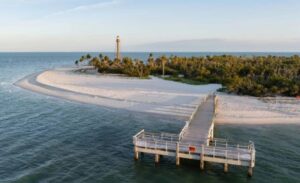
Boca Grande, a premier 2.2-square-mile barrier island, presents a unique jurisdictional challenge. While the northern portion resides within Charlotte County, the southern two-thirds home to the historic village, core business district, and primary public beaches falls under Lee County jurisdiction.
The Ordinance: Rules and Repercussions
The friction stems from a Lee County ordinance adopted last August, designed to address mounting congestion and safety concerns. The current Boca Grande parking restrictions include several key mandates:
-
Village Time Limits: Unpermitted vehicles are restricted to a three-hour limit in the downtown district.
-
Beach Access Changes: Public on-street parking between First and 19th streets has been eliminated.
-
Permit System: New categories were established for employees, hotel guests, long-term visitors, and service workers to maintain essential operations.
-
Enforcement: Fines for violations range from $200 for overstaying to $500 for obstructing private driveways.
Lee County officials emphasize that these measures were a direct response to a petition signed by 1,200 local residents. Reports of property damage, blocked access for emergency vehicles, and trespassing in private yards necessitated a shift toward stricter controls to preserve the island’s prestigious “village” atmosphere.
Real Estate and Economic Considerations
For the real estate community and local business owners, the impact of these restrictions is multifaceted. While the ordinance aims to protect property values by reducing “over-tourism” and illegal parking in residential zones, some island entrepreneurs have reported a decline in commercial activity.
Charlotte County officials argue that the restrictions disproportionately affect their residents, including disabled veterans who rely on direct access to the Gulf. The dispute highlights a broader regional challenge: managing a significant population surge while maintaining the accessibility that makes Southwest Florida a world-class destination.
Proposed Solutions on the Table
Several potential remedies were discussed during the recent summit to ease the tension:
-
Land Acquisition: A proposal for Lee County to purchase an 8.62-acre parcel to convert into a centralized parking hub.
-
Bridge Pass Privileges: Granting specific parking rights to those who hold valid bridge passes.
-
Seasonal Adjustments: Implementing varying parking rules during peak “season” versus the summer months.
Looking Ahead: Mediation Over Litigation
Despite the lack of an immediate resolution, both counties have opted for continued negotiation over formal legal action. Under the Florida Governmental Conflict Resolution Act, Charlotte County has the standing to pursue litigation; however, a resolution was passed on April 28 to pause conflict proceedings for 180 days.
Lee County is expected to follow suit on May 5, allowing both parties a window to explore “creative” infrastructure solutions. This pause signals a commitment to collaborative planning, ensuring that any final policy supports the long-term sustainability of Boca Grande as a premier residential and recreational haven.
Market Impact Summary
| Metric | Detail |
| Downtown Parking Limit | 3 Hours (without permit) |
| Restricted Beach Zone | 1st Street to 19th Street |
| Maximum Potential Fine | $500.00 |
| Negotiation Window | 180-Day Extension |