Categories
Island Update

Lee County Commission Sets Tentative Millage Rates for FY 2024-25

In a recent meeting, the Lee County Board of County Commissioners established the tentative millage rates for the Truth in Millage (TRIM) notice and upcoming budget hearings for the fiscal year 2024-25.

On July 30, the commissioners unanimously voted 4-0 to maintain the current ad valorem maximum millage rate for the countywide General Revenue at 3.7623, reflecting no change from the previous year.

“This decision sets the maximum millage rates for property taxes for the upcoming fiscal year, with adjustments possible in September,” stated Assistant County Manager and Chief Financial Officer Peter Winton.

Winton further emphasized that while these rates may be adjusted downward during the budget process, they cannot be increased.

The approved motion also includes the following proposed non-countywide millage rates:

  • Lee County All Hazards — Unincorporated: 0.0693 (no change)
  • Lee County Library Fund: 0.4714 (no change)
  • Lee County Unincorporated — MSTU (Municipal Services Taxing Unit): 0.8398 (no change)

Additionally, the motion covers the maximum millage rates for various dependent districts — MSTUs, which Winton explained are tax levies agreed upon by neighborhoods for services like lighting, security, landscaping, and more.

Commissioner Brian Hamman was absent from the meeting.

It’s important to note that these millage rates can be reduced during the budget hearings scheduled for September 3 and September 17 at 5:05 p.m., but they cannot be raised.

Categories
Island Update

CVS Pharmacy Reopens Sanibel Store After Hurricane Ian

On August 31, CVS Pharmacy will officially reopen its doors to the Sanibel community, nearly two years after Hurricane Ian’s devastating impact. The store has undergone significant renovations to restore and enhance the facility, which was heavily damaged by the storm.

The newly revamped CVS Pharmacy now features an expanded pharmacy section, a private vaccination area, an improved in-store delivery pickup space, and a modernized layout with updated decor and fixtures.

“We are incredibly grateful for the support our customers and patients have shown us throughout the rebuilding process,” said Store Manager Paul Cross. “We’re thrilled to welcome everyone back to our new and improved Sanibel CVS, and we can’t wait to start serving the community once again.”

CVS Pharmacy continues to offer a wide range of products, from over-the-counter medications to beauty items and healthy food options. The store is also dedicated to providing innovative health solutions that make healthcare more accessible and convenient for patients, customers, and caregivers.

“It’s been a challenging journey, but we are fully prepared to meet our patients’ pharmacy needs,” said Pharmacy Manager Susie McClintock. “Our team is eager to start filling prescriptions, offering trusted health advice, and providing vaccinations just in time for the upcoming cold and flu season.”

Adding a unique touch to the store, local artist Rachel Pierce has created original artwork that captures the natural beauty and wildlife of Sanibel. The artwork is prominently displayed near the entrance, offering visitors a warm and welcoming view.

To celebrate the grand reopening, a community event will be held on September 7 from 10 a.m. to 1 p.m. All are welcome to explore the newly remodeled store and enjoy the festivities.

The store will be open daily from 8 a.m. to 8 p.m. Pharmacy hours are Monday through Friday from 9 a.m. to 6 p.m., Saturday from 10 a.m. to 5 p.m., and Sunday from 11 a.m. to 5 p.m.

CVS Pharmacy is located at 2331 Palm Ridge Road, Sanibel.

Stay tuned for more updates from Sanibel-Captiva News.

Categories
Island Update

Legendary Punk Band Black Flag to Rock The Ranch in Fort Myers

The iconic punk band Black Flag is set to electrify Fort Myers as part of their 2024 “The First Four Years” tour. This highly anticipated concert will take place at The Ranch on Thursday, December 12, and promises to be a monumental event celebrating the band’s early and influential years.

Black Flag, formed in 1976 during the peak of the punk rock movement in Southern California, has been a driving force in shaping the sound of punk, metal, and hardcore music. Known for their raw energy and groundbreaking tracks like “Nervous Breakdown” and “Rise Above,” Black Flag’s influence on the music scene is undeniable.

The concert at The Ranch will be a special tribute to the band’s formative years, though it’s worth noting that Henry Rollins, who became synonymous with Black Flag’s early sound, is no longer part of the lineup. The current band members include founding guitarist Greg Ginn, who continues to lead the group, along with singer Mike Vallely, who joined in 2013, bassist Austin Sears, and drummer Charles Wiley.

The Ranch, a venue traditionally known for country music and line-dancing events, is expanding its horizons by hosting a diverse range of concerts, including this legendary punk band. The venue’s willingness to embrace multiple genres has made it a hotspot for music lovers of all kinds.

This isn’t the only legendary act to hit The Ranch this year. T.S.O.L., another iconic California punk band from the late ’70s, is scheduled to perform on September 12, followed by The Exploited, a Scottish hardcore thrash punk band from the same era, on October 4. Joining Black Flag on December 12 will be The Queers, an American punk band that gained prominence in the ’80s.

For punk rock fans, this lineup is a must-see, offering a rare opportunity to witness some of the genre’s most legendary acts in one place.

Tickets for Black Flag’s performance at The Ranch are available now. Don’t miss your chance to be part of this unforgettable night of punk history in Fort Myers. Grab your tickets here.

Categories
Island Update

CROW’s Taste of the Islands Returns to In-Person Competition for Its 43rd Year

The Clinic for the Rehabilitation of Wildlife (CROW) is excited to announce the return of its beloved event, Taste of the Islands, for its 43rd year on November 9th. After being reimagined in 2020 due to COVID-19 and canceled in 2022 due to Hurricane Ian, this year’s event will once again be held in person from 11 a.m. to 4 p.m. at City Hall, located at 800 Dunlop Road, Sanibel.

“‘Taste is back!’” exclaimed CROW Executive Director Alison Charney Hussey. “We are thrilled to bring this much-loved open-air event back to the islands.”

The event will feature live music and showcase the vibrant and diverse restaurant community of Sanibel and Captiva, offering attendees the opportunity to reconnect and celebrate the resilience of local businesses. In addition, participants can meet CROW’s Animal Ambassadors, get a ‘taste’ of CROW’s mission, and take home a commemorative Taste T-shirt.

In honor of Sanibel’s 50th anniversary, this year’s event will take place at City Hall, adding a fresh atmosphere to the celebration. “We know how much everyone loves the farmers market, so we believe this new venue will provide a refreshed look and feel to Taste,” Hussey added.

In the week leading up to the event, participating restaurants will host a special celebration at their locations from November 1st to 8th, where the public can sample each restaurant’s featured item and cast their votes early. This restaurant week aims to support local eateries while building excitement for the main event.

Edison National Bank/Bank of the Islands proudly returns as the title sponsor for this year’s Taste of the Islands. Geoff Roepstorff, the bank’s Chief Executive Officer, highlighted the importance of the event: “CROW has adapted Taste of the Islands over the past few years, not only to raise funds for their mission but also to support the islands’ many restaurants. The one-day event brings the community together to celebrate fantastic food and drink while supporting CROW’s vital work in saving our wildlife.”

Proceeds from the event will directly support CROW’s mission to provide the highest quality care for injured, sick, and orphaned wildlife, as well as fund public education and outreach initiatives.

Admission to the event is $10 for ages 11 and older, $5 for ages 4 to 10, and free for children 3 and under. Attendees can purchase CROW Bucks to enjoy ‘tastes’ from the participating restaurants.

Tickets are available at tasteoftheislands.org and can also be purchased at the gate. For more information about the event, sponsorship opportunities, or how to become a participating restaurant, contact CROW Development Director Grace Murphy at 239-322-5073 or development@crowclinic.org.

CROW is located at 3883 Sanibel-Captiva Road, Sanibel.

Categories
Island Update

Florida Silver Palm: A Threatened Gem in Florida’s Landscape

The Florida silver palm (Coccothrinax argentata) is recognized as a threatened species within the state, making it a unique and vital part of Florida’s natural heritage. This petite palm is distinguished by its narrow, deeply divided palmate leaves, which hang gracefully around the trunk, creating a skirt-like appearance. One of its most striking features is the silvery sheen on the underside of its fronds, which becomes particularly captivating when the wind catches them, adding a shimmering effect to any landscape.

Although it is smaller compared to the native Florida thatch palm (Thrinax radiata), the Florida silver palm offers significant aesthetic appeal and adaptability. Its slow growth rate makes it an excellent choice for pot cultivation, making it a charming addition to decks, patios, or rock gardens. The palm thrives in the region’s nutrient-poor, high pH soils and is both salt and drought tolerant once established.

In addition to its ornamental value, the Florida silver palm plays a crucial role in the local ecosystem. It serves as a larval host for the monk skipper butterfly, further underscoring its importance in preserving Florida’s biodiversity. Whether planted in the ground or in a container, the Florida silver palm is a resilient and beautiful species that contributes to the natural beauty and ecological health of the region.

Categories
Island Update

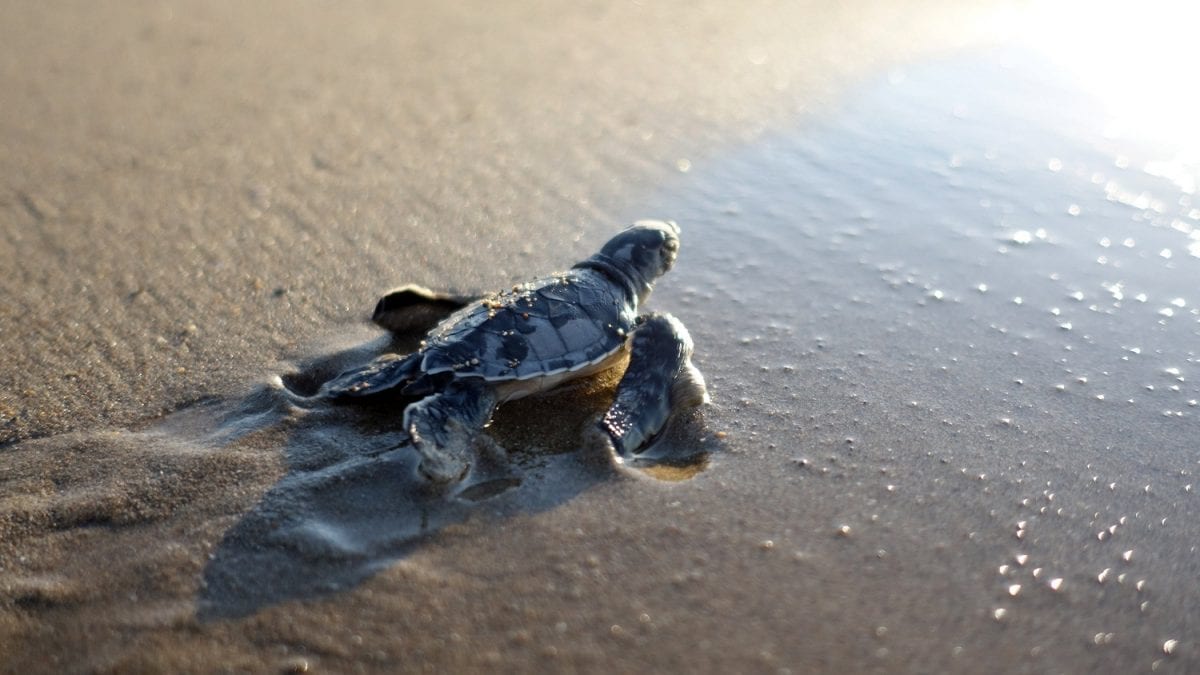
Nearly 14,000 Loggerhead Hatchlings and 835 Nests Recorded This Season

The Sanibel-Captiva Conservation Foundation (SCCF) has announced that as of August 21, the loggerhead sea turtles have laid a total of 835 nests on Sanibel and Captiva this season, with an impressive 13,940 loggerhead hatchlings successfully making their way to the ocean.

Despite the challenges posed by Tropical Storm Debby, which caused some nest losses, several nests managed to survive and produce hatchlings. This season’s totals also include one leatherback nest yielding 40 hatchlings and three green sea turtle nests.

Sea turtle nesting season continues through October 31. If you encounter stranded turtles or notice any issues related to nests, lighting, beach furniture, or holes on the beach, please contact the SCCF Sea Turtle Hotline at 978-728-3663.

Categories
Island Update

SCCF: La Niña’s Arrival Expected Later Than Initially Predicted

La Niña, one of the three phases of the El Niño-Southern Oscillation (ENSO), plays a significant role in influencing global climate patterns. These recurring phases—El Niño, La Niña, and Neutral—impact water temperatures, rainfall, and weather patterns across the tropics. Currently, the ENSO is in a Neutral state.

According to the latest NOAA models, there is now a 66% likelihood that La Niña will develop between September and November, with a 74% chance of it persisting through the winter months of November to January.

“Although La Niña’s later arrival might delay the onset of certain environmental impacts, such as intensified storms due to reduced wind shear, it does not diminish the likelihood that Southwest Florida will experience these effects once La Niña sets in,” said Allie Pecenka, SCCF Policy Associate.

The ongoing warming of waters in the Gulf of Mexico and the Atlantic Ocean further increases the probability of stronger storms, which, when combined with La Niña’s storm-enhancing effects, could lead to an exceptionally active hurricane season.

Beyond the potential for more powerful storms, La Niña is also expected to bring a dry, warmer-than-average winter to the southern U.S., while the northern regions may experience a wetter, colder-than-average winter.

“The continuous collection and analysis of climate, weather, and water quality data by organizations like NOAA and SCCF’s RECON network are crucial in providing the scientific community with the information needed to make accurate predictions for Southwest Florida and its environment,” Pecenka added.

Categories
Island Update

Protect Captiva Updates on Ongoing Legal Efforts to Preserve Building Height and Density Limits

Protect Captiva, continues to actively pursue legal measures to uphold the longstanding building height and density restrictions on Captiva Island. Recently, the group shared updates on their progress across multiple legal fronts.

Ongoing Legal Challenges

“Our legal challenges to the proposed increases in building heights and density on Captiva are advancing through three different legal avenues,” Protect Captiva announced this week.

One of the central issues involves the Captiva Civic Association (CCA) challenging amendments made to Lee County’s Land Development Code. These amendments would allow increased building heights, density, and intensity on Captiva Island and at South Seas Resort, changes that the CCA argues are inconsistent with the Lee Plan. The Lee Plan mandates the county to “enforce development standards that maintain the historic low-density residential development pattern of Captiva” and to “limit development to that which aligns with the island’s historic character.”

A significant development in this challenge was the recent five-day trial before the Florida Division of Administrative Hearings, which concluded on August 23.

“CCA witnesses provided evidence that the historic development pattern on Captiva and South Seas has consistently involved three units per acre for both residential and hotel properties. Buildings typically ranged from one to two stories over parking on Captiva and never exceeded 50 feet in height at South Seas,” Protect Captiva shared. “However, the proposed Code amendments would potentially allow thousands of new hotel rooms at South Seas and could permit buildings exceeding 90 feet in height, as well as a third habitable floor on the rest of Captiva.”

According to the coalition, the county and South Seas Resort found it challenging to counter these facts.

Evacuation Concerns Amidst Development Proposals

Another key point of contention during the trial was the impact of potential new developments on evacuation times in the event of a hurricane.

“A county witness suggested that evacuation clearance times should be based only on data from September, when the population of Captiva and Sanibel is at its lowest,” Protect Captiva reported. “The CCA disagreed, arguing that hurricane season spans from June 1 to November 30, and evacuation plans must account for the worst-case scenarios, not just the lowest population periods.”

The City of Sanibel also played a pivotal role in the proceedings, having been permitted by the judge to intervene in the case despite objections from the county. Protect Captiva noted that Sanibel’s city attorney and police chief provided crucial support during the trial, particularly in addressing the realities of traffic on Periwinkle Way.

The judge has granted the parties 30 days following receipt of the trial transcripts to submit their proposed final orders, after which a final decision will be made.

“Our witnesses presented a compelling case, and our attorneys effectively highlighted the weaknesses in the arguments presented by the county and South Seas,” Protect Captiva shared.

To review the City of Sanibel’s motion to intervene, click on MOTION TO INTERVENE.

Additional Updates from Protect Captiva

  • Circuit Court Action: Circuit Court Judge James Shenko recently denied the county’s motion to dismiss the CCA’s legal action to enforce a 2003 settlement agreement, which caps the density at South Seas Resort at 912 units. Following this, South Seas Resort filed a motion to intervene on the county’s side. Depending on the outcome, the CCA may file a dispositive motion to enforce the agreement, which stipulates that “the total number of dwelling units at South Seas Resorts is limited to 912” and “no building permits may be issued by the county for dwelling units that would exceed this limit.” If the court upholds the agreement, the county will be prohibited from approving any development at South Seas that exceeds this 912-unit cap, a standard that has been in place for over 50 years.
  • Zoning Application Rejection: The county’s Zoning Section in the Department of Community Development has, for the fourth time, rejected South Seas Resort’s revised plan application to build 196 new condominiums and two new hotels totaling 435 rooms. The resort has 30 days to respond before a hearing on the application can be scheduled. Once a hearing is set, the CCA, along with 12 South Seas associations, will oppose the resort’s efforts to increase density and building heights.

To view the CCA’s comment letter on the fourth plan and the county’s insufficiency letter, click on CCA LETTER and COUNTY LETTER.

Categories
Island Update

Discover New Marine Life and Exhibits at the Bailey-Matthews National Shell Museum

The Bailey-Matthews National Shell Museum & Aquarium on Sanibel Island recently unveiled an impressive collection of marine animals with the reopening of its Living Gallery of Aquariums this March. The museum has expanded its exhibits, now showcasing a wide array of new and captivating species alongside its beloved classics.

New Additions to the Living Gallery

Visitors can now marvel at a variety of new species, each offering unique insights into the world of marine life:

  • Flamingo Tongue: This vibrant western Atlantic mollusk, adorned with striking orange and yellow spots, makes its public debut at the museum.
  • Lion Paw: For the first time, the museum is featuring these large, colorful bivalves, highly prized by collectors. The exhibit also includes thorny oysters, adding to the display’s richness.
  • Two-Spot Octopus: Growing up to 2 feet in length, this playful octopus delights visitors as it interacts with toys and other enrichment items in its aquarium.
  • Caribbean Two-Spot Octopus (Bumblebee Octopus): Known for its vivid iridescent spots resembling eyes, this species adds a burst of color to the exhibit.
  • Strawberry Conch: Renowned for its large, highly developed eyes, the strawberry conch can detect objects with remarkable precision, making it a fascinating subject for observation.

“These new additions to the Living Gallery offer visitors a chance to explore the diverse marine life, including stunning cephalopods and shelled animals from Southwest Florida, the Gulf of Mexico, and the Pacific,” said senior aquarist Carly Hulse.

Expanded Exhibits and Interactive Features

Beyond the new species, the museum has enhanced its exhibits with interactive elements that shed light on the biology and behavior of mollusks. Highlights include videos, large touchable shells, detailed dioramas, and a growth series of the rare junonia shell. These additions provide a deeper understanding of mollusk anatomy, growth, feeding habits, and reproduction, as well as showcasing their incredible traits that often baffle scientists.

Daily Keeper Chats and Touch Pool Talks

To enrich the visitor experience, the museum offers daily Keeper Chats at 11 a.m. and 2 p.m., where aquarists share fascinating stories and insights about the marine life on display. Additionally, Touch Pool Talks led by educators are available daily at 3 p.m., providing an opportunity for hands-on learning.

For more details, visit ShellMuseum.org.

The Bailey-Matthews National Shell Museum is located at 3075 Sanibel-Captiva Road, Sanibel.

Categories
Island Update

Help Protect Florida’s Horseshoe Crabs: Report Your Sightings

Florida’s beaches are home to a variety of unique wildlife, including the ancient horseshoe crab. If you’ve ever strolled along the shoreline during high tide, you might have encountered these fascinating creatures or perhaps found one of their molts left behind on the sand.

Horseshoe Crabs: A Species of Special Concern

The Sanibel-Captiva Conservation Foundation (SCCF) highlights the significance of horseshoe crabs along Florida’s Gulf Coast. Despite their importance, these creatures lack adequate protection from harvesting, leaving them vulnerable to numerous threats.

Why Horseshoe Crabs Matter

Horseshoe crabs play a critical role in the ecosystem, particularly as a food source for migratory shorebirds like the red knot. This bird, which has one of the longest migration routes of any species, relies heavily on horseshoe crab eggs during its journey.

“Red knots travel thousands of miles between their breeding grounds in the Arctic and their wintering areas in South America twice a year,” explains Riona Lahey, SCCF shorebird intern. “These migrations are energy-intensive, making the availability of horseshoe crab eggs crucial for the survival of these birds.”

In the 1900s, overharvesting of horseshoe crabs in the northeastern U.S. led to a rapid decline in red knot populations. This prompted conservation measures to protect both the crabs and the birds that depend on them. While the Atlantic States Marine Fisheries Commission (ASMFC) regulates horseshoe crab harvesting along the East Coast, the Gulf Coast populations remain unprotected, making them a priority for conservation efforts.

Beyond Birds: Horseshoe Crabs and Human Health

Horseshoe crabs also have significant benefits for humans. Their blue blood contains limulus amoebocyte lysate (LAL), a substance used to detect bacterial contamination in medical products. This ensures the safety of pharmaceuticals, vaccines, and implants. Biomedical companies require permits to collect horseshoe crab blood, and regulations mandate that the crabs be released after collection. However, there are ongoing efforts to develop synthetic alternatives to reduce the reliance on these animals.

Threats to Horseshoe Crabs in Florida

Horseshoe crab populations in Florida face several challenges, including habitat loss due to development and shoreline armoring, as well as threats from the aquarium trade, beach driving, sea-level rise, and erosion.

Understanding Horseshoe Crabs

Despite their name, horseshoe crabs are not true crabs or even crustaceans. They are arthropods, closely related to spiders and other arachnids, belonging to the Limulidae family.

Horseshoe crabs have been around for at least 445 million years, making them one of the oldest species on Earth. Limulus polyphemus, the species found in Florida, is one of only four species of horseshoe crabs worldwide. The other three are found in Asia.

Before reaching maturity at 9-10 years old, horseshoe crabs molt their shells multiple times. You can identify a molted shell by the slit along the front where the crab exited.

Join the Effort: Community Science and Spawning Seasons

In Florida, horseshoe crabs can nest year-round, with peak spawning in the spring and fall during high tides at full and new moons. Spawning occurs in pairs or groups, with females laying thousands of eggs in the sand that males then fertilize.

The SCCF’s shorebird team has been monitoring horseshoe crab spawning activity throughout the summer. To gear up for the fall nesting season, they will attend a public training session on August 30 with the Florida Horseshoe Crab Watch (FHSCW). Anyone interested in contributing to the conservation of these ancient creatures can sign up for the training here.

The FHSCW is a collaborative initiative between the Florida Fish and Wildlife Conservation Commission (FWC) and the University of Florida. It aims to gather data on horseshoe crab populations through community science, where trained volunteers help biologists with surveys, tagging, and tracking the crabs.

“This work is vital for understanding and protecting our unique Gulf Coast horseshoe crabs,” says Lahey.

Report Your Sightings

If you spot a horseshoe crab, you can contribute to conservation efforts by reporting your sighting here. Your participation is crucial in helping protect these incredible creatures and the ecosystems that depend on them.