Categories
SWFL Update

Collier County Approves $5 Million Boost to Tourism Marketing Amid Debate

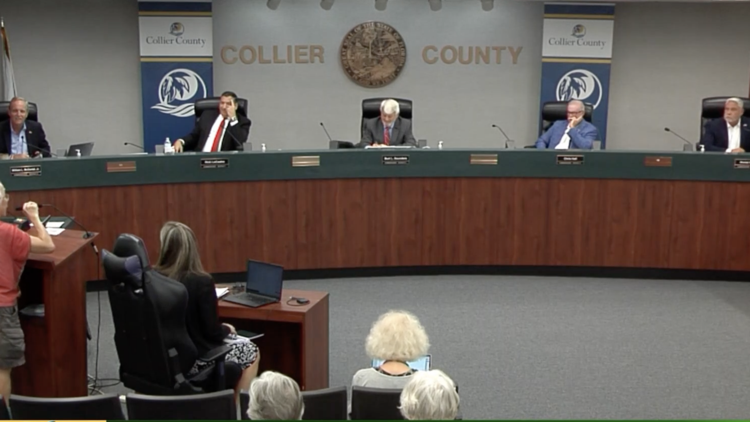
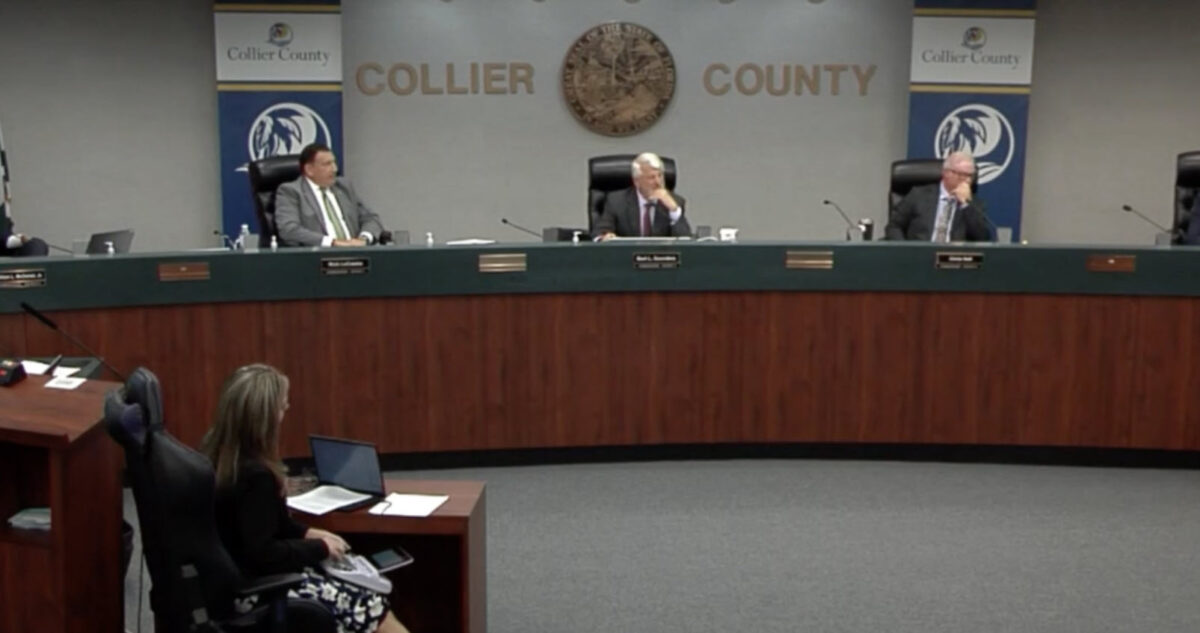
Collier County is doubling down on tourism promotion as visitor numbers soften. On September 23, commissioners voted 4–1 to approve an additional $5 million in advertising, raising the total tourism budget to $11 million for the 2025–26 fiscal year. The funds will come from the Tourist Development Tax, a levy collected on overnight stays, rather than county property taxes.

Why the Increase?

Tourism Director Jay Tusa, of the Naples, Marco Island, Everglades Convention and Visitors Bureau, explained that Collier’s base marketing budget has hovered around $6 million since 2019. Supplemental dollars were added last year after hurricanes, and he believes another boost is necessary now to keep pace with shifting market conditions.

More than 1,000 hotel rooms have opened in recent years, with another 600 expected this year. Domestic travel is up 3%, but international visitation—especially from Canada—has dropped by double digits. According to Tusa, Collier has lost around 100,000 international visitors in 2025 alone, a decline tied to global economic and geopolitical factors. “A second round of supplemental investment will help Collier County remain competitive, protect market share and build on the success of the initial round,” he told commissioners.

Opposition from the Tourism Council Chair

The lone dissenting vote came from Commissioner Chris Hall, who also chairs the Tourist Development Council. Hall argued that while the first $5 million supplement was justified to reassure visitors after storms, another round of spending now may not be necessary. “If we have it, let’s spend it when we need it,” Hall said, noting that filling hotel rooms is a market-driven challenge rather than a county responsibility.

Commissioner Bill McDaniel Jr. added that he wanted clearer evidence that advertising dollars deliver measurable returns, calling past reporting “nebulous at best.”

Defending the ROI

Marketing partners pushed back on those concerns. Barbara Karasek, co-owner of Paradise Advertising, reported that last year’s $5 million digital campaign delivered a 14-to-1 return by tracking visitors who physically arrived in Collier through mobile and credit card data. “It’s very, very targeted,” Karasek explained.

Industry representatives, including the Florida Restaurant and Lodging Association and executives from local resorts, also spoke in favor of the funding. They stressed that Collier competes with destinations across Florida and beyond, and that county leadership must actively help attract conventions, events, and international visitors.

The Bigger Picture

Tourism remains Collier County’s largest industry, generating more than $2.8 billion annually and supporting nearly 29,000 jobs. The additional funding, supporters argue, is essential to safeguarding that economic impact during uncertain times.

Still, the debate revealed a deeper tension: whether tourism marketing should be treated as a supplemental expense or a permanent investment. Sharon Lockwood, area general manager of the JW Marriott Marco Island, urged commissioners to integrate the $5 million into the base budget moving forward. “I don’t want to call it supplemental anymore,” she said. “I just think it should be our marketing budget.”
Categories
SWFL Update

Crowther Roofing Expands Fort Myers Campus with $2.9M Acquisition

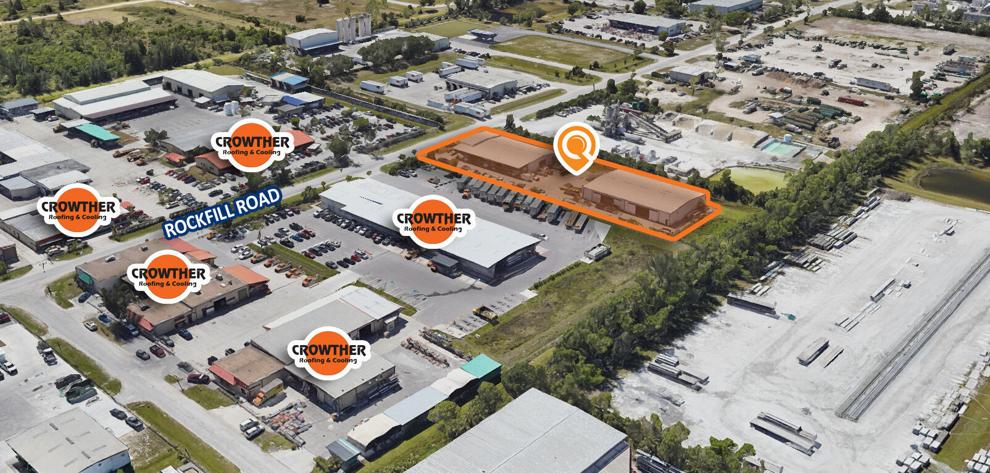
Crowther Roofing & Cooling has expanded its Fort Myers footprint with the purchase of two industrial buildings at 2574 Rockfill Road. The $2.9 million acquisition adds 30,000 square feet of space on 1.25 acres, further supporting the company’s roofing, cooling, and sheet metal operations.

The new site neighbors five existing Crowther facilities, which already house divisions for mechanical services, electrical, and residential and commercial service. This purchase marks another milestone in the company’s 60-year presence in Southwest Florida.

The transaction was represented by Bruce Micciche, CCIM, of LQ Commercial. He noted that the competitive industrial real estate market in the region required swift negotiations to secure the property.

The deal underscores both the tight industrial market in Southwest Florida and Crowther’s ongoing growth and investment in the region.

Categories
SWFL Update

Cape Coral Adopts $1.44 Billion Budget with Rolled-Back Tax Rate

The Cape Coral City Council has approved a $1.44 billion budget for the fiscal year beginning October 1, representing a 26% increase over last year’s spending plan.

The largest growth comes from the Enterprise Fund, which rose from $385.7 million to $742.7 million. This reflects major investments in utility and irrigation infrastructure to support the city’s rapid growth. Hiring additional personnel for fire, police, and code enforcement also makes up a significant portion of the new budget.

At the same time, the council voted to lower the property tax rate slightly to 5.1471 mills, or about $5.15 per $1,000 of assessed value. Thanks to rising property values, the rolled-back rate will generate roughly the same ad valorem revenue as last year. Council also established a 0.1608 millage rate dedicated to debt service.

The new budget balances growth-related infrastructure needs with stable tax revenues as Cape Coral continues to expand.

Categories
SWFL Update

Punta Gorda Approves $203M Budget Amid Water Rate Concerns

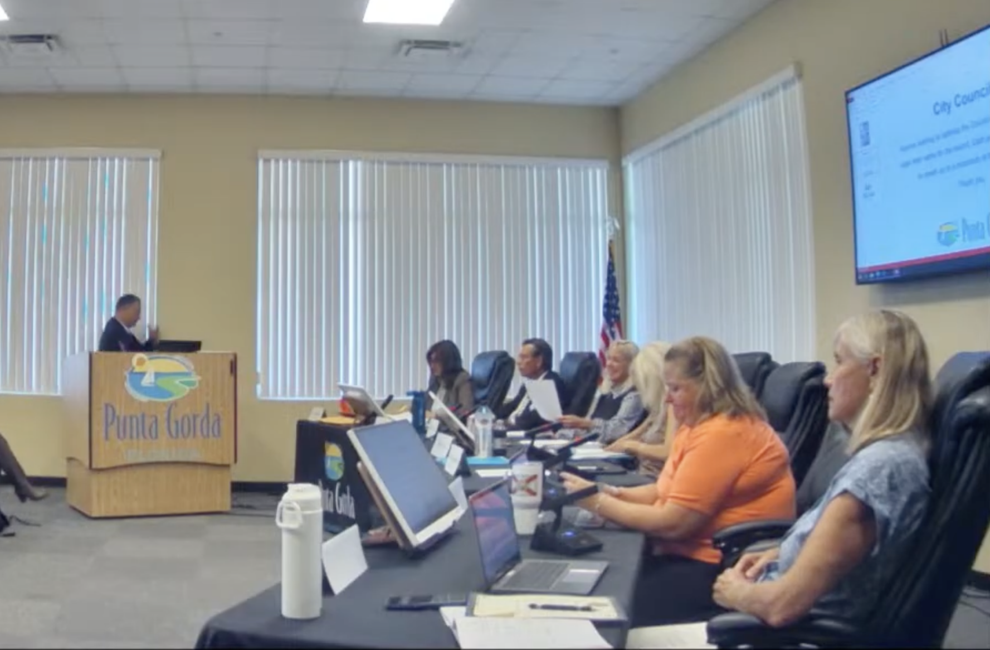
The Punta Gorda City Council approved a $203.6 million budget for the 2025–26 fiscal year on September 24, keeping the property tax rate steady at 3.8686 mills. While the budget passed unanimously and without debate, residents voiced strong concerns over recently approved utility rate increases.

Many, including retirees on fixed incomes, said rising water bills could be devastating. “The rates are going up so fast, we can’t afford them,” said Glen Coombs, a Punta Gorda Isles resident, who also criticized unchecked development as a driver of higher costs.

Council members acknowledged the burden but stressed that infrastructure upgrades cannot be delayed. Utilities Director Tom Spencer reminded officials of this year’s boil water notice and warned that without improvements, such advisories could become frequent. Punta Gorda has already exceeded its projected water use for 2030, reaching 9.5 million gallons per day in 2022.

To meet demand, the city is:

  • Expanding its reverse osmosis plant

  • Adding wells and water treatment capacity

  • Rehabbing the Shell Creek facility

  • Replacing water meters

By 2026, the typical residential customer will pay about $11.20 more per month. City officials are also pursuing state and federal grants to help reduce the impact.

Beyond utilities, the budget funds 16 new positions across Public Works, Public Safety, and the City Clerk’s office, along with technology upgrades, road paving, drainage projects, and emergency equipment replacements.

While property tax rates remain stable for now, officials warned of potential challenges ahead. Falling home values could lower revenue in the coming year.

For full budget details and utility project updates, visit the City of Punta Gorda’s official website.

Categories
SWFL Update

Fed’s First Rate Cut of the Year: Your Guide to Credit Cards and Mortgages

The Federal Reserve has cut interest rates for the first time this year, a move that could affect your finances. The Fed’s rate-setting committee, the Federal Open Market Committee (FOMC), lowered its target for the federal funds rate by 0.25%, a decision that was widely expected due to signs of a slowing economy.

Why the Fed Cut Rates

The Fed’s decision to lower rates was driven by a desire to balance two key economic goals: controlling inflation and maximizing employment. While inflation has been ticking up slightly, the FOMC observed that economic activity and hiring are slowing down. This shift in conditions prompted the Fed to act, with some officials suggesting there could be two more rate cuts later this year. The next FOMC meetings are scheduled for October and December.

Impact on Mortgages and Credit Cards

The rate cut’s effects on consumer loans vary:

  • Mortgage Rates: The Fed’s action doesn’t directly change mortgage rates. Mortgage rates are more closely tied to the bond market, specifically 10-year Treasury bonds. While the prospect of a rate cut did cause mortgage rates to drop recently, the actual impact depends on how the bond market reacts to the Fed’s announcement.
  • Credit Card Rates: Credit card interest rates, however, tend to follow the federal funds rate. This means that a 0.25% cut could lead to a similar reduction in the interest rate you pay on your credit card debt. However, other factors like inflation and credit demand can also influence these rates.

Click here for the entire article

Categories
SWFL Update

Bonita Springs and Developer Reach Agreement on Condo Project

Bonita Springs and Sagamore Management Co. have reached a compromise on the proposed condo development at the northeast corner of Matheson Avenue and Dean Street. The agreement, achieved through mediation, was unanimously approved by the City Council on Sept. 17, with a final public hearing scheduled for Oct. 15.

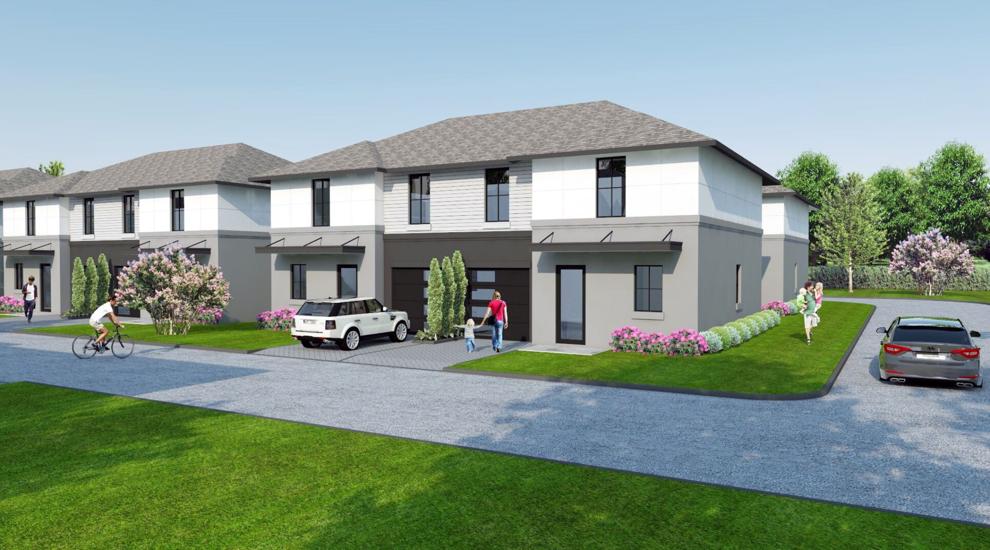
As part of the agreement, Sagamore has agreed to reduce the project’s density from 48 units to 42 and widen driveways to 24 feet for each building. The updated plan also includes designated space for both vehicles and garbage/recycling bins in each garage. Units along Dean Street will feature front-facing facades, and a southern sidewalk connection to Matheson Avenue will be added.

The amenity area will exclude racket sports, and landscaping buffers of 7 feet, 5 inches will be placed along the north and east property lines. Additionally, the possibility of relocating the Matheson Avenue access during the development order process remains open.

This compromise follows a 4-3 City Council vote against the original proposal in April, which aimed to build 24 duplexes on 4.6 acres. Concerns about density played a key role in the earlier opposition, despite the proposal meeting the city’s maximum density limit.

Richard Forman, president of Sagamore Management Co., has previously argued that the city needs more workforce housing and that the higher number of units was necessary for the project to be financially viable. However, most neighbors who spoke at previous meetings were opposed to the higher unit count.

Categories
SWFL Update

Collier County Commission Maintains Millage Rate, Funds $2.2B Budget

In a 3-2 vote, the Collier County Commission has decided to keep the current millage rate for fiscal year 2026, resulting in a potential 3% increase in tax collections due to rising property values. This decision enables the county to fully fund its $2.2 billion budget for the upcoming fiscal year, which starts October 1.

The budget will address long-delayed infrastructure maintenance, with $25 million set aside to create a fund aimed at replacing aging infrastructure. County Manager Amy Patterson emphasized the urgent need for repairs, noting that 5 million square feet of county buildings, including the nearly 50-year-old Collier County Government Center, are aging and in need of attention. Estimated costs to rebuild key facilities, like the David Lawrence Center and the county forensics building, could reach around $75 million each. Stormwater treatment improvements are also a priority, with a total estimated cost of $300 million.

For the past two years, commissioners had rolled back property tax revenue to match the previous year’s collections, but this approach has come at a cost. Commissioner Burt Saunders pointed out that keeping taxes flat would hinder the county’s ability to maintain quality services, such as park upkeep, beach maintenance, and median beautification, all of which contribute to the region’s high quality of life.

Commissioner Rick LoCastro noted that while rising property values are good for homeowners, they also contribute to increased tax burdens. He reminded residents that they can’t expect both rising home values and lower taxes.

A proposal for a midpoint tax increase was suggested by Commissioner Dan Kowal, but it was not supported by the majority. Commissioner Chris Hall proposed using $25 million from the Conservation Collier fund to offset the tax increase, but this plan was met with resistance. Voters have twice approved taxes for the Conservation Collier program, which funds land acquisitions to protect wildlife habitats and prevent urban sprawl.

The arts organizations grants recommended by the Tourism Development Council were preserved, and the Vanderbilt and East Naples libraries, which were rumored to face cuts, were spared for the coming year.

Categories
SWFL Update

Cape Coral Council Faces Critical Mobility Fee Decision on Sept. 25

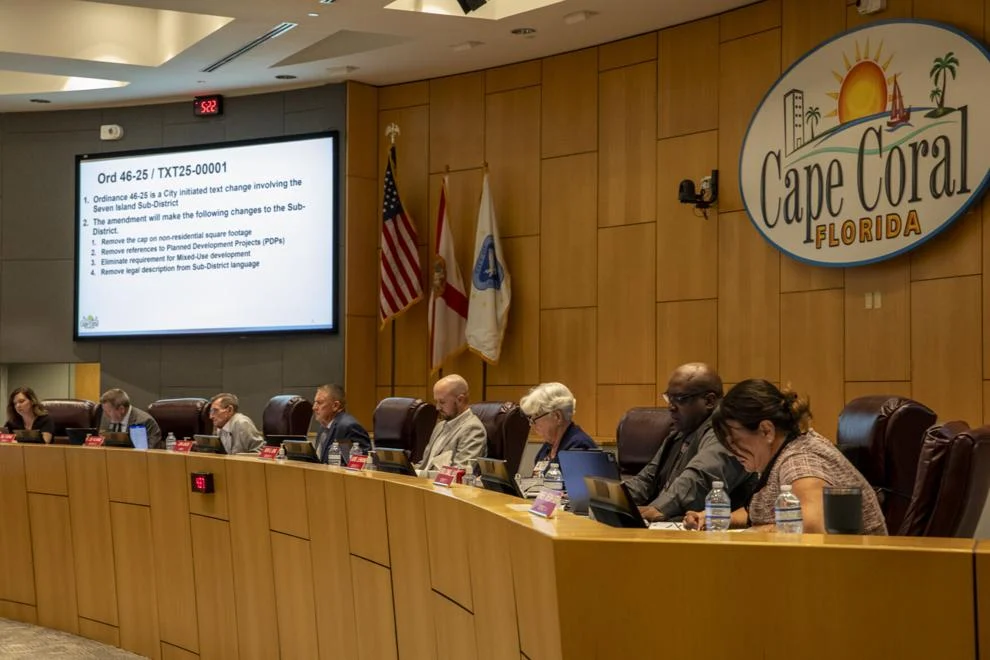
Cape Coral officials are gearing up for a key decision on Sept. 25 regarding the city’s mobility fee structure. Council members agree that fees should be increased, but they are at a crossroads, faced with choosing between two different proposals.

One option suggests a 12.5% annual increase in fees over the next four years, capped at a 50% maximum increase. While three council members support this plan, five others argue that the increase won’t generate enough revenue to cover rising infrastructure costs, leaving current residents to bear the burden.

The second option mirrors the first for the first four years, but with the flexibility for future councils to raise fees beyond 12.5% to better match increasing costs. This option allows for adjustments after the four-year period, making it more adaptable to future growth.

The final decision may hinge on a single vote. If the second option is adopted, the council will need to declare “extraordinary circumstances” under state law, which requires at least six of eight council members to approve the plan, a higher threshold than a simple majority.

Council members Keith Long, Steinke, Kilraine, Derrick Donnell, and Rachel Kaduk have shown support for the second option, while Mayor John Gunter and council members Laurie Lehmann and Jennifer Nelson-Lastra favor the first.

Despite his firm stance, Gunter emphasized his reluctance to change his position, while Lehmann and Nelson-Lastra have expressed interest in having city staff review the second option further. They want clearer details on how the second option would meet infrastructure needs, with Nelson-Lastra calling the proposal “still very ambiguous.”

If the second option passes, the mobility fees will gradually increase, but future councils would have more flexibility in adjusting rates to better match long-term infrastructure costs.

As a third option, the council could choose to keep the existing impact fees, which have remained unchanged for nearly two decades.

Council member Kaduk reflected on the weight of the decision, saying, “This is definitely the hardest vote I’ve ever had.”

The council will convene at 3 p.m. on Sept. 25 to cast their votes and make a final decision on which route to take.

Categories
Island Update SWFL Update

The Music Begins! Island Hopper Songwriter Fest Kicks Off on Captiva Island Today

The Island Hopper Songwriter Fest is one of America’s most beloved live music festivals, featuring over 60 free performances by some of Broadcast Music, Inc.’s (BMI) best singer-songwriters. The event will feature multi-platinum global entertainer Chris Young and the popular duo LOCASH. Attendees can hop from one beautiful setting to another throughout the islands, beaches, and neighborhoods of Fort Myers, Florida, enjoying intimate shows where talented performers not only share their songs but also the stories behind them. From acoustic to folk, alt rock, and special showcase performances, and so much more, this is one of the music industry’s most exciting events.

The festival, ranked the top music festival in the 2024 USA Today 10Best Readers’ Choice Awards, will take place from September 19 to September 28, 2025.

Dates and Locations:

  • ALL
    • Sept 19 – Sept 28, 2025
  • Captiva Island
    • Sept 19 – Sept 21, 2025
  • Cape Coral
    • Sept 22 – Sept 23, 2025
  • Downtown Fort Myers
    • Sept 24 – Sept 25, 2025
  • Fort Myers Beach
    • Sept 26 – Sept 28, 2025

To make the most of the event, attendees are encouraged to download the app for everything they need to know at their fingertips.

For more information and to help plan your visit, check out the Top 10 Reasons to Visit for the 2025 Island Hopper Songwriter Fest.

Click here for more info

Categories
SWFL Update

Signature Aviation Secures Lease at RSW, Raising Concerns Over Fairness of Process

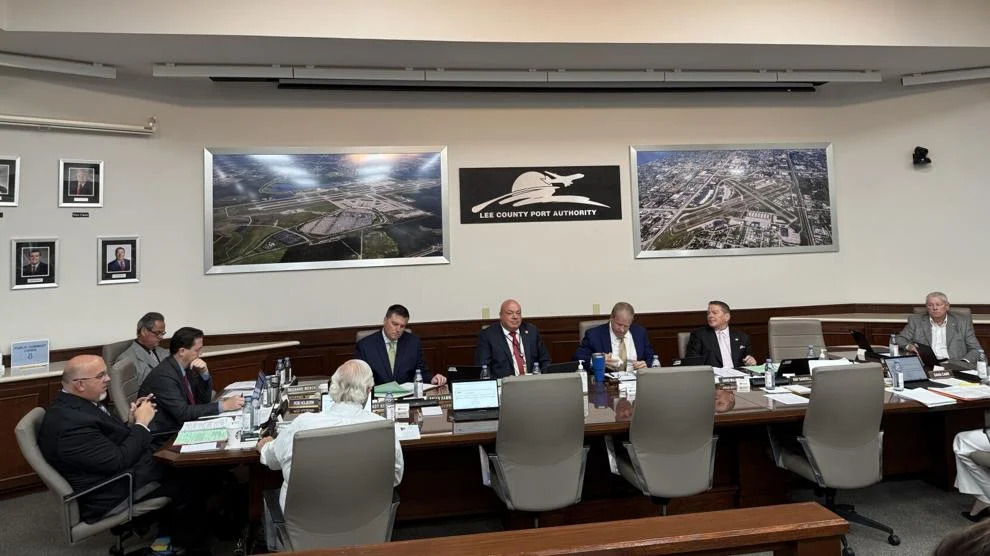
Signature Aviation has secured a multimillion-dollar lease for 27 acres at Southwest Florida International Airport (RSW), but the deal has raised eyebrows in the aviation industry. The lease, approved by Lee County Port Authority commissioners on September 4, involves a parcel of land different from the one originally advertised, sparking concerns among rival firms and legal experts about the fairness of the process.

The lease was awarded to Signature Aviation, the world’s largest Fixed-Based Operator (FBO) with over 200 locations, owned by major firms like Cascade Investments and The Blackstone Group. The land awarded to Signature is on the north side of RSW but differs in location from the land that was initially put out for bid in May 2024. The initial Request for Proposal (RFP) was issued for adjacent land with different boundaries, but the Port Authority changed the site during negotiations.

Rival company Atlantic Aviation, which finished second in the bidding process, has voiced concerns about being excluded from the new site. In a statement, Chief Development Officer Clive Lowe of Atlantic Aviation expressed surprise at the change in location and the lack of an opportunity to bid on the new site. “We would expect to be invited to resubmit a proposal if the site location was changed,” Lowe said.

The Port Authority has explained the change, saying that the new site was better positioned to attract future aviation businesses and avoid disrupting FAA equipment. “By shifting the site, LCPA would also not disrupt FAA equipment, including the wind cone, segmented circle, and automated surface observing system,” said Vicki Moreland, the Port Authority’s Chief Communications Officer.

Despite this justification, some argue the shift in land boundaries benefitted only Signature Aviation. Paul Thanasides, attorney for rival company Private Sky, believes the changes to the site undermine the bidding process and argue it resulted in an unfair advantage for Signature Aviation. “It feels extremely unfair to Private Sky … to not have bid on the actual lease that was offered to Signature,” said Thanasides.

Private Sky, the only FBO at RSW for the last 25 years, is also embroiled in legal disputes, filing lawsuits against both the Port Authority and Signature Aviation. Private Sky claims that Signature misled them into making financial disclosures that could be used to harm their business.

While some commissioners, like Cecil Pendergrass, urged caution and suggested deferring the vote until the legal matters were resolved, others, including Commissioners Brian Hamman, David Mulicka, and Kevin Ruane, voted in favor of moving forward. They emphasized the importance of keeping the process competitive, especially to comply with Federal Aviation Administration (FAA) guidelines. “If we don’t accept this today, we might run afoul of the FAA,” said Hamman, noting the potential impact on future FAA grants.

Despite the controversy, Signature Aviation is moving forward with plans to invest $27 million in building new facilities at RSW, surpassing the minimum $15 million investment required in the original RFP. The FAA had reportedly advised that RSW could face complications in future funding if a second FBO was not in place.

As the legal battles continue, it remains unclear whether other aviation firms will get the chance to compete for the newly leased land. Legal experts suggest Atlantic Aviation could file a protest to challenge the decision, while some argue that the Port Authority’s actions could lead to further legal scrutiny.

The case highlights the complexities of land leases at airports and the importance of transparency in government procurement processes. With a second FBO now set to join the field at RSW, the next chapter in this ongoing dispute will likely shape the future of aviation services at the airport.