Many residents are surprised to learn that a lack of fire can be just as damaging to Sanibel as an out-of-control wildfire. SCCF Wildlife & Habitat Management Director Chris Lechowicz notes that native wildlife diversity decreases significantly when fire is absent.
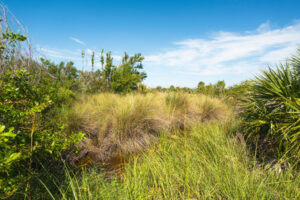
When we prevent natural or prescribed burns, open-canopy plant communities are overtaken by dense hardwood tropical hammocks. This “habitat succession” pushes out species that depend on salt-tolerant grasses and open spaces.
The Gopher Tortoise: Sanibel’s Underground Architect
One of the most fascinating ways the island survives fire is through its keystone species: the gopher tortoise.
-
Natural Bunkers: Their deep burrows provide a thermal sanctuary not just for the tortoises, but for hundreds of other species escaping the heat of a fire.
-
Keystone Impact: By managing the land to support tortoises, conservation groups ensure that the entire ecosystem has a “safety room” during a burn event.
How to Be Firewise on Sanibel Island: Homeowner Essentials
As development has increased, the ability for conservationists to conduct controlled burns has become more limited. Proximity to homes makes burning risky, which leads to a buildup of “dead fuel” (dried vegetation). This makes it even more critical for you to take Firewise on Sanibel Island precautions around your own property.
Creating a Defensible Space
The goal is to create a buffer that slows the spread of fire and gives emergency crews a chance to protect your structure.
-
The 30-Foot Rule: Keep fire-adapted, highly flammable plants at least 30 feet away from your home.
-
Plant Selection: Opt for high-moisture, low-flammability native plants near your foundation.
-
Maintenance: Regularly clear dead palm fronds, dried brush, and leaf litter from your roof, gutters, and the area immediately surrounding your home.
Expert Tip: Controlled burns on Sanibel typically occur between May and July, just as the dry season ends. This timing mimics the natural lightning-strike fire regime of the island.
Current Alerts: Navigating the Burn Ban
It is vital to stay informed about the drought index and current restrictions. As of April 2026, a burn ban is in effect for Lee County and over half of the state of Florida.
What the ban covers:
-
Prescribed Fires: All controlled conservation burns are currently halted.
-
Pile Burns: Yard waste fires are strictly prohibited.
-
Campfires: Any open flame in the island interior poses a severe risk during high drought periods.
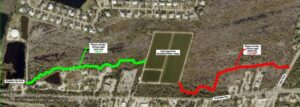
The Florida Department of Agriculture and Consumer Services monitors these conditions daily. On Sanibel, fire management typically focuses on the corridor from the C.R. Johnston Preserve on Casa Ybel to Legion Curve on Sanibel-Captiva Road.
Stay Informed and Stay Safe
Being Firewise on Sanibel Island means being an active member of the community. Because conditions change rapidly during the transition from the dry season to the rainy season, we encourage all our clients and neighbors to sign up for official alerts.
-
City Announcements: Visit mysanibel.com to receive real-time notifications about upcoming prescribed burns or emergency wildfire alerts.
-
SCCF Updates: Follow the SCCF website for insights into how land management is protecting the island’s interior.
At the LeAneSUAREZGroup, we love the wild, untamed beauty of Sanibel’s interior. By following “Firewise” principles, you aren’t just protecting your home—you’re helping to preserve the delicate balance that makes our “Sanctuary Island” so special.