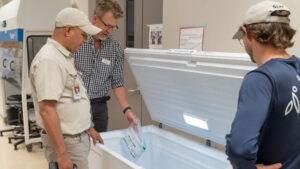
A historic defense mechanism safeguarding Southwest Florida’s vulnerable ecosystem has officially cleared a monumental operational threshold. Scientists leading research initiatives at the Naples Botanical Garden conservation seed bank confirmed they have surpassed 1 million distinct seeds securely locked within their specialized repository.
This major ecological milestone establishes a critical genetic safety net for the region’s native flora. By maintaining a high-capacity, climate-controlled vault, the botanical institution acts as a living insurance policy against extinction. The facility preserves essential biological blueprints that can be immediately deployed to reconstruct devastated coastal habitats following catastrophic environmental disruptions like hurricanes, extreme floods, and lightning-staged wildfires.
Mapping the Diversity of the Genetic Vault
The organizational layout within the Naples Botanical Garden conservation seed bank focuses on capturing a representative snapshot of native regional flora. The repository contains seeds from 166 distinct plant species, accounting for roughly 15% of the total documented flora found naturally throughout Collier County.
The symbolic one-millionth seed added to the security vault was harvested from the woolly lupine, a highly rare, striking native wildflower that grows exclusively along the elevated, ancient sand ridges of the peninsula. Beyond this milestone wildflower, the collection contains several other highly imperiled, scannable botanical assets:
-
Beach-Elder (Iva imbricata): A critical coastal dune stabilizer that anchors shifting sands, protecting upland real estate blocks from severe tropical storm surge erosion.
-
Florida Scrub Frostweed (Crocanthemum nashii): A rare, fire-dependent perennial herb that thrives exclusively within endangered, high-elevation white sand scrub pockets.
-
Twospike Crabgrass (Digitaria pauciflora): A critically imperiled grass variant native to specialized pine rockland openings, facing immediate threats from rapid suburban development.
A Crucial Buffer Against Climate Shifts and Habitat Loss
The primary motivation behind accelerating the Naples Botanical Garden conservation seed bank operations is the rising threat of habitat fragmentation. As real estate development continues to expand across inland acreage, native plant populations are increasingly isolated into smaller, vulnerable micro-climates.
When these shrinking natural clusters are hit by rising sea levels near the Gulf, or face extended inland droughts, their natural capacity to regenerate diminishes. The seed bank addresses this vulnerability by cataloging seeds from diverse geographic populations. This approach ensures that future reintroduction projects possess the necessary genetic diversity to withstand shifting weather parameters and novel plant diseases.
To see how these botanical preservation efforts align with broader coastal conservation and park modernizations currently underway across the region, you can review our comprehensive report on the $13.4 million Lee County beach restoration projects to stay updated on public land and ecosystem investments.
Conservation Repository Data Summary
Scientific Staging Notice: To ensure seeds remain viable for decades, laboratory teams utilize specialized desiccation chambers to reduce internal seed moisture content below 7% before freezing the samples at a strict -20°C baseline.
| Conservation Metric | Institutional Status | Regional Ecosystem Impact |
| Total Stored Seed Volume | Exceeded 1,000,000 Seeds | Ensures long-term restoration capacity after natural disasters. |
| Species Diversity Count | 166 Independent Species | Represents approximately 15% of all native Collier County flora. |
| Featured Milestone Asset | Woolly Lupine (Lupinus villosus) | Preserves a rare native wildflower specialized for sand ridge survival. |
| Primary Project Objective | Climate & Development Mitigation | Safeguards imperiled species from rising sea levels and urban growth. |
For direct digital access to the complete native species catalog, interactive regional habitat distribution maps, or to register for upcoming conservation volunteer workshops, community members can review data summaries directly via the Official Naples Botanical Garden Research Portal.