As the cooler autumn temperatures finally reach the Gulf coast, local waterways are experiencing a massive seasonal marine migration in honor of Florida Manatee Awareness Month. Every November, the Florida Fish and Wildlife Conservation Commission (FWC) issues critical updates and reminders for both permanent residents and seasonal visitors across Southwest Florida to protect these gentle marine mammals. With thousands of recreational boats and personal watercraft hitting the waters of Lee, Collier, and Charlotte counties, maintaining a safe, navigable environment for migrating manatees is a top priority for local marine enforcement.
The Importance of Florida Manatee Awareness Month Along the Gulf
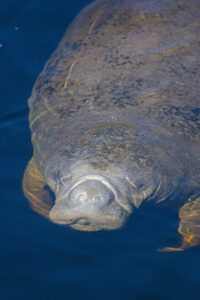
The establishment of Florida Manatee Awareness Month is directly tied to the biological survival instincts of these massive marine mammals. When the local water temperatures along the coast inevitably drop below 68 degrees Fahrenheit, manatees must urgently seek out warmer environments to prevent fatal cold stress. Throughout Southwest Florida, this means manatees begin leaving the open waters and retreating into inland sanctuaries, natural springs, and specifically targeted power plant discharge areas such as the beloved warm water refuges found along the Caloosahatchee and Orange Rivers.
Ashley LaVere, the FWC’s Manatee Management Program Coordinator, highlighted the increased intersection between human recreation and this critical migration. “Manatees rely on warm water sites to survive the winter, seeking refuge at Florida’s springs, power plant discharge areas and other warm water sites when water temperatures drop below 68 degrees Fahrenheit,” LaVere stated. “Boaters and personal watercraft users may be more likely to encounter manatees as they make their way to their winter habitats, so awareness of how to keep manatees safe while on the water is key.”
Essential Boating Strategies and Protection Zones
Because adult manatees are remarkably well-camouflaged in the murky coastal estuaries, they can be exceptionally challenging to spot until a vessel is dangerously close. To prevent devastating boat strikes—which remain one of the primary threats to the species’ survival—the FWC recommends adopting strict observational protocols whenever navigating local bays and backwaters.
When heading out on a boat or personal watercraft, captains should always implement the following best practices:
-
Designate a Dedicated Spotter: Assign at least one passenger the sole responsibility of scanning the water for marine life.
-
Look for Physical Indicators: Watch closely for snouts, broad backs, tails, or pectoral flippers briefly breaking the water’s surface.
-
Identify Manatee “Footprints”: Large, smooth, circular water ripples on the surface often indicate a massive manatee swimming just below the hull.
-
Optimize Vision: Always wear polarized sunglasses to cut through the intense solar glare and see deeper into the water column.
Additionally, boaters must rigorously adhere to all posted manatee protection zones. These clearly marked waterway areas legally require vessel operators to significantly reduce their speed or avoid the corridor entirely. FWC law enforcement officers actively patrol state waters to enforce compliance. For a comprehensive look at local speed restrictions, boaters can review official, interactive maps directly through the FWC Protection Zones Portal.
Respectful Winter Viewing Guidelines
While observing manatees in their natural habitat is a major driver of ecotourism and regional economic activity in Southwest Florida, it must be done responsibly. It is strictly illegal to harass, feed, disturb, or harm a manatee under state and federal protections.
When visiting a warm water site this winter, visitors should always bring binoculars to maintain a safe, respectful distance and mind their “manatee manners.” Disturbing these animals, even unintentionally, can frighten them into fleeing their protected sanctuaries and swimming back out into life-threatening cold water. For comprehensive tips on respectful observation, residents can access educational resources through the FWC Manatee Management Page.
If a boater or kayaker encounters a sick, injured, distressed, or deceased manatee, they should never attempt to physically handle or rescue the massive animal themselves, as this can cause further harm to the animal or trigger severe human injury. Instead, immediately report the sighting to the FWC’s Wildlife Alert Hotline at 888-404-FWCC (3922) to rapidly dispatch trained biological responders.
Supporting Ongoing Conservation Efforts
Southwest Florida’s coastal economy is deeply intertwined with the health of its marine ecosystems. The preservation of local wildlife directly supports the regional tourism, hospitality, and real estate sectors. To see how other environmental protection efforts are shaping the barrier islands, read our recent coverage on the SCCF wading bird monitoring program and the massive infrastructure investments driving the Fort Myers Billy Creek cleanup.
For residents who want to directly support the FWC’s vital manatee research, rescue, and management operations, financial contributions can be made easily. Locals can visit their county Tax Collector’s office to purchase an official Florida manatee license plate or donate $5 to receive a collectible FWC manatee decal. By participating in these local initiatives, the community can ensure that these beloved marine mammals continue to thrive for generations to come.