Categories
Real Estate News

SWFL April 2022 Real Estate Market Report

April 2022 SWFL Market Report

Closed Sales
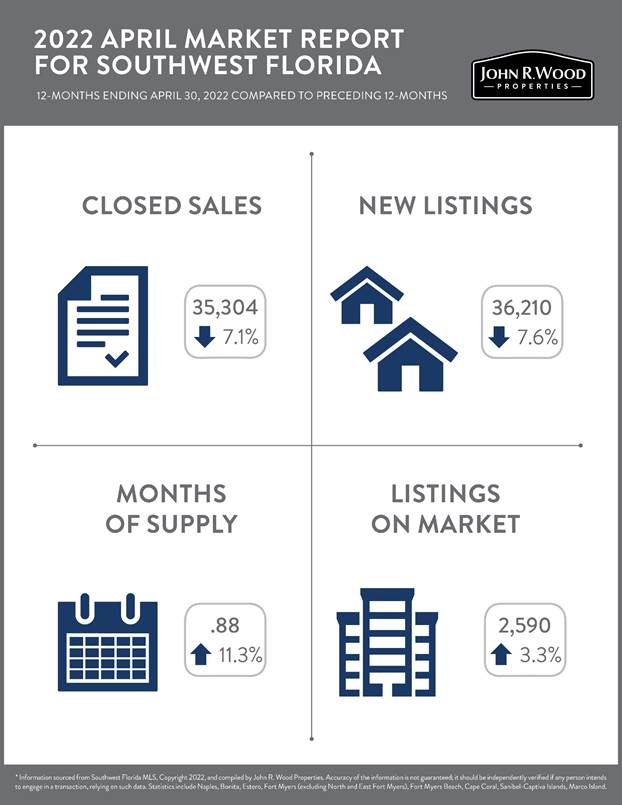
Closed sales for the 12-month period ending April 30, 2022 were down 7.13% from the preceding 12-months, from 38,016 to 35,304. With the 12-month period through July 2021 marking the height of the buying frenzy with 42,071 closes sales, it comes as no surprise that 12-month rolling sales are now posting modest declines by comparison, and we should expect this trend to continue over the coming months as sales continue to normalize. Sales are still strong, however, with April 2022 posting 3,190 closed sales; an April sales pace only exceeded last year when 3,267 sales were posted for the month.

Listing Inventory / New Listings
2,590 properties were available as of April 30, 2022, up 3.31% from the same date in 2021. New listings during the twelve months ending April 30, 2022 were down 7.58%, from 39,179 to 36,210. After several months of year-over-year declines, monthly new listings for March and April posted increases of 5.91% and 3.34%, respectively.

Average Selling Price
The average selling price for the 12-month period through April 30, 2022 was $688,596, up 20.69% from the preceding 12-month period when the average selling price was $570,564.

Summary
While down 80% compared to pre-pandemic levels, listing inventory has posted slow and steady increases over the past three months. 2,590 homes were on the market as of April 30, a 27% increase from 2,035 posted in January. This is due in part to an increase in new listings in March and April, but also can be attributed to the pace of sales slowly cooling after several months of record-breaking activity. Compared to pre-pandemic levels, closed sales for the month of February were up by 31%. March reflected a 23% increase, and April’s closed sales were up 14% compared to pre-pandemic levels. This movement toward a closer-to-normal pace of sales is a welcomed trend for buyers desiring more options; however, with .88 months (27 days) of supply posted at the end of April, it’s clearly still a strong sellers’ market.

Click here for the full report
Categories
Island Update

Ocean Tribe Paddling Club to host course

The Ocean Tribe Paddling Club will host a Coastal Kayaking Basic Rescue Skills course on May 5 from 1 to 3 p.m.; meet on the Causeway Island A — closest to the toll booth — at 12:45 p.m.

The course is for paddlers who want to learn basic fundamentals of rescuing their selves and others while kayaking. When paddling, one never knows the dangers that could be in the waters ahead. Learn how to get back in a kayak and help someone else if necessary.

Participants can bring their own vessel. Club members can reserve a loaner vessel in advance by contacting OTP@sccf.org. For more membership information, visit https://oceantribeoutfitters.org/.

To attend, RSVP at https://oceantribeoutfitters.org/eventsandregistration.

Categories
Island Update

2-for-1 Diner’s Delight books valid for use

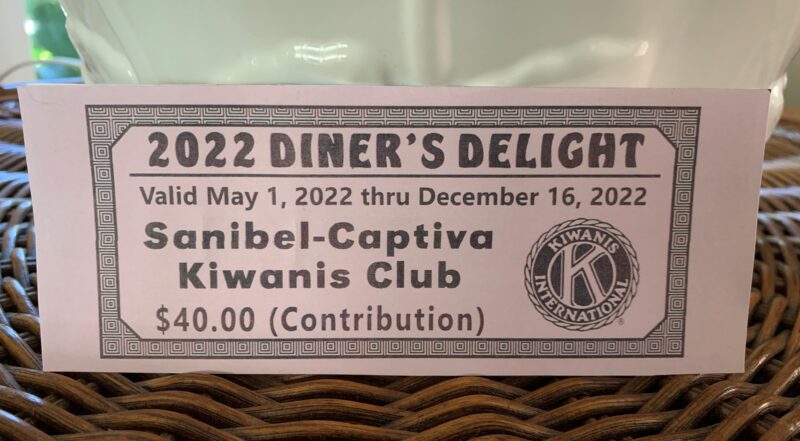
The Sanibel-Captiva Kiwanis Club’s 2022 Diner’s Delight coupon book is now valid through Dec. 16. It contains two-for-one coupons for many island eateries, for a possible savings of over $500. The books are available for a $40 contribution. Proceeds from the fundraiser are used by the club to support its Scholarship Fund for local students and grants to island youth recreation and education programs. The books can be obtained from Kiwanis members or at Bailey’s General Store, Bank of the Islands, Big Red Q Printing, Island Pharmacy, Island Winds Coiffures, Periwinkle Park office, SanCap Pak-N-Ship, and Sanibel Captiva Community Bank.

Categories
Island Update

Summer fees for Wildlife Drive

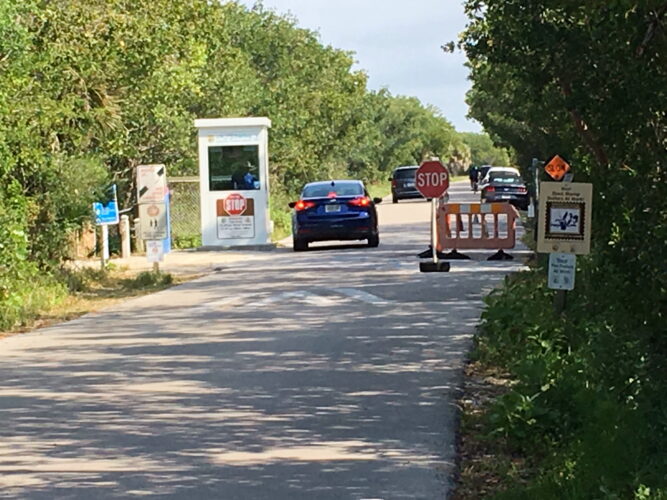
The “Ding” Darling Wildlife Society-Friends of the Refuge, announced that admission fees will remain the same after the season ends for Wildlife Drive at the J.N. “Ding” Darling National Wildlife Refuge, located at 1 Wildlife Drive, Sanibel.

The $10 vehicle entry fee is valid for three consecutive days of admission, starting annually on May 1 and running through September. Keep your receipt to show at the entrance fee booth upon returning. Cyclists and pedestrians ages 16 and older pay $1 per visit.

Categories
Island Update

Greater amberjack season opens in Gulf waters

The recreational harvest of greater amberjack will open in Gulf state and federal waters from May 1-31. Following a June-July closure, recreational harvest is scheduled to reopen again from Aug. 1 to Oct. 31.

If you plan to fish for greater amberjack or certain other reef fish species in Gulf or Atlantic state or federal waters from a private recreational vessel (includes anglers over 65 years of age), you must sign up as a State Reef Fish Angler prior to your fishing trip. It is a no-cost designation that must be renewed annually. Sign up at GoOutdoorsFlorida.com and visit MyFWC.com/SRFS to learn more.

Categories
Island Update

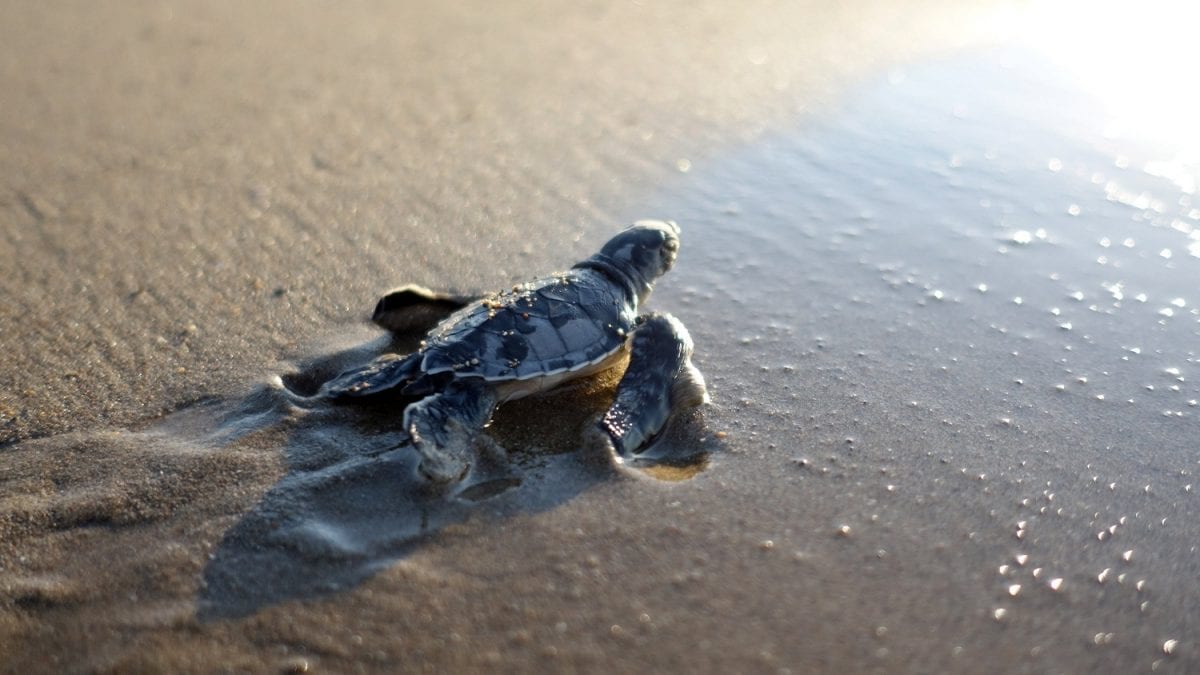
First sea turtle nest of the season found on Sanibel

First sea turtle nest of the season found on Sanibel’s west end.

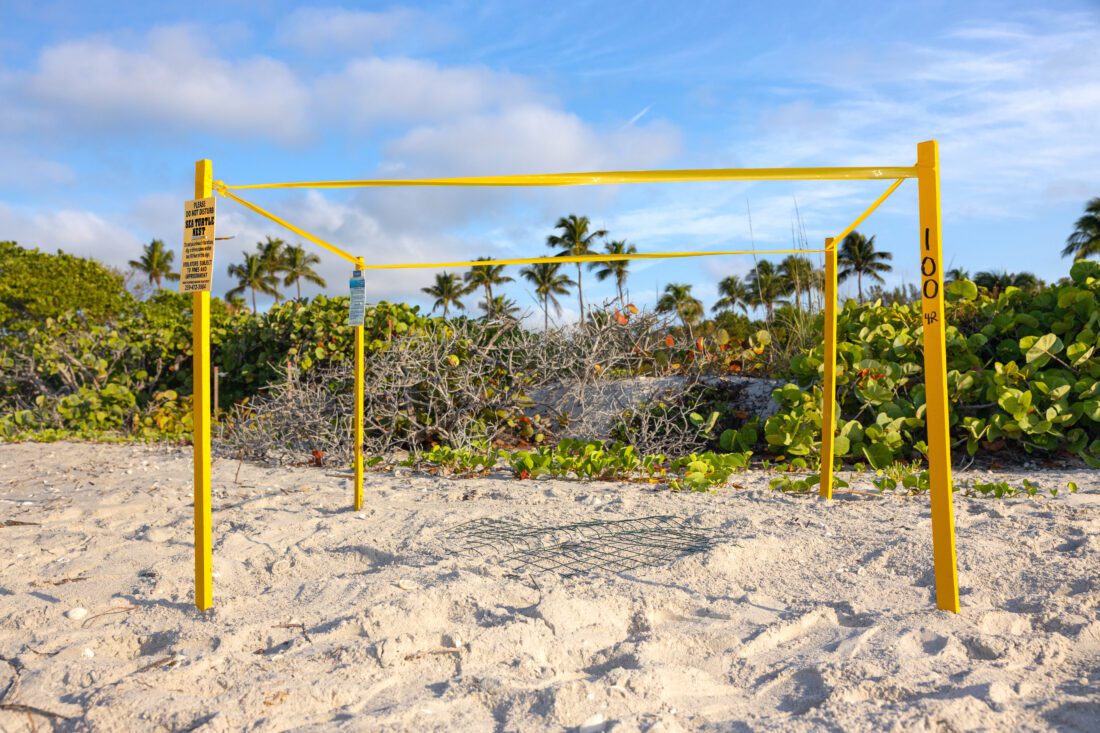
The Sanibel-Captiva Conservation Foundation has recorded its first sea turtle nest of the season.

Sea Turtle nest

On April 27, a loggerhead nest was discovered on the west end of Sanibel.

“Today marks the same day as the first nest in 2021. Our sea turtle team was excited to get sandy knees again as they put up the vivid yellow stakes that protect nests on our islands,” it reported at the time.

The SCCF also recorded the first false crawl of the season on the west end on April 27.

Sea turtle monitoring originally began on Sanibel in the 1950s with Charles LeBuff and Caretta Research Inc., making it one of the longest-running monitoring programs in the country. When Caretta Research disbanded in 1992, the SCCF took over the program and continues to manage it today.

Loggerhead is the most common marine turtle species to nest on the islands, followed by the green sea turtle. Leatherbacks and Kemp’s ridleys are rarer, but they have nested on Sanibel-Captiva before.

Categories
Island Update

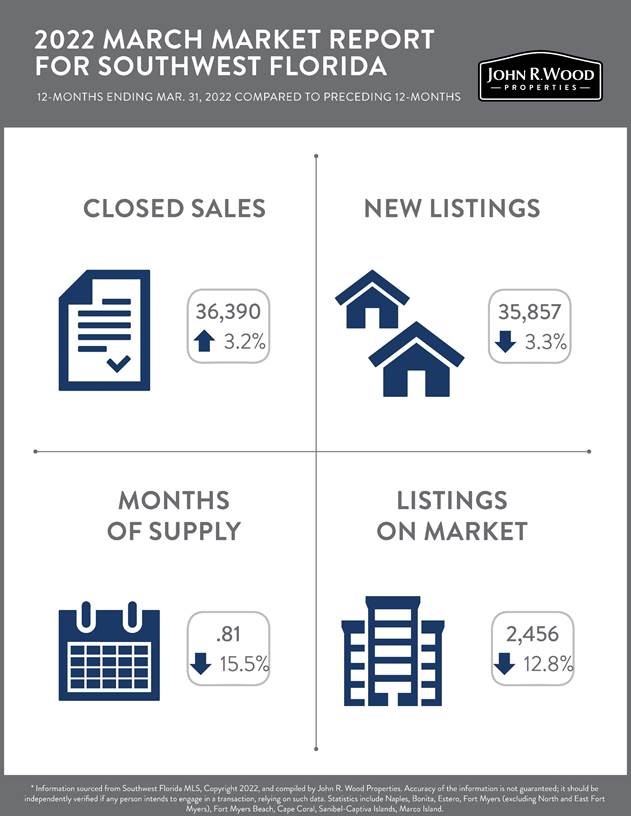
March 2022 Southwest Florida Market Report

Closed Sales
Closed sales for the 12-month period ending March 31, 2022 were up 3.19% from the preceding 12-months, from 35,264 to 36,390. The 3,171 closed sales during the month of March were only exceeded by March of 2021 when 4,593 sales were posted.

Listing Inventory / New Listings
2,456 properties were available as of March 31, 2022, down 12.82% from the same date in 2021 but up 22% from the 2,008  properties posted at the end of February. Months of supply, at .81, was down 15.51% from the year prior. New listings during the twelve months ending March 31, 2022 were down 3.22%, from 37,049 to 35,857. New listings for February were down 7.37% compared to the same month last year, but reflected the highest number of monthly new listings since January of 2020.

Average Selling Price
The average selling price for the 12-month period through March 31, 2022 was $670,785, up 20.95% from the preceding 12-month period when the average selling price was $554,574.

Summary
Although the pace of sales has slowed since their peak in 2021, the 3,171 closed sales for March 2022 exceeded any month preceding the pandemic-induced surge we experienced from mid-2020 through 2021. The increase in new listings in March were welcomed by buyers and, although the 4,106 new listings for the month were the most we’ve seen for any month since early 2020, they are directly in line with the rate at which listings entered for March in the years preceding the pandemic. With new listings entering the market at a more normal pace, and with sales having cooled down somewhat from their earlier feverish pace, listing inventory has posted slow but steady increases in recent months. However, with 2,456 properties available at the end of March, we are a long way from the pre-pandemic level of just under 13,000 properties posted in January of 2020, a number which was considered to have reflected a slight undersupply at the time.


Click here for the full report
Categories
Island Update

Sea Turtle Season 2022

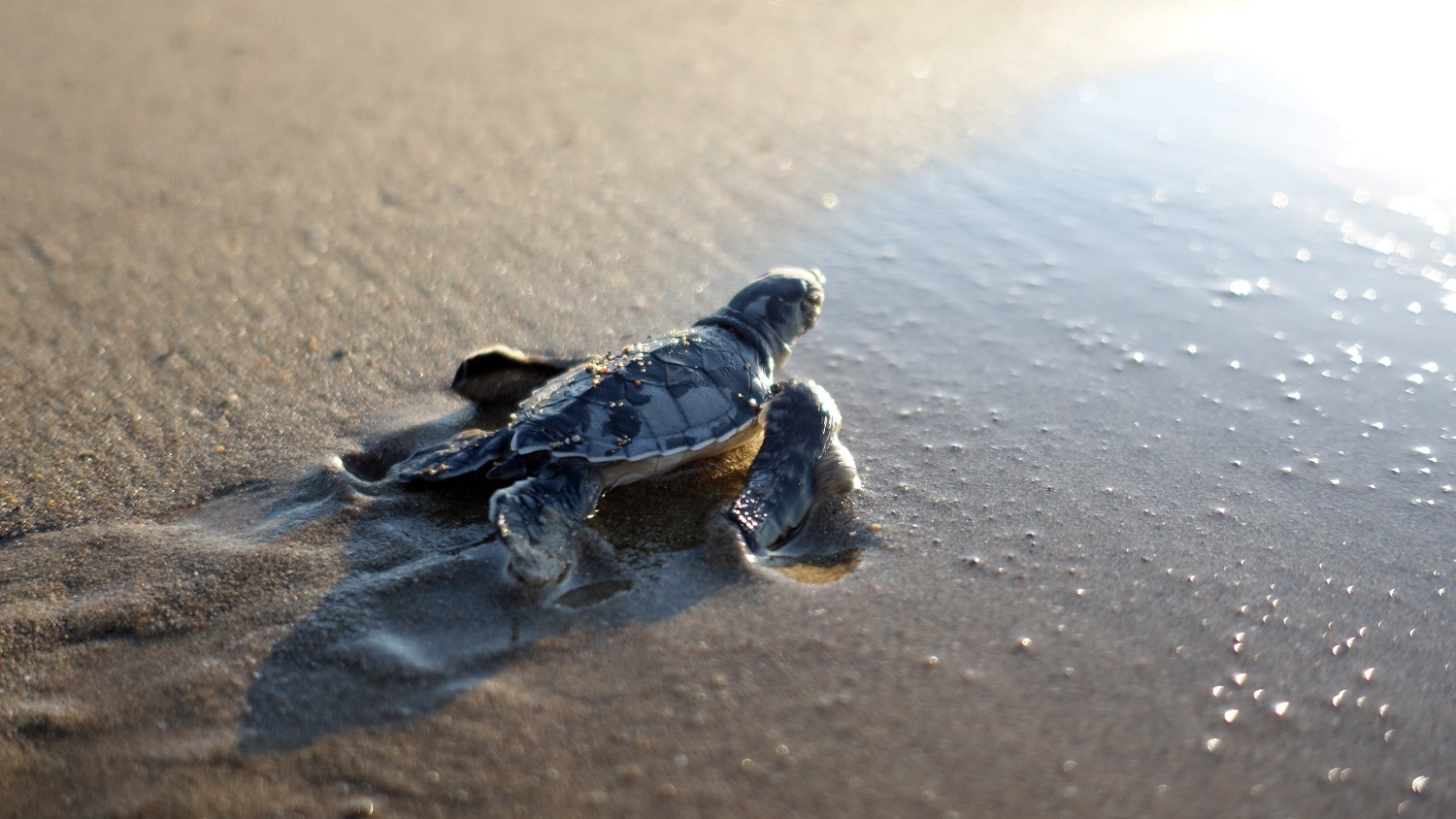
Sea turtle nesting season officially started on April 15th, 2022, and will last through October.

As of April 7, the SCCF had recorded no early activity or false crawls.

Sea turtle

Sea turtle monitoring originally began on Sanibel in the 1950s with Charles LeBuff and Caretta Research Inc., making it one of the longest-running monitoring programs in the country. When Caretta Research disbanded in 1992, the SCCF took over the program and continues to manage it today.

Loggerhead is the most common marine turtle species to nest on the islands, followed by the green sea turtle. Leatherbacks and Kemp’s ridleys are rarer, but they have nested on Sanibel-Captiva before.

Loggerheads typically are about 2 feet to 3 feet long and weigh 150 to 300 pounds. With large, bulky block-like heads and powerful jaws — how they got their name — they prey on hard-shelled mollusks, whelks and conches. Females lay three to six nests per year on average but nest every couple of years.

Green sea turtles are bigger, about 3 feet to 3 1/2 feet and weighing upward of 350 or 400 pounds. Their head is small relative to their body, and they are named “green” because their fat is green-colored due to a mostly vegetarian diet of seagrass and algae. Greens lay three to six nests every other year.

Leatherbacks are the largest of the species, growing up to 6 feet in length and weighing 500 to 1,500 pounds. With a diet that consists almost entirely of jellyfish, they do not have a typical “hard shell” like the others; theirs is a “leathery-skin” shell with seven distinct ridges along it, which serves a purpose. Nesting every couple of years, leatherback turtles typically lay five to eight nests.

The Kemp’s are the smallest of the sea turtle species. They average about 1 foot to 2 feet in length and can weigh 50 to 100 pounds. Kemp’s ridleys are omnivorous so they will eat a range of different prey, including crustaceans, mollusks, and fish.

Nesting every one to three years, they lay two to four nests — but not at night, like the other species. In the 2021 season, the SCCF recorded a total of 931 nests and 46,796 hatchlings.

Broken down by species, there were 904 loggerhead nests and 45,063 hatchlings. For greens, there were 27 nests and 1,733 hatchlings. No leatherback nor Kemp’s nests were recorded last season.

As for 2022, regional evidence shows an increasing nesting trend over the years.

You can help sea turtles that nest on Florida’s beaches, you just need to follow below rules

  • Turn off or shield all lights that are visible from the beach. Do not use flashlights or cell phone lights on the beach. If necessary, use amber or red LED bulbs.
  • Do not disturb the screens covering nests. They prevent predators from eating the eggs and the hatchlings emerge through the holes without assistance.
  • Remove all beach furniture and equipment from the beach at night.
  • Dispose of fishing line properly to avoid wildlife entanglement.
    Fill in large holes that can trap hatchlings and nesting sea turtles.
  • Do not disturb nesting turtles – please do not to get too close, shine lights on, or take flash photos of nesting sea turtles.
    Pick up litter.

In addition, boaters can do their part to keep the surrounding waters sea turtle-friendly by:

  • Avoid the area along the beach, if possible.
  • Having a designated spotter on the boat to look out for sea turtles.
  • Wearing polarized sunglasses to help with spotting sea turtles.
  • Going as slow as possible in areas where sea turtles are or might be.


Categories
Island Update

BEACH BRIEF April – 2022

Relaxing, enjoyable, and filled with adventure, are some of the ways that families use to describe Blind Pass. Blind Pass sustains abundant wildlife while providing locals and tourists with a pristine area for shelling and fishing. From swimming to sunbathing, Blind pass provides endless opportunities for adventure and fantastic views of the island.

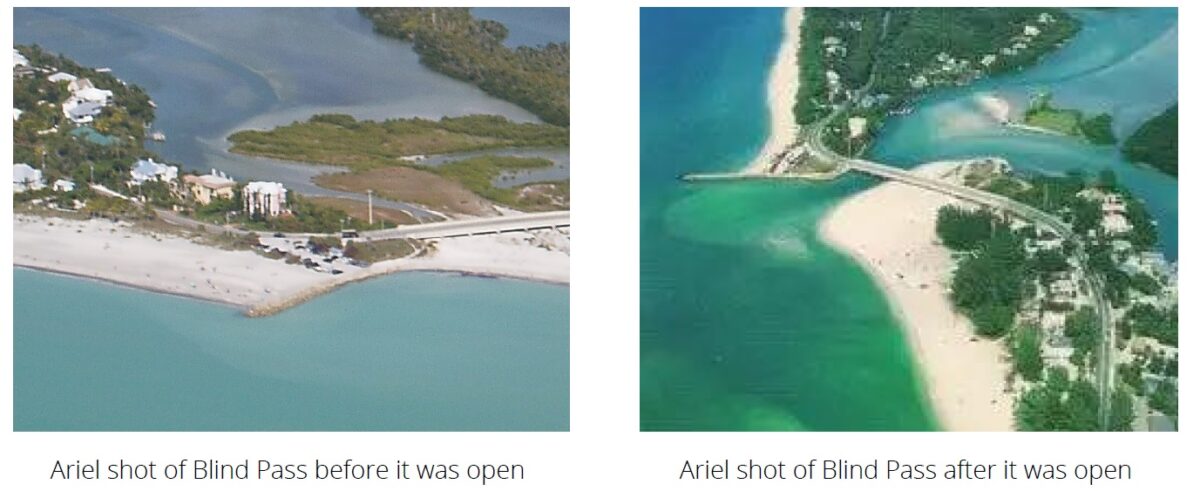
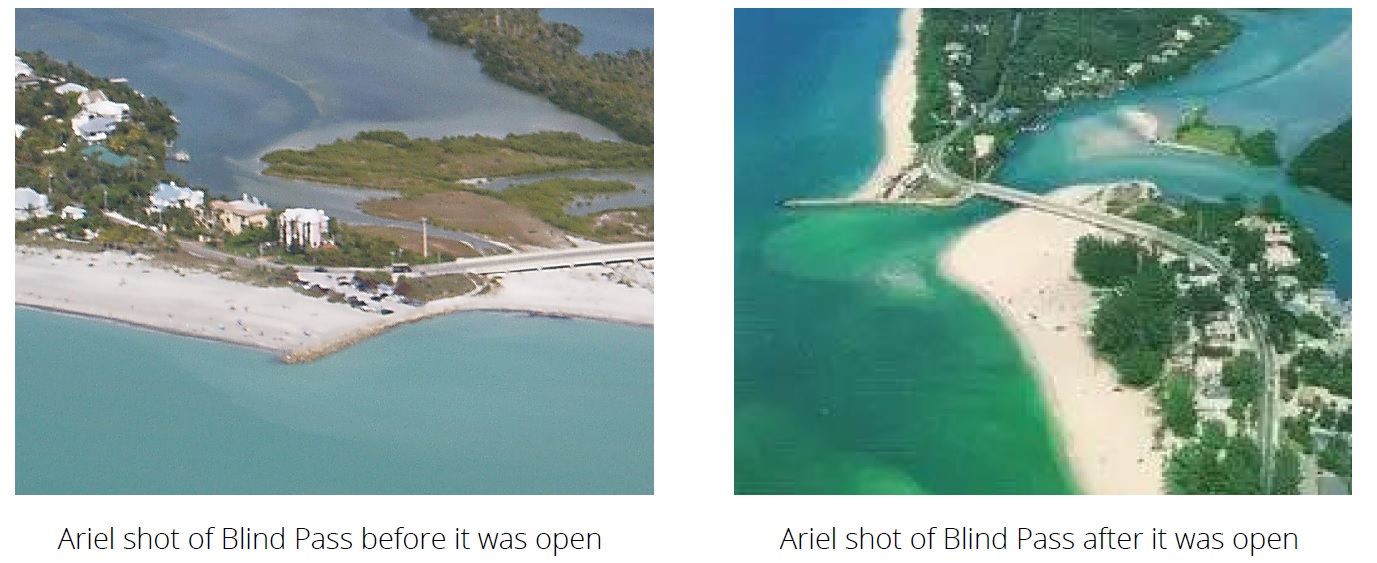
History: Blind Pass was re-opened in 2009 after closing for many years. The reopening was a monumental project that was spearheaded by Commissioner Rene Miville. Maintaining Blind Pass in an open state is an important factor contributing to enhanced flushing of the interior waterways of Captiva and Sanibel.

Current State of Blind Pass after the 2021 Beach renourishment: As expected, Captiva’s beach sand migrates south towards the pass, contributing to the creation of natural sand bars along with the opening of the pass, these “by-passing bars” are beneficial as they allow the new sand from Captiva to continue southward and reduce the filling inside of the pass. Additionally, the sand can continue its natural course south benefiting the beaches of Sanibel.

Maintenance Dredging Status: Permit applications are already in process by the County with the various agencies. The County is currently monitoring the pass and dredging will commence when the beach from the recent Captiva nourishment project stabilizes. The County stands ready to respond if the need to act sooner arises.

Blind Pass Aerial Shot


Categories
Island Update

Sanibel Prescribed Fire Task Force to Host Informational Meeting

The City of Sanibel received the following Notice from the Sanibel Prescribed Fire Task Force announcing an informational (virtual) meeting regarding prescribed burns and “firewise” principles on Sanibel.

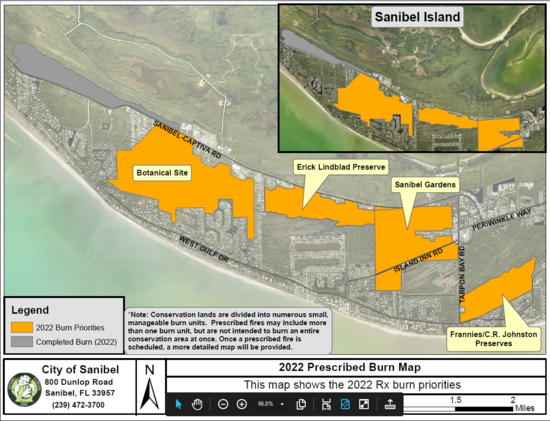
During the 2022 summer/fall season, the Sanibel Prescribed Fire Task Force is planning prescribed burns on the following conservation lands:

SCCF/City of Sanibel
Sanibel Gardens
Erick A. Lindblad Preserve
Frannie’s Preserve

USFWS, JN “Ding” Darling NWR
Botanical Site

Click here to view map