Categories
SWFL Update

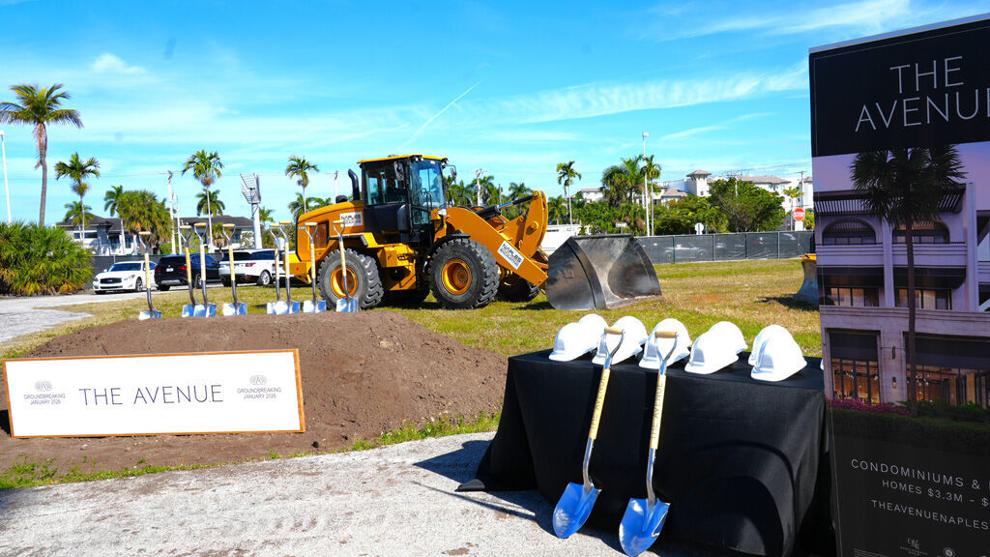
Major Naples Development Projects to Watch in 2026

The landscape of Southwest Florida continues to evolve, with 2026 marking a significant year for both retail expansion and luxury residential growth. From new essential shopping hubs to high-end hospitality, the Naples development scene is set for a transformative year of progress.

Retail and Dining Expansion in Naples Development

A highly anticipated addition to the east Naples area is the new Costco Wholesale. Groundbreaking is expected to begin shortly on a 25-acre site located at the southeast corner of Collier Boulevard and Rattlesnake Hammock Road. This expansion will provide a major new hub for residents in the surrounding communities.

Further north, the Waterside Shops continues its upscale transformation:

  • Restoration Hardware (RH): Vertical construction is beginning for a high-end RH Gallery, which will feature its signature rooftop restaurant on the former Nordstrom footprint.

  • New Luxury Retail: This month, the mall celebrated the ribbon-cutting for the new Williams Sonoma and Pottery Barn stores, now occupying the two-story outparcel that formerly housed Barnes & Noble.

Luxury Hospitality Within the Naples Development Landscape

The downtown corridor is seeing a resurgence of boutique luxury. The Olde Naples Hotel is currently targeted for a spring 2026 opening on the redeveloped site of The Plaza on Third Street. Adding to the downtown allure, JoJo’s Bar—an Italian American steakhouse—is slated to open later this year in the landmark Olde Naples Building, adjacent to the new hotel.

Residential Growth and Waterfront Naples Development

The luxury residential market remains a primary driver of growth, with several flagship projects reaching completion this year:

  • The Ritz-Carlton Residences, Naples: Located at Vanderbilt Beach, the first phase of these luxury residences is scheduled to welcome owners this summer.

  • The Naples Beach Club, A Four Seasons Resort: Following its successful launch last fall, the first residents will begin moving into their condominiums this season.

  • Expanded Amenities: Residents can also look forward to the opening of the resort’s redesigned 18-hole golf course and additional world-class amenities throughout the year.

Categories
Uncategorized

The 2026 Naples Winter Wine Festival Live Auction

The Naples Winter Wine Festival returns to The Ritz-Carlton Naples, Tiburón, from January 30 through February 1, with its world-renowned live auction scheduled for 1:00 p.m. on Saturday, January 31. Now in its 26th year, this prestigious event stands as one of the most significant charity wine auctions globally, combining rare vintages and ultra-luxury travel with a mission to support vulnerable children and families in Collier County.

Since its inception in 2001, the festival has raised more than $336 million through the Naples Children & Education Foundation (NCEF). These funds provide critical support for healthcare, education, and social services throughout Southwest Florida.

Record-Breaking Momentum for the Naples Winter Wine Festival

The 2026 event follows an unprecedented year of generosity. In 2025, the festival surpassed its own records by raising over $34 million, cementing the region’s reputation as a leader in American philanthropy. Organizers have curated this year’s auction lineup to maintain that momentum, offering a slate of experiences that blend global exploration with exclusive private access.

“Our team has worked throughout the year with our generous donors and loyal supporters in curating some truly remarkable wine, food, and travel experiences,” said Joe Matina, an NCEF trustee. The goal remains focused: encouraging patrons to bid generously to drive lasting change for local youth.

Exclusive Experiences in the Naples Winter Wine Festival Catalog

The live auction catalog features once-in-a-lifetime opportunities, including:

  • Global Travel: Immersive journeys through iconic wine regions and stays in private villa retreats.

  • Luxury Voyages: Private yacht expeditions and invitations to major international sporting events.

  • Collectible Vintages: Rare library selections, magnums, and double magnums designed for the most serious collectors.

  • Culinary Access: Behind-the-scenes tours and curated dinners led by celebrated chefs and vintners.

Valerie Gargiulo, NCEF trustee, noted that every dollar raised during the auction is an investment in proven programs that transform lives within our community.

Live Coverage and Philanthropic Impact

For those following the event’s progress, real-time coverage will be available throughout the afternoon of January 31. Reporting will track winning bids and the mounting total of funds raised as the auction unfolds.

The proceeds from the Naples Winter Wine Festival are managed by the Naples Children & Education Foundation, which prioritizes long-term, measurable outcomes for families across the region. This commitment to excellence and community welfare continues to make the festival a highlight of the Southwest Florida winter season.

Categories
Island Update

Clinic for the Rehabilitation of Wildlife (CROW) Intervenes at Captiva Eagle Nest

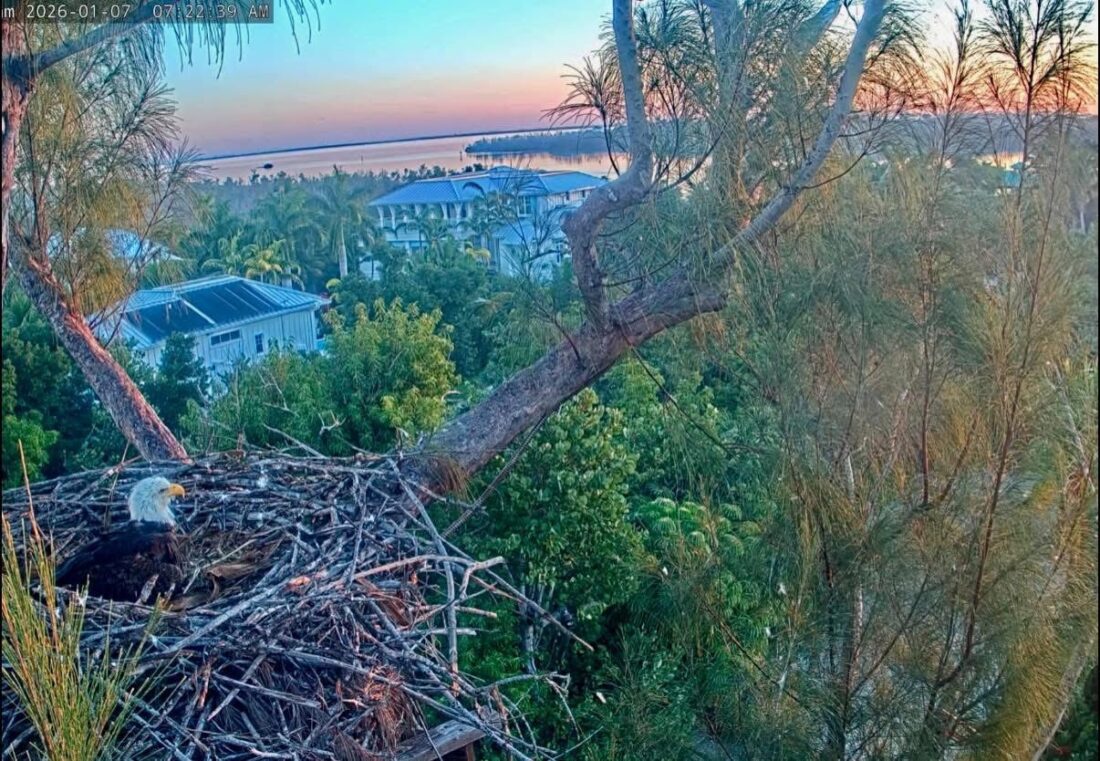
The Clinic for the Rehabilitation of Wildlife (CROW) recently conducted a successful intervention to protect one of Captiva’s most famous resident families. On January 13, the organization moved quickly to remove a discarded fishing hook and monofilament line from the nest of bald eagles Connie and Clive, home to their newest eaglet, CE14.

While the Clinic for the Rehabilitation of Wildlife (CROW) typically follows a policy of non-interference in natural habitats, the presence of man-made debris presented an immediate threat of entanglement and injury to the young eaglet.

A Coordinated Rescue Effort on Captiva Island

The removal process was a collaborative effort requiring official government permits and specialized assistance. Research & Medical Director Dr. Jessica Comolli performed the retrieval with the support of Joshua Tree Inc., whose team provided the necessary height access to reach the nest safely.

The Window to Wildlife team also played a crucial role, utilizing their monitoring equipment to guide Dr. Comolli directly to the debris when it was not visible from her vantage point. This is the second consecutive year that human-generated materials have been removed from this specific nest, highlighting a recurring challenge for local wildlife.

Protecting the Southwest Florida Ecosystem

This event serves as a vital reminder of the impact human activity has on the delicate environment of Sanibel and Captiva. The Clinic for the Rehabilitation of Wildlife (CROW) urges residents and visitors alike to practice mindful fishing habits to prevent such dangerous situations.

To help protect local species, the public is encouraged to:

  • Dispose of Gear Properly: Always use designated bins for old fishing lines and hooks.

  • Retrieve Lost Tackle: Whenever possible, safely recover gear that becomes snagged.

  • Stay Aware: Monitor your surroundings for birds and other wildlife while fishing.

For those on the islands, Mind Your Line provides specialized monofilament recycling stations throughout Sanibel, Captiva, and the Causeway. Location details can be found at mindyourline.org.

Categories
Island Update

Zonta Club of Sanibel-Captiva Distributes $87,000 in Grants

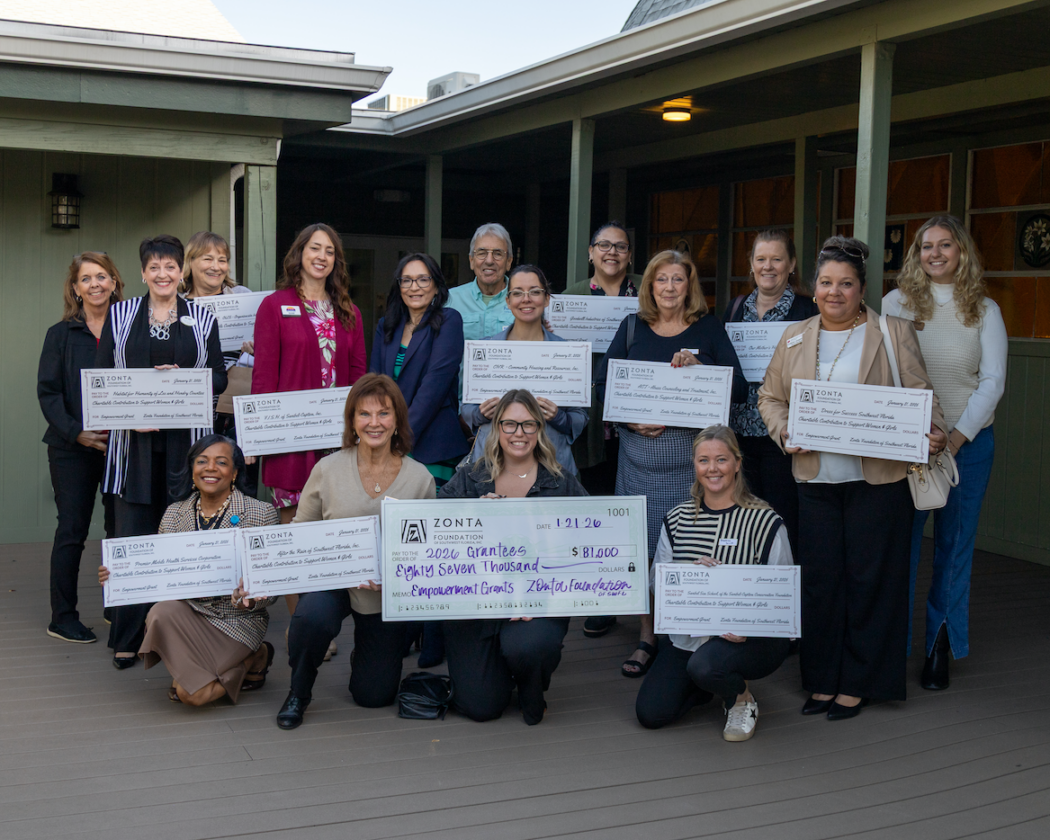
The Zonta Club of Sanibel-Captiva, in partnership with the Zonta Foundation of Southwest Florida, has officially awarded $87,000 in grants to 14 local nonprofit organizations. These funds are designated for programs that empower women and girls across the region, reinforcing the community-driven spirit of Southwest Florida.

Empowering Women and Girls Through the Zonta Club of Sanibel-Captiva

The 2026 grant recipients represent a diverse group of organizations dedicated to essential services such as education, vocational training, and affordable housing. Kathleen Skubikowski, Co-chair of the Grants Committee, noted that the club is pleased to recognize the “amazing work” being done by these organizations to promote the welfare of women and girls.

The 2026 grant recipients include:

  • Abuse Counseling and Treatment (ACT) & After the Rain of Southwest Florida

  • Community Housing & Resources (CHR) & Habitat for Humanity’s Women Build

  • F.I.S.H. of Sanibel-Captiva & Sanibel Sea School

  • Pace Center for Girls & Dress for Success

  • Goodwill Industries of Southwest Florida

  • Dr. Piper Center for Social Services

  • Our Mother’s Home of Southwest Florida

  • Premier Mobile Health Services

  • Women Veteran Warriors

  • Healing Stitches’ “Know Your Rights” project

A Shared Vision for the Sanibel and Captiva Community

The funded projects focus on the foundational pillars of independence: training, education, and safe, affordable housing. By addressing these critical factors, the Zonta Club of Sanibel-Captiva helps ensure that women have the necessary resources to create fulfilling lives and exercise their rights as individuals.

Co-chair Joanne Marriott emphasized that the goal of these grants is to support impactful initiatives that “create lasting change and a brighter future for those who need it most.”

For more information regarding the club’s advocacy and service projects, please visit zontasancap.org.

Categories
Island Update

Sanibel-Captiva Audubon Society Kicks Off 2026 Lecture Series

The Sanibel-Captiva Audubon Society is officially launching its highly anticipated mini-lecture series for the season. As local experts deeply rooted in the Southwest Florida community, the LeAne SUAREZ Group is pleased to share this update for our neighbors and nature enthusiasts.

The series begins on February 11 at 5:30 p.m., hosted at The Community House (2173 Periwinkle Way, Sanibel).

Expert Insights from the Sanibel-Captiva Audubon Society Guest Speaker

The inaugural presentation features Alli Smith, a project coordinator with the renowned Cornell Lab of Ornithology. Smith will lead an in-depth session on two of the most essential tools for any modern birder: eBird and Merlin Bird ID.

Attendees will gain professional insight into:

  • Contributing to Science: How to accurately log sightings and contribute to global databases.

  • Behind the Tech: A look at how these apps function and use data to drive bird conservation efforts.

  • Conservation Impact: How personal observations help scientists protect wildlife worldwide.

Educational Goals of the Sanibel-Captiva Audubon Society

Alli Smith brings a wealth of knowledge back to the Sanibel-Captiva area, where she has previously worked extensively with shorebirds and burrowing owls. Holding a Bachelor of Science in wildlife science from SUNY’s College of Environmental Science and Forestry, Smith has dedicated her career to “participatory science.”

She currently manages the help desks for Merlin and eBird, bridging the gap between high-level data collection and local birding efforts in our community.

Event Details & Tickets

This lecture offers a rare opportunity to learn from a Cornell Lab expert right here on the islands.

  • When: February 11, 2026 | Doors open at 5:00 p.m. | Lecture starts at 5:30 p.m.

  • Where: The Community House, 2173 Periwinkle Way, Sanibel.

  • Admission: $10 per ticket.

Tickets are limited. To secure your spot or to learn more about upcoming events in the series, visit the Sanibel-Captiva Audubon Society website.

Categories
Real Estate News

The True Cost of Ownership: Sanibel, Captiva & Fort Myers Real Estate 2026

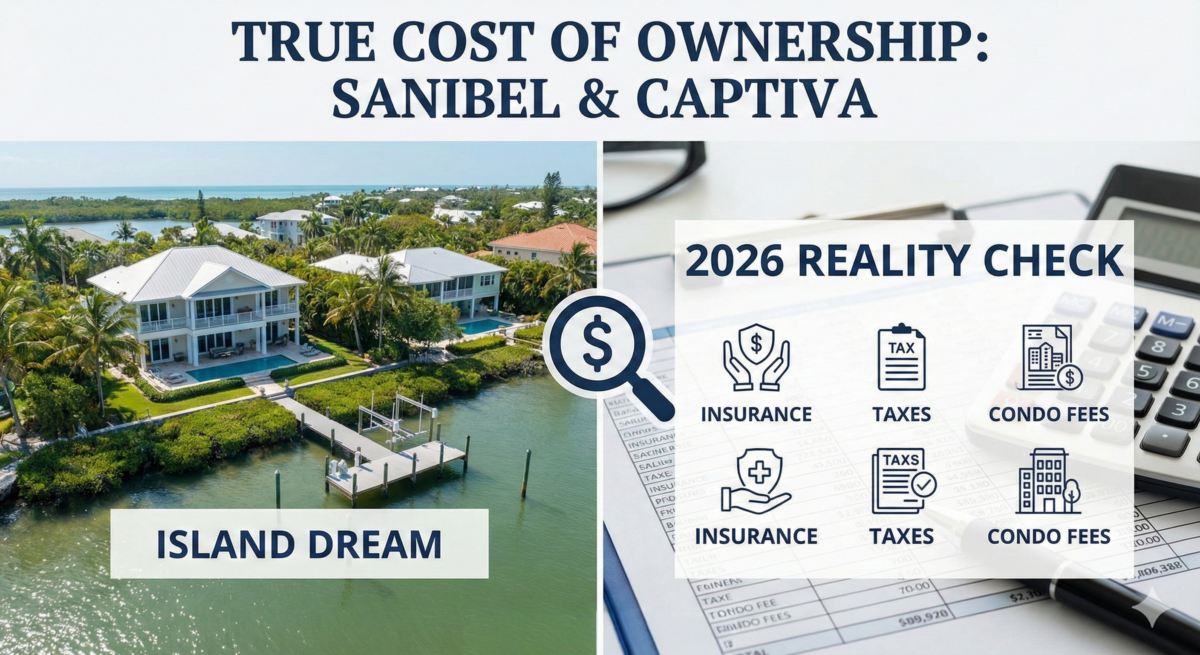
Analyzing the cost of owning property Sanibel 2026 requires looking beyond the list price. The total expense is defined by four “Hidden” factors: Wind/Flood Insurance premiums, Condo “Milestone” Assessments, Non-Homestead Taxes, and Property Management fees. As the market stabilizes post-2025, buyers who accurately budget for these carrying costs are finding generational opportunities.

At LeAneSUAREZGroup, we believe in radical transparency. We don’t just sell you a home; we prepare you for the ownership experience. Here is the breakdown of what it actually costs to hold luxury coastal property in 2026.


1. The Insurance Reality in 2026: Wind vs. Flood

The “Insurance Crisis” headlines of 2024 have settled into a “New Normal” for 2026. However, rates vary wildly based on the age and elevation of the home.

The “Elevation” Discount

If you are looking at ground-level homes built before 1980 (Pre-FIRM), expect significantly higher flood premiums. In contrast, Post-Ian builds and elevated homes are seeing premiums stabilize.

  • Flood Insurance: FEMA’s “Risk Rating 2.0” is now fully implemented. Rates are based on the specific distance to water and elevation certificate, not just the “Zone.”
  • Windstorm Insurance: The most critical document you need when buying is a 2026 Wind Mitigation Report. Verifying “clips vs. straps” on the roof-to-wall connections can save you 30-50% on your premium.

2. Condo Fees & The “SIRS” Impact

If you are buying a condo on Sanibel, Captiva, or Fort Myers Beach, you must ask about the SIRS (Structural Integrity Reserve Study).

New Florida laws require condos 3+ stories tall to fully fund their reserves for structural items (roofs, foundations, fireproofing) by 2026. This has led to two financial shifts:

Feature The “Old” Way The 2026 Reality
Reserve Funding Often waived by vote Mandatory (Cannot be waived)
HOA Fees Kept artificially low Rising to reflect true costs

Expert Tip: Do not just look at the monthly HOA fee. Ask to see the 2025/2026 Budget and the most recent Reserve Study. A “cheap” monthly fee might just be hiding a massive Special Assessment around the corner.

3. Property Taxes: The “Non-Homestead” Math

For many of our clients, this is a second home or investment property. This means you do not qualify for the Florida “Save Our Homes” cap, which limits assessed value increases for primary residents.

In Lee County, you should budget approximately 1.1% to 1.3% of the purchase price annually for property taxes. However, remember that the “Assessed Value” resets to the purchase price when you buy. Do not rely on what the current seller pays; your bill will likely be higher.

4. Property Management: The “Peace of Mind” Cost

Unless you live here full-time, you need “boots on the ground,” especially during hurricane season (June–November).

  • Home Watch Services: For non-rentals, a weekly “Home Watch” service is essential to check for AC failures or leaks. Budget $150–$300/month.
  • Full Rental Management: As noted in our Rental Rules Guide, fees range from 15% (Sanibel Monthly) to 30%+ (Captiva Daily). This fee typically covers marketing, cleaning coordination, and guest services.

The Silver Lining for 2026

While costs are higher, so is the quality of the asset. The properties remaining and being renovated in 2026 are the most resilient, code-compliant structures Southwest Florida has ever seen. You are paying for safety, durability, and the unparalleled lifestyle of the islands.

LeAne’s Advice: “Don’t let these costs scare you—let them empower you. When we run the numbers together, there are no surprises. We help you find the properties where the ‘Income’ potential far outweighs the ‘Carry’ costs.”

Want a custom ‘Cost to Carry’ spreadsheet for a specific listing? Contact LeAneSUAREZGroup today and we will run the full numbers for you.

Categories
Island Update

Identity Theft Protection: 7 Digital Habits That Put You at Risk

Effective identity theft protection is more than just checking your credit score; it requires a fundamental shift in how you navigate the digital world. With reports of fraud jumping to 1.2 million annually since 2023, and Artificial Intelligence making scams increasingly sophisticated, safeguarding your personal data is no longer optional—it is essential.

While sophisticated hackers are a threat, many breaches occur because of simple consumer behaviors that leave digital doors unlocked. By tightening your online routine, you can significantly lower your risk profile. Here are seven common habits that undermine your identity theft protection and how to correct them.

1. The Danger of Reusing Passwords

Using the same password across multiple sites is the digital equivalent of using one key for your house, car, and bank safety deposit box. If a hacker breaches a low-security site (like a loyalty rewards account), they instantly have the key to your banking or mortgage portal.

The Fix: Switch to “passphrases” rather than simple passwords. A strong passphrase is at least 14 characters long and combines a random string of letters, numbers, and symbols. To manage these, utilize a secure password manager and always enable multi-factor authentication (MFA).

2. Ignoring Software Updates

Clicking “Remind Me Later” on software updates is a habit that weakens your digital security. Developers release updates primarily to patch security vulnerabilities. When you ignore them, you leave your device open to exploits that are already known to cybercriminals.

The Fix: Treat updates as urgent digital housekeeping. Enable automatic updates on your mobile devices and computers to ensure you never miss a critical security patch.

3. Oversharing on Social Media

Social media has blurred the line between public and private life, often at the expense of identity theft protection. Sharing your location, birthdate, or family details provides fuel for social engineering attacks. Hackers can use this data to guess security questions or craft convincing phishing emails.

The Fix: Audit your privacy settings and be selective about what you post. Avoid sharing real-time location data or sensitive milestones that could reveal answers to security questions (like your mother’s maiden name or first pet).

4. Trusting Unverified Websites

Sending data over an unencrypted connection is risky. When a website URL begins with “HTTP” rather than “HTTPS,” the data you enter is not encrypted, meaning it can be intercepted by anyone watching the network traffic.

The Fix: Always look for the “HTTPS” prefix and the lock icon in the browser bar before entering payment or personal information. However, stay vigilant—scammers can mimic these signs, so always double-check the URL for spelling errors.

5. Clicking Links from Unknown Senders

Phishing remains a top threat, with nearly half of all social engineering attacks occurring via email. These scams often use urgency—claiming an account is locked or a payment failed—to trick you into clicking malicious links.

The Fix: Pause before you click. If an email demands “immediate action,” view it with suspicion. Instead of clicking the link, navigate directly to the service provider’s official website to verify the claim.

6. Disregarding Breach Notifications

In an era of constant notifications, it is easy to ignore a letter or email stating your data was part of a corporate breach. However, ignoring these warnings is a major lapse in identity theft protection. A breach can lead to significant financial loss and credit damage.

The Fix: Take every breach notice seriously. Change the passwords for affected accounts immediately and monitor your bank statements and credit reports for any unauthorized activity.

7. Over-Relying on Incognito Mode

Many users mistakenly believe that “Incognito Mode” renders them invisible. In reality, while it stops your browser from saving your history locally, it does not hide your activity from your internet service provider, employer, or potential hackers on the network.

The Fix: Understand the limitations of private browsing. For true anonymity and better security on public Wi-Fi, consider using a Virtual Private Network (VPN) rather than relying solely on browser settings.

Conclusion: securing Your Digital Future

The aftermath of identity theft involves more than just financial loss; it brings stress, vulnerability, and hours of recovery time. By recognizing these seven habits and prioritizing identity theft protection, you secure not just your data, but your peace of mind.

Categories
Uncategorized

Home Renovation Planning: Start With Daily Living for Long-Term Value

Home Renovation Planning

When the urge to renovate strikes, it is natural to start with the fun part: browsing paint chips, pinning kitchen trends, and imagining new furniture. However, experienced homeowners and real estate pros know that a truly successful smart home remodel doesn’t start with aesthetics. It starts with an honest look at how you live.

If a renovation focuses only on surface-level beauty, the finished room might look magazine-ready but remain inconvenient to use and costly to maintain. To maximize comfort, durability, and long-term property value, the planning phase must prioritize the “unseen” mechanics of daily life.

Here is how to create a renovation plan that prioritizes function, ensuring every upgrade solves a problem rather than creating a new one.

1. Audit Your Routine: The “Function-First” Approach

Most remodeling regrets do not stem from choosing the wrong backsplash. They come from fixing surfaces while leaving everyday frustrations untouched. Before you hire a contractor or buy materials, perform a “livability audit” of your home.

Walk through a typical Tuesday morning or Thursday evening. Look for friction points:

  • Traffic Jams: Where does the family bottleneck? (e.g., the hallway during the morning rush).

  • Clutter Zones: Where do items like mail, coats, or kitchen gadgets inevitably pile up?

  • Workflow Failures: Does the kitchen layout force you to cross the room repeatedly while cooking?

The SEO Tip: Turn these observations into specific renovation goals. If your audit reveals poor flow, your goal becomes “widen transition areas.” Function-first planning prevents trendy choices from becoming future headaches.

2. Budget for the Invisible: Infrastructure and Systems

A remodel can look flawless on the surface and still underperform if the home’s “internal organs” are outdated. Planning beyond aesthetics means budgeting for the work you will not see but will rely on every day.

Key Infrastructure Updates:

  • Electrical & Plumbing: Older homes often require panel upgrades or pipe replacements to handle modern appliances and water pressure needs.

  • Ventilation: Proper airflow prevents mold and protects your new finishes.

  • Structural Integrity: Ensure framing is square and solid before drywall goes up.

The Contingency Fund Renovation timelines and budgets often shift once demolition begins. Contractors may uncover hidden moisture damage or uneven framing. Always build a contingency buffer (10-20%) into your budget. This allows you to fix problems properly rather than covering them up, protecting your investment for the long haul.

3. Future-Proofing: Design for Adaptability

A good remodel solves today’s problems; a great remodel anticipates tomorrow’s needs. This concept, often called aging in place or universal design, ensures your home remains comfortable as your life evolves.

Think beyond square footage and focus on adaptability:

  • Flexible Spaces: Can a guest room double as a home office? Can a dining nook transition into a homework station?

  • Mobility: Wider doorways and curbless showers look modern but also accommodate mobility changes or injuries.

  • Durability: Choose high-quality, moisture-resistant materials that are easy to clean. This reduces maintenance costs and keeps the home looking fresh for years.

4. The Systems of Comfort: Light, Sound, and Air

When you move walls or open up floor plans, you alter the physics of your home. A comprehensive plan treats comfort as a system.

  • Lighting Design: Don’t rely on a single overhead fixture. Layer your lighting with ambient sources for brightness, task lighting for work areas, and dimmers to control glare on screens.

  • Acoustic Control: Open concepts can be noisy. Invest in solid-core doors for privacy and soft-close cabinetry to reduce daily noise pollution.

  • Air Quality: Ensure your HVAC system is re-balanced to support the new layout, preventing hot spots or stale air pockets.

5. ROI and Resale Value

Even if you plan to stay in your home for decades, it is wise to consider resale value. Buyers are increasingly savvy; they notice efficient layouts, abundant natural light, and energy efficiency just as much as they notice granite countertops.

By adhering to a logical construction sequence—demolition, rough-ins, then finishes—and obtaining all necessary permits and inspections, you verify the safety of your home. This documentation is gold when it comes time to sell, proving that the work was done right.

Conclusion

A renovation is a major investment of time and money. It should do more than just make your rooms look better—it should make your life easier. By planning for flow, infrastructure, and future adaptability, you ensure that every upgrade supports your lifestyle.

Are you ready to plan a remodel that works as good as it looks? The LeAneSUAREZGroup is here to help you navigate the process, ensuring your home investment pays off in both daily comfort and long-term equity.

Categories
Island Update

Sanibel vs Captiva Rental Rules & 2026 Market Guide

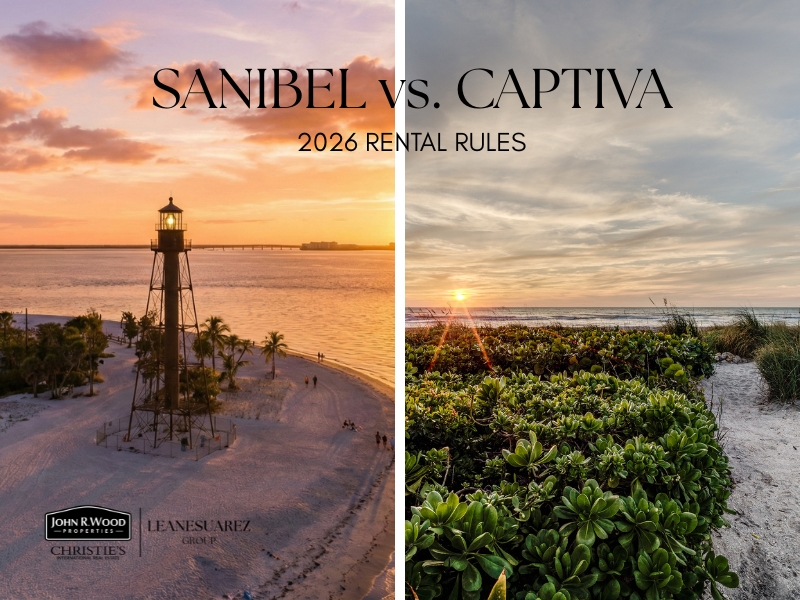
When analyzing Sanibel vs Captiva rental rules, the primary distinction lies in zoning and lifestyle goals. Sanibel Island generally enforces a strict 28-day minimum for vacation rentals to maintain a residential atmosphere. In contrast, Captiva Island offers flexibility, allowing weekly and even daily rentals in resort zones. As of January 2026, this flexibility continues to drive higher cash-flow potential for Captiva properties, while Sanibel remains the premier choice for privacy and stability.

For investors navigating the post-2025 market recovery, understanding these nuances is critical. Buying on the “wrong” island for your financial goals can mean a difference of tens of thousands of dollars in annual revenue. Whether you are seeking a high-turnover asset or a quiet family retreat, knowing the specific ordinances of Lee County versus the City of Sanibel is your first step.


What are the Sanibel vs Captiva rental rules for 2026?

The rules regarding rental frequency are dictated by the City of Sanibel (incorporated) versus Lee County (which governs Captiva). Below is the 2026 comparison of permitted rental frequencies.

Feature Sanibel Island Captiva Island
Minimum Stay 28 Days (Homes)
*Some condos allow weekly.
Daily & Weekly
*Daily allowed in Resort zones.
Best For Seasonal Residents & Privacy Seekers High-Yield ROI Investors
Permit Cost Higher (Dwelling Rental License) Lower (Tax Registration Only)

The “Grandfather Clause” Exception on Sanibel

While the general rule for Sanibel single-family homes is a 28-day minimum, savvy buyers know there are exceptions. Specific condominium complexes (such as Sundial, Loggerhead Cay, and others) possess “grandfathered” status that allows for weekly rentals. These specific units often command a price premium because they offer the best of both worlds: Sanibel’s nature-focused environment with Captiva-style income potential. If you are looking for this specific asset class, please contact us directly for the verified list of eligible complexes.

How is the Sanibel Real Estate Market performing in Jan 2026?

Sanibel remains a “Lifestyle Market.” Following the complete restoration of the Sanibel Causeway recreation areas in late 2025, buyer confidence has stabilized. The market here is driven less by cap rates and more by “usage value”—how much the owner enjoys the property.

Inventory and Pricing Trends

  • Inventory Levels: Listings have stabilized (approx. 510 active properties), up 9.6% from the previous quarter. This increase gives buyers more options and less pressure to overbid.
  • Days on Market: Properties are averaging ~150 days on market. This longer timeline is normal for a second-home market and indicates a return to pre-2020 normality.
  • The “Sanctuary” Premium: Homes backing up to conservation land or the “Ding” Darling Wildlife Refuge are seeing value retention even as the broader market softens.

Who is buying on Sanibel?

In 2026, the buyer demographic has shifted slightly. We are seeing fewer “short-term flippers” and more end-users—families looking for a legacy property to hold for 10+ years. The completion of the 26-mile Shared Use Path has also driven demand from active retirees prioritizing walkability and biking.

Is Captiva Island a better investment for rental income?

For investors seeking maximum ROI (Return on Investment), Captiva is typically the clear winner. The zoning here treats real estate

Categories
Island Update

Art for a Cause: Silent Auction Announced as Legal Battles over South Seas & Rauschenberg Property Intensify

The Captiva Civic Association (CCA) is calling on art lovers and community defenders to gather for an evening of culture and advocacy. On Thursday, February 5, at 5:00 p.m., the CCA will host a silent auction featuring art generously donated by local artists.

Held at the Captiva Civic Center, the event will feature food, drinks, and music. For those unable to attend in person, the auction will also be accessible online. All proceeds will go directly to the Protect Captiva Legal Fund to support the ongoing litigation regarding island development.

Update: The Rauschenberg Property Alongside the event announcement, Protect Captiva issued a significant update regarding the 22-acre Rauschenberg Foundation property. The group believes the Foundation has sold the land to South Seas, rejecting a competing bid from the Captiva Island Fire Control District and a community investor who sought to preserve the land in honor of Bob Rauschenberg’s legacy.

However, development on this land faces hurdles. Lee County has advised South Seas via a Zoning Verification Letter that the property is governed by the Captiva Code and Lee Plan, which limits density to three units per acre. Protect Captiva noted that any attempt to increase this density would require rezoning and amendment approvals—moves that would likely trigger further litigation and community opposition.

“It is difficult to comprehend the extent to which the Rauschenberg Foundation has failed the island community that Bob Rauschenberg loved and personally sought to protect from development,” the organization stated.

The Legal Landscape: A Multi-Front Battle Protect Captiva provided updates on five other legal fronts:

  • The 912-Unit Limit Appeal: South Seas and Lee County have appealed the Circuit Court decision (Judge Shenko) that limited the resort to 912 units. Briefs have been filed, and parties are awaiting the assignment of judges. Currently, no building permits for condos or hotels can be issued without notice to the CCA.

  • Rezoning Challenge: A coalition including the CCA, RLR Investments, Royal Shell, and multiple condo/timeshare associations has filed a Petition for Writ of Certiorari to invalidate the County’s rezoning decision. The case has been assigned to Judge Shenko, with an initial status conference scheduled for March 9, 2026.

  • DOAH Appeal: The CCA and the City of Sanibel have appealed the Administrative Law Judge’s ruling regarding the Land Development Code amendments. If the court reverses the decision, recent County actions regarding South Seas could be called into question.

  • Motion for Sanctions: The CCA is awaiting a review of its motion for attorney fees against South Seas for what it terms a “frivolous lawsuit” regarding the interpretation of the 912-unit cap.

  • New Lawsuit Against Community Panel: On Dec. 23, 2025, South Seas sued the Captiva Community Panel over a public records dispute, despite the Panel producing over 1,000 pages of documents. Protect Captiva views this as a strategy to “run up legal bills” for community organizations opposing density increases.

How to Help The community is encouraged to attend the auction on Feb. 5 or contribute directly to the Legal Fund. Tax-deductible contributions can be made online.