Categories
Uncategorized

Infrastructure Update: The Ongoing Boca Grande Parking Restrictions Dispute

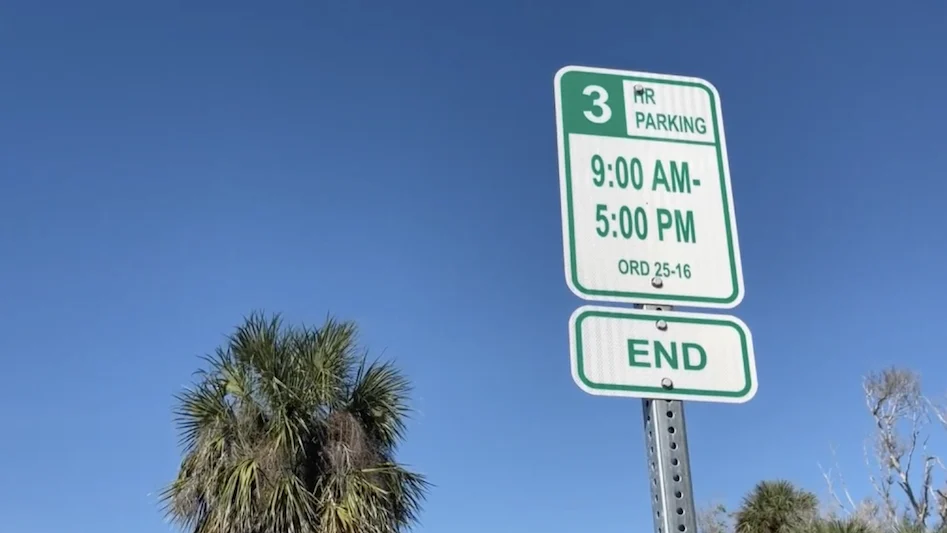
The delicate balance between resident quality of life and public access remains at the forefront of local governance as Charlotte and Lee County officials continue to navigate the Boca Grande parking restrictions dispute. During an April 27 joint session, representatives from both counties failed to reach a definitive compromise but formally agreed to extend discussions to mitigate the impact on residents and visitors alike.

Boca Grande, a premier 2.2-square-mile barrier island, presents a unique jurisdictional challenge. While the northern portion resides within Charlotte County, the southern two-thirds home to the historic village, core business district, and primary public beaches falls under Lee County jurisdiction.

The Ordinance: Rules and Repercussions

The friction stems from a Lee County ordinance adopted last August, designed to address mounting congestion and safety concerns. The current Boca Grande parking restrictions include several key mandates:

  • Village Time Limits: Unpermitted vehicles are restricted to a three-hour limit in the downtown district.

  • Beach Access Changes: Public on-street parking between First and 19th streets has been eliminated.

  • Permit System: New categories were established for employees, hotel guests, long-term visitors, and service workers to maintain essential operations.

  • Enforcement: Fines for violations range from $200 for overstaying to $500 for obstructing private driveways.

Lee County officials emphasize that these measures were a direct response to a petition signed by 1,200 local residents. Reports of property damage, blocked access for emergency vehicles, and trespassing in private yards necessitated a shift toward stricter controls to preserve the island’s prestigious “village” atmosphere.

Real Estate and Economic Considerations

For the real estate community and local business owners, the impact of these restrictions is multifaceted. While the ordinance aims to protect property values by reducing “over-tourism” and illegal parking in residential zones, some island entrepreneurs have reported a decline in commercial activity.

Charlotte County officials argue that the restrictions disproportionately affect their residents, including disabled veterans who rely on direct access to the Gulf. The dispute highlights a broader regional challenge: managing a significant population surge while maintaining the accessibility that makes Southwest Florida a world-class destination.

Proposed Solutions on the Table

Several potential remedies were discussed during the recent summit to ease the tension:

  1. Land Acquisition: A proposal for Lee County to purchase an 8.62-acre parcel to convert into a centralized parking hub.

  2. Bridge Pass Privileges: Granting specific parking rights to those who hold valid bridge passes.

  3. Seasonal Adjustments: Implementing varying parking rules during peak “season” versus the summer months.

Looking Ahead: Mediation Over Litigation

Despite the lack of an immediate resolution, both counties have opted for continued negotiation over formal legal action. Under the Florida Governmental Conflict Resolution Act, Charlotte County has the standing to pursue litigation; however, a resolution was passed on April 28 to pause conflict proceedings for 180 days.

Lee County is expected to follow suit on May 5, allowing both parties a window to explore “creative” infrastructure solutions. This pause signals a commitment to collaborative planning, ensuring that any final policy supports the long-term sustainability of Boca Grande as a premier residential and recreational haven.

Market Impact Summary

Metric Detail
Downtown Parking Limit 3 Hours (without permit)
Restricted Beach Zone 1st Street to 19th Street
Maximum Potential Fine $500.00
Negotiation Window 180-Day Extension
Categories
Uncategorized

8-Story Dual-Brand Hotel Advances on Goodlette-Frank Road

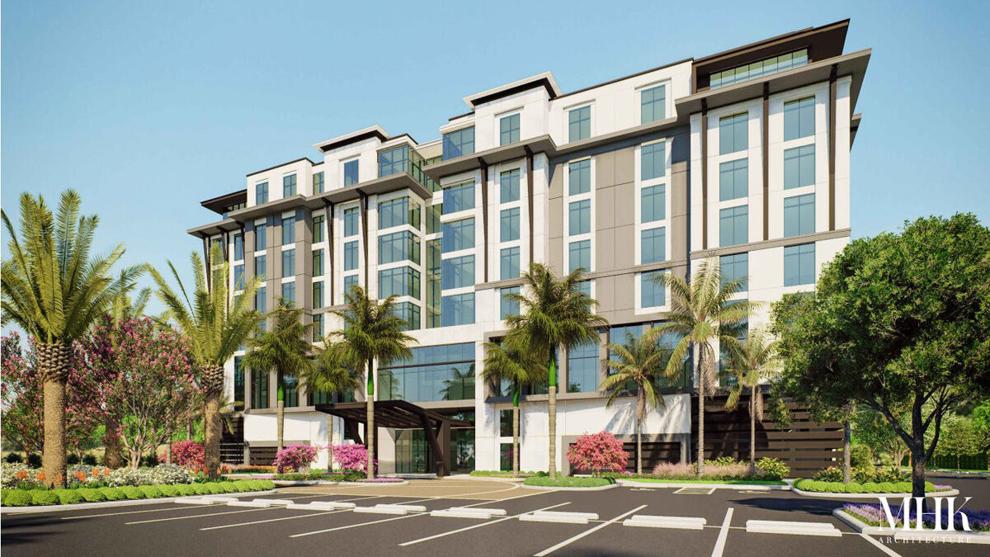
Naples Development continues to reach new heights in 2026, as evidenced by the recent unanimous approval of a sophisticated eight-story hospitality project. The Naples Planning Advisory Board (PAB) has officially cleared the way for a 290-room dual-brand luxury hotel, signaling a robust expansion of the city’s commercial and tourism infrastructure. This project, situated on 4.45 acres at 870 Goodlette-Frank Road, is a cornerstone of the evolving Naples development landscape, promising to bring high-end accommodations to the heart of the city.

The Strategic Vision for Naples Development

Located within The Commons Professional Park, this hotel project is being spearheaded by AAM Naples Hotel Owner LLC. While the specific luxury brands are still under final negotiation, the development team has confirmed they are working toward a dual-brand partnership with industry leaders Hilton and Marriott. This approach is a common trend in modern Naples development, allowing a single property to cater to diverse traveler needs from extended-stay guests to luxury weekenders within one architectural footprint.

The 188,039-square-foot structure will sit atop two stories of integrated parking, providing 290 spaces to ensure a one-to-one ratio of guest rooms to parking. By utilizing a vertical design, the project maximizes the 4.45-acre site while leaving ample room for the professional office spaces that already define The Commons.

Overcoming Challenges in Urban Naples Development

One of the most discussed aspects of this Naples development is its height. At 94 feet tall, the building stands significantly higher than the city’s standard 42-foot limit. However, the property holds vested rights dating back to a 1980 agreement and a 1989 annexation. These unique legal protections allow this specific project to exceed traditional density and height restrictions, providing a rare opportunity for large-scale hospitality growth within the city limits.

To address concerns from the neighboring Lake Park community, the developers at MHK Architecture and AJS Realty Group have made significant concessions. By removing a planned rooftop restaurant and sunset terrace, the team has prioritized the privacy and quietude of nearby residents. This collaborative approach is a hallmark of successful Naples development, ensuring that new growth respects the character of established neighborhoods.

Luxury Amenities and Environmental Design

The hotel’s layout is designed to offer an immersive, high-end experience. The third floor serves as the heart of the building, featuring:

  • An expansive lobby and business center.

  • A state-of-the-art fitness center and conference facilities.

  • A guests-only outdoor restaurant and a raised pool deck.

  • Lush landscaping featuring flowering verawood, royal palms, and clusia hedges.

Landscape architect Christian Andrea has ensured that this Naples development remains “green” by preserving mature mahogany and oak trees already on the site. A new linear park will connect the property to the surrounding streetscape, providing a scenic walkway for both guests and local residents. To mitigate traffic noise from Goodlette-Frank Road, the design incorporates water features that provide “white noise,” creating a serene oasis in the middle of a bustling professional corridor.

Looking Ahead at the Naples Development Timeline

The project now heads to the Naples City Council for a final public hearing on April 15. Following that, final approvals from the Design Review Board (DRB) will be required before construction permits can be issued. As Naples development projects of this scale continue to gain traction, they play a vital role in maintaining the economic vitality of Southwest Florida.

Categories
Uncategorized

Online Auction Surpasses $1 Million for Charity

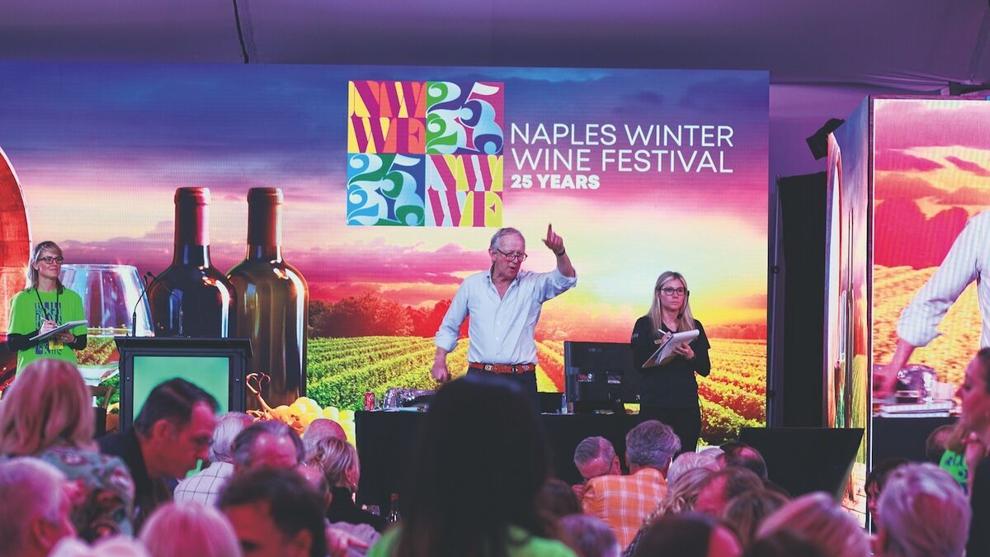
The Naples Winter Wine Festival 2026 has once again demonstrated why it is a global leader in philanthropy. This year’s online auction officially surpassed the $1 million mark, continuing a decade-long tradition of raising vital funds for at-risk and vulnerable children in Collier County.

As a cornerstone of the Naples lifestyle, the festival—themed “Picture This”—brings together world-class vintners, celebrity chefs, and generous donors. The LeAne SUAREZ Group is proud to share how these incredible results will directly impact our local community.

Breaking Records: Online & Live Auction Results

The 12th annual online auction generated over $1 million, with $742,500 coming from direct lot bidding and the remainder attributed to the “Fund a Need” initiative. Since its inception in 2015, the online extension alone has raised nearly $6 million.

When combined with the high-energy live auction, which raised over $30 million, the festival has now generated more than $366 million since 2001.

Top-Grossing Luxury Lots: From the Bahamas to the Blue Ridge

Bidders from across the country competed for over 100 exclusive offerings. Here are the highlights of the top-grossing lots:

  • The Top Seller ($31,000): “An Unforgettable Bahamas Escape at The Abaco Club.” This luxury package included a 5-day stay for three couples, featuring island adventures and a private lesson with Open champion Darren Clarke.

  • Italian Sunday Dinner ($30,000): Hosted by NCF trustees Valerie Boyd and Jeff Gargiulo (owners of Gargiulo Vineyards) at their private Naples estate.

  • North Carolina Getaways: A VIP Highlands Food & Wine Festival experience brought in $27,500, while two Linville Ridge escapes sold for a combined $27,000.

  • Naples Exclusives: A wine-paired dinner at the members-only Butcher Private, complete with a two-night Bentley rental, fetched $22,500.

Impact: Transforming the Lives of Collier County Children

Every dollar raised through the Naples Winter Wine Festival 2026 supports the Naples Children & Education Foundation (NCEF). To date, the festival has provided essential services to an estimated 385,000 children through grants to nearly 90 local nonprofit organizations.

Local Expert Note: The impact of these auctions is tangible. Funds are specifically allocated to bridge gaps in healthcare, mental health, and education. On March 16, 2026, the NCEF will officially award these grants to the local organizations that keep our community thriving.

Facility & Contact Information

The Naples Winter Wine Festival is the primary fundraiser for the Naples Children & Education Foundation.

Categories
Uncategorized

A New Era for Luxury Automobiles in East Naples

DuPont Registry Naples has officially arrived, marking a major milestone in the local luxury car market. Following the acquisition and rebranding of West Coast Exotic Cars, the world-renowned DuPont Registry brand celebrated the grand opening of its premier showroom at 2365 Linwood Ave on February 3, 2026.

Located just minutes from downtown Naples, this expansion signifies a deepening investment in the Southwest Florida lifestyle. The move coincides with the 22nd annual Cars on Fifth Concours, as the Naples Automotive Experience officially merged with the DuPont Registry brand last year.

The New State-of-the-Art Showroom

The 7,200-square-foot facility, owned by Naples resident John Reisman, is a testament to resilience. After the previous structure was lost to Hurricane Ian in 2022, the new building was engineered with the future in mind.

Local Expert Note: To protect high-value inventory from future storm surges, the facility was raised by 7 feet and equipped with advanced vehicle lifts that elevate cars two levels above the ground.

Exotic Inventory & Highlights

The DuPont Registry Naples showroom features a curated collection of some of the world’s most sought-after vehicles. At the grand opening, the inventory showcased an impressive range of price points and performance:

  • The Showstopper: A 2024 Porsche ST with only 288 miles, priced at $644,970.

  • The Classics: A fleet of four red Ferraris flanking the indoor entrance.

  • Ultra-Luxury: A 2022 Rolls-Royce Cullinan ($313,950) and a 2023 Lamborghini Huracan Sterrato ($309,950).

  • The Masterpiece: An outdoor display featuring a Pagani—an Italian sports car valued at over $2 million.

Management & Vision

The dealership will be managed by Naples local Mike Crofton. During the opening, Eric Curran, President of Sales for DuPont Registry, noted that the brand’s move into Naples is a “huge deal,” bridging the gap between the historic DuPont Registry magazine legacy and a physical, high-tech presence in one of the country’s top exotic car markets.

Whether you are attending Cars on Fifth this weekend or looking to add a new piece to your collection, the arrival of DuPont Registry Naples is a clear indicator that the Naples luxury market continues to reach new heights.

Categories
Uncategorized

The 2026 Naples Winter Wine Festival Live Auction

The Naples Winter Wine Festival returns to The Ritz-Carlton Naples, Tiburón, from January 30 through February 1, with its world-renowned live auction scheduled for 1:00 p.m. on Saturday, January 31. Now in its 26th year, this prestigious event stands as one of the most significant charity wine auctions globally, combining rare vintages and ultra-luxury travel with a mission to support vulnerable children and families in Collier County.

Since its inception in 2001, the festival has raised more than $336 million through the Naples Children & Education Foundation (NCEF). These funds provide critical support for healthcare, education, and social services throughout Southwest Florida.

Record-Breaking Momentum for the Naples Winter Wine Festival

The 2026 event follows an unprecedented year of generosity. In 2025, the festival surpassed its own records by raising over $34 million, cementing the region’s reputation as a leader in American philanthropy. Organizers have curated this year’s auction lineup to maintain that momentum, offering a slate of experiences that blend global exploration with exclusive private access.

“Our team has worked throughout the year with our generous donors and loyal supporters in curating some truly remarkable wine, food, and travel experiences,” said Joe Matina, an NCEF trustee. The goal remains focused: encouraging patrons to bid generously to drive lasting change for local youth.

Exclusive Experiences in the Naples Winter Wine Festival Catalog

The live auction catalog features once-in-a-lifetime opportunities, including:

  • Global Travel: Immersive journeys through iconic wine regions and stays in private villa retreats.

  • Luxury Voyages: Private yacht expeditions and invitations to major international sporting events.

  • Collectible Vintages: Rare library selections, magnums, and double magnums designed for the most serious collectors.

  • Culinary Access: Behind-the-scenes tours and curated dinners led by celebrated chefs and vintners.

Valerie Gargiulo, NCEF trustee, noted that every dollar raised during the auction is an investment in proven programs that transform lives within our community.

Live Coverage and Philanthropic Impact

For those following the event’s progress, real-time coverage will be available throughout the afternoon of January 31. Reporting will track winning bids and the mounting total of funds raised as the auction unfolds.

The proceeds from the Naples Winter Wine Festival are managed by the Naples Children & Education Foundation, which prioritizes long-term, measurable outcomes for families across the region. This commitment to excellence and community welfare continues to make the festival a highlight of the Southwest Florida winter season.

Categories
Uncategorized

Home Renovation Planning: Start With Daily Living for Long-Term Value

Home Renovation Planning

When the urge to renovate strikes, it is natural to start with the fun part: browsing paint chips, pinning kitchen trends, and imagining new furniture. However, experienced homeowners and real estate pros know that a truly successful smart home remodel doesn’t start with aesthetics. It starts with an honest look at how you live.

If a renovation focuses only on surface-level beauty, the finished room might look magazine-ready but remain inconvenient to use and costly to maintain. To maximize comfort, durability, and long-term property value, the planning phase must prioritize the “unseen” mechanics of daily life.

Here is how to create a renovation plan that prioritizes function, ensuring every upgrade solves a problem rather than creating a new one.

1. Audit Your Routine: The “Function-First” Approach

Most remodeling regrets do not stem from choosing the wrong backsplash. They come from fixing surfaces while leaving everyday frustrations untouched. Before you hire a contractor or buy materials, perform a “livability audit” of your home.

Walk through a typical Tuesday morning or Thursday evening. Look for friction points:

  • Traffic Jams: Where does the family bottleneck? (e.g., the hallway during the morning rush).

  • Clutter Zones: Where do items like mail, coats, or kitchen gadgets inevitably pile up?

  • Workflow Failures: Does the kitchen layout force you to cross the room repeatedly while cooking?

The SEO Tip: Turn these observations into specific renovation goals. If your audit reveals poor flow, your goal becomes “widen transition areas.” Function-first planning prevents trendy choices from becoming future headaches.

2. Budget for the Invisible: Infrastructure and Systems

A remodel can look flawless on the surface and still underperform if the home’s “internal organs” are outdated. Planning beyond aesthetics means budgeting for the work you will not see but will rely on every day.

Key Infrastructure Updates:

  • Electrical & Plumbing: Older homes often require panel upgrades or pipe replacements to handle modern appliances and water pressure needs.

  • Ventilation: Proper airflow prevents mold and protects your new finishes.

  • Structural Integrity: Ensure framing is square and solid before drywall goes up.

The Contingency Fund Renovation timelines and budgets often shift once demolition begins. Contractors may uncover hidden moisture damage or uneven framing. Always build a contingency buffer (10-20%) into your budget. This allows you to fix problems properly rather than covering them up, protecting your investment for the long haul.

3. Future-Proofing: Design for Adaptability

A good remodel solves today’s problems; a great remodel anticipates tomorrow’s needs. This concept, often called aging in place or universal design, ensures your home remains comfortable as your life evolves.

Think beyond square footage and focus on adaptability:

  • Flexible Spaces: Can a guest room double as a home office? Can a dining nook transition into a homework station?

  • Mobility: Wider doorways and curbless showers look modern but also accommodate mobility changes or injuries.

  • Durability: Choose high-quality, moisture-resistant materials that are easy to clean. This reduces maintenance costs and keeps the home looking fresh for years.

4. The Systems of Comfort: Light, Sound, and Air

When you move walls or open up floor plans, you alter the physics of your home. A comprehensive plan treats comfort as a system.

  • Lighting Design: Don’t rely on a single overhead fixture. Layer your lighting with ambient sources for brightness, task lighting for work areas, and dimmers to control glare on screens.

  • Acoustic Control: Open concepts can be noisy. Invest in solid-core doors for privacy and soft-close cabinetry to reduce daily noise pollution.

  • Air Quality: Ensure your HVAC system is re-balanced to support the new layout, preventing hot spots or stale air pockets.

5. ROI and Resale Value

Even if you plan to stay in your home for decades, it is wise to consider resale value. Buyers are increasingly savvy; they notice efficient layouts, abundant natural light, and energy efficiency just as much as they notice granite countertops.

By adhering to a logical construction sequence—demolition, rough-ins, then finishes—and obtaining all necessary permits and inspections, you verify the safety of your home. This documentation is gold when it comes time to sell, proving that the work was done right.

Conclusion

A renovation is a major investment of time and money. It should do more than just make your rooms look better—it should make your life easier. By planning for flow, infrastructure, and future adaptability, you ensure that every upgrade supports your lifestyle.

Are you ready to plan a remodel that works as good as it looks? The LeAneSUAREZGroup is here to help you navigate the process, ensuring your home investment pays off in both daily comfort and long-term equity.

Categories
Uncategorized

Don’t Let Your Old 401(k)s Cost You $90,000 in Retirement

Switching jobs frequently is common, but it can come with a hidden cost: forgotten 401(k) accounts. According to a PensionBee analysis, leaving behind old retirement savings could cost you more than $90,000 by the time you retire. This happens because neglected accounts often get hit with high fees, don’t grow as fast, and can be difficult to track over time.

The Problem and the Price

The average American now changes jobs every few years, creating a risk of leaving a 401(k) behind with each move. These forgotten accounts can be a major drain on your nest egg due to several factors:

  • High Fees: Small monthly fees, sometimes as little as $4.55, can add up to thousands of dollars over decades, eroding your savings.
  • Stagnant Growth: Accounts left in “Safe Harbor IRAs” often prioritize security over growth, leading to low returns that can’t keep up with inflation.
  • Lost Track: Over time, it’s easy to completely lose track of old accounts, making it impossible to manage them or benefit from their growth.
Simple Steps to Take Control

The good news is that you can easily reclaim your savings. When you leave a job, you have a few smart options for your old 401(k):

  1. Roll it over into your new employer’s 401(k).
  2. Transfer it to an IRA, which often gives you more investment options.

Cashing out is almost never a good idea due to hefty taxes and penalties.

To get started, simply contact your former employers or use tools like the Portability Services Network to locate old accounts. Consolidating your retirement savings allows you to simplify your finances, choose better, low-cost investments, and ensure your money is working as hard as possible for your future.

Categories
Uncategorized

SCCF Applauds New Laws Supporting Water Quality and Fisheries

The Sanibel-Captiva Conservation Foundation (SCCF) is celebrating the enactment of two critical environmental laws following President Joe Biden’s approval in January. These new laws — the Water Resources Development Act of 2024 (WRDA ’24) and the Fishery Improvement to Streamline untimely regulatory Hurdles post Emergency Situation (FISHES) Act — mark significant progress in protecting water quality, supporting fisheries, and preserving ecosystems in Southwest Florida.

Water Resources Development Act of 2024 (WRDA ’24)

Passed by Congress every two years, WRDA authorizes water projects and research activities across the country. WRDA ’24 brings several benefits to Southwest Florida, focusing on water quality and harmful algal bloom (HAB) mitigation:

  • Caloosahatchee River Designation: The Caloosahatchee River is now recognized as a focus area for addressing harmful algal blooms, a vital step for improving local water quality.
  • Expanded HAB Demonstration Program: The program now includes the Lake Okeechobee Watershed, aiming to reduce nutrient flow from upstream sources and minimize algal bloom risks.
  • Lake Okeechobee Watershed Restoration: Efforts to expedite this project will improve water management, enhancing the quantity and timing of discharges to the Caloosahatchee and St. Lucie Estuaries.
  • Western Everglades Restoration Project: Accelerated work on this Comprehensive Everglades Restoration Plan (CERP) project will reconnect and rehydrate the Everglades ecosystem, increasing the flow of clean water southward.
FISHES Act: Supporting Fisheries Workers

The FISHES Act streamlines disaster relief funding for fisheries workers, a crucial measure for Southwest Florida, where many workers have faced delays in receiving Hurricane Ian relief more than two years after the storm.

“This legislation is a significant win for our coastal communities,” SCCF Environmental Policy Director Matt DePaolis stated. “With WRDA ’24 and the FISHES Act, we’ve made great strides toward protecting Southwest Florida’s ecosystems and supporting fisheries that rely on clean water and a healthy environment.”

Protecting Marine Ecosystems from Offshore Development

In addition to these legislative victories, President Biden has taken further action to safeguard marine ecosystems by protecting 625 million acres of ocean from new offshore oil and gas development. This includes the eastern portion of the Gulf of Mexico, a move SCCF strongly supports. The ban aims to prevent potential harm to marine ecosystems, ensuring long-term environmental health and sustainability.

A Bright Future for Southwest Florida

With the passage of these laws and the new offshore protections, Southwest Florida is taking critical steps toward healthier ecosystems and stronger communities. SCCF’s advocacy efforts, in partnership with local and national organizations, highlight the importance of collaborative action to protect our natural resources and support the people who depend on them.

For more information about SCCF’s work or these legislative updates, visit sccf.org.

Categories
Uncategorized

Yellow Necklacepod: A Pollinator-Friendly Native Shrub

The yellow necklacepod (Sophora tomentosa var. truncata) is a native evergreen shrub found throughout central and south Florida. Belonging to the pea family (Fabaceae), this hardy plant thrives in Florida’s coastal habitats, such as dunes, coastal strands, and hammocks. Its natural resilience makes it both drought- and salt-tolerant, making it a valuable addition to Florida-friendly landscapes.

Growth and Characteristics
  • Size & Shape: A fast-growing shrub, it typically reaches up to 10 feet in height and 4-8 feet in width.
  • Foliage: The leaves are pinnately compound and slightly glabrous, giving them a smooth, shiny appearance.
  • Flowers: Yellow necklacepod produces vibrant yellow flowers year-round, making it a standout in any garden.
  • Seed Pods: After blooming, it forms unique seed pods resembling a beaded necklace, which inspired its name.
Planting and Care
  • Light & Soil: Prefers full sun and well-draining soils. Once established, it can withstand periods of drought but cannot tolerate freezing temperatures.
  • Maintenance: Minimal care is required, as this plant is well-adapted to Florida’s coastal conditions.
Toxicity Warning

The seeds of the yellow necklacepod contain alkaloids, which are toxic if consumed. Care should be taken if planted in areas frequented by pets or children.

Native vs. Nonnative Varieties

The native variety is often confused with its nonnative counterpart, Sophora tomentosa var. occidentalis, which is commonly sold at big box stores. The nonnative variety can be identified by the small hairs that cover the plant, unlike the smooth native variety. Be cautious when purchasing, as the two can hybridize. To ensure you’re planting the native species, buy from reputable nurseries.

Wildlife Benefits

Yellow necklacepod is a fantastic choice for wildlife gardens. Its striking yellow flowers attract a wide array of pollinators, including:

  • Butterflies
  • Bees
  • Hummingbirds

By incorporating this plant into your garden, you not only enjoy its beauty but also support essential pollinator populations. Whether you’re creating a coastal landscape or a pollinator haven, the yellow necklacepod is a valuable and eco-friendly addition.

Categories
Uncategorized

North America’s Rarest Heron: The Reddish Egret

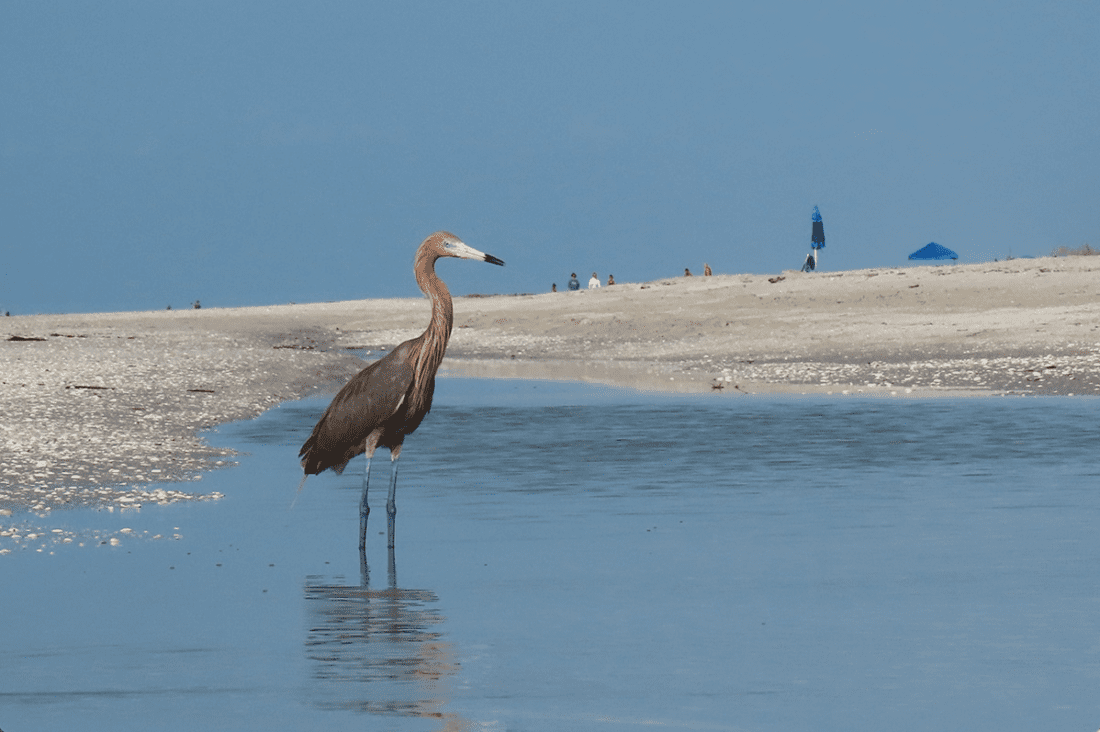
The Sanibel-Captiva Conservation Foundation (SCCF) recently highlighted the presence of North America’s rarest heron, the reddish egret (Egretta rufescens), on Sanibel Island. Known for its captivating and graceful foraging style, this rare species is estimated to have around 15,000 breeding individuals worldwide. Of these, only about 2,400 are found in the United States, with 350-400 breeding pairs residing in Florida.

Conservation Status of the Reddish Egret

Listed as a state-threatened species in Florida, reddish egrets are also classified as near-threatened by the International Union for Conservation of Nature (IUCN). Their patchy distribution in coastal habitats makes them especially vulnerable. Although many aspects of the threats facing reddish egrets are still unclear, major concerns include coastal development, nesting disturbances, loss of genetic diversity, and increased vulnerability to predators.

Unique Characteristics of the Reddish Egret

One of the most striking aspects of the reddish egret is its two distinct color morphs. According to Aaron White, SCCF shorebird technician, “The typical reddish egret, known as the dark morph, has a blue-gray body with a cinnamon-colored neck and head, paired with a bi-colored pink-and-black bill. The rarer white morph, which suffered due to the feather trade, has entirely white plumage.”

Spectacular Foraging Behavior

The reddish egret’s foraging style is one of its most fascinating traits. These birds hunt in shallow coastal waters, performing a variety of energetic movements like running, jumping, and twirling to catch small fish and crustaceans. One particularly inventive hunting method they use is called “canopy shading.” By extending their wings to create a shaded area on the water’s surface, they attract fish seeking refuge in the shade, making them easier to catch.

Nesting Habits and Local Populations

During the nesting season, reddish egrets gather in large colonial rookeries alongside other bird species or sometimes nest in isolated pairs. Locally, they can be found nesting on the rookery islands in Pine Island Sound. Their nests, typically constructed from sticks, are platform-like structures built on mangrove keys.

“They need high-quality foraging grounds to successfully hunt, so they are limited to nesting in areas that meet these needs,” said White.

How You Can Help Protect the Reddish Egret

The reddish egret’s charismatic behavior makes them a delight to observe, especially their remarkable canopy shading technique. However, the SCCF emphasizes the importance of watching these birds from a safe distance to avoid disturbing their feeding.

“Humans and pets are perceived as predators by birds, and getting too close can disrupt their feeding,” White noted.

Additionally, supporting efforts to preserve and restore coastal mangrove habitats is critical. These ecosystems provide essential foraging, nesting, and reproductive environments for reddish egrets and many other coastal species.

By respecting their space and supporting habitat conservation, we can help ensure the survival of this rare and beautiful bird for generations to come.