Categories
Island Update

Casa Blanca Mexican Restaurant Opens in South Fort Myers After $1.2M Facelift

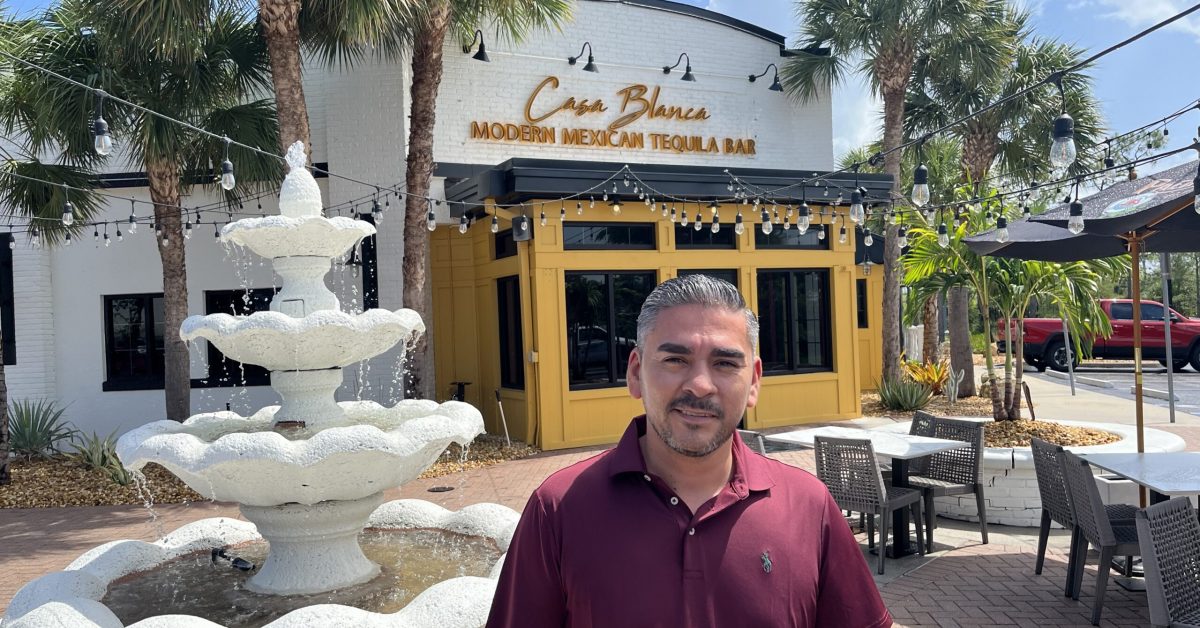
A new Mexican restaurant and bar, Casa Blanca, has opened in south Fort Myers after a $1.2 million facelift. The restaurant is located at 2210 Ortiz Ave., in the former Stevie Tomato’s Sports Page space.

Casa Blanca is owned by Omar Aguirre, who also owns the popular El Burro Loco Mexican restaurant in Fort Myers. Aguirre said he wanted to create a more upscale Mexican dining experience with Casa Blanca.

The restaurant features a modern interior with a large bar, a dining room with booth seating, and an outdoor patio. The menu features traditional Mexican dishes with a modern twist, as well as a wide selection of tequilas and margaritas.

Entrees start at $16 and go up to the $30 range. A house margarita costs $12.

Casa Blanca is open from 11 a.m. to 11 p.m. Sundays through Thursdays and 11 a.m. to midnight on Fridays and Saturdays.

Aguirre said he is excited to bring Casa Blanca to south Fort Myers and he hopes the restaurant will become a popular destination for locals and visitors alike.

Click here for the full report

Categories
Island Update

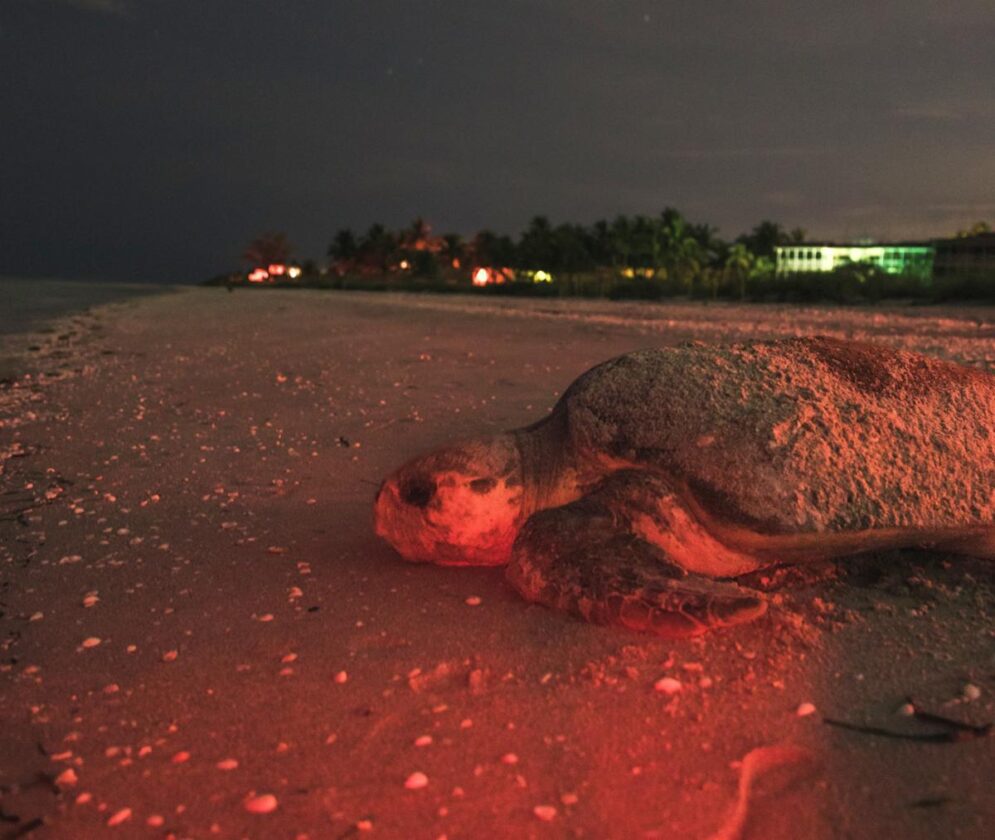
SCCF Reports Record Number of Nighttime Sea Turtle Encounters

The Sanibel-Captiva Conservation Foundation (SCCF) announced today that its staff has had a record number of nighttime sea turtle encounters on Sanibel as of August 11, 2023. In total, SCCF staff have logged 406 nighttime turtle encounters this year, surpassing the previous record of 387 encounters set in 2021.

The increase in nighttime turtle encounters is likely due to a number of factors, including the warmer weather, which encourages sea turtles to nest earlier in the season. Additionally, the SCCF has been working to increase public awareness of sea turtle nesting and to encourage people to report turtle sightings.

“We are thrilled to see such an increase in nighttime turtle encounters,” said SCCF Executive Director Dan Brown. “This is a sign that our conservation efforts are working and that we are helping to protect sea turtles on Sanibel and Captiva.”

SCCF staff use a variety of methods to track sea turtle nesting activity, including nighttime patrols, aerial surveys, and citizen science programs. When SCCF staff encounter a sea turtle nesting on the beach, they take a number of steps to protect the turtle and its eggs, including:

  • Placing a protective fence around the nest to deter predators
  • Marking the nest with a flag so that it can be easily identified
  • Monitoring the nest for signs of hatching

Once the eggs hatch, SCCF staff help the hatchlings safely make their way to the ocean.

The SCCF is committed to protecting sea turtles on Sanibel and Captiva. By increasing public awareness and working to protect sea turtle nesting sites, the SCCF is helping to ensure the future of these amazing creatures.

If you see a sea turtle nesting on the beach, please report it to the SCCF by calling 239-472-2329. Your report can help SCCF staff protect the turtle and its eggs.

Categories
Island Update

Mortgage Rates Tick Higher: 30-Year at 6.96%

The average long-term U.S. mortgage rate rose this week to just under 7%, the highest level since 2008. This is the third consecutive weekly increase, and it is a major setback for would-be homebuyers who are already facing affordability challenges due to a shortage of homes for sale.

The average rate on a 30-year fixed-rate mortgage is now 6.96%, up from 6.90% last week. A year ago, the rate averaged 5.22%. This means that a borrower with a $200,000 mortgage would pay about $1,500 more per month than they would have a year ago.

The high mortgage rates are being driven by a number of factors, including inflation, rising interest rates, and the ongoing war in Ukraine. Inflation is at a 40-year high, and the Federal Reserve is raising interest rates in an effort to cool it down. This is putting upward pressure on mortgage rates, as well as other types of loans. The war in Ukraine is also contributing to inflation, as it has disrupted global supply chains.

The high mortgage rates are making it more difficult for people to afford to buy a home, especially in markets where home prices are already high. This is likely to lead to a slowdown in home sales in the coming months. It could also lead to an increase in foreclosures, as some homeowners may be unable to afford their mortgage payments.

If you are thinking about buying a home, it is important to be aware of the high mortgage rates and how they will impact your monthly payments. You may want to consider waiting until mortgage rates come down before you make an offer on a home. You may also want to consider a shorter-term mortgage, such as a 15-year mortgage, which typically has a lower interest rate than a 30-year mortgage.

Click here for the full article

Categories
Island Update

FISH Of SanCap 2023 Annual Race: A Run for a Cause

The 15th annual Fish of SanCap road race is scheduled for Saturday, December 2, 2023. This year, the organizers are restructuring the race fundraiser to celebrate the resilience of the islands by adding a 5K to the morning’s activities, followed by a kids’ fun run family day hosted by and in partnership with the Sanibel Recreation Center.

It will be the first in-person event in recent years. In 2020-2021, the organization offered a virtual-only race due to COVID, and the 2022 event was canceled due to Hurricane Ian. The 2023 10K/5K will also offer a virtual option, but FISH encourages runners to join in person and stay on the islands for the day or weekend.

The race will start and finish at the Sanibel Community House. The 10K course will take runners along Sanibel’s scenic streets and trails, while the 5K course will be a flatter, out-and-back course on Sanibel’s Causeway.

Registration for the race is now open. Early bird registration is available until September 25, 2023. Registration fees are as follows:

  • 10K: $45 early bird, (Price increases after September 25, 2023 at 11:59pm EDT)
  • 5K: $45 early bird,
  • (Price increases after September 25, 2023 at 11:59pm EDT)
  • FISH 10K – 18 & Under: $35 (Registration ends December 2, 2023 at 7:15am EST)
  • FISH 5K – 18 & Under: $35 (Registration ends December 2, 2023 at 7:15am EST)
  • FISH 10K Virtual: $50 (Registration ends December 1st, 2023 at 11:59pm EST)
  • FISH 5K Virtual: $50 (Registration ends December 1st, 2023 at 11:59pm EST)
  • Kids Fun Run: $0 (Registration ends December 1st, 2023 at 11:59pm EST)

Click here for more info

Categories
Island Update

Doc Ford’s Fisherman’s Wharf Reopens After 10 Months of Renovations

Doc Ford’s Fisherman’s Wharf Reopens After 10 Months of Renovations

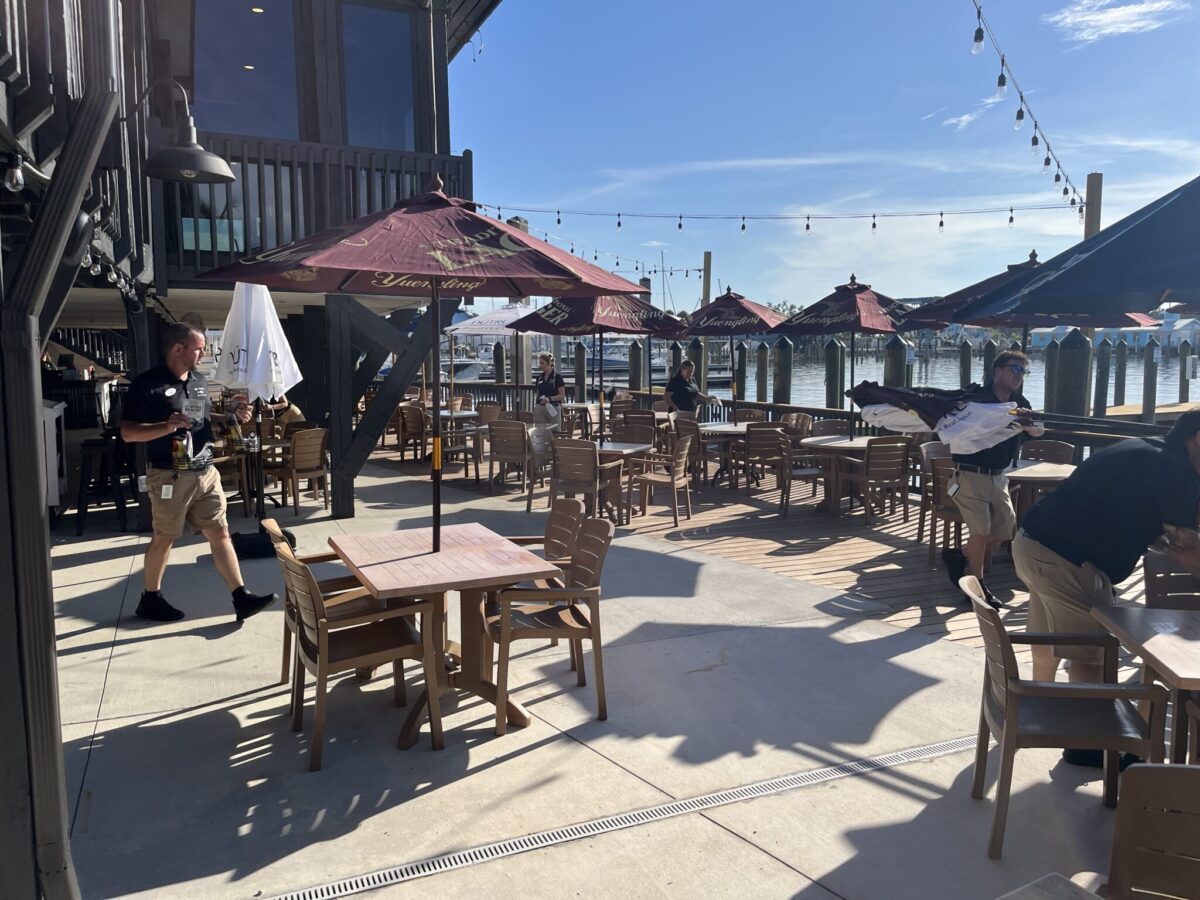
After being closed for 10 months due to Hurricane Ian, Doc Ford’s Fisherman’s Wharf in Fort Myers Beach reopened its doors on Monday, July 31. The restaurant’s wooden docks were wrecked by the hurricane’s winds and storm surge, but the rest of the building was spared.

“It’s been a heckuva ride,” said Joe Harrity, one of Doc Ford’s managing partners. “But we’re excited to be back open and serving our guests.”

The restaurant has undergone a number of renovations since it closed, including the installation of a new roof, new flooring, and new furniture. The kitchen has also been upgraded, and the menu has been expanded to include new dishes.

“We’re really proud of the way the restaurant turned out,” said Harrity. “We think our guests are going to be really happy with it.”

Doc Ford’s Fisherman’s Wharf is located at 1200 Estero Blvd. in Fort Myers Beach. The restaurant is open for lunch and dinner, seven days a week.

In addition to the renovations, Doc Ford’s has also made a number of changes to its menu. The new menu features a variety of seafood dishes, as well as burgers, sandwiches, and salads. There are also a number of new cocktails and beer on tap.

The restaurant is also offering a number of specials to celebrate its reopening. For example, diners can get a free appetizer with the purchase of an entree on Mondays and Tuesdays.

Doc Ford’s Fisherman’s Wharf is a popular spot for locals and tourists alike. The restaurant offers a casual atmosphere and a great view of the water. It’s a great place to go for a meal with friends or family.

Click here for the full article

Categories
Island Update

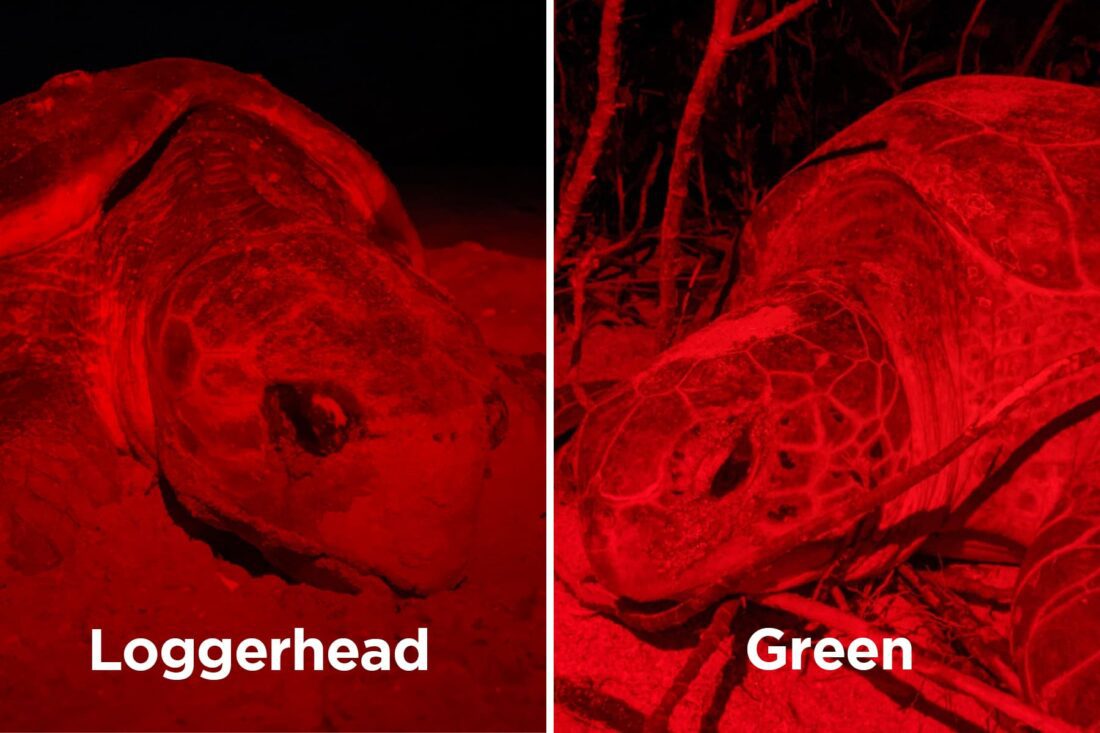
Loggerhead vs. Green Sea Turtles: What Are the Differences?

Loggerhead and green sea turtles are two of the most common sea turtles found in the waters off of Southwest Florida. Both species are important members of the marine ecosystem, but there are some key differences between them.

Size

Loggerheads are the larger of the two species, with an average carapace length of 2-3 feet. Green turtles are smaller, with an average carapace length of 1.5-2 feet.

Diet

Loggerheads are omnivorous, meaning they eat both plants and animals. Their diet consists of a variety of prey items, including jellyfish, crabs, clams, and fish. Green turtles are herbivores, and their diet consists primarily of seagrasses and algae.

Nesting Behavior

Loggerhead and green sea turtles both nest on beaches, but they have different nesting behaviors. Loggerhead turtles typically nest at night, while green turtles nest during the day. Loggerhead nests are also smaller than green turtle nests, and they are usually located in more protected areas.

Conservation Status

Both loggerhead and green sea turtles are listed as endangered species. However, loggerheads are considered to be more critically endangered than green turtles. This is because loggerhead turtles have a lower reproductive rate than green turtles.

How You Can Help

There are a number of things you can do to help protect loggerhead and green sea turtles. Here are a few tips:

  • Avoid using beachfront lighting at night, as this can disorient nesting turtles.
  • Pick up trash on the beach, as this can harm turtles and their nests.
  • Support organizations that are working to conserve sea turtles.

Click here for more info

Categories
Real Estate News

How to Do a 1031 Exchange

A 1031 exchange is a tax-deferred exchange that allows you to sell one investment property and use the proceeds to buy another investment property of equal or greater value. This can be a great way to grow your real estate portfolio without having to pay taxes on the capital gains from the sale of your first property.

Here are the steps on how to do a 1031 exchange:

  1. Identify the property you want to sell. This is the first step in any 1031 exchange. You need to find a property that you are willing to sell and that meets the requirements of a 1031 exchange.
  2. Identify the property you want to buy. Once you have sold your first property, you need to find a new property to buy. This property must be of equal or greater value than the property you sold.
  3. Choose a qualified intermediary. A qualified intermediary (QI) is a third party who will help you facilitate the exchange. The QI will hold the proceeds from the sale of your first property until you purchase the new property.
  4. Decide how much of the sale proceeds will go toward the new property. You will need to decide how much of the sale proceeds from your first property will be used to purchase the new property. The remaining proceeds will be returned to you.
  5. Keep an eye on the calendar. There are strict time limits for completing a 1031 exchange. You have 45 days to identify the new property and 180 days to close on the purchase.
  6. Be careful about where the money is. The money from the sale of your first property must be held in escrow by the QI until you purchase the new property. You cannot touch this money or use it for any other purpose.

If you follow these steps, you can successfully complete a 1031 exchange and defer the taxes on the capital gains from the sale of your first property.

Here are some additional tips for doing a 1031 exchange:

  • Start planning early. It takes time to find the right properties and to work with a qualified intermediary.
  • Get professional help. A qualified real estate advisor can help you find the right properties and navigate the complex rules of a 1031 exchange.
  • Be aware of the risks. There are some risks associated with 1031 exchanges, such as the risk that the new property will not appreciate in value or that the market will crash.

Conclusion

A 1031 exchange can be a great way to grow your real estate portfolio without having to pay taxes on the capital gains from the sale of your first property. However, it is important to understand the rules and to work with a qualified professional to ensure that the exchange is completed correctly.

As of today, August 4, 2023, there are still 44 days left in the 180-day window for completing a 1031 exchange. If you are considering a 1031 exchange, it is important to act quickly so that you do not miss the deadline.

Click here for more info

Categories
Island Update

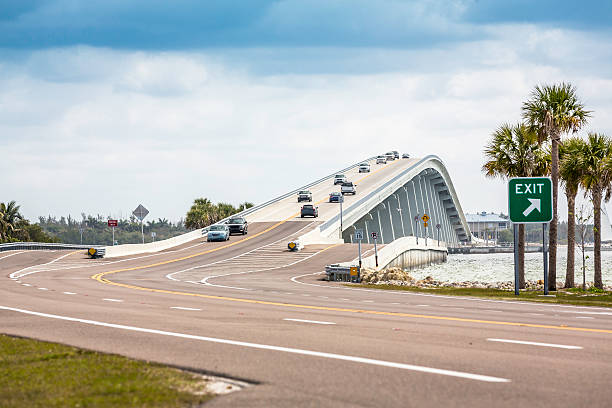
Lee Commissioners waive tolls on Sanibel Causeway for next six Sundays

Board votes to support “Savor the Shore” campaign to boost restaurants and attractions

Fort Myers, FL, Aug. 1, 2023 – The Lee Board of County Commissioners voted Tuesday to waive tolls on the Sanibel Causeway for the next six Sundays in support of the “Savor the Shore” campaign organized by the Lee County Visitor & Convention Bureau.

Tolls on the Causeway will be waived each Sunday through Sept. 10. The campaign is intended to encourage residents to enjoy access to local restaurants and attractions during the off-season. Tolls are waived each Sunday on the Causeway only, not additional Lee County bridges.

To receive updates from Lee County Government, sign up for the newsletter here: www.leegov.com/resources/newsletters. Follow Lee County Government on Facebook, www.facebook.com/leecountyflbocc

Categories
Island Update

Restoration Progressing at Puschel Preserve

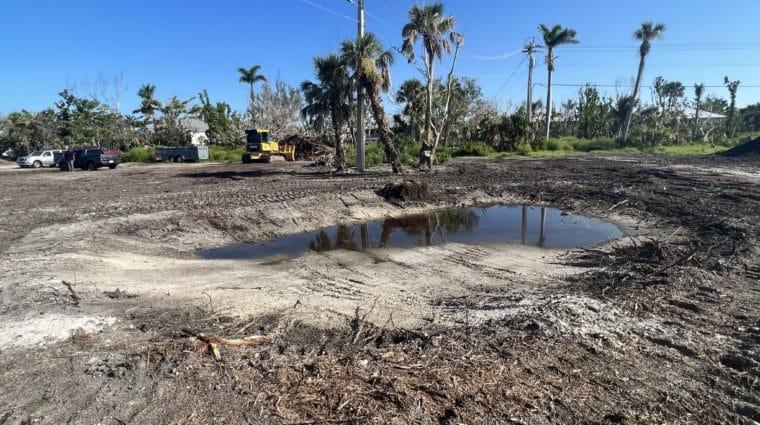
Restoration efforts are quickly progressing at the Puschel Preserve on Sanibel. As of July 11, the last of the exotic trees such as Australian pine, javaplum and seaside mahoe had been removed or left in place for cavity-nesting birds.

The Sanibel-Captiva Conservation Foundation (SCCF) is leading the restoration project, which is funded by the Florida Forever program. The goal of the project is to restore the preserve to its natural state as a coastal scrub habitat.

In addition to removing the exotic trees, SCCF has also planted native plants, such as saw palmetto, seagrape and cocoplum. These plants will help to restore the preserve’s ecosystem and provide food and shelter for wildlife.

The public will not be able to access the preserve until the restoration is complete. However, SCCF is planning to open a circular public trail off the city’s Shared Use Path in the northern section of the property. The trail will lead to a pollinator garden and scenic overlook onto wetland and sculpture gardens.

The restoration of the Puschel Preserve is a major step forward in the conservation of Sanibel’s natural resources. The preserve is home to a variety of wildlife, including gopher tortoises, shorebirds, and butterflies. By restoring the preserve to its natural state, SCCF is helping to ensure that these species will have a place to live for generations to come.

Categories
Island Update

Iconic Sanibel and Captiva Island Businesses Reopen After Hurricane Ian

As the islands of Sanibel and Captiva continue to recover from Hurricane Ian, a trio of iconic island businesses have reopened after overcoming various challenges.

  • She Sells Sea Shells

Anne Joffe opened the shell shop at 1157 Periwinkle Way in 1974. One of the challenges she faced in reopening was finding her battered storefront sign, which is one of the first things tourists see upon driving onto the island. On September 28, the storm’s winds blew it apart, and the tidal surge moved it into the woods across the street. Joffe’s children later found it and refurbished it, putting it back in place.

Joffe reopened the store during Fourth of July weekend after dealing with damage created by her store’s biggest nemesis: hurricanes.

  • Nanny’s of Sanibel

Heather Termini bought Nanny’s of Sanibel, 1700 Periwinkle Way, last year. The previous owner didn’t want to deal with the post-hurricane hassles. Termini, however, saw the pros in acquiring a business that will celebrate its 41st anniversary later this year.

Just two weeks after Termini bought the business, a fire in the neighboring Jerry’s grocery store caused the sprinkler system to flood the inside of her store. This forced her to close and redo the flooring and drywall, which had escaped the hurricane’s wrath. She reopened on March 1 after being closed for most of February.

  • RC Otter’s

On Captiva, owner Sandy Stilwell Youngquist and her team at RC Otter’s will cut the ribbon for its grand reopening party at 5:30 p.m. on Thursday.

Contractors put on a new roof. While they were at it, they also raised the ceiling, keeping the dining room the same size but giving it a roomier feel.

Up next will be refurbishing the Keylime Bistro restaurant across the street. Youngquist is planning to reopen it by September 22, coinciding with the start of the Island Hopper Songwriter Fest.

These three businesses are just a few examples of the resilience of the people and businesses on Sanibel and Captiva. Despite the challenges they faced after Hurricane Ian, they have all reopened and are ready to welcome visitors back to the islands.

Click here for the full story