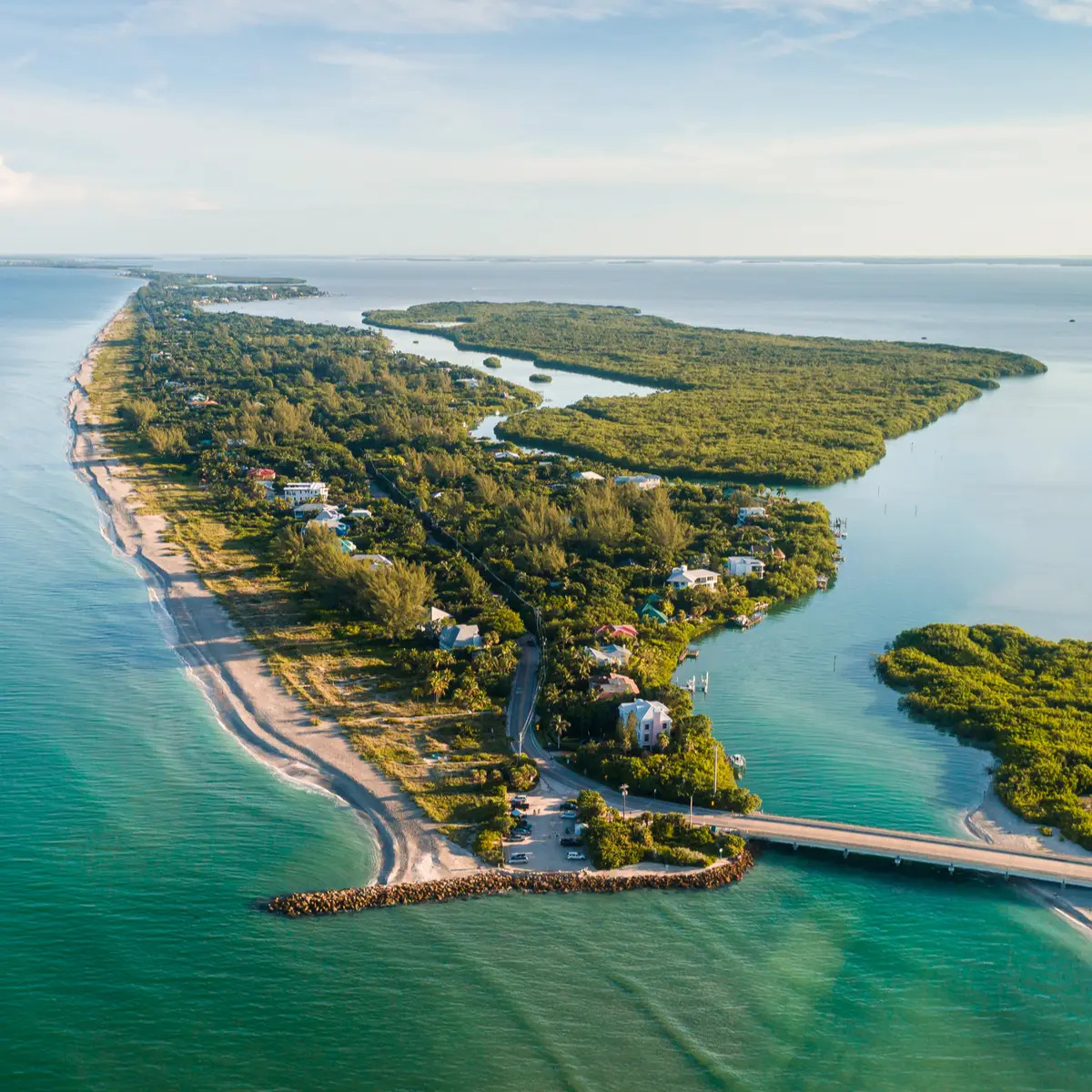
The highly anticipated Captiva stormwater management system plan has officially progressed from the engineering phase to public review, marking a crucial step forward for barrier island infrastructure along Florida’s Gulf coast. With design work now completed by a contracted consulting firm, residents and property owners are preparing to evaluate the proposed municipal drainage solutions during an upcoming community meeting. This pivotal infrastructure update arrives at a critical moment for the island, as local leaders simultaneously navigate complex wastewater challenges and fight to defend their independent community planning rights from sweeping county-level regulatory changes.
For residents eager to understand the scope and financial impact of the proposed civil engineering updates, the consulting firm will formally present its report to the public on Tuesday, November 10, 2026, from 5:00 p.m. to 6:30 p.m. at the Captiva Civic Center.
Evaluating the Captiva Stormwater Management System Plan
According to Captiva Community Panel Secretary Jay Brown, who actively serves on the island’s stormwater committee, the finalized Captiva stormwater management system plan primarily targets localized flooding and runoff issues that have historically plagued the island’s commercial and residential core.
The comprehensive design strategy includes two primary operational phases:
-
Captiva Drive Improvements: The installation of high-capacity drainage infrastructure along significant, flood-prone segments of Captiva Drive within the Village area.
-
Side Street Runoff Control: Implementing dedicated property drainage solutions across a significant number of side streets feeding into the Village, designed to channel standing water away from vulnerable residential foundations and local roadways.
During the November 10 presentation, the engineering consultants will provide the community with a rough cost estimate for the construction phase, paired with a detailed cost-benefit analysis. Brown emphasized that this financial analysis is a critical component of the study. Demonstrating a strong return on investment for the community is essential for securing outside funding and ensuring that the financial burden of the project can potentially be absorbed by external grants or municipal partners rather than falling entirely on local property owners.
Following the public presentation, the consulting firm will incorporate feedback from the panel before drafting the final plan, which is slated for completion in late November or early December.
Wastewater Upgrades Placed on Temporary Hold
While stormwater logistics are advancing rapidly, the island’s ongoing wastewater modernization efforts have encountered logistical delays. For an extended period, the committee explored establishing a partnership with the neighboring City of Sanibel to process Captiva’s wastewater at the Donax treatment plant. However, comprehensive evaluations revealed that routing utilities to the Donax facility would carry prohibitive costs.
As a result, the panel is pivoting its strategy. “We might shift our focus from having Donax doing our processing to the plant in South Seas,” Brown noted.
Any potential partnership utilizing the FGUA South Seas Waste Water Treatment Plant is currently on hold. The committee must first wait to see the final scope of future commercial and residential development slated for the South Seas property to determine what capacity improvements the existing treatment plant will require.
The Fight to Preserve the Captiva Community Plan
Beyond infrastructure updates, the most pressing existential threat facing the island is Lee County’s recent proposal to eliminate the Captiva Plan entirely. Captiva is one of 17 communities in Lee County that maintain their own localized community plans, allowing residents to dictate a specific vision for future development, zoning policies, and land-use regulations.
Historically, Lee County supported these localized efforts, previously providing annual grants to help offset the administrative costs of community planning. However, local leaders were recently informed that the county intends to cease supporting local community planning, claiming the localized plans merely duplicate county efforts.
Panel leaders suspect a different motive behind the regulatory shift. “I think the real reason is the county saw this as being anti-development doing our own plans because so many of us are doing plans retaining the current level of development in our community passing height and density regulations,” Brown explained. The county’s push for increased development directly conflicts with Captiva’s long-standing mandate to protect its natural surroundings and restrict excessive building heights along the shoreline.
Following dramatic blowback from various civic organizations, the county’s effort to eliminate community planning has been temporarily shelved. County commissioners have acknowledged that such a drastic overhaul requires extensive community presentations and localized input before proceeding, granting the Captiva Community Panel valuable time to organize additional strategies to protect their zoning independence.
This fierce dedication to preserving local character and ensuring sustainable rebuilding is a familiar theme across Southwest Florida’s barrier islands. To see how other coastal communities are managing post-storm commercial recovery and celebrating their local heritage, read our updates on The Goodz Fort Myers Beach storefront rebuilding and the upcoming North Captiva Swashbucklers Ball.