Categories
Real Estate News

5 Essential Insights: How Naples HOA Fees Homebuying Decisions Shape Collier Real Estate

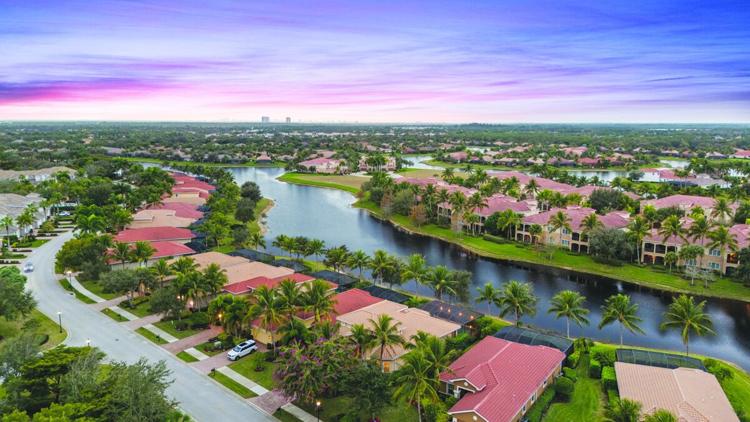
Navigating how rising Naples HOA fees homebuying decisions impact local budgets has become a primary focal point for buyers and real estate professionals across Southwest Florida. As Florida records some of the highest community association costs in the nation, out-of-state buyers relocating from the Midwest and Northeast are often caught off guard by the comprehensive monthly dues, mandatory capital initiation fees, and strict lifestyle guidelines that define gated coastal communities near the Gulf.

According to recent housing data from Realtor.com, the median monthly HOA fee in the Naples-Marco Island metropolitan area has reached $711, accounting for roughly 20.3% of a typical monthly mortgage payment. For out-of-state buyers accustomed to handling their own lawn care or snow removal, understanding these recurring expenses before submitting an offer is essential to avoiding sudden financial friction.

1. What Your Monthly HOA Dues Actually Cover

In Collier County, community association fees vary widely depending on neighborhood scale, location, and amenity offerings. Baseline monthly dues typically range from $200 to over $2,000, with higher fees concentrated in beachfront condominiums and private golf course enclaves.

These monthly allocations generally cover:

  • Essential Maintenance: Professional landscaping, irrigation, exterior building repairs, private road upkeep, and high-speed Wi-Fi or digital cable packages.

  • Safety & Security: Gated entryways, 24/7 manned security staffing, and perimeter monitoring systems.

  • Resort Amenities: Access to sprawling clubhouses, resort-style pools, fitness centers, tennis courts, pickelball complexes, and private dining facilities.

While higher dues deliver “white-glove service,” local brokers note that HOA fees have been climbing by roughly 8% annually since 2020. This upward trend is largely driven by rising building insurance premiums, legislative reserve funding mandates for structural integrity, and general inflation affecting service vendors.

2. Uncovering One-Time Capital Initiation Fees

Beyond monthly maintenance dues, how Naples HOA fees homebuying decisions unfold often hinges on initial buy-in costs. A majority of master-planned developments require a one-time capital acquisition assessment commonly called an initiation fee paid at closing.

In premier communities like Fiddler’s Creek, initiation fees that stood at $15,000 five years ago have since doubled. Furthermore, select luxury golf and country clubs require mandatory equity memberships or clubhouse initiation fees that can exceed $150,000, alongside annual minimum spend requirements at community dining venues. Identifying these upfront capital demands early prevents buyers from falling in love with a listing that exceeds their total acquisition budget.

3. Mandatory 7-Day Document Reviews and Due Diligence

Under Florida law, buyers entering a contract on an HOA-governed property are entitled to receive community rules, regulations, covenants, and financial budgets within seven days of signing. Spanning 60 pages or more, these documents govern critical daily lifestyle details, including:

  • Pet Policies: Strict limitations on dog breeds, total count, or individual weight limits (with some associations actively weighing pets upon move-in).

  • Rental Restrictions: Minimum stay durations (e.g., 30-day or 90-day minimums) and annual lease frequency caps.

  • Vehicle & Architectural Rules: Guidelines covering motorcycles, commercial trucks, outdoor decor, and paint colors.

Real estate advisors strongly recommend reviewing recent HOA board meeting minutes alongside financial disclosures. Board minutes frequently reveal discussions regarding upcoming deferred maintenance projects, roof replacements, or potential special assessments before they are formally levied.

4. Balancing Costs Against Amenity Benefits and Property Values

Despite rising dues, a strong majority of Floridians view community associations favorably. Data from the Foundation for Community Association Research indicates that 63% of Florida residents believe HOA rules protect and enhance property values, while 86% rate their overall association experience as positive or neutral. Across Florida, over 9.5 million residents live in more than 50,100 community associations, contributing nearly $20.5 billion annually toward community upkeep.

For many homeowners, the convenience of turn-key living, guarded security, and pristine neighborhood standards outweighs the monthly expense. Moreover, association oversight prevents neighborhood blight, protecting long-term real estate equity.

5. Non-HOA Alternatives Across Naples

For buyers seeking complete freedom from architectural restrictions or recurring dues, Naples offers non-HOA options. Coastal neighborhoods like Port Royal and Aqualane Shores maintain voluntary neighborhood associations rather than mandatory HOAs. Similarly, acreage properties in Golden Gate Estates offer spacious land plots without monthly fees, though homeowners assume full responsibility for private well water, septic systems, and property maintenance.

This shifting financial dynamic reinforces broader migration trends across Southwest Florida. To see how these property dynamics interact with broader state migration patterns, review our coverage of the Florida net inbound moving searches report. Furthermore, to see how luxury retail developments are expanding alongside Naples communities, explore our detailed analysis of the Waterside Shops luxury retail expansion or examine regional housing activity in our report on the Cape Coral first-time homebuyer market ranking.

Naples HOA & Community Association Quick Reference

Buyer Tip: When evaluating a home listing online, always request a complete breakdown of master association fees, neighborhood-specific dues, and mandatory club memberships before scheduling an in-person tour.

Community Aspect Standard Market Ranges & Details
Median Monthly Dues $711/month in Naples-Marco Island (Realtor.com baseline)
Typical Monthly Fee Range $200 to $2,000+ depending on amenities and proximity to beach/golf
Capital Initiation Fees $10,000 to $150,000+ one-time buy-in at closing
Florida Disclosure Rule Mandatory 7-day post-contract window for rule and budget review

For detailed market research, national HOA statistics, and educational resources on community governance, homebuyers can review reports hosted by Realtor.com Research.
Categories
Real Estate News

Unrivaled Dominance: Florida Net Inbound Moving Searches Top Nation in 2026 Relocation Report

The relentless allure of the Sunshine State as America’s premier relocation destination has reached an unprecedented peak. According to a comprehensive mid-year migration study released by moving marketplace moveBuddha, Florida is attracting more inbound moving interest than any other state in 2026.

The extensive report analyzed nearly 98,000 relocation searches processed through the platform’s Moving Cost Calculator during the first half of the year. The tracking data confirmed that Florida net inbound moving searches accounted for a staggering 30% of all net inbound inquiries nationwide. This monumental share establishes the state as the undisputed heavyweight of domestic migration, providing an immediate influx of home buyers and economic activity that continues to reshape the regional landscape.

Deconstructing the Inbound Migration Metrics

The underlying mechanics of the 2026 moveBuddha report highlight a significant acceleration in consumer intent compared to previous cycles. Rather than experiencing a post-pandemic cooling trend, the velocity of individuals seeking to establish residency near the Gulf and Atlantic coasts has actually intensified.

The state’s core relocation metrics present a powerful, highly scannable map of growth:

  • Net Inbound Search Share: Florida captured 30% of the entire nation’s net inbound moving curiosity, easily outcalculating competing sunbelt states like Texas and North Carolina.

  • Ratio Acceleration: The state posted a massive 35% increase in its inbound-to-outbound move ratio compared to the baseline numbers established in 2025.

  • Move-To Popularity Index: Florida ranked third nationally for overall move-to popularity, maintaining a resilient 1.52 inbound move searches for every single outbound search, proving that far more citizens are entering the state than exiting.

Seven Florida Metros Sweep the National Top 10 List

What makes the 2026 relocation demand report truly exceptional is the absolute dominance of Florida municipalities on the national stage. Out of thousands of cities tracked across the United States, a historic seven Florida cities landed among the nation’s top 10 most popular relocation destinations.

The geographic distribution of these high-growth zones highlights a profound consumer preference for master-planned retirement havens, historic coastal enclaves, and affordable secondary mid-sized markets:

  1. The Villages (No. 1): The massive central Florida active-adult enclave secured the absolute top spot in the country, drawing unprecedented retirement volume.

  2. Ocala (No. 2): Serving as the “Horse Capital of the World,” this region’s lower cost of land and explosive commercial growth placed it second.

  3. Punta Gorda (No. 3): Right here in Southwest Florida, this waterfront gem swept the third-place position nationally, functioning as a primary beneficiary of the coastal migration wave.

  4. St. Augustine: The nation’s oldest city continues to attract historic charm seekers along the northeast coast.

  5. Vero Beach: An Atlantic coastal haven celebrated for its low-profile building rules and pristine beaches.

  6. Kissimmee: Drawing families and remote workers looking for close proximity to major entertainment infrastructure.

Shifting Economic Ripples Across Real Estate and Commercial Corridors

This sustained population surge provides an essential explanation for why local market dynamics remain so unique. While national housing reports emphasize a broader cool down, the sheer volume of Florida net inbound moving searches keeps local consumer demand insulated.

This incoming wealth pipeline directly underpins the steady transaction volumes recorded across the state. To see how this powerful influx of new residents is directly transforming local commercial real estate inventories, infrastructure capacity, and premium lifestyle shopping options down the road, you can explore our comprehensive review of the Waterside Shops luxury retail expansion, which details the high-end retail overhauls and global brand flagships arriving to meet the needs of incoming high-net-worth residents.

2026 Relocation Demand Operational Summary

Real Estate Investor Notice: The moveBuddha Moving Cost Calculator data functions as an incredibly precise leading economic indicator, mapping consumer moving intent roughly 60 to 90 days before physical moving vans actually cross state lines.

  • Data Sampling Pool: 98,000 independent moving cost calculations processed nationwide during H1 2026.

  • National Dominance Baseline: Florida captured 30% of all net inbound domestic search traffic.

  • Regional Showcase Star: Punta Gorda secured the No. 3 spot nationwide for individual city relocation popularity.

  • Year-Over-Year Momentum: The inbound-to-outbound relocation ratio expanded by 35% over the 2025 benchmark.

For complete demographic data tables, state-by-state migration flow charts, or to review the full city popularity rankings, economic researchers can inspect the information updated daily on the Official moveBuddha Migration Research Hub.

Categories
Real Estate News

Resilient Demand: Florida Single Family Home Sales Achieve 9-Month Rising Streak as Buyer Confidence Rebounds

The baseline momentum driving the sunshine state’s residential real estate market has officially hit a powerful multi-month milestone. Driven by a significant psychological shift among regional buyers who are increasingly adapting to normalized borrowing conditions, Florida single family home sales have officially increased for the ninth consecutive month.

The latest market statistics released by Florida Realtors reveal that transaction volumes remain remarkably steady despite structural affordability hurdles. Rather than remaining on the sidelines in hopes of an aggressive rate drop, prospective buyers are moving forward with local purchases, recognizing that homeownership provides an essential sense of stability over the long-term rental market.

Stabilized Mortgage Rates Drive Easing Buyer Hesitation

The core catalyst behind the extended growth in Florida single family home sales is the relative stability of regional borrowing costs. Data sourced from Freddie Mac indicates that average 30-year fixed mortgage rates have settled predictably near the 6.5% baseline. While this interest level sits significantly higher than the historic lows of the pandemic era, the absence of sudden, volatile upward spikes has given household planners the predictability they need to calculate long-term housing costs with confidence.

This stabilization has completely shifted broader public sentiments surrounding the wealth-building benefits of residential real estate. According to the freshly published 2026 Homebuyer Insights Report executed by the Bank of America Institute, a striking 53% of consumers now believe it is a better time to buy a home than to rent or relocate with family. This represents the absolute first time since 2023 that a definitive majority of national survey respondents favored purchasing, proving that the real estate market is successfully clearing its multi-year wait-and-see cycle.

Breaking Down the May Real Estate Performance Metrics

The exact performance tracking numbers for the month reflect a resilient, increasingly balanced trading environment across the state’s primary submarkets. The data indicates that demand is strong enough to absorb available listings even as pricing tiers experience modest upward adjustments.

The statewide residential real estate metrics present a clear, scannable look at the market’s layout:

  • Closed Transaction Volumes: The state registered a total of 24,915 closed single-family home sales, reflecting a steady 0.6% increase compared to the active levels tracked during the same month last year.

  • Surging Pending Registrations: New pending sales—functioning as a critical leading indicator for upcoming closed transactions over the next 30 to 60 days—grew by a robust 4.8%, indicating that the consecutive monthly growth streak possesses plenty of forward runway.

  • Statewide Median Pricing: The single-family median sales price climbed by 4.3% year-over-year to hit $425,000, highlighting the persistent competitive pressure facing buyers in highly sought-after coastal and suburban school districts.

  • Easing Inventory Pressures: The overall single-family housing supply settled at a 4.7-month inventory baseline, indicating that while choices are slowly improving for buyers, the environment still technically favors sellers.

Shifting Millennial and Gen Z Purchase Strategies

What makes this chapter of expansion distinct is the changing behavior of younger demographics navigating these Florida single family home sales pipelines. The Bank of America Institute survey explicitly highlighted that fewer prospective buyers are willing to put their lives on pause. In fact, only 71% of respondents noted they are delaying their moves until rates fall, a noticeable drop from the 75% hesitation rate recorded last year, with Gen Z and Millennial buyers leading the charge toward immediate action.

Rather than walking away from deals due to elevated pricing, these younger buyers are modifying their parameters to secure a piece of real estate near the Gulf region or interior metro corridors. Buyers are showing an increased willingness to relocate to more affordable secondary municipal markets, make initial structural sacrifices on total square footage, or utilize emerging artificial intelligence tools to optimize their local neighborhood and mortgage payment calculations before initiating tours.

To see how these shifting residential real estate trends align with upcoming commercial transformations and new dining options hitting the region this season, you can review our comprehensive report on the Whataburger south Fort Myers location to stay updated on major U.S. 41 corridor updates.

Sunshine State Single-Family Housing Summary

Market Advisory: The statewide median price represents the exact mathematical midpoint of transactions; half of all single-family homes sold for more than $425,000, while the remaining half closed below that baseline.

  • Consecutive Sales Run: May marks the ninth consecutive month of year-over-year growth for closed transactions.

  • Core Volume Count: 24,915 independent single-family homes successfully changed ownership during the monthly window.

  • Leading Activity Health: New single-family pending contracts accelerated by 4.8% year-over-year.

  • Consumer Sentiment Pivot: 53% of consumers now officially favor buying a home over alternative renting pathways.

For complete regional transaction breakdowns, localized metropolitan historical pricing charts, or to download the full statewide data reports, real estate professionals and buyers can inspect the data tables updated daily on the Official Florida Realtors Market Intelligence Portal.

Categories
Real Estate News

Summer 2027 Target: Mediterra Luxury Real Estate Surges on New Lifestyle Center Transformation

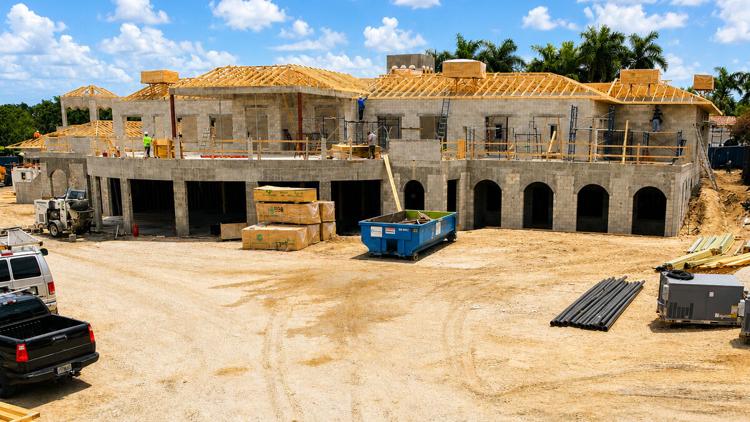
The landscape of ultra-luxury wellness infrastructure is officially shifting into high gear inside North Naples’ premier private residential community. In a major infrastructure update, the structural framing phase has officially commenced on the completely reimagined Sports and Lifestyle Center at The Club at Mediterra. The ongoing development represents a critical, high-impact pillar of the neighborhood’s master-planned amenity modernization, further cementing the long-term asset value of Mediterra luxury real estate.

Engineering teams on-site have hit multiple high-visibility build milestones, successfully completing initial foundational slab pours, anchoring vertical steel installation grids, and initiating the structural framing for the facility’s expansive second-floor layout. Spearheaded by the specialized commercial builders at BUILD, with architectural design drafted by the award-winning team at David Corban Architects, the multi-million dollar master complex is firmly on track to meet its finalized summer 2027 completion target.

Exceptional Features of the Reimagined Wellness Wing

The core architectural philosophy driving the new complex focuses on a seamless, low-density layout that transitions away from traditional country club designs toward an institutional-grade, holistic longevity sanctuary. Spanning multiple stories, the state-of-the-art facility blends cutting-edge bio-harmonic indoor spaces with the native Southwest Florida environment.

The multi-functional layout is highly scannable, offering custom health and athletic spaces designed for multi-generational longevity:

  • The Elite Fitness Center: A sprawling 5,600-square-foot core strength and conditioning arena outfitted with next-generation biomechanical training equipment, real-time biometric metrics tracking, and advanced cardio zones.

  • Dedicated Motion Studios: Specialized, acoustically insulated fitness spaces explicitly tailored for high-volume group cycling, precision Pilates training, and serene yoga classes.

  • The Restorative Spa & Physical Therapy Wing: An expanded medical-wellness sector featuring advanced clinical treatment rooms, designated physical therapy rehabilitation spaces, and luxurious new locker rooms integrated with modern hot and cold hydrotherapy recovery plunges.

  • The Social Bocce Garden: A beautifully manicured, outdoor lawn bowling layout configured with shaded viewing terraces and outdoor wellness lounges overlooking the club’s signature championship golf courses.

Driving Long-Term Value for Mediterra Luxury Real Estate

The construction of this world-class wellness center serves as a powerful economic driver for the Mediterra luxury real estate grid. Modern high-net-worth buyers are increasingly moving away from communities that focus solely on fairways, choosing instead to invest in private compounds that function as full lifestyle destinations. By matching elite golf with a forward-thinking health complex, the member-owned club ensures its property values consistently capture premium metrics.

This infrastructure modernization matches a broader, multi-phase transformation strategy rolling out across the entire 1,697-acre private master-planned tract. This includes the recent architectural expansion of the central 60,000-square-foot main clubhouse and the complete greens and bunker reconstruction of the Tom Fazio-designed South Course.

Because full equity golf memberships inside the gated community are capacity-controlled and tightly limited to just 450 total slots, residences that convey a transferable club membership command immense premium pricing on the open market. These upcoming wellness assets are expected to drive vacancy rates down even lower across exclusive enclaves like Caminetto, Lucarno, and Cortile.

A Rare Blend of Inland Sanctuary and Private Coastal Access

Beyond the pristine clay tennis courts, championship pickleball grids, and upcoming fitness lounges, the community maintains one of the most unique real estate footprints in the state. Property owners inside the gates retain exclusive private access to a dedicated, member-owned Beach Club situated directly on Little Hickory Island.

The private 10,000-square-foot two-story coastal club gives residents a direct connection to the Gulf shore. This unique setup pairs elevated inland living insulated from coastal storm vulnerabilities with top-tier beach valet parking, a heated oceanfront pool, and al fresco terrace dining right on the sand. This extraordinary multi-point lifestyle balance keeps the neighborhood at the top of national luxury residential rankings, drawing buyers from metropolitan markets across the country.

Capital Improvement Project Matrix

Development Advisory: While construction teams at BUILD advance structural framing through 2026, existing racquet courts, lap pools, and the main clubhouse dining spaces will remain fully operational via strategic pedestrian detours managed by club safety crews.

Development Phase Engineering / Design Metrics Primary Member Lifestyle Benefit
Core Fitness Center 5,600 sq ft dedicated athletic floor State-of-the-art conditioning space featuring advanced biomechanical equipment.
Recovery Infrastructure Hot/cold therapy locker loops & day spa Specialized post-workout rehabilitation and therapeutic sports massage treatments.
Outdoor Recreation Social bocce gardens & wellness lawns Blurs the line between indoor fitness sanctuaries and the natural landscape.

For real-time vertical construction webcam loops, up-to-date neighborhood inventory registries, or to review the structural guidelines governing new custom estate lots, luxury buyers can inspect data tables directly via the Official Club at Mediterra Community Registry or interface through the London Bay Homes design gallery portal.

Categories
Real Estate News

$20,000 Discount: Cape Coral New Construction Real Estate Bucks National Trend in Rare Market Shift

A striking real estate anomaly has positioned Lee County as one of the most unique residential submarkets in the country. While newly built properties across the United States typically command a steep premium, a new data report reveals that the Cape Coral new construction real estate market has flipped the script, offering buyers a rare financial advantage over existing inventory.

The comprehensive national housing analysis, published by Clever Real Estate, highlights Cape Coral as one of just four major U.S. metropolitan areas where newly constructed homes are selling for less than the typical home on the market. Joining an exclusive, diverse list alongside San Francisco, Austin, and Honolulu, the coastal city has broken away from traditional pricing dynamics, opening a highly advantageous corridor for buyers targeting fresh residential assets.

Analyzing the Layout of the New-Construction Price Flip

The statistical data behind this local market shift highlights a sharp contrast with the broader U.S. housing grid. In most zip codes, walking into a brand-new home requires a substantial financial premium to cover modern building materials, up-to-date energy systems, and code-compliant structural framing.

The core metrics extracted from the industry report outline an exceptional scannable map of this localized real estate trend:

  • The Cape Coral Discount: Buyers targeting Cape Coral new construction real estate are capitalizing on a striking $20,000 median discount when comparing newly built property prices directly against overall market prices.

  • The National Premium Wall: This local discount stands out dramatically against the national landscape, where the median new home sells for $409,565 representing a steep $52,565 premium over the typical existing U.S. property.

  • The Five-Year Growth Gap: On a macro level, new-home prices across the country have surged 21.6% over the past five years, rapidly outpacing the 13.3% cumulative price increase tracked among older, existing properties.

  • The Inventory Market Share: Despite aggressive building campaigns across fast-growing regions, newly constructed homes accounted for just 15% of all finalized U.S. home sales over the past year.

Understanding the Factors Driving the Local Discount

Active real estate coordinators and local homebuilders attribute this unique Cape Coral new construction real estate pricing structure to the city’s unique geography and high volume of scattered-site lot development. Unlike dense metropolitan centers where land scarcity drives up developer acquisition costs, Cape Coral’s sprawling pre-platted framework provides an extensive supply of buildable infill lots.

This abundant lot supply has allowed high-volume regional builders to execute streamlined single-family home designs at scale. By deploying repeatable, highly efficient floor plans across thousands of vacant inland lots, builders can tightly control construction costs.

Simultaneously, the existing home market in Cape Coral includes a heavy concentration of premium direct-waterfront properties, Gulf-access canal estates, and fully modernized post-storm residences. Because these existing waterfront homes naturally command top-tier luxury pricing, they pull the city’s overall median sales price upward. This leaves inland, off-water new construction looking highly affordable by comparison.

Shifting Buyer Strategies Near the Gulf Coast

For families, remote professionals, and real estate investors navigating the coastal housing market, this $20,000 pricing twist creates a highly compelling purchase roadmap. Buyers are discovering that they can secure a move-in-ready property complete with modern wind-mitigation roofing, impact-resistant windows, and energy-efficient appliances for less capital than an older home that might require immediate renovations or expensive insurance updates.

This financial buffer drastically lowers the barrier to entry for clean, turn-key real estate. With local carrying costs stabilizing and builder incentives such as structural closing cost credits and temporary interest rate buy-downs remaining highly active, the local new-home segment is operating as a primary safety valve for buyers priced out of the traditional resale market.

Macro-Level Housing Inventory Breakdown

Market Insight: The unique intersection of a high volume of available infill lots and a premium existing waterfront inventory allows local builders to offer highly competitive pricing structures that are virtually impossible to replicate in land-locked metros.

For immediate access to active building permit tracking data, neighborhood inventory registries, or to evaluate localized property value tables, home shoppers can inspect data summaries directly via the Clever Real Estate Research Repository.

Categories
Real Estate News

$93.7 Million Fiscal Cliff: Charlotte County Property Tax Referendum Triggers Serious Alarms Among Leaders

A stark warning from local fiscal experts has cast a dramatic spotlight on the potential financial fallout of an upcoming statewide ballot initiative. Charlotte County commissioners and department heads have voiced profound concerns regarding the sweeping Charlotte County property tax referendum, warning that the measure could trigger massive revenue deficits, strip away historical neighborhood zoning safeguards, and completely exhaust county emergency reserves within a few short years.

Authorized by the Florida Legislature under House Joint Resolution 1 (HJR 1) during a rapid 48-hour legislative window, the constitutional amendment will head to a definitive public vote on the November 3 ballot. While packaged as a monumental victory for primary residential affordability, county administrative staff warn that the structural reality of the bill creates an unprecedented financial cliff that could leave local municipalities completely dependent on state allocations to fund basic civic operations.

Projections Outline Severe Revenue Deficits

The primary friction surrounding the Charlotte County property tax referendum stems from the staggering ad valorem revenue losses projected by financial directors. If approved by 60% of Florida voters, the amendment will radically expand the state’s existing homestead property tax exemption for primary residences.

The structural rollout dictates a rapid, multi-stage reduction in the local tax base:

  • Exemption Milestones: Qualifying homesteaded properties will see their non-school property tax exemption boundary instantly rise to $150,000 beginning in 2027, before hitting a massive $250,000 exemption ceiling in 2028 and in perpetuity, with future adjustments tied directly to the Consumer Price Index (CPI).

  • The Year-Over-Year Spiral: According to data tables compiled by Legislative Manager Eve Sweeting, Charlotte County’s baseline general fund loss is projected to hit approximately $38.2 million in 2028. By 2029, that annual shortfall balloons to $67.1 million.

  • Macro Economic Hits: When evaluating overall county ad valorem revenue, the cumulative losses escalate from $50.6 million in 2028 to a crushing $93.7 million in 2029 representing an 85% spike in the funding deficit in just a single calendar year.

Assistant Finance Director Francine Lisby clarified that while Charlotte County Public Schools are legally insulated from the measure (as school board millage rates are excluded from the expanded exemption), nearly every single public safety and infrastructure asset will face immediate funding contractions. Currently, roughly 31 cents of every local property tax dollar directly supports the Charlotte County Sheriff’s Office, while another 18.82% funds countywide infrastructure, road building, and public works near the Gulf coast corridor.

Depleting Emergency Reserves and Public Safety Backstops

The long-term danger highlighted by county leaders is the rapid timeline for the complete depletion of the county’s financial safety nets. Charlotte County has historically relied on healthy, meticulously managed reserve balances to rapidly deploy emergency services, execute debris cleanup, and rebuild infrastructure following severe storm systems.

Under the projected revenue drops, those critical fiscal safeguards will vanish. Financial modeling reveals that the county’s core reserve accounts will be entirely exhausted by 2032 if no dramatic tax increases or service cuts are implemented. More critically, the internal reserve funds utilized to stabilize day-to-day operations for the Charlotte County Sheriff’s Office are on track to be completely depleted by 2030, threatening frontline law enforcement and first-responder capabilities.

“We might not be able to borrow,” warned Commissioner Dr. Chris Constance, pointing out that diminished revenue bases severely damage the county’s municipal credit ratings and bond-issuing viability. “We will be begging Tallahassee for money; we are going to be completely beholden.”

Commissioner Bill Truex echoed the sentiment, visualizing a chaotic environment where individual local governments must lobby state lawmakers for survival grants. “I envisioned standing in line with 67 counties and 411 municipalities,” Truex stated. “Some of these cities aren’t going to make it.” The fiscal pressure extends straight into local municipalities as well; Punta Gorda City Manager Melissa Reichert estimated the city will lose $1.24 million in fiscal year 2028, with the deficit doubling to $2.4 million by 2029.

Shifting Zoning Authority and Neutering Public Input

Beyond the immediate financial constraints, the Charlotte County property tax referendum contains deep regulatory shifts that directly threaten local land-use authority and neighborhood control. Commissioner Stephen R. Deutsch leveled sharp criticism at provisions within the broader legislative package that allow the state to bypass established municipal planning guidelines.

“It looks like the state Legislature is getting to the point of completely neutering our local zoning regulations,” Deutsch stated during the commission workshop.

Planning and Zoning Director Shaun Cullinan detailed the mechanics of this regulatory shift, noting that the legislation creates direct avenues to move major real estate and development approvals through quiet administrative channels rather than traditional, transparent public hearings. The policy changes alter how communities manage growth:

  • Administrative Approvals: Certain large-scale residential and commercial builds can be approved directly by staff layout reviews, completely bypassing comprehensive county plan rules and local zoning designations.

  • Elimination of Citizen Alerts: The state framework removes traditional notification processes, meaning neighboring property owners and local families will no longer receive public notices or have a platform to voice opposition at commission meetings.

  • Alternative Housing Mandates: The law forces local jurisdictions to permit manufactured and container-built homes in any residential zone currently designated for traditional, site-built homes, leaving counties with only limited authority to govern basic exterior design standards.

The Conundrum of Growth vs. Declining Revenue

Commission Chair Joe Tiseo strongly questioned why state lawmakers rushed the legislation through without first executing a formal, independent economic impact analysis. The lack of data is compounded by a notable demographic paradox: by offering an ultra-high $250,000 tax exemption boundary, the state is highly likely to accelerate the migration of out-of-state residents to the region.

This influx will aggressively drive up the demand for expanded roads, traffic management, utility lines, and emergency services at the exact moment the county’s primary mechanism for funding those infrastructure updates is legally diminished. Tiseo noted that if the state insists on stripping away county-level decision-making authority, Tallahassee must ultimately bear direct responsibility for building the massive infrastructure networks traditionally managed by local taxpayers.

Charlotte County Budget Distribution

Properties establishing homestead status after January 1, 2027, face a secondary barrier, requiring a strict five-year Florida residency period before they can unlock the full $250,000 exemption, creating a sharp tax disparity between long-term residents and newly arriving property buyers.

Tax Dollar Recipient Current Funding Allocation Projected Impact by 2030
Public School District 41.00% of every property tax dollar Insulated (School millage is exempt from HJR 1 rules)
Sheriff’s Office & Safety 31.00% of every property tax dollar Critical Threat (Agency reserves completely depleted by 2030)
County Infrastructure 18.82% of every property tax dollar Severe Cutbacks (County reserve balances exhausted by 2032)

For continuous updates regarding the commission’s upcoming public budget reduction workshops, detailed breakdowns of administrative zoning changes, or to review the full text of HJR 1, property owners can monitor the central data repository at the Charlotte County Legislative Affairs Portal.

Categories
Real Estate News

Special Session: Florida Homestead Exemption Expansion Unveiled to Phase Out Property Taxes

A historic and highly debated restructuring of the Sunshine State’s tax landscape has officially been set in motion. On May 27, 2026, Governor Ron DeSantis formally announced a special legislative session to consider the “Save Our Homes from Excessive Property Taxes” initiative. The cornerstone of this sweeping economic proposal is an aggressive Florida homestead exemption expansion designed to drastically lower, and eventually completely eliminate, property taxes for the vast majority of primary homeowners across the state.

The Governor has summoned lawmakers back to Tallahassee for a dedicated special session. If the draft resolution secures the necessary supermajority support from state legislators, the historic tax overhaul will be placed directly on the upcoming November ballot as a proposed constitutional amendment.

The Phased “Glide Path” to Tax Elimination

The newly unveiled Florida homestead exemption expansion moves away from an immediate, single-year tax elimination, opting instead for a strategic, multi-year phase-in plan. Under the guidelines presented by the executive office, the baseline homestead exemption for primary residents would immediately jump from the current $50,000 threshold up to a substantial $250,000 baseline.

Following this immediate relief layer, the Florida Legislature would be constitutionally mandated to establish a structured, long-term schedule to expand the exemption ceiling to $500,000.

  • Immediate Relief: Shifting the baseline exemption upward to eliminate property tax obligations entirely for an estimated 60% of current homestead property owners.

  • The 92% Benchmark: Once the full $500,000 exemption cap is actively implemented, approximately 92% of all eligible primary residences in Florida would effectively become completely tax-free.

  • Protecting Small Businesses: To provide concurrent relief to the commercial sector, the amendment would cut the maximum annual property tax assessment increase cap on small businesses in half, dropping it from 10% down to 5%.

  • Preventing “Tax Tourism”: To ensure the benefits are preserved for dedicated Floridians, the policy introduces a strict five-year residency requirement for any new resident moving to the state after January 1, 2027, before they can qualify for the expanded exemption tiers.

Safeguarding Budgets and Core Public Services

While the prospect of zeroing out residential property tax bills has generated massive enthusiasm among full-time residents, the scale of the Florida homestead exemption expansion has drawn urgent warnings from municipal leaders, school boards, and policy analysts. Property taxes serve as the primary financial lifeblood for local governments, funding essential day-to-day operations.

To bridge this massive fiscal gap and protect municipal services, the Governor’s proposal introduces strict spending mandates. Local governments would be legally required to prioritize their remaining property tax revenues—which are heavily generated by commercial properties, secondary vacation homes, and short-term Airbnbs—solely to fund core public safety, public education, infrastructure maintenance, and natural resource preservation.

Furthermore, to alleviate the concerns of Senate leadership regarding small rural counties that lack a diverse commercial tax base, the state plan will establish a dedicated structural trust fund. This fund will utilize a portion of Florida’s historic state budget surplus to directly backfill and insulate vulnerable rural municipalities, ensuring essential neighborhood services are not compromised.

The High Hurdle: Securing the 60% Supermajority

Because property taxes are deeply woven into the state constitution, transforming this proposal into active law requires navigating a rigorous, two-step legislative and public approval process through the remainder of the year.

First, the joint resolution must achieve a strict three-fifths (60%) supermajority vote in both the Florida House and Senate during the upcoming special session. While House Speaker Daniel Perez noted that the House previously approved a similar tax-cut blueprint, Senate President Ben Albritton has voiced cautious optimism, stating the current phased template balances meaningful family relief while safeguarding critical clean water and public safety infrastructure.

If the legislature successfully passes the language before the Secretary of State’s structural certification deadline in late August, the Florida homestead exemption expansion will face its final test on November 3, 2026. To officially amend the constitution, the measure will require a 60% “yes” vote from Florida electors—an incredibly high political benchmark in a historically split state. If approved by the public, the initial phase of the historic tax reduction is scheduled to take effect on January 1, 2027, fundamentally redefining real estate asset preservation near the Gulf and across the state.

Legislative Reference

“Property tax revenue collected by local governments has nearly doubled in the past seven years and is expected to reach $83 billion by 2032. Florida homeowners need relief, and now is the time to enact historic reform and save the home of every Floridian.” — Official Legislative Executive Briefing

For real-time updates regarding the special session schedules, complete legislative text layouts, or to track public testimony dates, residents can review updates on the Online Sunshine Florida Legislature Portal.

Categories
Real Estate News

Real Estate Reality Check: Cape Coral Foreclosure Rates Rank 5th Nationally

The Southwest Florida real estate market is navigating a significant shift as macro-economic pressures begin to manifest in local property data. According to the April 2026 report from ATTOM, a leading national real estate data and analytics firm, Cape Coral foreclosure rates ranked fifth highest among all major U.S. metropolitan areas.

With one foreclosure filing recorded for every 1,628 housing units, the data indicates that a combination of rising carrying costs, stabilizing inventory, and lingering storm recovery hurdles is putting pressure on a segment of local homeowners.

The National and State Landscape: Where Florida Stands

The uptick in Cape Coral foreclosure rates reflects a broader national trend. Across the United States, 42,430 properties saw foreclosure filings in April representing a sharp 18% increase compared to the same period last year.

On a statewide level, Florida ranked third in the nation for overall foreclosure activity, trailing only Delaware and South Carolina. This positioning underscores the changing dynamics in high-growth states that experienced unprecedented price appreciation over the last five years.

Top 5 U.S. Metropolitan Foreclosure Rates (April)

National Rank Metropolitan Area Foreclosure Frequency (Filings per Unit)
1 Lakeland, Florida 1 in every 1,221 housing units
2 Columbia, South Carolina 1 in every 1,287 housing units
3 Charleston, South Carolina 1 in every 1,483 housing units
4 Bakersfield, California 1 in every 1,566 housing units
5 Cape Coral, Florida 1 in every 1,628 housing units

Dissecting the Pressures on Southwest Florida Homeowners

To accurately understand the rise in Cape Coral foreclosure rates, it is essential to look at the unique cost burdens affecting properties near the Gulf coast in 2026. This trend is rarely driven by a single factor, but rather a combination of shifting financial obligations:

  1. Escalating Insurance Premiums: Property and flood insurance rates across Southwest Florida have risen significantly over the past few years, drastically altering the monthly mortgage payment (PITI) for homeowners with escrow accounts.

  2. Surging Utility Expansion Assessments: As the city aggressively builds out its infrastructure, homeowners in newly designated phases such as the North 1 East Utility Extension Project face substantial annual property tax assessments.

  3. Lingering Hurricane Recovery Costs: A portion of the current filings represents properties where owners exhausted initial insurance payouts or faced construction delays following recent tropical seasons, eventually creating a capital strain.

What This Means for Buyers, Sellers, and Investors

For active participants in the Lee County housing market, a high national ranking for foreclosure rates requires a disciplined, data-driven approach. While the headline may sound alarming, regional market analysts note that current conditions differ significantly from the 2008 housing crisis.

The vast majority of homeowners in Cape Coral still maintain historically high levels of home equity due to the historic price gains achieved between 2021 and 2025. This equity cushion acts as a vital structural safety net, allowing families facing financial distress to traditionally list and sell their properties on the retail market rather than defaulting to a bank repossession or a short sale.

Current Market Quick-View

  • The Buyer’s Position: An incremental increase in distressed inventory provides savvy buyers and institutional investors with opportunities to enter highly desirable neighborhoods at more reasonable entry points.

  • The Seller’s Strategy: Pricing a home accurately from day one has become mandatory. With overall inventory normalizing across Lee County, buyers are exercising patience and avoiding homes with inflated expectations.

As the market continues to recalibrate through the first half of 2026, tracking Cape Coral foreclosure rates will remain an essential metric for real estate professionals looking to provide high-fidelity guidance to their clients.

Real Estate Reference

“The rise in monthly carrying costs—from insurance to municipal assessments is forcing a healthy stabilization in the market. While distress is ticking up nationally, the massive equity locked in Southwest Florida homes remains our strongest shield.”

-ATTOM Analytics Review

For comprehensive data updates or to review localized housing inventory trends, you can monitor updates on the Lee County Property Appraiser network.

Categories
Real Estate News

Market Update: Charlotte County Industrial Real Estate Sees Strategic $9M Listing

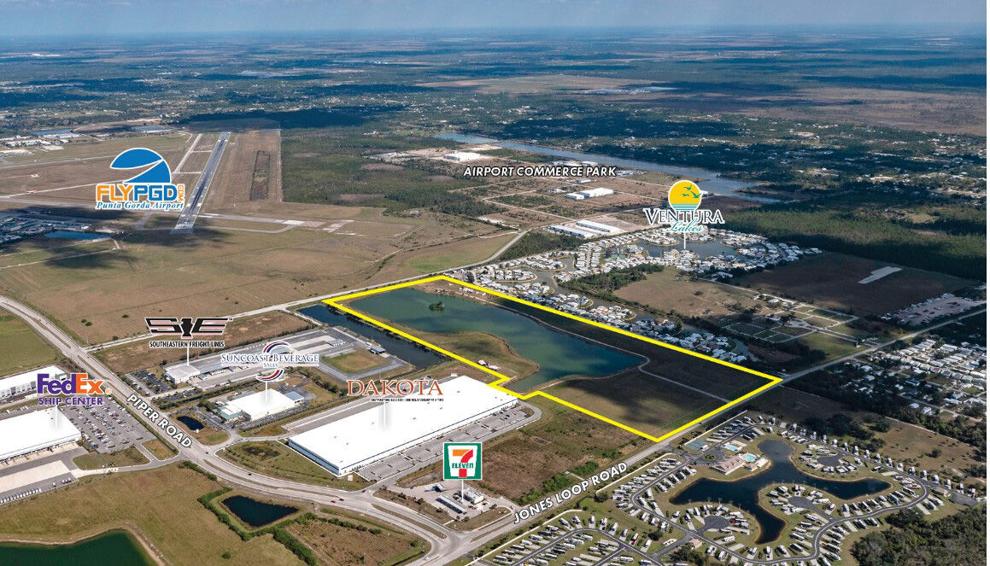
The landscape of Charlotte County industrial real estate continues to evolve as a prime destination for logistics and distribution users. A significant new opportunity has emerged within the Charlotte County Enterprise Area, where two large industrial parcels at 27100 Jones Loop Road are currently being marketed for $8,999,999.

Known as “Jones Loop Oasis,” this site offers a rare combination of scale and connectivity, positioned just one mile from the planned Amazon distribution facility and other major industrial anchors.

Strategic Positioning and Regional Connectivity

For investors and developers tracking Charlotte County industrial real estate, the value of the Jones Loop corridor lies in its logistical reach. The site features direct access to Interstate 75, placing it in a unique position to serve the entire Southwest Florida region, from Tampa to Naples.

Key logistical advantages include:

  • Distribution Radius: A three-hour drive from this location reaches more than 62% of the state of Florida.

  • Aviation Proximity: The site is located immediately adjacent to the Punta Gorda Airport (PGD), making it an ideal hub for aviation-related services and advanced manufacturing.

  • Industrial Neighbors: Proximity to large-scale users like Amazon and upcoming projects from AdventHealth and NAS MRO.

Development Potential: Jones Loop Oasis

The property is situated within the ECAP (Enterprise Charlotte Airport Park) zone. This designation in unincorporated Charlotte County allows for an expansive range of commercial and industrial applications, including warehousing, manufacturing, retail, and even hotel development.

A preliminary rendering for the site suggests a high-fidelity development plan consisting of a 329,650-square-foot flex complex. The proposed layout includes 14 buildings ranging in size from 14,000 to 33,550 square feet.

Site Specifications

Feature Detail
Total Build Potential Up to 469,664 sq. ft.
Upland Acreage 35.94 Acres
Zoning ECAP (Broad Industrial/Commercial)
Infrastructure 25-acre lake (reshapable for stormwater)
Building Coverage 30% of overall site

Why Demand is Shifting to Charlotte County

The surge in interest for Charlotte County industrial real estate is a direct result of tightening inventory and rising land prices in neighboring Lee and Sarasota counties. As costs climb in those markets, Charlotte County offers a more attainable entry point without sacrificing regional access.

According to the Charlotte County Economic Development Office, the airport corridor is a primary engine for the region’s future growth. Infrastructure investments and site work continue to accelerate, supported by initiatives like “Careers on the Coast,” which prepares the local workforce for skilled trades in aviation and logistics.

For the real estate community, the scarcity of large vacant parcels near the airport suggests that “Jones Loop Oasis” is part of a dwindling supply of prime industrial land. As the Southwest Florida economy continues to expand, the strategic importance of this corridor is expected to drive long-term value for landholders and business operators alike.

Infrastructure and Economic Outlook

“The airport corridor is uniquely positioned to support a mix of industrial, logistics, aviation-related and commercial development. Access to I-75 and Punta Gorda Airport makes this area especially attractive for advanced manufacturing and distribution.”

— Kay Tracy, Charlotte County Economic Development Director

Categories
Real Estate News

Imperial Lakes North Naples Development: 313-Home Plan Approved After 44-Year Wait

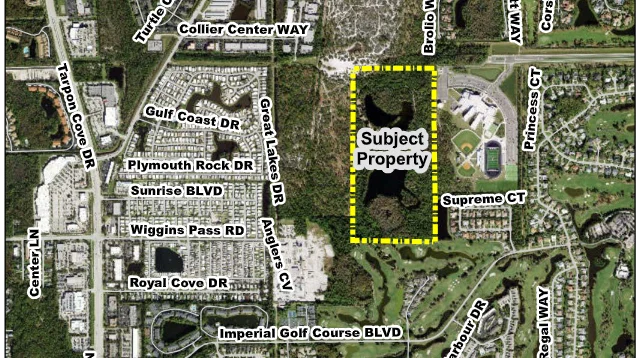
The Imperial Lakes North Naples development has officially received a unanimous green light from the Collier County Board of Commissioners, ending a regulatory hiatus that spanned more than four decades. This 78.28-acre project, located north of the Imperial Golf Club, represents a significant evolution of a plan first conceived in 1982. The approved rezoning allows for a modern residential community that balances housing demand with environmental sensitivity and critical infrastructure expansion.

Flexible Residential Scenarios and Modern Design

The updated vision for the Imperial Lakes North Naples development provides the developer with two potential paths forward. While the 1982 entitlement allowed for 430 multifamily units in buildings up to five stories, the newly approved rezoning introduces a lower-density alternative.

This new option permits 313 market-rate residences, including a mix of single-family, two-family, and townhouse units. To ensure compatibility with existing neighborhoods like Castlewood at Imperial, the commission stipulated that any homes abutting the established community be limited to two stories. This reduction to four units per acre aligns the project with current Collier County Comprehensive Plan standards.

Infrastructure Catalyst: Veterans Memorial Boulevard Extension

A cornerstone of the project is the long-awaited extension of Veterans Memorial Boulevard. For residents in North Naples, this east-west corridor has been a point of discussion for nearly 40 years.

As part of the development agreement:

  • Developer Responsibility: The project team will design, permit, and construct the extension up to the railroad tracks.

  • County Contribution: Collier County will fund and execute the final connection from the railroad to U.S. 41.

  • Timeline: Design is scheduled for fiscal year 2026, with construction of the county’s portion expected by 2028.

This infrastructure update is projected to significantly improve regional traffic flow and provide essential secondary access for the nearby Aubrey Rogers High School.

Environmental Stewardship and “Dark Sky” Compliance

The Imperial Lakes North Naples development is unique due to its proximity to the Railhead Scrub Preserve, an environmentally sensitive area managed by Conservation Collier. To protect the local ecosystem and the neighboring preserve, the developer has committed to several advanced environmental safeguards:

  • Dark Sky Lighting: Implementation of down-shielded, dark-sky-compliant lighting throughout the community to minimize light pollution.

  • Warm Light Temperatures: All outdoor lighting will be kept below 3,000K.

  • Wildlife Protection: The use of bear-resistant trash cans and dumpsters to mitigate human-wildlife conflict in this rural-fringe zone.

  • Preservation Areas: The site plan integrates multiple lake systems and green buffers to protect existing wetlands and environmentally sensitive land.

Market Outlook: North Naples Residential Growth

The approval of this project signals continued institutional confidence in the North Naples luxury and market-rate sectors. The developer, N.A. Realty Trust Inc., brings a legacy of high-fidelity residential construction to the project, having previously spearheaded numerous landmark properties in Pelican Bay and Marco Island.

Project Metric Specification
Total Acreage 78.28 Acres
Max Residential Units 313 (Market-Rate) or 430 (Multifamily)
Height Restrictions 2-Story (Abutting Castlewood)
Road Impact Veterans Memorial Blvd Extension to U.S. 41
Construction Start Expected Mid-2027

With state and federal permits from the South Florida Water Management District and the Army Corps of Engineers expected within the next year, construction is anticipated to begin by mid-2027. For real estate professionals and prospective residents, this development represents a rare opportunity to enter a master-planned community that bridges the gap between historical enclaves and modern infrastructure.