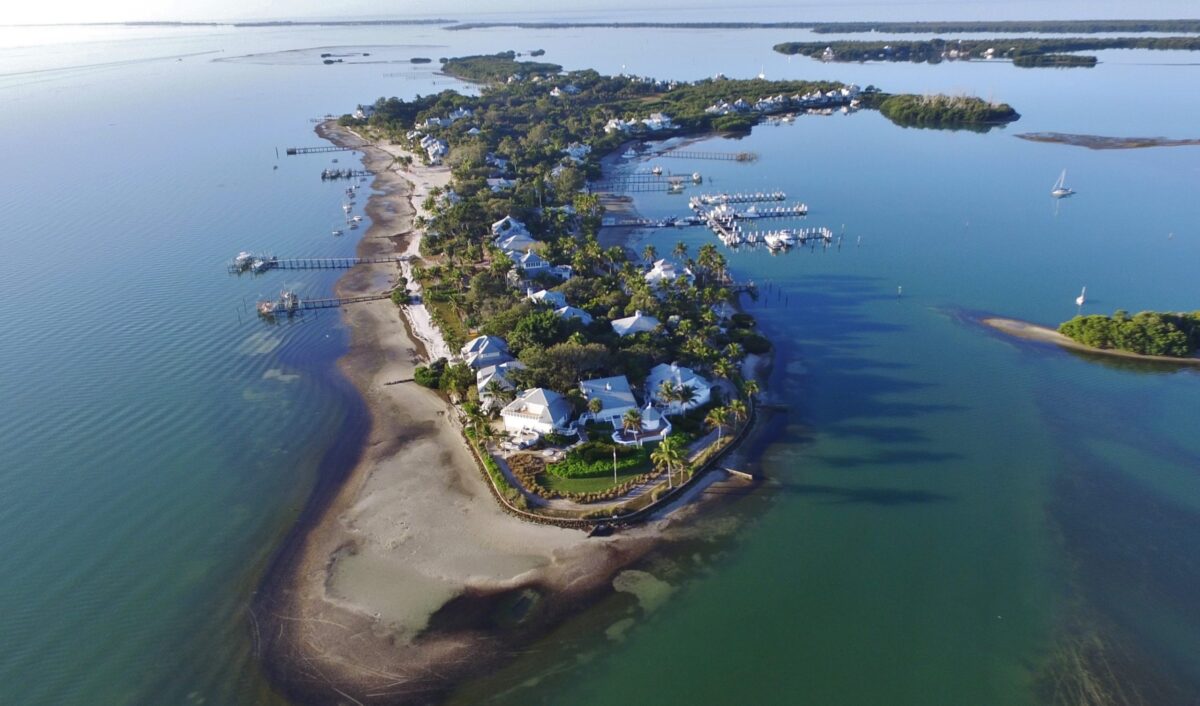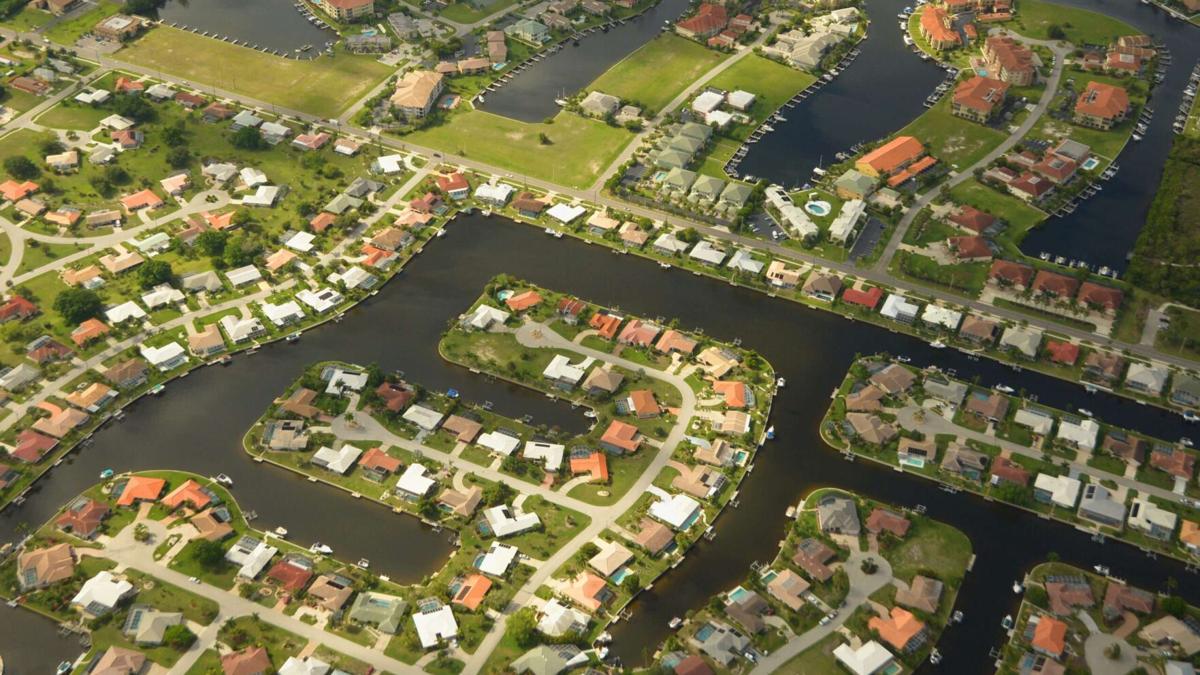

Southwest Florida continues to solidify its reputation as the nation’s premier destination for retirement living. A new analysis released by StorageCafe identifies the Cape Coral–Fort Myers and Naples–Immokalee–Marco Island metro areas as the first and third best places to retire in the United States, respectively.
This ranking underscores the region’s dominance in the sector, with Florida metro areas claiming four of the top five spots nationwide.
#1: Cape Coral–Fort Myers
Taking the top spot overall, the Cape Coral–Fort Myers metro area was recognized for its established senior infrastructure and natural amenities. The region is already heavily shaped by its mature population, with nearly 29% of residents aged 65 or older—significantly higher than the national average.
Key metrics driving this ranking include:
-
Life Expectancy: 80.6 years.
-
Average Retirement Income: Approximately $42,000.
-
Lifestyle: The study highlighted the area’s extensive waterways, outdoor recreation opportunities, and warm climate as primary draws.
#3: Naples–Immokalee–Marco Island
Ranked third nationally, the Naples area stood out specifically for the health and longevity of its residents. The metro area leads the entire nation in longevity, boasting an average life expectancy of 84 years.
The region is also characterized by higher financial stability among retirees:
-
Demographics: Seniors account for over 32% of the population.
-
Income: The average retirement income is roughly $59,000, the highest among the top-ranked destinations.
-
Quality of Life: High marks were given for air quality, access to top-tier healthcare, and luxury lifestyle amenities.
A Regional and National Shift
Southwest Florida’s strong performance helped propel the Southeast region to the forefront of the rankings. The North Port–Sarasota–Bradenton area ranked fourth, followed by Port St. Lucie in fifth place.
The study comes at a pivotal demographic moment. Demographers note that the U.S. is currently in a “Peak 65” wave, with more than 4 million Americans expected to turn 65 in 2026. As this population grows, priorities are shifting. The analysis evaluated over 100 large metro areas based not just on climate, but on resilience, affordability, safety, and access to healthcare.
While Florida dominated, the list offered some surprises. The New York–Newark–Jersey City metro ranked second, driven by its world-class hospital systems and public transit, proving that access to services is becoming as critical to retirees as weather.
By the Numbers: Top 10 U.S. Retirement Destinations
1. Cape Coral–Fort Myers, Florida
-
Life expectancy: 80.6 years
-
Per capita retirement income: $42,094
2. New York–Newark–Jersey City, NY–NJ–PA
-
Life expectancy: 80.3 years
-
Per capita retirement income: $37,544
3. Naples–Immokalee–Marco Island, Florida
-
Life expectancy: 84 years (Highest in U.S.)
-
Per capita retirement income: $59,122 (Highest in ranking)
4. North Port–Sarasota–Bradenton, Florida
-
Life expectancy: 80.1 years
-
Per capita retirement income: $42,160
5. Port St. Lucie, Florida
-
Life expectancy: 78.9 years
-
Per capita retirement income: $35,693
6. Kiryas Joel–Poughkeepsie–Newburgh, New York
-
Life expectancy: 79 years
-
Per capita retirement income: $38,147
7. Durham–Chapel Hill, North Carolina
-
Life expectancy: 79.6 years
-
Per capita retirement income: $36,920
8. Virginia Beach–Norfolk–Newport News, VA–NC
-
Life expectancy: 78.9 years
-
Per capita retirement income: $36,774
9. Madison, Wisconsin
-
Life expectancy: 80.5 years
-
Per capita retirement income: $36,455
10. Boise City, Idaho
-
Life expectancy: 78.8 years
-
Per capita retirement income: $31,781