Categories
SWFL Update

Wonderful News: Historic Bonita Springs Public Boat Launch Returns at Saltleaf Marina Grand Opening

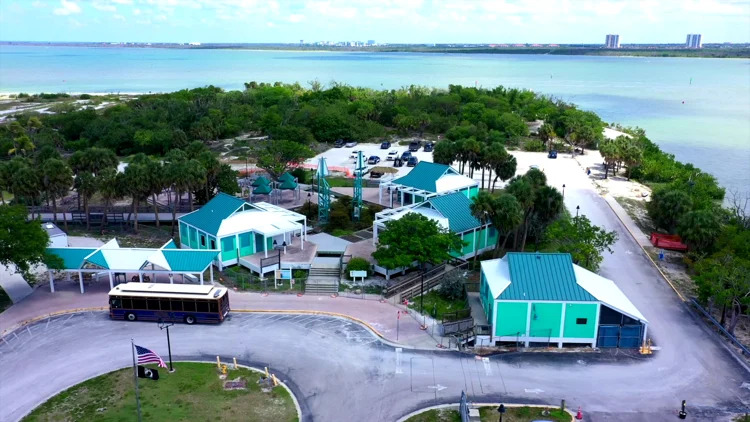
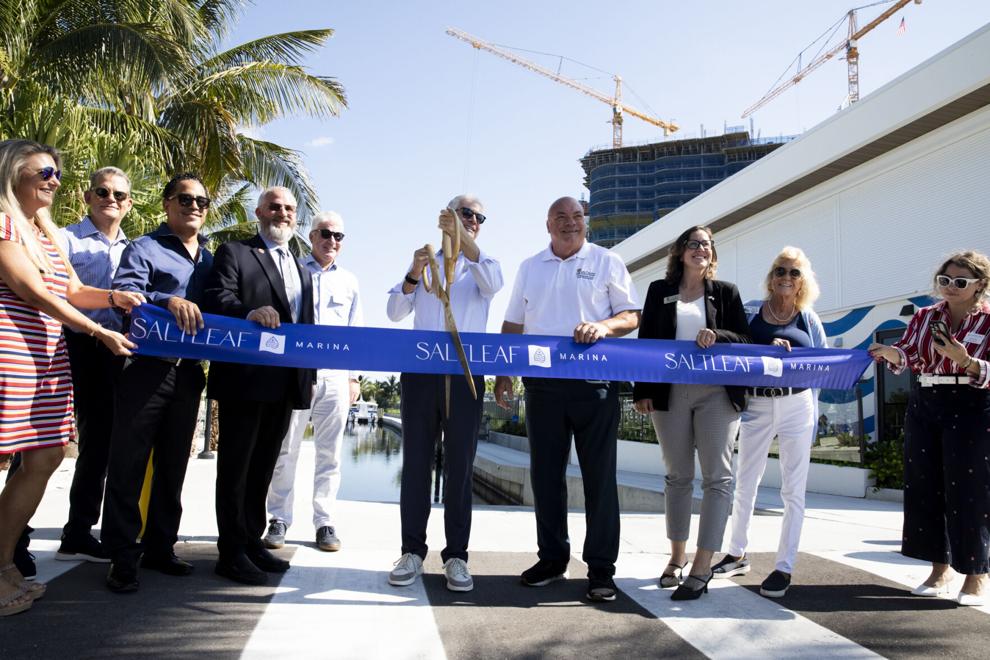
The Bonita Springs public boat launch access point has officially returned to the community, blending old-school Florida history with high-end luxury master planning. In a highly anticipated ribbon-cutting ceremony held on June 22, 2026, the brand-new Saltleaf Marina formally opened its gates to the public, marking the dynamic rebirth of one of the region’s most beloved maritime heritage sites.

Situated securely at the western terminus of Coconut Road directly on the pristine edge of Estero Bay, the new $8.5 million waterfront development directly addresses a multi-year void in local boating infrastructure. Spearheaded by Naples-based luxury developer London Bay Development Group and their marine engineering contractors, Kelly Brothers, the 72-slip project was finalized ahead of schedule and entirely under budget, creating an elite transit gateway out to the open waters of the Gulf.

Preserving the Legacy of the Historic Weeks Fish Camp

What makes the restoration of this specific Bonita Springs public boat launch site so significant is its deep cultural connection to early local history. The property originally housed the pioneering Weeks Fish Camp, an iconic commercial fishing outpost established by the Weeks family back in 1942. For decades, the camp operated as a casual focal point for native commercial fishermen, marine researchers, and recreational boaters before the private camp grounds were shuttered in 2014.

When the 40-acre tract was sold to private interests, local historians and family members worried that public access to the bay would be lost forever to high-density residential walls. However, after acquiring the acreage in 2018, London Bay CEO Mark Wilson worked alongside city officials and the Bonita Springs Historical Society to draft a unique covenant. The developer agreed to fund, construct, and manage a state-of-the-art marina while legally dedicating the docks as a public amenity in perpetuity, ensuring that local families can launch their crafts from this site forever.

Integration Into the 500-Acre Saltleaf Coastal Village

The newly operational Bonita Springs public boat launch serves as a vital public anchor for London Bay’s sprawling, 500-acre master-planned Saltleaf community. While the wider village layout features ultra-exclusive, low-density residential properties including the twin 22-story towers of The Ritz-Carlton Residences, Estero Bay the marina operations function similarly to a public park.

The surrounding luxury infrastructure includes a variety of high-end lifestyle amenities:

  • The Ritz-Carlton Towers: A multi-million dollar residential enclave providing panoramic sunset views over the state’s first dedicated aquatic preserve.

  • Acqua Bistecca Restaurant: A dockside fine-dining concept by celebrated chef Michael Mina, serving up premium wood-fired steaks and Italian-inspired coastal seafood.

  • Saltleaf Golf Preserve: A recently modernized, Tom Fazio-reimagined 18-hole championship course operated by Troon, completely designed with zero formal bunkers to honor the natural Florida terrain.

  • The Marina Ship Store: A fully stocked on-site boutique carrying daily essentials, outdoor sundries, and a curated display of historic Weeks Fish Camp photographs illustrating early coastal village life.

Upgraded Regional Connectivity for Lee County Boaters

During the formal opening remarks, local civic leaders highly praised the public-private partnership model as a transformational template for future coastal real estate efforts. Lee County Commissioner Cecil Pendergrass and Bonita Springs Mayor Mike Gibson highlighted the practical regional benefits of reviving this critical access node.

Prior to the completion of Saltleaf Marina, neighborhood boaters living along the Coconut Road and corporate corridors often faced extensive travel times, forcing them to haul their trailered vessels out to distant facilities like Lovers Key State Park or down to crowded docks in Naples. This close-to-home connection significantly reduces traffic friction along local roads while providing an immediate boost to nearby hospitality blocks. The facility is equipped to handle vessels up to 30 feet in length, making it perfect for custom fishing charters, dolphin sightseeing excursions, and day trips out to Sanibel and Captiva islands.

To stay updated on other key transportation assets and pedestrian pathways currently undergoing upgrades across Lee County, you can explore our detailed operational review of the Lee County sidewalk infrastructure improvements to help organize your seasonal travels.

Marina Operational Fact Sheet

Public Property Guarantee: Through a binding covenant signed between the City of Bonita Springs and London Bay, public access to the boat slips and ship store remains legally protected in perpetuity, completely independent of future real estate ownership shifts.

  • Total Slip Capacity: 72 boat slips engineered for vessels up to 30 feet in length.

  • Development Investment: $8.5 Million corporate capital allocation managed by Kelly Brothers.

  • Core Public Services: Standalone boat launches, kayak/paddleboard rentals, and a public ship store.

  • Environmental Oversight: Built in strict alignment with the surrounding Estero Bay Aquatic Preserve guidelines.

For real-time boat slip availability registries, annual dock lease data tables, or to view the full hours of operation for the ship store, maritime operators can track data summaries directly via the Official Saltleaf Marina Waterfront Registry.
Categories
SWFL Update

Positive Growth: Southwest Florida International Airport Flight Routes See 11% Surge in May Operations

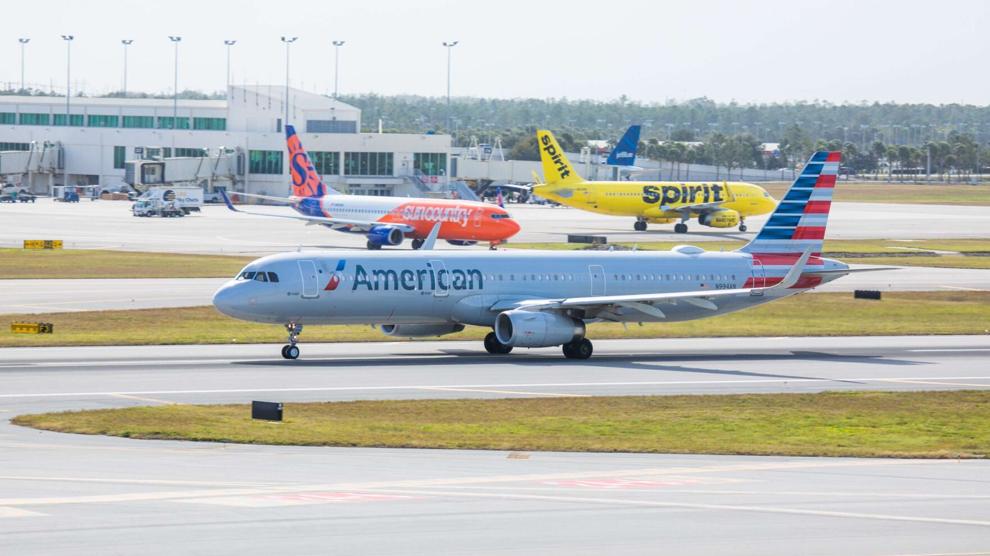
The network of Southwest Florida International Airport flight routes is experiencing a steady climb in operational activity, signaling sustained demand for travel into Lee County. According to the latest monthly traffic report released by the Lee County Port Authority, the facility tracked positive growth across both passenger volume and overall runway activity throughout May 2026.

The data confirms that Southwest Florida International Airport flight routes accommodated 838,639 total passengers during the month. This performance marks a modest 0.5% increase compared to May 2025, keeping the airport’s cumulative year-to-date passenger traffic up by 0.8%. This reliable upward trend provides essential economic stability for regional real estate markets, coastal hospitality groups, and local independent merchants counting on steady consumer arrivals.

Analyzing the Top Five Airline Traffic Leaders

The distribution of travelers across specific Southwest Florida International Airport flight routes reflects a highly competitive mix of legacy carriers and low-cost operators. The capacity metrics show that major national airlines continue to deploy significant fleet resources to capture the region’s steady visitor volume.

The top five airline traffic leaders for the month are highly scannable:

  • Delta Air Lines: Secured the clear number-one position by transporting 194,769 passengers across its network.

  • Southwest Airlines: Maintained its strong market presence by handling 160,427 passengers.

  • American Airlines: Captured the third-place spot by processing 141,681 passengers.

  • United Airlines: Closely followed with a recorded volume of 133,742 passengers.

  • JetBlue: Rounded out the elite top-tier bracket by logging 78,577 passengers.

The consistent capacity delivered by these primary carriers ensures that travelers booking Southwest Florida International Airport flight routes maintain diverse scheduling options and competitive pricing baselines when organizing seasonal travel from major northern metros.

Double-Digit Surge in Runway Aircraft Operations

The most striking revelation from the monthly Port Authority brief centers on the rapid acceleration of actual aircraft movements. Southwest Florida International Airport recorded a total of 8,477 aircraft operations throughout the month, representing an impressive 11% increase over the activity levels tracked in May 2025.

This 11% operational surge outpaced the single-digit passenger percentage increase, indicating that airlines are actively adding more frequent flights, testing new route timings, and utilizing diverse aircraft sizes across their active regional networks. Simultaneously, Page Field (FMY)—the county’s dedicated business and general aviation hub located in Fort Myers—registered 14,688 total operations, marking an equally impressive 13% expansion compared to the same period last year.

This combined aviation growth highlights the continuing evolution of Lee County’s transportation infrastructure. To ensure the facility can efficiently manage this long-term operational scaling, the airport is moving forward with its multi-million dollar Terminal Expansion Project, which will consolidate checkpoints and introduce fresh pre-security dining options.

Importantly, because the Lee County Port Authority operates entirely as an enterprise fund, no ad valorem property taxes are utilized for any airport operations or terminal construction. This structural insulation ensures that local property owners are completely shielded from carrying the financial burden of large-scale transit upgrades.

To better coordinate your upcoming local travel arrangements or track broader transit adjustments on the ground, you can also review our recent summary of the Lee County sidewalk infrastructure improvements to help organize your upcoming island commutes.

Monthly Aviation Statistics Summary

Financial Note: The ongoing infrastructure expansions at RSW are entirely self-funded through airport revenue bonds, passenger facility charges, and federal aviation grants, preserving local municipal tax revenues.

  • Total Monthly Passengers: 838,639 travelers processed, a 0.5% increase year-over-year.

  • Core Runway Operations: 8,477 commercial aircraft movements, reflecting an 11% surge.

  • Year-to-Date Traffic Momentum: Cumulative passenger traffic holds a 0.8% advantage over the 2025 pace.

  • General Aviation Baseline: Page Field logged 14,688 operations, expanding by 13%.

For complete historical data tables, real-time flight arrival schedules, or to review the port authority’s comprehensive financial reports, commuters can monitor data directly via the central portal at the Official Lee County Port Authority Repository.

Categories
SWFL Update

Wonderful Milestones: $3.1M McGregor Baptist Church Sanctuary Renovation Launches in Fort Myers

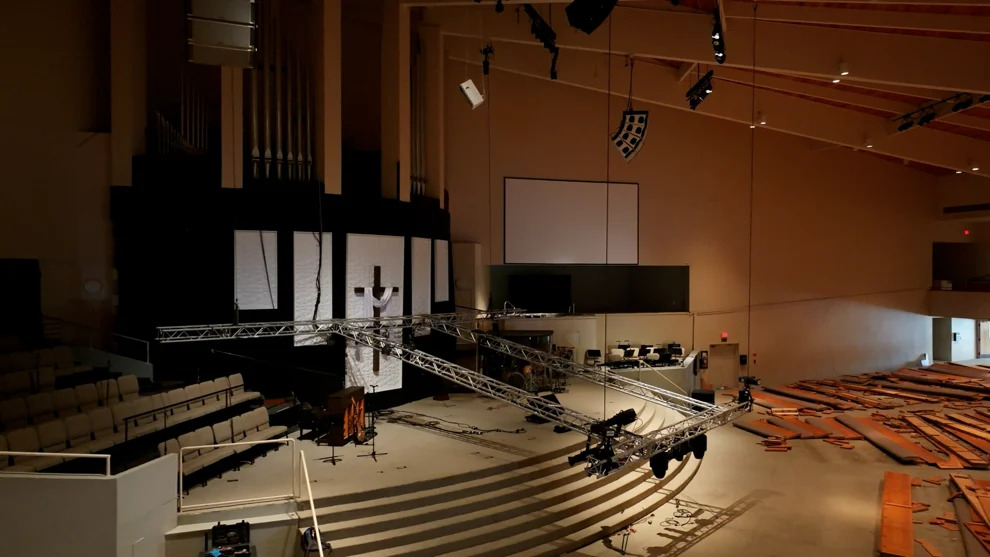
The McGregor Baptist Church sanctuary renovation has officially commenced, marking a historic milestone for one of Lee County’s most prominent faith communities. Benchmark General Contractors recently mobilized on-site to execute the massive $3.1 million-plus structural overhaul, which will completely transform the interior environment of the main Worship Center.

This high-impact McGregor Baptist Church sanctuary renovation represents the physical realization of the community’s “Renew Phase Two” master campaign. Because the main auditorium has stood largely unchanged since its original construction in 1983, the comprehensive build strategy addresses weathered flooring, outdated acoustic insulation, and legacy lighting systems to establish a fully modernized, highly resilient spiritual facility for future generations.

Project Timeline, Leadership, and Temporary Staging Logistics

The operational execution of the McGregor Baptist Church sanctuary renovation is operating under an estimated timeline of 180 days from municipal permit issuance, tracking an efficient six-month construction schedule. To guide the multi-million dollar institutional build with maximum precision, Benchmark General Contractors has assembled an elite on-site project management squad. The specialized leadership team is headed by Brandi Schulte as senior project manager, Dane Johnson as site superintendent, and Hunter Souders acting as assistant project manager.

To ensure the church’s extensive weekend worship and community operations face minimal disruptions during the active 180-day construction window, administrative coordinators have deployed a complete spatial staging plan. While heavy demolition machinery, concrete trenching rigs, and scaffolding arrays occupy the core sanctuary floor, all standard church services have temporarily transitioned into the campus’s high-capacity Fellowship Hall.

Comprehensive Architectural Upgrades Detailed

The structural scope of the McGregor Baptist Church sanctuary renovation moves far beyond simple cosmetic repairs. Architects and trade partners have coordinated an intricate indoor layout designed to significantly elevate acoustic quality, maximize spatial sightlines, and improve overall accessibility.

The comprehensive architectural changes feature an array of premium, scannable interior updates:

  • Seating Upgrades: Installation of newly configured, custom-engineered curved pews loaded with thick, padded backing and seats to maximize comfort and improve aisle navigation.

  • Acoustic & Aesthetic Overhauls: The placement of premium stacked stone veneers, organic wood trims, and advanced acoustical wall panel treatments to fine-tune sound resonance across the room.

  • Advanced Electrical Infrastructure: Complete replacement of the legacy, high-maintenance lighting grid with a brilliant, highly energy-efficient LED system.

  • Platform & Foyer Reconfiguration: The main stage platform is being extended forward to create a dynamic presentation zone, paired with newly redone foyer flooring, glass partitions, and updated entry doors.

  • Public Restroom Modernization: Demolition and complete replacement of the core restroom facilities, including plans for specialized, code-compliant family bathroom layouts.

A Powerful Coalition of Local Design and Trade Partners

Financing a high-capacity institutional project like the McGregor Baptist Church sanctuary renovation requires flawless alignment across dozens of specialized contracting disciplines. To maintain an aggressive build pace, Benchmark General Contractors has mobilized a robust coalition of premier regional subcontractors and engineering consultants.

The specialized trade network includes Novus Architects, Wallace Design Collective, Sabe Engineering, AE Global, and Kingdom Design handling the core structural and spatial aesthetics. Field operations are further backed by heavy-hitting field suppliers and service groups like United Rentals, Earth View, Wildcat Renovations, and Sanibel Glass and Mirror.

Finishing touches and vital utility integrations are being expertly managed by local mainstays like Acousti, Lee Drywall, Wayne Wiles Floor Coverings, ABC Electric Service, and United Plumbing. By keeping the sub-contracting pipeline focused heavily on native Southwest Florida trade groups, the multi-million dollar investment simultaneously stimulates the regional commercial real estate economy.

The finished worship center will also feature state-of-the-art audiovisual control consoles and massive central LED display walls, eliminating outdated projection bugs. This tech infusion allows the production team to broadcast crisp, high-definition live streams out to regional families living across the Gulf coast.

To monitor upcoming roadway adjustments near the church campus during heavy equipment deliveries, you can keep track of local transit notes via the Lee County Sidewalk Infrastructure Improvements Hub to help organize your Sunday morning commute.

Master Renovation Structural Summary

Campus Operations Advisory: While the main sanctuary remains a strict hard-hat zone closed to the general public, all weekly youth programs, preschool drop-offs, and community outreach ministries will continue to operate on their normal schedules via alternative campus entrances.

  • Total Financial Investment: $3,100,000-plus dedicated entirely to sanctuary revitalization.

  • Active Project Timeline: 180 days from permit issuance, targeting a late-autumn completion.

  • Core Technological Additions: Advanced LED architectural lighting networks, digital sound consoles, and center screen LED arrays.

  • Primary General Contractor: Benchmark General Contractors.

For additional information regarding temporary seating layouts in the Fellowship Hall, to review weekly construction photo logs, or to submit a digital contribution toward the ongoing building fund, community members can check data summaries directly via the Official McGregor Baptist Church Renew Portal.

Categories
SWFL Update

Southwest Florida Youth Music Education Expands at SBDAC Jazz Camp

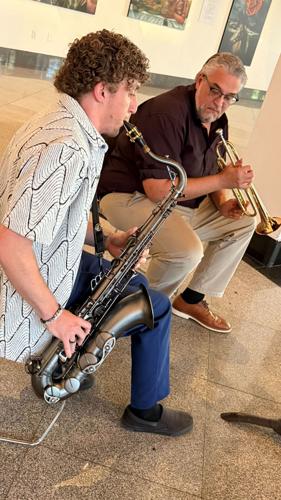
The landscape of alternative creative training is shifting into high gear inside Fort Myers’ historic downtown river district. Young musicians from across the region are invited to deepen their understanding of music theory, syncopated improvisation, and collaborative performance this summer through the highly anticipated Jazz Ensemble Camp at the Sidney & Berne Davis Art Center (SBDAC).

This specialized, week-long intensive represents a significant, high-impact pillar of Southwest Florida youth music education, providing an elite training environment where aspiring artists can sharpen their technical craft. By connecting young students directly with established professional clinicians, the program systematically bridges the gap between classic classroom theory and live, high-energy stage performance.

Exceptional Layout of the Jazz Intensive Curriculum

The structural philosophy driving this summer’s camp moves away from rigid, lecture-heavy school formats toward an interactive, mentorship-driven ensemble model. Running from July 13–17, 2026, the program is co-led by celebrated regional educator and professional tracking musician Leonardo “Leo” Bacigalupi alongside fellow virtuoso teacher Kross Torregrossa.

The comprehensive curriculum is meticulously engineered for student musicians ages 10–18 with varying skill levels. To ensure all participants receive tailored instruction, the daily schedule provides a balanced, highly scannable map of musical development:

  • Improvisation & Ear Training: Campers will deconstruct the fundamental chord progressions of early American jazz and blues traditions, learning to compose spontaneous solos on the fly.

  • Rhythmic Synchronization: Specialized sectionals will focus on complex polyrhythms, standard swing beats, and syncopation patterns that define traditional big band and contemporary fusion genres.

  • Ensemble Communication Walls: Instructors will guide students through the subtle mechanics of non-verbal stage cues, teaching the rhythm and horn sections how to actively listen and respond to one another during a live arrangement.

  • Creative Expression Laboratories: Daily masterclasses will push students to look beyond the sheet music, helping them develop their unique musical voice, tone dynamics, and stage presence.

Logistics, Logistics, and Extended Care Options

To accommodate the demanding work weeks of busy regional families, SBDAC administrators have implemented a flexible, multi-tier wraparound care system. The core instructional camp hours are scheduled from 9:00 a.m. to 4:00 p.m., Monday through Friday.

Parents can effortlessly customize their child’s schedule by integrating standalone auxiliary care blocks to manage early-morning commutes or late-afternoon travel times:

  • The Early Morning Window: Dedicated before-care monitoring is available daily from 8:00 a.m. to 9:00 a.m. for an additional $25 per week.

  • The Late Afternoon Extension: Monitored after-care programming runs securely from 4:00 p.m. to 5:30 p.m. for an additional $25 per week.

  • The Total Wraparound Package: Families requiring complete coverage can lock in both the morning and afternoon care windows for a flat, discounted rate of $50 per week per student.

Securing a Creative Edge in the Southwest Florida Youth Music Education Grid

The baseline tuition for the intensive is set at $375 per week. Because space within the specialized ensemble rooms is strictly limited to maintain an optimal student-to-teacher ratio, parents are highly encouraged to finalize their paperwork early. Registration remains incomplete, and a camper’s slot is not officially locked in, until both the digital enrollment form and the formal tuition payment are processed through the center’s registry system.

Furthermore, to ensure that premium Southwest Florida youth music education remains accessible to all passionate students regardless of their immediate household income parameters, NCEF-backed financial assistance applications are actively available upon request. Campers are responsible for packing their own lunches and bringing their primary instruments to the historic facility daily.

By locating this high-caliber artistic academy right in the heart of Lee County, the program helps generate a vibrant pipeline of local talent that eventually enriches regional theater pits, collegiate big bands, and jazz clubs near the Gulf coast. For parents ready to help their child take the next step in their creative journey, reservations can be managed directly via the Sidney & Berne Davis Art Center Creative Academy Portal. You can also track other ongoing municipal enrichment programs by exploring our comprehensive review of the Bonita Springs RiverFest event, which details the upcoming summer waterfront festival and local arts showcases.

Camp Operational Fact Sheet

Enrollment Notice: Because the curriculum culminates in a live group showcase performance on the final day of camp, participants must commit to attending all five consecutive instructional days to preserve ensemble spacing.

  • Primary Venue: Sidney & Berne Davis Art Center, 2301 First Street, Fort Myers, FL.

  • Core Dates: July 13 through July 17, operating daily from 9:00 a.m. to 4:00 p.m.

  • Target Demographics: Aspiring student musicians ages 10 to 18 across all instrument categories.

  • Tuition Parameters: $375 core weekly tuition, with multi-student and financial aid options available.

Categories
SWFL Update

Excellent News: Lee County Sidewalk Infrastructure Improvements Active on Pine Island

The Lee County sidewalk infrastructure improvements are officially launching to upgrade pedestrian safety along the island’s primary north-south transit corridor. The Lee County Department of Transportation (LCDOT) has issued an official notice reminding Pine Island residents that a targeted infrastructure rehabilitation initiative will mobilize next week.

This major maintenance project focuses on the systematic removal and replacement of damaged concrete sidewalk panels where extensive cracking and weathered degradation have compromised the path. These targeted Lee County sidewalk infrastructure improvements represent a significant step toward improving alternative transportation options, ensuring that local runners, families, and beachbound cyclists can safely navigate the coastal environment.

Logistics and Staging of the Stringfellow Road Restoration

The administrative strategy behind these Lee County sidewalk infrastructure improvements relies on a clear, phased geographical rollout. To minimize disruptions to neighborhood traffic and property access points, construction crews will establish their initial base of operations on the south side of Stringfellow Road near Saint James City. As individual segments are completed, the machinery and staging areas will progress steadily north toward the center of the island.

To take advantage of optimal daylight and dry mid-summer weather windows, LCDOT managers have established an aggressive, initial multi-day push. The primary project window is scheduled from 7:00 a.m. to 7:00 p.m., beginning Monday, June 29, and running consecutively through Saturday, July 4, 2026.

Because public safety remains a top architectural priority during these Lee County sidewalk infrastructure improvements, pedestrians and bicyclists should prepare for intermittent sidewalk closures. Local travelers are highly encouraged to exercise caution and strictly follow posted detour signage. Engineering teams emphasize that only the specific, localized sections of the concrete path actively undergoing demolition and pouring will be cordoned off. The remaining miles of the pathway will stay completely accessible to the public where active work is not taking place.

Funding Mechanics Driven by Federal Disaster Recovery Grants

The financial backing for these critical Lee County sidewalk infrastructure improvements stems from a broader multi-million dollar infrastructure modernization contract. The Lee Board of County Commissioners initially authorized this capital package to fortify regional roadways, municipal bridges, and drainage systems against long-term weather vulnerabilities.

Rather than burdening local property owners with special assessments, the funding for these Lee County sidewalk infrastructure improvements is entirely sourced from the U.S. Department of Housing and Urban Development’s (HUD) Community Development Block Grant – Disaster Recovery (CDBG-DR) allocation. This specialized federal grant network is explicitly reserved to address the lingering structural needs of coastal communities recovering from historical storm damage, ensuring the local transit grid can better withstand changing sea conditions near the Gulf.

Following the initial holiday push, construction activities will continue intermittently throughout the summer and fall seasons until all deteriorated segments are fully restored. To track real-time lane adjustments and pedestrian routing, residents can review the weekly Roadwatch Update published every Thursday on the Lee County DOT Roadwatch Page. You can also track other ongoing municipal infrastructure efforts by reading our comprehensive review of the Lee County beach restoration projects, which details the upcoming $13.4 million overhaul of adjacent coastal parks and public boat docks.

Construction Schedule Summary

Pedestrian Notice: Property owners with specific questions regarding localized right-of-way staging or concrete curing times can connect with the dedicated Community Outreach Specialist directly at 239-744-9192.

  • Primary Work Zone: Stringfellow Road corridor, moving from Saint James City heading north.

  • Initial Core Timeline: June 29 through July 4, operating from 7:00 a.m. to 7:00 p.m. daily.

  • Project Capital Source: U.S. HUD Community Development Block Grant – Disaster Recovery (CDBG-DR).

  • Operational Contingency: Active paving is subject to temporary adjustments depending on summer afternoon rain and tropical weather parameters.

Categories
SWFL Update

Excellent Value: 3 Exciting New Southwest Florida International Airport Flight Routes Launching Soon

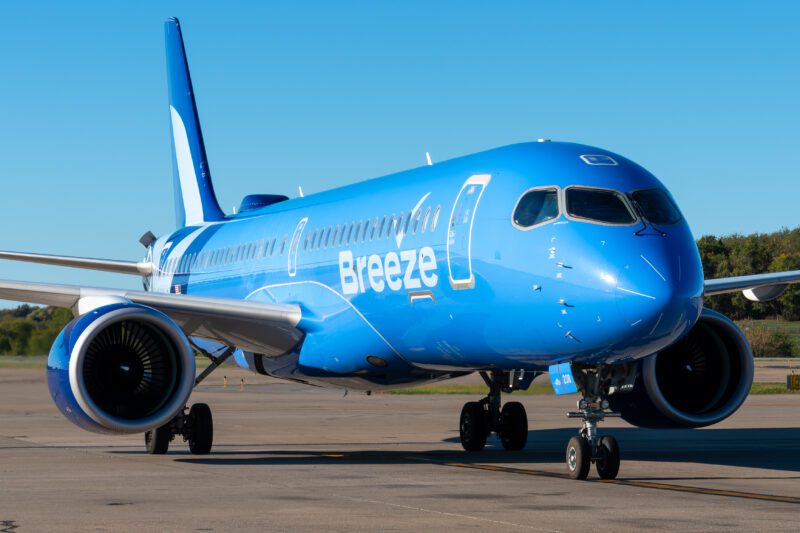
The network of Southwest Florida International Airport flight routes is expanding significantly. This growth provides local residents and incoming tourists with highly affordable alternatives to traditional legacy carriers. In a major network expansion announcement, low-cost carrier Breeze Airways revealed a substantial infrastructure plan centering on Southwest Florida International Airport (RSW).

The upcoming scheduled Southwest Florida International Airport flight routes introduce point-to-point, nonstop links to key Midwest and Northeast mid-market hubs. This lets travelers bypass crowded connection terminals entirely. This strategic service injection is designed to capitalize on the upcoming high winter travel season, lowering travel time friction for seasonal residents heading down to the Gulf region.

Operational Breakdown of the Three New Aviation Corridors

The implementation blueprint for these new Southwest Florida International Airport flight routes relies on a staggered, multi-month rollout strategy starting in late autumn. By aligning its launch dates with peak vacation periods, the airline aims to maximize passenger loads while offering highly competitive introductory base fares.

The finalized Southwest Florida International Airport flight routes, frequencies, and pricing metrics offer convenient transit options:

  • The Dayton, Ohio (DAY) Connection: Launching as a year-round transit corridor, this nonstop route will operate twice weekly on Mondays and Fridays. Service is scheduled to officially mobilize on October 23, 2026, with introductory one-way fares locking in at an affordable $69 baseline.

  • The Madison, Wisconsin (MSN) Line: Configured as a specialized seasonal asset, this route bridges the upper Midwest directly to Fort Myers. These Southwest Florida International Airport flight routes are scheduled to run twice weekly on Wednesdays and Saturdays, with operations taking flight on October 21, 2026.

  • The Trenton, New Jersey (TTN) Link: Serving as an elite alternative for tri-state area commuters looking to avoid the gridlock of Newark or Philadelphia, this nonstop service will operate on Mondays and Fridays. Flights will commence on January 8, 2027, with one-way introductory ticket pricing starting at $89.

Leveraging Secondary Airports for Efficient Regional Travel

The selection of these specific destinations highlights Breeze Airways’ distinct corporate philosophy. The company targets secondary, underserved municipal fields rather than high-density metropolitan international hubs. For real estate portfolios, hospitality groups, and local businesses across Fort Myers, Cape Coral, and Sanibel, this targeted air expansion functions as a powerful economic driver.

By adding these Southwest Florida International Airport flight routes, the carrier makes it vastly simpler for second-home buyers and vacationers to visit their properties frequently throughout the year. Because the airline primarily utilizes its modern fleet of fuel-efficient Airbus A220 aircraft for these longer trans-regional hauls, passengers experience a quieter, dual-column cabin layout that elevates the overall travel experience.

Reservations for all three new flight pathways are actively open for public booking. Commuters can manage seat selections, bundle baggage allowances, and check real-time schedule modifications directly through the central digital ecosystem at Breeze Airways or via the standalone mobile application.

To better coordinate your upcoming travel arrangements at the terminal, you can also review our comprehensive neighborhood insights on the Lee County Infrastructure Update Hub to track recent coastal park restorations and local transportation planning before your flight lands.

New Route Operational Schedule

Booking Notice: Introductory promotional fares are capacity-controlled and apply strictly to basic one-way reservations; terms, conditions, and optional baggage handling fees vary depending on the chosen ticket tier.

  • RSW to Madison, WI (MSN): Starts October 21, 2026 | Frequency: Wednesdays & Saturdays (Seasonal).

  • RSW to Dayton, OH (DAY): Starts October 23, 2026 | Frequency: Mondays & Fridays | Fares from $69.

  • RSW to Trenton, NJ (TTN): Starts January 8, 2027 | Frequency: Mondays & Fridays | Fares from $89.

For a complete look at all active destination maps, up-to-date arrival and departure tracking metrics, or to read the carrier’s full baggage policy disclosures, travelers can inspect the data summaries provided on the Breeze News Hub.

Categories
SWFL Update

Everglades Restoration Accelerated: EAA Reservoir Receives Historic $2B Funding Boost

Southwest Florida’s coastal ecosystems just secured a monumental victory in the ongoing fight for clean water. The Sanibel-Captiva Conservation Foundation (SCCF) recently joined state, federal, and nongovernmental organization (NGO) partners to celebrate a massive, additional $2 billion in funding dedicated to the Everglades Agricultural Area (EAA) Reservoir.

At the LeAneSuarezGroup, we know that water quality is the single most influential factor driving long-term property values, tourism, and the overall quality of life on Sanibel and Captiva Islands. This historic financial injection is an extraordinary milestone for our local marine life and shorelines.

The Big Takeaway: An additional $2 billion infusion will accelerate the completion of the massive EAA Reservoir to 2029—a full five years ahead of the original schedule. This allows water managers to deliver systemic ecosystem benefits much sooner than anticipated.

The Scale of the Lynchpin Project

When fully completed, this Manhattan-sized reservoir will be capable of holding a staggering 78 billion gallons of water. Serving as the absolute lynchpin of the wider Comprehensive Everglades Restoration Plan (CERP), the reservoir’s primary mission is to intercept and drastically reduce the volume of damaging, nutrient-laden water discharges currently directed toward Florida’s northern estuaries.

                     EAA RESERVOIR COMPONENT BREAKDOWN
  
  [ STORAGE CAPACITY ] ──► 78 Billion Gallons of Water
  [ SIZE SCALE ]       ──► Equal to the footprint of Manhattan
  [ ACCELERATED DATE ] ──► Full completion moved up from 2034 to 2029

Why This Matters for Sanibel and Captiva Islands

During periods of heavy summer rainfall, excess water heavily burdens regional infrastructure, forcing water managers to make large, damaging discharges from Lake Okeechobee directly into local estuaries. These unnatural pulses of freshwater disrupt delicate salinity balances and transport high concentrations of watershed nutrients that can fuel harmful algal blooms along our beaches.

“When there is an excess of water in the system, the damaging discharges from Lake Okeechobee wreak havoc on our estuaries. This funding will help us bring the project online much sooner and allow water managers to control the quality, quantity, timing and distribution of the water necessary to restore our ecosystems.” — Matt DePaolis, SCCF Environmental Policy Director

A Dual-Reservoir System to Balance the Caloosahatchee

The expedited timeline of the EAA Reservoir creates a powerful tag-team dynamic when paired with the infrastructure of the nearby C-43 Reservoir. Together, these two multi-billion-dollar projects provide regional environmental managers with unprecedented tools to stabilize local estuaries:

  • Wet Season Protection: The reservoirs will capture and store massive volumes of water during peak rainfall months, successfully preventing destructive, sudden releases from overwhelming the coastline.

  • Dry Season Support: Stored water can be clean-filtered and strategically released during dry winter months to maintain healthy, beneficial baseline flows for marine habitats.

  • The Watershed Reality: While local watershed nutrient runoff from land development will still require aggressive management, having total control over water quantity is a revolutionary step forward for regional conservation.

Event speakers continually highlighted the historic speed with which this project will now move. Securing consistent, bipartisan, long-term funding for massive civil engineering projects has historically been a significant hurdle, making this unified $2 billion fast-track an incredible moment of celebration for the entire state of Florida.

Categories
SWFL Update

35 Years of Chef Expertise: New Lotus Thai Bistro Fort Myers Debuts on Orion Drive

A fresh era of culinary excellence is taking root in the south Fort Myers dining landscape. Moving into a familiar neighborhood corridor, Lotus Thai Bistro Fort Myers has officially opened its doors, bringing a completely revitalized dining atmosphere to a longtime restaurant space.

Occupying a prime retail address at 6611 Orion Drive, the restaurant anchors the prominent Orion Plaza, situated securely at the southwest corner of Daniels Parkway and Plantation Road. The new venue fills a notable void left by its predecessor, Thai Star, which closed its doors in January after serving local families for decades. Following months of extensive structural and interior renovations, the location is welcoming guests as it builds momentum toward a formal summer celebration.

A Seamless Menu Evolution Guided by Culinary Mastery

The driving force behind the launch of Lotus Thai Bistro Fort Myers is its new owner and head chef, Jaratporn Costley. Costley brings a stellar professional pedigree to the kitchen, backed by 35 years of culinary experience operating master kitchens in international flavor capitals like Bangkok and Singapore.

To honor the historical legacy of the space while introducing a modern touch, Costley has engineered a balanced, highly scannable menu layout. The kitchen preserves the traditional baseline favorites that neighborhood regulars enjoyed for decades while systematically injecting refined, contemporary recipes.

The menu transition features an array of classic and modern highlights:

  • Traditional Starters: Guests can open their meals with crispy fried spring rolls, chicken satay skewers paired with house-made peanut sauce, and delicate wonton creations.

  • Aromatic Soups & Noodles: The kitchen serves up rich, silky coconut-based Tom Kha soups and classic street-style Pad Thai.

  • The Seven-Curry Matrix: Diners can navigate a comprehensive array of specialized curries, including standard red, green, and yellow varieties, alongside deeply seasoned Panang, Massaman, pineapple, and pumpkin profiles.

  • Signature Specialties: The menu features premium, chef-driven entrees like crispy duck topped with aromatic basil sauces, alongside fresh seafood creations.

Transforming the Space with Modern Structural Backfills

The transition to Lotus Thai Bistro Fort Myers involves far more than a simple change in corporate ownership. To separate the new brand from the former aesthetic, the property underwent a complete top-to-bottom interior overhaul.

The design team executed a multi-point renovation plan, stripping away decades-old fixtures to maximize natural light and guest flow:

  • Modern Footwear Foundations: Teams replaced the outdated flooring with sleek, contemporary materials engineered to withstand heavy commercial foot traffic.

  • Atmospheric Lighting Arrays: The dining room features newly installed warm LED lighting configurations designed to create an intimate, upscale evening mood.

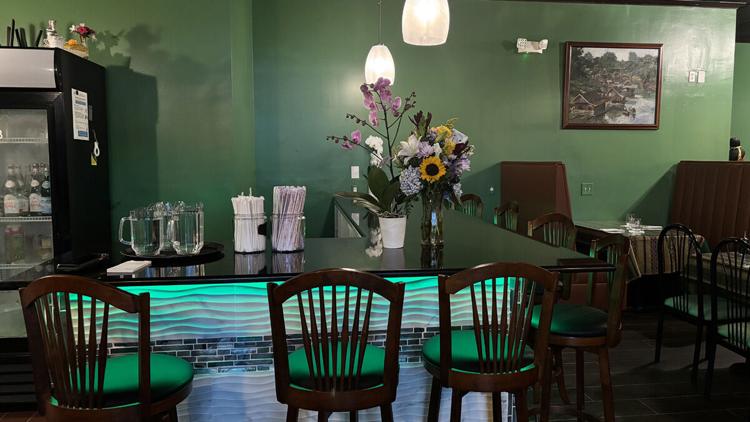
  • Curated Artisanal Decor: The walls are lined with fresh, globally inspired artwork and updated signage that reflects a modern Southeast Asian aesthetic.

  • High-Comfort Seating Layouts: The main dining floor was restaged with upgraded tables and ergonomic booths, maximizing privacy and comfort for small parties and family gatherings alike.

Soft Launch Tracking and the Summer Grand Opening

The restaurant began its initial soft opening phase in early June, allowing the newly assembled kitchen staff to refine operational timing, balance cooking profiles, and stabilize ingredient supply lines from regional distributors near the Gulf coast. This measured ramp-up period ensures maximum service efficiency before the heavy vacation seasons arrive.

The optimization period will culminate in a highly anticipated, formalized grand opening celebration scheduled for Friday, July 3, 2026. This strategic mid-summer launch positions the neighborhood bistro to capture peak holiday traffic along the busy Daniels Parkway commuter artery.

The venue is welcoming guests for both lunch and dinner service throughout the week, offering an array of specialized lunch boxes alongside an expanded evening menu. For south Fort Myers residents searching for a familiar neighborhood anchor blended with world-class international experience, the revamped space delivers an exceptional, clean casual dining option.

Restaurant Operational Fact Sheet

Dining Notice: While walk-in guests are actively accommodated during the current soft opening phase, reservations are highly recommended for weekend evening service as seating capacity remains limited ahead of the official July grand opening.

Categories
SWFL Update

15% Ocean Carbon Risk: Southwest Florida Mangrove Carbon Storage Threatened by Sea-Level Rise

A groundbreaking coastal ecosystem study has sparked critical evaluations regarding the long-term stability of the region’s natural climate defenses. Highlighted by environmental researchers at the Sanibel-Captiva Conservation Foundation (SCCF), the peer-reviewed global analysis published in Earth’s Future reveals a complex, scale-dependent warning for Southwest Florida mangrove carbon storage networks.

While field observations historically suggested that rising tides might stimulate localized plant growth and soil accumulation, the new comprehensive modeling approach proves that accelerating sea-level rise (SLR) across an entire coastal landscape could ultimately compromise these massive blue carbon repositories. If left unchecked, the structural disruption could transform vital coastal wilderness zones from highly effective greenhouse gas traps into active carbon emitters.

The Mechanics of Blue Carbon Capture Under Threat

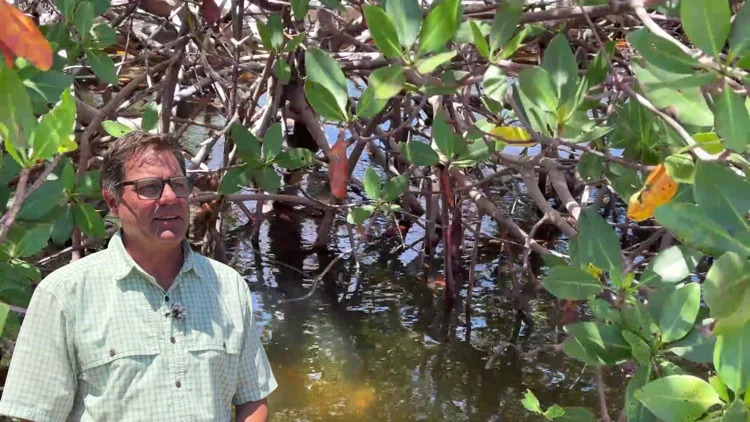
The core environmental value of the Southwest Florida mangrove carbon storage model relies on the unique architecture of salt-tolerant trees like red, black, and white mangroves. These dense estuarine thickets occupy a tiny global footprint, covering less than 1% of the Earth’s surface. Despite their limited acreage, they successfully vault a staggering 15% of all ocean-bound carbon, locking the vast majority of it away in deep, oxygen-depleted sub-surface soils where organic decomposition slows to a crawl.

The newly developed eco-carbon-morphodynamic model engineered by an international scientific team assessed how these delicate sediment layers respond to ongoing sea-level fluctuations. The tracking metrics present a stark warning for the coastal horizon:

  • The Tidal Flooding Threshold: Mangroves are highly specialized plants that demand precise daily periods of low-tide exposure. If sea levels rise faster than the forest can build up its soil elevation, the root networks effectively “drown,” resulting in widespread tree dieback.

  • The Scale-Dependency Disconnect: While carbon accumulation can temporarily spike in isolated, high-sediment marsh pockets, the study found that total landscape-scale storage capacity drops steadily over a 100-year projection.

  • The Sink-to-Source Reversal: When the protective mangrove canopy collapses, the underlying carbon-rich soils are exposed to intense wave action and erosion. This structural breakdown releases ancient underground greenhouse gas stores directly back into the atmosphere.

Navigating the Coastal Squeeze Along Inland Corridors

For conservation teams analyzing Southwest Florida mangrove carbon storage, the baseline health of local estuaries remains remarkably resilient. Field surveys indicate that native marine forests are actively recovering from the severe canopy defoliation and physical damage inflicted by Hurricane Ian in 2022. However, the primary long-term threat to the survival of these carbon sinks is an artificial phenomenon known as “coastal squeeze.“

Historically, as sea levels naturally fluctuated over millennia, mangrove lines adapted by gradually migrating landward, colonizing newly inundated inland tidal flats. In modern Lee and Collier counties, however, that natural evolutionary escape route is completely blocked. High-density residential real estate developments, concrete seawalls, commercial shopping centers, and paved highway grids act as unyielding barriers along the shoreline. As the rising Gulf waters push the tide lines further inland, the mangroves are trapped against rigid urban infrastructure, causing the remaining habitats to steadily shrink.

Hardening Living Shorelines to Protect Local Value

The findings from this global modeling study reinforce the immediate need for regional real estate coordinators, master planners, and environmental groups to shift away from hard armoring strategies. Relying solely on concrete bulkheads can worsen coastal erosion by deflecting wave energy directly into adjacent, unprotected muddy beds.

To protect the remaining Southwest Florida mangrove carbon storage acreage, SCCF and local municipalities are aggressively advocating for the expansion of native living shorelines and public land acquisition buffers. By setting up wide, undeveloped green corridors landward of existing estuaries, communities can provide the spatial pathways necessary for mangrove forests to successfully migrate over the next century.

Securing these natural buffers does more than just trap carbon; it preserves a highly critical, multi-million dollar public safety shield. The dense, tangled root systems act as a powerful energy brake, absorbing massive storm surge heights and dampening high-velocity wave impacts before they can breach inland single-family neighborhoods.

Coastal Ecosystem Structural Summary

Conservation Insight: Preserving existing, mature mangrove sediment blocks delivers an immediate carbon mitigation benefit that cannot be replicated by simple tree-planting campaigns, as deep soil carbon storage takes decades to centuries to fully mature.

  • Global Footprint: Mangroves cover less than 1% of the Earth’s total surface area.

  • Carbon Disproportion: These coastal forests hold roughly 15% of all carbon stored in the world’s oceans.

  • Primary Vulnerability: Threshold failures occur when the sea-level rise rate permanently outpaces local soil accretion.

  • Migration Barriers: Rigid seawalls, roads, and residential real estate prevent natural landward relocation.

For real-time updates on regional shoreline planting initiatives, to evaluate local soil carbon tracking charts, or to participate in native propagation workshops, property owners can monitor findings hosted on the central registry at the Sanibel-Captiva Conservation Foundation Environmental Portal.

Categories
SWFL Update

$13.4 Million Invested: Lee County Beach Restoration Projects Win Board Approval to Rebuild Coastal Infrastructure

A sweeping, multimillion-dollar investment is officially accelerating vertical progress along the Southwest Florida coastline. In a major legislative session on June 16, 2026, the Lee County Board of County Commissioners greenlit a series of major contracts totaling more than $13.4 million to revitalize vital public recreation spaces and structural corridors.

The comprehensive funding packages target a vast array of high-traffic coastal destinations that have been operating under limited capacity or temporary stabilization measures. By pairing local municipal capital with federal and state emergency relief networks, the approved Lee County beach restoration projects establish a resilient, long-term framework to rebuild regional park environments, expand universal accessibility, and advance engineering inspections for the landmark Fort Myers Beach Pier.

Exceptional Layout of the Park and Access Restorations

The core strategy behind the newly authorized Lee County beach restoration projects relies on clustering critical infrastructure tasks under specialized engineering teams. This systematic rollout ensures that repairs to boardwalks, pavilions, restrooms, and marine docks advance concurrently throughout the summer.

The multi-million dollar capital deployment divides into three major structural contracts across the county’s public shoreline footprint:

  • The Southern Beaches Package ($6.95 Million): Awarded to O-A-K/Florida Inc., this major contract funds the comprehensive restoration of Bonita Beach Park, Bonita Beach Access No. 1, and Little Hickory Island Beach Park (Beach Access No. 10). Crews will rebuild destroyed dune boardwalks, shade pavilions, public rinse showers, and parking asphalt layouts, while completely replacing the primary restroom facility at Little Hickory Island.

  • The Multimodal Boardwalk Network ($1.1 Million): Contracted to Marine Contracting Group Inc., this allocation explicitly targets the reconstruction or structural repair of eight distinct beach pathways. The specialized team will remediate Fort Myers Beach Access No. 41, the popular Bunche Beach Boardwalk and Fishing Platform A, alongside Bonita Beach Accesses Nos. 3, 4, 5, 8, and 9.

  • The Bowditch Point Park Remediation ($3.9 Million): Awarded to Vantage Construction Services LLC, this contract covers the complete overhaul of the 17-acre environmental park. The scope of work focuses on restoring public administrative buildings, nature trail segments, and picnic pavilions, while fully replacing the park’s highly utilized 22-slip public boat dock basin.

Engineering Oversight Secured for the 1,000-Foot Pier

A highly anticipated milestone embedded within the approved Lee County beach restoration projects is the allocation of formal construction engineering and inspection (CEI) funding for the iconic Fort Myers Beach Pier. Commissioners awarded a $1.4 million professional services contract to Hardesty and Hanover Construction Services LLC to oversee the upcoming vertical building phase.

The ambitious structural blueprint initially approved for reconstruction earlier this spring outlines a hardened, highly resilient design tailored to withstand future severe coastal weather systems:

  • Expanded Linear Footprint: The new pier is engineered to extend approximately 1,000 feet out into the open waters of the Gulf.

  • Massive Scale Adjustments: This advanced layout represents a striking 70% increase in total length and a 50% expansion in deck width compared to the classic structure that stood prior to 2022.

  • Technical Compliance Checkpoints: The specialized CEI team will manage continuous quality control, material testing, and environmental monitoring, ensuring all vertical framing remains completely in sync with modern maritime building codes once final federal environmental permits are handed down.

Universal Design Implementation and Blended Funding Layers

To ensure the public spaces remain deeply welcoming to all residents and travelers, the commissioner board integrated targeted universal design modifications into the funding matrix. This includes approving dedicated capital for a state-of-the-art Americans with Disabilities Act (ADA) access mat and guidance system at Fort Myers Beach Access No. 43, allowing visitors with mobility devices or strollers to transition smoothly from vehicle drop-off zones straight onto the sand.

The financial architecture supporting these expansive Lee County beach restoration projects relies on a strategic blend of diversified revenue streams. Rather than placing the entire financial burden on local property owners, county administrators successfully leveraged a combination of Florida Division of Emergency Management appropriations, Federal Emergency Management Agency (FEMA) public assistance dollars, localized county funds, and tourist development taxes harvested from regional hotel stays. This diversified capital structure allows the county to rapidly secure its premier eco-tourism assets while preserving vital municipal operating reserves.

Project Capital Allocation Summary

Public Safety Advisory: While administrative approvals are finalized, specific park sectors, maritime boat slips, and boardwalk trails will experience temporary, rolling construction closures over the coming months to accommodate heavy machinery and utility updates.

  • Bonita Beach & Little Hickory Island Upgrades: $6,950,000 allocated to O-A-K/Florida Inc. for pavilions, utilities, and restroom replacement.

  • Regional Boardwalk Reconstruction Loop: $1,100,000 allocated to Marine Contracting Group Inc. across eight distinct beach access zones.

  • Bowditch Point Park 17-Acre Overhaul: $3,900,000 allocated to Vantage Construction Services LLC, including a new 22-slip public boat dock.

  • Fort Myers Beach Pier Inspection Services: $1,400,000 allocated to Hardesty and Hanover Construction Services LLC for 1,000-foot pier oversight.

For real-time lane closure schedules, active construction site maps, or to view detailed blueprint renderings of the expanded 1,000-foot pier layout, residents can monitor the data tables hosted on the central repository at the Lee County Parks & Recreation Capital Projects Portal.