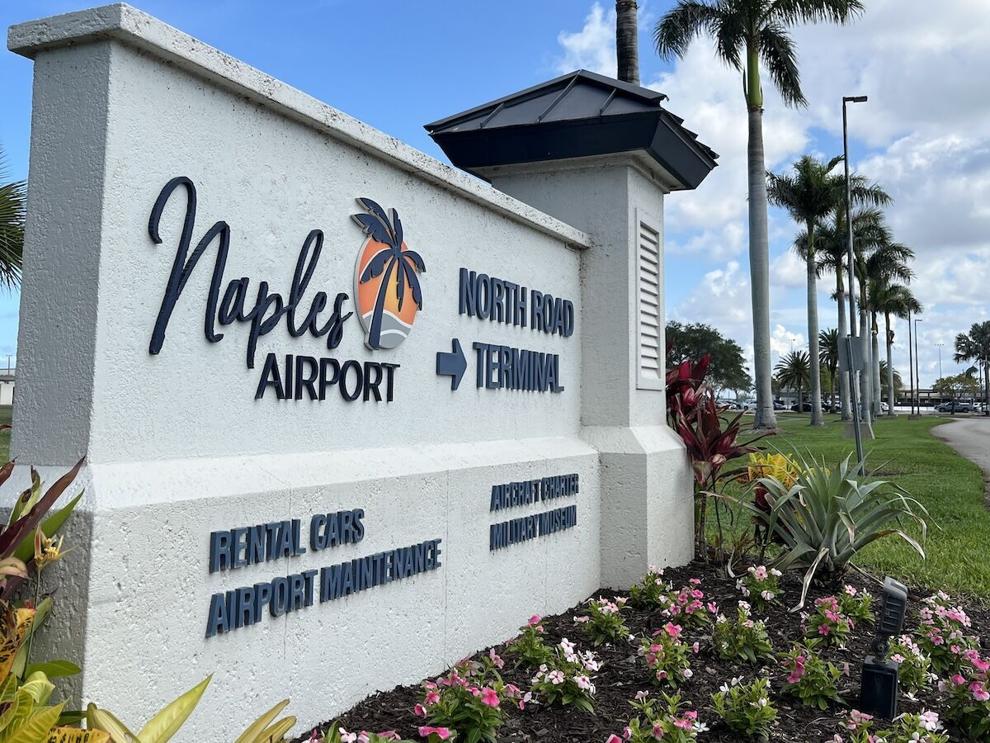
The Naples Airport Authority lawsuit city land battle has officially reached the courts as the City of Naples filed a comprehensive legal complaint against the Naples Airport Authority (NAA) and the Collier County Supervisor of Elections to regain municipal control over hundreds of acres of prime city-owned real estate along Florida’s Gulf coast. The high-stakes legal challenge directly targets recent Florida state legislation that stripped the Naples City Council of its historic authority to appoint the airport authority’s governing board, replacing municipal appointments with countywide general elections.
According to municipal attorneys, this state-level governance overhaul shatters the foundational legal premise of the city’s long-term operating lease. Under the existing agreement enacted decades ago, the authority leases the valuable municipal airfield from the city for just $1 annually through the year 2068. City leaders assert that this nominal peppercorn lease was granted solely under the legal condition that the City Council retained absolute oversight and appointment authority over the board entrusted to manage the municipal asset.
Governance Clash and the Naples Airport Authority Lawsuit City Land Dispute
At the core of the Naples Airport Authority lawsuit city land action is House Bill 4005, a controversial special act passed by the Florida Legislature that converted the airport entity from a dependent municipal special district into an independent district. By shifting board selection from City Council appointment to countywide elections, the law dramatically dilutes the voice of City of Naples residents—who represent less than 5% of Collier County’s total electorate—while handing control over municipal real estate valued in the hundreds of millions of dollars to non-city voters.
Before initiating litigation, the city and the airport authority entered mandatory statutory conflict resolution and formal mediation sessions. However, months of structured negotiations collapsed after both parties reached an impasse over long-term property ownership:
-
Invalidation of the 2068 Lease: The city argues that the fundamental alteration of the authority’s corporate structure breaches and frustrates the purpose of the 1969 lease contract, rendering the $1-per-year agreement voidable.
-
Rejection of Purchase Options: During negotiations, the airport authority proposed acquiring a contractual option to purchase the city-owned land outright. City officials firmly rejected the buyout proposal, refusing to permanently surrender municipal title to one of the community’s most valuable real estate holdings.
-
Home Rule Encroachment: City leaders contend that the state-mandated electoral restructuring represents an unconstitutional infringement upon municipal home rule powers and land-use regulations.
November Ballot Impacts and Electoral Uncertainty
The complaint naming the Collier County Supervisor of Elections introduces critical uncertainty into scheduled local races. Because the challenged state law mandated that airport authority seats appear on the general election ballot, the court will have to determine whether those seats can legally proceed to a vote while title and governance of the property remain contested.
Should the judiciary issue an injunction or find that the state law unconstitutionally interferes with existing contractual agreements, it could halt the installation of newly elected board members. Conversely, if the court upholds the statutory restructuring, the City of Naples may pursue termination of the underlying leasehold, potentially demanding that the authority renegotiate fair market ground rents or return portions of the airport footprint back to municipal administration.
Regional Aviation Dynamics and Municipal Oversight
The outcome of this lawsuit carries far-reaching consequences for aviation planning, commercial growth, and quality of life across the Paradise Coast. As one of the busiest general aviation airfields in the United States, Naples Airport handles more than 100,000 corporate, charter, and private aircraft operations each year, serving private jet travelers while generating substantial economic activity.
Simultaneously, surrounding residential neighborhoods have long expressed concerns regarding flight paths, noise abatement, and runway expansion plans. Preserving municipal influence over airport governance has historically served as the community’s primary check on unregulated airport growth.
To explore the broader legal and regulatory actions shaping civic administration and public finance across the Paradise Coast, read our analysis on the Naples beach outfall project bonds.
Detailed court pleadings, municipal resolutions, and board meeting minutes can be accessed directly through the City of Naples Official Government Portal.