Categories
Real Estate News

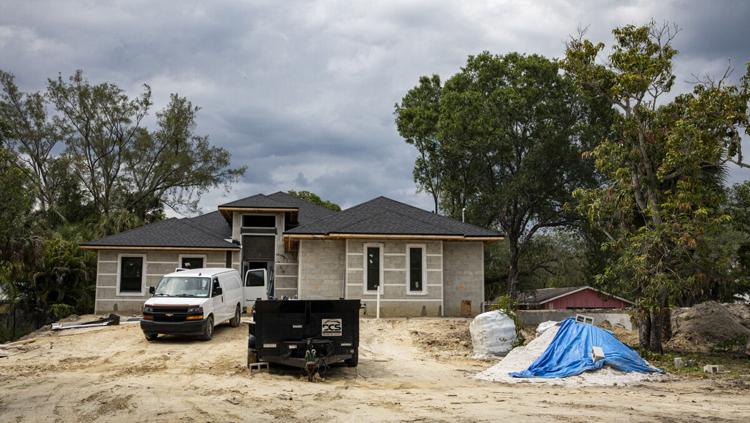
$20,000 Discount: Cape Coral New Construction Real Estate Bucks National Trend in Rare Market Shift

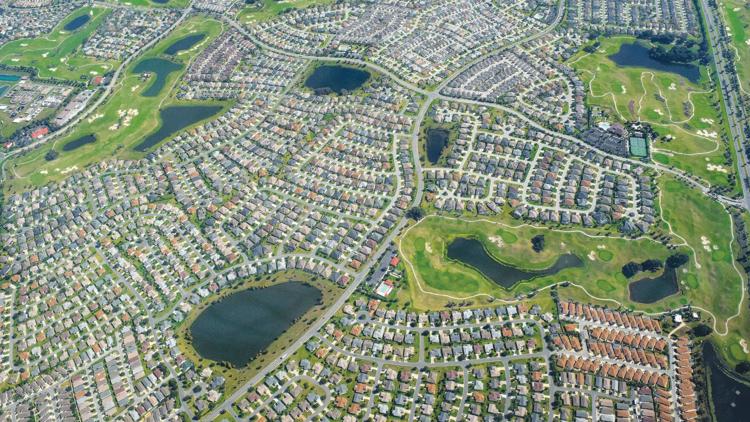
A striking real estate anomaly has positioned Lee County as one of the most unique residential submarkets in the country. While newly built properties across the United States typically command a steep premium, a new data report reveals that the Cape Coral new construction real estate market has flipped the script, offering buyers a rare financial advantage over existing inventory.

The comprehensive national housing analysis, published by Clever Real Estate, highlights Cape Coral as one of just four major U.S. metropolitan areas where newly constructed homes are selling for less than the typical home on the market. Joining an exclusive, diverse list alongside San Francisco, Austin, and Honolulu, the coastal city has broken away from traditional pricing dynamics, opening a highly advantageous corridor for buyers targeting fresh residential assets.

Analyzing the Layout of the New-Construction Price Flip

The statistical data behind this local market shift highlights a sharp contrast with the broader U.S. housing grid. In most zip codes, walking into a brand-new home requires a substantial financial premium to cover modern building materials, up-to-date energy systems, and code-compliant structural framing.

The core metrics extracted from the industry report outline an exceptional scannable map of this localized real estate trend:

  • The Cape Coral Discount: Buyers targeting Cape Coral new construction real estate are capitalizing on a striking $20,000 median discount when comparing newly built property prices directly against overall market prices.

  • The National Premium Wall: This local discount stands out dramatically against the national landscape, where the median new home sells for $409,565 representing a steep $52,565 premium over the typical existing U.S. property.

  • The Five-Year Growth Gap: On a macro level, new-home prices across the country have surged 21.6% over the past five years, rapidly outpacing the 13.3% cumulative price increase tracked among older, existing properties.

  • The Inventory Market Share: Despite aggressive building campaigns across fast-growing regions, newly constructed homes accounted for just 15% of all finalized U.S. home sales over the past year.

Understanding the Factors Driving the Local Discount

Active real estate coordinators and local homebuilders attribute this unique Cape Coral new construction real estate pricing structure to the city’s unique geography and high volume of scattered-site lot development. Unlike dense metropolitan centers where land scarcity drives up developer acquisition costs, Cape Coral’s sprawling pre-platted framework provides an extensive supply of buildable infill lots.

This abundant lot supply has allowed high-volume regional builders to execute streamlined single-family home designs at scale. By deploying repeatable, highly efficient floor plans across thousands of vacant inland lots, builders can tightly control construction costs.

Simultaneously, the existing home market in Cape Coral includes a heavy concentration of premium direct-waterfront properties, Gulf-access canal estates, and fully modernized post-storm residences. Because these existing waterfront homes naturally command top-tier luxury pricing, they pull the city’s overall median sales price upward. This leaves inland, off-water new construction looking highly affordable by comparison.

Shifting Buyer Strategies Near the Gulf Coast

For families, remote professionals, and real estate investors navigating the coastal housing market, this $20,000 pricing twist creates a highly compelling purchase roadmap. Buyers are discovering that they can secure a move-in-ready property complete with modern wind-mitigation roofing, impact-resistant windows, and energy-efficient appliances for less capital than an older home that might require immediate renovations or expensive insurance updates.

This financial buffer drastically lowers the barrier to entry for clean, turn-key real estate. With local carrying costs stabilizing and builder incentives such as structural closing cost credits and temporary interest rate buy-downs remaining highly active, the local new-home segment is operating as a primary safety valve for buyers priced out of the traditional resale market.

Macro-Level Housing Inventory Breakdown

Market Insight: The unique intersection of a high volume of available infill lots and a premium existing waterfront inventory allows local builders to offer highly competitive pricing structures that are virtually impossible to replicate in land-locked metros.

For immediate access to active building permit tracking data, neighborhood inventory registries, or to evaluate localized property value tables, home shoppers can inspect data summaries directly via the Clever Real Estate Research Repository.
Categories
SWFL Update

$13.4 Million Invested: Lee County Beach Restoration Projects Win Board Approval to Rebuild Coastal Infrastructure

A sweeping, multimillion-dollar investment is officially accelerating vertical progress along the Southwest Florida coastline. In a major legislative session on June 16, 2026, the Lee County Board of County Commissioners greenlit a series of major contracts totaling more than $13.4 million to revitalize vital public recreation spaces and structural corridors.

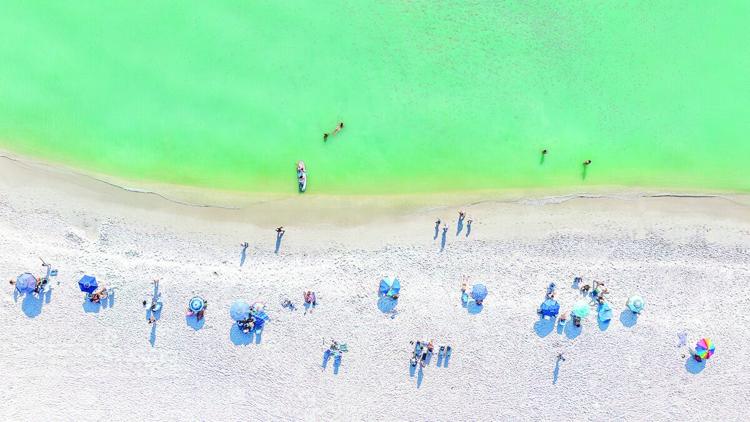
The comprehensive funding packages target a vast array of high-traffic coastal destinations that have been operating under limited capacity or temporary stabilization measures. By pairing local municipal capital with federal and state emergency relief networks, the approved Lee County beach restoration projects establish a resilient, long-term framework to rebuild regional park environments, expand universal accessibility, and advance engineering inspections for the landmark Fort Myers Beach Pier.

Exceptional Layout of the Park and Access Restorations

The core strategy behind the newly authorized Lee County beach restoration projects relies on clustering critical infrastructure tasks under specialized engineering teams. This systematic rollout ensures that repairs to boardwalks, pavilions, restrooms, and marine docks advance concurrently throughout the summer.

The multi-million dollar capital deployment divides into three major structural contracts across the county’s public shoreline footprint:

  • The Southern Beaches Package ($6.95 Million): Awarded to O-A-K/Florida Inc., this major contract funds the comprehensive restoration of Bonita Beach Park, Bonita Beach Access No. 1, and Little Hickory Island Beach Park (Beach Access No. 10). Crews will rebuild destroyed dune boardwalks, shade pavilions, public rinse showers, and parking asphalt layouts, while completely replacing the primary restroom facility at Little Hickory Island.

  • The Multimodal Boardwalk Network ($1.1 Million): Contracted to Marine Contracting Group Inc., this allocation explicitly targets the reconstruction or structural repair of eight distinct beach pathways. The specialized team will remediate Fort Myers Beach Access No. 41, the popular Bunche Beach Boardwalk and Fishing Platform A, alongside Bonita Beach Accesses Nos. 3, 4, 5, 8, and 9.

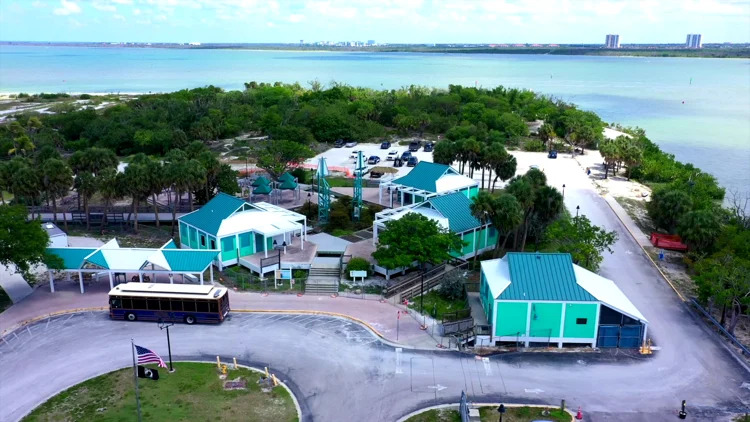
  • The Bowditch Point Park Remediation ($3.9 Million): Awarded to Vantage Construction Services LLC, this contract covers the complete overhaul of the 17-acre environmental park. The scope of work focuses on restoring public administrative buildings, nature trail segments, and picnic pavilions, while fully replacing the park’s highly utilized 22-slip public boat dock basin.

Engineering Oversight Secured for the 1,000-Foot Pier

A highly anticipated milestone embedded within the approved Lee County beach restoration projects is the allocation of formal construction engineering and inspection (CEI) funding for the iconic Fort Myers Beach Pier. Commissioners awarded a $1.4 million professional services contract to Hardesty and Hanover Construction Services LLC to oversee the upcoming vertical building phase.

The ambitious structural blueprint initially approved for reconstruction earlier this spring outlines a hardened, highly resilient design tailored to withstand future severe coastal weather systems:

  • Expanded Linear Footprint: The new pier is engineered to extend approximately 1,000 feet out into the open waters of the Gulf.

  • Massive Scale Adjustments: This advanced layout represents a striking 70% increase in total length and a 50% expansion in deck width compared to the classic structure that stood prior to 2022.

  • Technical Compliance Checkpoints: The specialized CEI team will manage continuous quality control, material testing, and environmental monitoring, ensuring all vertical framing remains completely in sync with modern maritime building codes once final federal environmental permits are handed down.

Universal Design Implementation and Blended Funding Layers

To ensure the public spaces remain deeply welcoming to all residents and travelers, the commissioner board integrated targeted universal design modifications into the funding matrix. This includes approving dedicated capital for a state-of-the-art Americans with Disabilities Act (ADA) access mat and guidance system at Fort Myers Beach Access No. 43, allowing visitors with mobility devices or strollers to transition smoothly from vehicle drop-off zones straight onto the sand.

The financial architecture supporting these expansive Lee County beach restoration projects relies on a strategic blend of diversified revenue streams. Rather than placing the entire financial burden on local property owners, county administrators successfully leveraged a combination of Florida Division of Emergency Management appropriations, Federal Emergency Management Agency (FEMA) public assistance dollars, localized county funds, and tourist development taxes harvested from regional hotel stays. This diversified capital structure allows the county to rapidly secure its premier eco-tourism assets while preserving vital municipal operating reserves.

Project Capital Allocation Summary

Public Safety Advisory: While administrative approvals are finalized, specific park sectors, maritime boat slips, and boardwalk trails will experience temporary, rolling construction closures over the coming months to accommodate heavy machinery and utility updates.

  • Bonita Beach & Little Hickory Island Upgrades: $6,950,000 allocated to O-A-K/Florida Inc. for pavilions, utilities, and restroom replacement.

  • Regional Boardwalk Reconstruction Loop: $1,100,000 allocated to Marine Contracting Group Inc. across eight distinct beach access zones.

  • Bowditch Point Park 17-Acre Overhaul: $3,900,000 allocated to Vantage Construction Services LLC, including a new 22-slip public boat dock.

  • Fort Myers Beach Pier Inspection Services: $1,400,000 allocated to Hardesty and Hanover Construction Services LLC for 1,000-foot pier oversight.

For real-time lane closure schedules, active construction site maps, or to view detailed blueprint renderings of the expanded 1,000-foot pier layout, residents can monitor the data tables hosted on the central repository at the Lee County Parks & Recreation Capital Projects Portal.

Categories
Uncategorized

14-Point Surge: Visit Florida Tourism Campaign Breaks Awareness Records in New Traveler Survey

A major data expansion has confirmed that public outreach investments are driving unprecedented engagement for the state’s primary economic engine. The Sunshine State’s official destination marketing organization has released the highly anticipated findings from its mid-year Integrated Marketing Effectiveness Survey, revealing massive performance gains and record-setting traveler visibility for the multi-million dollar Visit Florida tourism campaign framework.

The extensive behavioral study provides a comprehensive look at consumer tracking by evaluating a high-capacity sample pool. The organization gathers data from more than 1,000 unique travelers monthly, accumulating an annual sample base exceeding 13,000 respondents to ensure maximum statistical accuracy. The resulting metrics prove that target marketing exposure is directly reshaping how national and international vacationers plan their leisure calendars, transforming passive media awareness into verified local arrivals.

Exceptional Growth Metrics behind the Visit Florida Tourism Campaign

The operational execution of the Visit Florida tourism campaign relies heavily on a sophisticated mix of paid broadcast slots, owned digital real estate, and earned media placements designed to outpace primary domestic and international competitor markets. The mid-year review indicates that visibility scaled aggressively through the back half of the previous tracking sequence, pushing overall campaign recognition to elite heights.

The key data points from the performance assessment outline a clear, scannable map of shifting traveler sentiments:

  • Aggressive Visibility Lifts: General awareness surrounding the Visit Florida tourism campaign jumped by four full percentage points from June to December. This rapid expansion means that exactly 1 out of every 2 travelers surveyed actively recognizes the state’s media messaging.

  • Direct Transactional Impact: Among the massive consumer pool aware of the active marketing, an exceptional 67% confirmed that the campaigns directly influenced them to execute at least one concrete, travel-related action.

  • Immediate Intent Injection: Visibility from the campaign triggered a major 14-percentage-point surge in travelers actively making definite, locked-in plans to book a trip to the state within the next 12 months.

  • Long-Term Horizon Gains: The exact same 14-percentage-point boost was tracked among respondents considering a vacation to the state within a broader two-year window, securing a stable traveler pipeline for multi-year property operators.

Mapping the Conversion from Ad Exposure to Traveler Action

The core value generated by the Visit Florida tourism campaign is its verified ability to convert basic media impressions into diverse, high-value local economic activity. When a traveler recognizes a digital or video advertisement, the influence rarely stops at a simple flight booking. The 67% conversion tier represents a wide matrix of positive travel decisions that directly enrich native merchants, regional hospitality networks, and independent real estate listings across all 67 counties.

According to the organizational brief, exposed travelers frequently used the marketing materials to extend their scheduled vacation lengths, add secondary cultural attractions to their itineraries, or recommend hidden regional spots to friends and family members. Furthermore, the imagery successfully nudged frequent travelers to venture outside standard high-density hot spots, guiding them to discover fresh, emerging destinations along the inner coastal passes and rural corridors near the Gulf region.

Elevating Value Perceptions and Macro-Level Business Views

Beyond immediate flight and room registries, the study reveals that the Visit Florida tourism campaign is fundamentally improving the state’s global brand health. In an era where travelers are increasingly sensitive to inflationary cost-of-living adjustments, the marketing pieces successfully framed the state as an attainable, premium destination.

Compared to audiences unaware of the state’s ad placements, aware consumers were 23 points more likely to view the state as an exceptional value for the money and 21 points more likely to rank it as highly affordable. This value positioning allowed the state to capture the number-one national ranking for affordability and family-friendly variety when stacked directly against heavy-hitting competitor destinations like California, New York, Hawaii, and the Caribbean.

The positive halo effect of the media campaign even stretched completely outside the bounds of traditional leisure travel. Respondents exposed to the tourism media registered significantly stronger positive perceptions of the state as an elite place to relocate, do business, work, or study. By driving high-intent consumer traffic into local economies, the marketing efforts help generate vital sales tax collections that ultimately shield permanent residents, saving the average local household nearly $2,000 annually in basic taxes.

Perceptions of Campaign-Aware Travelers

The strategic messaging significantly outpaces competitor baselines by elevating how out-of-state consumers perceive the region’s overall lifestyle and economic environment.

For full access to the statistical data sheets, historical visitation tables, or to explore interactive marketing toolkits for independent local merchants, tourism operators can inspect data tables directly via the Official VISIT FLORIDA Corporate Media Portal.

Categories
Uncategorized

0.4% Rate Adjustments: New Florida Property Insurance Premium Slowdown Confirmed by Data Study

A comprehensive economic assessment of the state’s real estate market has revealed an unexpected stabilization trend within the volatile housing sector. While local homeowners continue to navigate some of the most expensive carrying costs in the nation, a fresh data study shows that the relentless pace of rate hikes has officially run into a significant structural bottleneck.

The quantitative real estate report, compiled by online lending marketplace LendingTree, confirms an undeniable Florida property insurance premium slowdown taking root across the peninsula. According to the annualized figures, the average premium increase across the state flattened out dramatically over the past sequence of financial reviews, tracking a minimal increase that sets a fresh multi-year baseline for the regional property market.

Analyzing the Logistics of the Premium Stabilization Trend

The statistical data behind the Florida property insurance premium slowdown underscores a delicate balancing act between high baseline liabilities and a sudden drop in rate momentum. For years, surging premium costs have acted as a primary point of friction for active buyers and luxury real estate teams trying to forecast total monthly housing expenses.

The core metrics extracted from the industry study reveal multiple key data points:

  • The Flatline Boundary: The state’s average annual property insurance premium adjustment leveled out at a mere 0.4%, marking the smallest incremental upward move among all 50 states in the country.

  • The Baseline Reality: Even with the current stabilization, the average local homeowner pays $2,691 annually for basic property protection, positioning the state roughly 12% above the national baseline.

  • The Long-Term Accumulation: While the current slowdown offers immediate breathing room, cumulative figures show that regional premiums have surged 49.5% since 2020.

  • The National Ranking: Despite widespread assumptions that the state leads the nation in ongoing rate inflation, the 49.5% five-year increase actually ranked 17th nationally, trailing behind severe weather states including Colorado, Iowa, and Minnesota.

Attributing the Shifts to Legislative Action and Market Influx

Insurance industry analysts and regional real estate coordinators attribute this sudden Florida property insurance premium slowdown to a major shift in the state’s regulatory environment. The structural turning point traces directly back to a series of aggressive legislative packages passed during special sessions.

These sweeping statutory updates targeted systemic operational vulnerabilities that had historically driven private capital out of the region. The legislation effectively eliminated one-way attorney fees and assignment of benefits (AOB) contracts—mechanisms that industry advocates argued had weaponized simple roof repair claims into protracted, multimillion-dollar civil lawsuits.

By clipping artificial litigation inflation, the state successfully restored predictability to actuarial forecasting models. This fresh structural floor has triggered a wave of new private market competition, with multiple newly capitalized property and casualty carriers seeking state licenses to write fresh business. As these private entities deploy competitive capital to capture market share, the increased capacity is actively forcing down renewal price pressure for homeowners.

Enhancing Real Estate Predictability Across the Coast

For real estate portfolios and prospective buyers eyeing permanent properties near the Gulf region, this stabilizing cost metric arrives at a critical juncture. Unpredictable triple-digit insurance spikes had previously forced many fixed-income retirees and working families to reconsider maintaining their coastal condominiums or suburban single-family tracts.

A predictable, sub-one-percent annual fluctuation rate transforms how investors model long-term returns. With carry costs flattening out alongside newly stabilized property values, transaction forecasting becomes significantly more secure. This fresh baseline is expected to spark a modest boost in mid-market home inventory interest as families realize they can secure reliable, private-market coverage options without automatically facing state-sponsored emergency assessments.

Carrying Cost Structural Review

Industry Advisory: While the macro-level data marks a welcome relief for the overall housing grid, individual premium pricing will continue to vary significantly based on the age of a home’s roof, the presence of verified impact window arrays, and proximity to the coastal surge lines.

For immediate access to the complete LendingTree data sets, to review regional policy carrier tracking matrices, or to utilize interactive home valuation calculator tools, property managers can track data tables directly via the Florida Office of Insurance Regulation Data Portal.

Categories
SWFL Update

11-Mile Trail Support: Bonita Springs RiverFest Event Wins Council Approval for August Return

The Bonita Springs RiverFest event has officially locked in its warm-weather timeline, ensuring a high-energy return to the historic downtown commercial district. Following a legislative session on June 17, 2026, the Bonita Springs City Council voted unanimously to approve a comprehensive special event permit, clearing the regulatory path for the beloved neighborhood festival.

Scheduled to take place on Saturday, August 1, 2026, from 1:00 p.m. to 5:00 p.m., the single-day gathering brings a high-velocity boost to the Old 41 retail strip. The free, family-friendly celebration is being co-hosted by the Bonita Springs Downtown Alliance and a collaborative network of independent local merchants. By coordinating public park space with adjacent commercial storefronts, the team is building an accessible, highly scannable festival layout designed to draw heavy mid-summer foot traffic.

Spatial Layout of the Bonita Springs RiverFest Event

The administrative design behind the Bonita Springs RiverFest event relies on a dual-anchor park strategy to distribute crowds evenly and maximize safety. Activities will blanket the sprawling green lawns of Riverside Park and extend seamlessly onto the adjacent Liles Hotel grounds, turning the entire riverside historical tract into a continuous pedestrian zone.

The open-air festival footprint features a diverse mix of athletic, culinary, and commercial zones:

  • The Main Amphitheater Stage: Hosting a continuous lineup of live music performances from regional classic rock and blues outfits, framing a relaxed lawn seating setup.

  • The Food Truck Alley: A dedicated culinary corridor showcasing a wide variety of independent food trucks prepping street tacos, fresh coastal seafood, and artisan ice cream.

  • The Merchant Micro-Market: A dense row of pop-up tents allowing local craft artisans, small-batch makers, and boutique owners to sell custom clothing, jewelry, and home decor directly to attendees.

  • The Participating Downtown Loop: Local brick-and-mortar bars, breweries, and eateries right along Old 41 Road are syncing with the festival grid, offering custom walk-up drink windows, indoor cooling stations, and themed dining menus.

Aquatic Competitions and Imperial River Regattas

What truly defines the unique identity of the Bonita Springs RiverFest event is its creative use of the adjacent Imperial River. The calm, scenic waterway serves as the physical racetrack for a series of high-spirited community games and river-based time trials that keep families gathered near the docks.

The afternoon schedule features multiple water-based showcases, including traditional tandem canoe sprints and fast-paced individual kayak obstacle races. For non-paddlers, the highlight of the day centers on the annual Rubber Duckie Derby. Thousands of numbered, bright yellow toy ducks will be dropped into the current from a central footbridge, creating a colorful wave as they race down the river toward a designated collection funnel. Spectators line the banks and park boardwalks to cheer on their entries, with top-finishing ducks securing unique prize packages donated by neighborhood businesses.

Driving Conservation and Funding for the BERT Network

Beyond public recreation and retail stimulation, the Bonita Springs RiverFest event carries a powerful civic mission. Organizers have committed a significant portion of the festival’s operational proceeds and voluntary donation baskets to Friends of BERT, the highly active 501(c)(3) nonprofit citizen group.

This grassroots advocacy group is leading the public push to develop the proposed Bonita Estero Rail Trail (BERT). The game-changing transportation project focuses on a complete rail-to-trail conversion, aiming to acquire and transform 11.4 miles of inactive railway corridor into a modern, beautifully landscaped multi-use pathway.

The trail’s planned path cuts right through the heart of downtown Bonita Springs and Estero, running parallel to major transit roads down to the Collier County border. Representatives from Friends of BERT will be stationed at a main information booth throughout the event, distributing updated engineering booklets, collecting signatures, and displaying map layouts that detail how the finished 11.4-mile linear park will protect local cyclists, elevate nearby property values, and link community spaces near the Gulf region.

Because the August festival is projected to draw steady crowds from across Lee and Collier counties, local parking enforcement teams are opening additional public grass lots surrounding the downtown core. Admission to the entire park layout remains completely free, offering an ideal opportunity for families to support regional trail infrastructure while enjoying a classic summer day on the river.

Festival Operations Overview

Public Safety Notice: Due to the staging of the Imperial River water races, private vessel launching from the primary Riverside Park boat ramps will be temporarily restricted during the active four-hour festival window.

For additional information regarding vendor space registration, real-time parking map updates, or to purchase a ticket for the upcoming Rubber Duckie Derby, community members can review data tables directly via the Official Bonita Springs Downtown Alliance Hub.

Categories
Uncategorized

Garden-to-Table Launch: New El Jardin Cape Coral Restaurant Debuts Latin-Japanese Fusion

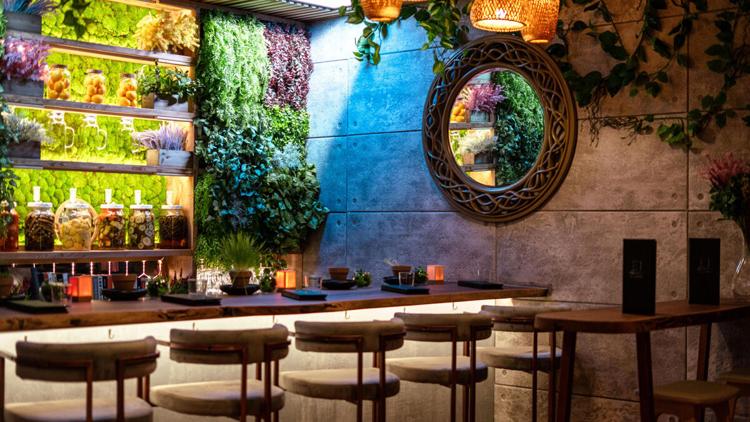
The El Jardin Cape Coral restaurant officially makes its grand public debut today, introducing a highly innovative, health-conscious dining concept to the downtown commercial corridor. Opening its doors this evening, June 18, 2026, the unique garden-to-table establishment brings a distinct, premium culinary asset to southern Lee County.

Spearheaded by the experienced hospitality team behind the popular OISE Japanese Fusion concept, the brand-new eatery occupies a prime retail footprint at 1227 Cape Coral Parkway East. Owned and operated by local entrepreneur Brad Cozza, the El Jardin Cape Coral restaurant is designed to challenge conventional casual dining by pairing sophisticated international flavors with clean, uncompromising ingredient sourcing.

The Global Flavor Profile of the El Jardin Cape Coral Restaurant

The core culinary philosophy behind the El Jardin Cape Coral restaurant relies on a seamless, bold intersection of Latin American and Japanese cooking traditions. Rather than treating “fusion” as a simple novelty, the kitchen staff utilizes time-tested, scratch-cooking techniques that highlight the natural profile of seasonal ingredients.

The curated menu showcases a variety of signature, scannable creations:

  • Seafood & Small Bites: Guests can open their meal with a vibrant spicy tuna crispy rice plate featuring premium yellowfin tuna, house-made aioli, and fresh scallions.

  • Artisan Empanadas & Cigaros: The menu features hand-folded empanadas stuffed with a four-cheese blend or rich beef short rib accented by a miso chili glaze, alongside the Cigaros El Jardin a crispy roll combining classic mojo pork, smoked ham, grain mustard, and togarashi.

  • Signature Main Entrees: High-impact mains include the Miso Mojo Beef served alongside charred bok choy over cilantro lime rice, and the Yuzu Adobo Half Chicken paired with farm-fresh Florida vegetables.

  • The Umami Smash Burger: For casual diners, the kitchen prepares a premium Angus beef smash burger loaded with custom bacon jam, umami onions, house-made cookies, and a specialized secret sauce on a toasted potato bun.

Committing to Clean Cooking Bases and Local Purveyors

What truly distinguishes the El Jardin Cape Coral restaurant within the highly competitive regional real estate and dining market is its absolute ban on industrial seed oils. Recognizing a major shift in modern consumer wellness preferences, Brad Cozza’s kitchen operates entirely on premium cold-pressed avocado oil and traditional, nutrient-dense beef tallow. This deliberate framework ensures that even hidden cooking elements match the strict, high-quality benchmarks applied to the primary proteins on the plate.

To maintain this ultra-fresh, sustainable pipeline, the restaurant establishes direct, transparent partnerships with independent Southwest Florida farms, local ranchers, and native fisheries operating along the Gulf. By keeping its supply chain deeply rooted in the community, the venue delivers a highly dynamic, seasonal menu that changes concurrently with local agricultural harvests and coastal catches.

Summer Operating Logistics and Mixology Programs

To complement the kitchen’s bold flavor profiles, the bar program at the El Jardin Cape Coral restaurant introduces an upscale, botanical-infused cocktail menu. Guests can explore specialized mezcal and tequila creations, including the Jardin of Eden a crisp blend of smoky mezcal, celery, chartreuse, and fresh lime or a unique Garden Margarita utilizing a custom-steeped snap pea cordial and sweet pineapple juices.

To smoothly transition through the changing travel seasons, management has established a consistent evening operating matrix. The venue welcomes guests from 5:00 p.m. to 9:00 p.m. Wednesday through Saturday. However, to accommodate the livelier energy of the summer weekend crowd, the operational hours on Friday and Saturday nights are extended until 10:00 p.m.. This prime downtown placement positions the eatery to capture steady foot traffic from nearby shopping blocks, making it an immediate cornerstone of Cape Coral’s evolving social scene.

Restaurant Operational Fact Sheet

Ingredient Guarantee: Every single dish served on-site is crafted entirely from scratch using sustainable local proteins and organic greens, cooked exclusively with 100% avocado oil or pure beef tallow.

For immediate table reservations, full digital menu exploration, or direct inquiries regarding private, custom-tailored garden event catering packets, diners can review data tables directly via the Official El Jardin Digital Concierge.

Categories
Island Update

Progress in Motion: Intermittent Closures Scheduled for Lighthouse Beach Park Fishing Pier Parking Lot

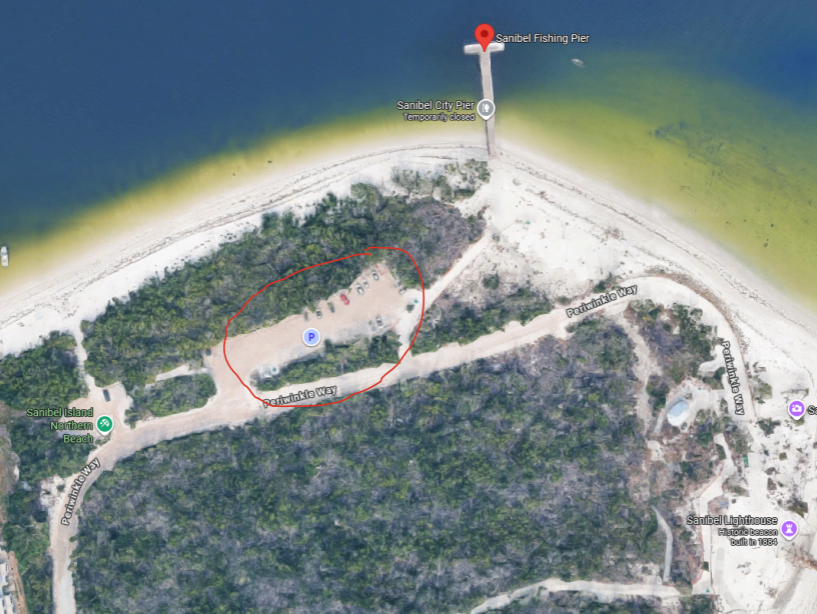
As a vital piece of the City of Sanibel’s ongoing storm recovery and infrastructure enhancement efforts, the Department of Public Works is moving forward with important upgrades at one of the island’s most visited recreational destinations. Starting this month, crews are executing targeted improvements to the Lighthouse Beach Park Fishing Pier parking lot.

At the LeAneSuarezGroup, we are incredibly excited to see these continuing steps toward restoring and elevating our public spaces. While the historic fishing pier itself is currently undergoing an extensive, multi-million dollar phased reconstruction plan following Hurricane Ian, maintaining superior, safe access to the surrounding beach parks and world-class shelling amenities remains a top priority for our island community.

In a nutshell: The City of Sanibel is adding specialized pit shell material to the Lighthouse Beach Fishing Pier parking lot to enhance traffic flow, grading, and drainage. The work will take approximately two weeks, causing intermittent partial parking closures. Access to the beach and the smaller western overflow lot will remain open throughout the project.

The Scope of Improvements: Better Circulation & Drainage

The targeted maintenance operation focuses heavily on long-term durability and day-to-day usability for residents and vacationers. Heavy construction personnel and grading equipment are on-site to shape, level, and distribute high-grade pit shell material across the expanse of the lot.

                   LOT UPGRADE BENEFIT BREAKDOWN
  
  [ TRAFFIC CIRCULATION ] ──► Reshaped lanes optimize vehicles entering and exiting.
  [ ENHANCED DRAINAGE ]   ──► Proper elevation grading prevents standing rain pools.
  [ VISITOR SAFETY ]      ──► A uniform, newly rolled surface minimizes trip hazards.

The introduction of compacted pit shell material is highly intentional; it is a time-tested regional substrate that naturally fortifies unpaved parking surfaces against heavy coastal vehicle volume while simultaneously facilitating superior rainwater percolation back into the local water table.

Project Timelines and Parking Disruptions

Barring significant shifts in tropical weather or unexpected site conditions, the entire grading project is anticipated to take approximately two weeks to fully wrap up.

To safely accommodate the heavy hauling trucks delivering fresh aggregate material, alongside the large grading equipment actively shaping the surface, portions of the parking lot will experience temporary closures at various times throughout the day. Visitors heading down to the eastern tip of the island should expect reduced parking space availability and minor, intermittent delays to traffic flow within the immediate project footprint.

Tips for Island Beachgoers and Visitors

Access to the beautiful shorelines of Lighthouse Beach Park and its surrounding park amenities will remain fully available to the public without interruption throughout the construction cycle. If you are planning an island beach excursion over the next two weeks, keep these helpful tips in mind:

  • Utilize the Overflow Lot: When the main Fishing Pier parking lot is experiencing temporary segment closures, visitors are highly encouraged to park in the smaller public overflow lot located immediately to the west.

  • Exercise High Caution: Drive slowly, obey all newly posted traffic directional signs, and remain completely alert to ground crews and heavy construction machinery moving through the area.

  • Have Questions? If you have specific inquiries regarding daily project zones, accessibility accommodations, or commercial parking rules, you can connect directly with the Sanibel Department of Public Works at (239) 472-6397.

The City appreciates the community’s continued patience and cooperation as we take another significant step forward in building a more resilient, accessible, and beautiful sanctuary island!

Categories
Island Update

Savor the Flavor: “Love Sanibel Back” Campaign Serves Up Week 3

The island’s collective push to support our local business economy is heading straight into the kitchen. Following a highly successful week of welcoming summer with friends, the popular “Love Sanibel Back” community initiative officially enters Week 3, running from June 15 through June 21, 2026.

Themed “Eat Local,” this week’s activation shifts its entire spotlight toward celebrating the incredible restaurants, cafes, and sweet shops that give Sanibel Island its unforgettable culinary character.

At the LeAneSuarezGroup, we know that our resilient food and hospitality workers are the heartbeat of our island’s vibrant culture. Dining out locally this week is a delicious, simple way to provide critical support to these hardworking teams during our quieter summer months.

In a nutshell: Week 3 of the “Love Sanibel Back” campaign challenges residents and visitors to dine at island restaurants from June 15–21. By sharing your meals on social media with #LoveSanibelBack, you can win local gift cards while helping businesses grow through online reviews.

The Week 3 Challenge: Dine Out and Spread the Word

The objective for the week of June 15–21 is simple: Skip cooking, head out to your favorite island dining spot, and support Sanibel’s food and hospitality scene.

Whether you are grabbing breakfast at a cozy cafe, enjoying a fresh seafood lunch, or picking up treats at a local sweet shop, your patronage directly helps maintain stable year-round operations for our local establishments.

How to Participate and Win Restaurant Gift Cards:

To amplify the impact of your meals and get a chance to win local rewards, campaign organizers encourage everyone to complete these steps:

  • Share Your Plate: Snap a photo enjoying your food or dining experience and post it to social media using the official hashtag #LoveSanibelBack. Randomly selected photos will receive local restaurant gift cards as a thank-you from the community!

  • Leave a Glowing Review: Take two minutes to share your positive experiences on platforms like Google, Tripadvisor, and Yelp. High-quality digital reviews are absolutely essential for helping summer tourists find and support open island eateries.

About the “Love Sanibel Back” Initiative

Running now through August, this sweeping community-wide rally point is structured around three powerful pillars: “Buy Local — Spread Joy — Give Back.”

The entire program is proudly presented by Saint Michael and All Angels Episcopal Church in close collaboration with an active network of dedicated community partners. For a look at upcoming weekly themes, partner business directories, or digital resources, you can explore the official Love Sanibel Back Campaign Linktree.

Let’s grab a table, order local, and show our island chefs, servers, and bakers just how much we appreciate them!

Categories
Island Update

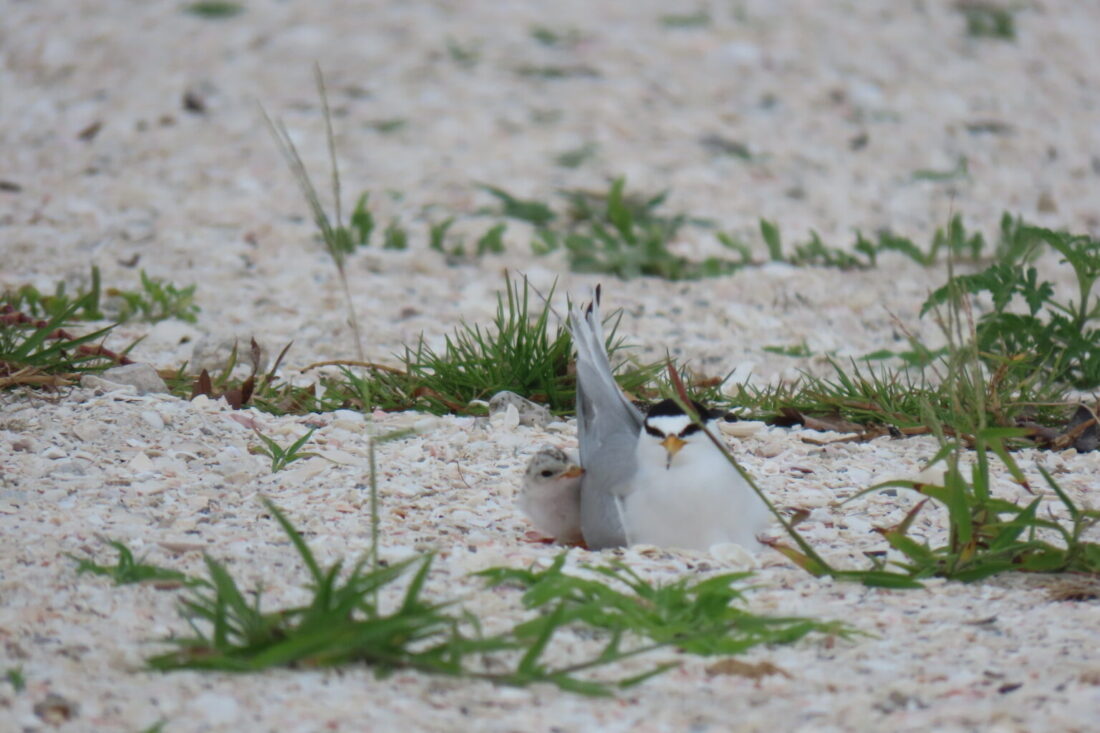
Seabird Resurgence: Threatened Least Terns and Black Skimmers Return to the Sanibel Causeway

The Sanibel Causeway is hosting some incredibly special seasonal residents once again. Coming off a highly successful 2025 season, the Sanibel-Captiva Conservation Foundation (SCCF) announced that state-threatened least terns have officially returned to nest on the causeway islands.

This marks the fourth consecutive year that these protected birds have claimed the causeway as a breeding ground following a prolonged 30-year absence from the site. Adding to the excitement, black skimmers—which successfully nested alongside the terns on the causeway islands last year—have also returned to establish their nests for the season.

At the LeAneSuarezGroup, we know that the vibrant, protected wildlife is a core part of what makes our coastal communities so deeply special. Seeing these vulnerable species reclaim historic nesting grounds is a true testament to the ongoing conservation efforts driving Southwest Florida’s ecosystem forward.

In a nutshell: State-threatened least terns and black skimmers have returned to the Sanibel Causeway for another critical nesting season. As of early June, the colony is thriving with dozens of nests under close supervision by the SCCF and state wildlife partners.

The Unique Dynamics of Colonial Nesters

Least terns are migratory seabirds that arrive in Southwest Florida every April and depart by August. They are strict colonial nesters, meaning they intentionally lay their eggs in large, synchronized groups to help deter local predators and collectively defend their territory. Because they require massive, open areas with minimal vegetation to scrape out their nests, the sandy expanses of our coastal environments are highly ideal—yet heavily vulnerable.

A Look at the Numbers (As of June 3, 2026):

  • Least Terns: The terns began nesting right before Memorial Day weekend. There are approximately 80 adult least terns managing 40 active nests on the causeway islands.

  • Black Skimmers: Roughly 60 adult black skimmers have integrated directly into the causeway colony alongside the terns.

Overcoming a Turbulent History on the Causeway

The return of these birds is a massive conservation victory when looking at the historical timeline. Following the original construction of the Sanibel Causeway in 1963, both least terns and black skimmers regularly attempted to nest on the newly formed islands. However, heavy summer storms and constant vehicle traffic historically decimated the colonies, leading to decades of failed nesting attempts.

“There are several newspaper articles detailing the struggles that least terns and black skimmers on the causeway historically faced from nest washovers and car strikes. Despite the best efforts of our local conservation organizations to protect them and lure them to other nesting sites away from the causeway, the birds continued to fall victim to traffic and the weather. They turned to other nearby beaches and rooftops but struggled to find suitable nesting habitat.” — Audrey Albrecht, SCCF Shorebird Biologist

The generational pattern finally broke in 2023 when the least terns successfully nested on the causeway for the first time in three decades, paving the way for 2025 to become an absolute banner year for the species.

A “Tern” of Events: Shifting Colonies & Predator Pressures

If you have driven past the causeway recently and noticed a slightly lower density of shorebirds than last summer, there is a fascinating ecological reason why. The terns have split their forces into three separate colonies across the region this year.

The SCCF coastal wildlife team is working diligently to monitor all three sites simultaneously, ensuring adequate protection as the fragile chicks begin to hatch. Shifting colony locations on the west end of Sanibel have been heavily influenced by coyote activity:

  • West Gulf Colony: Initially started strong with 40 laid nests, but severe coyote depredation left only seven remaining as of June 3.

  • Clam Bayou Colony: Originally documented 13 nests, dropped to four due to coyotes, rebounded beautifully back up to 21, and was sitting at about 10 active nests by June 3 following subsequent predator pressures.

Because of the intense, ongoing predator disruptions at the West Gulf and Clam Bayou beach fronts, biologists anticipate that least tern numbers on the protected causeway islands will continue to climb as the summer progresses.

To ensure these vulnerable nests remain safe from car strikes and human disruption, the SCCF works in close coordination with the Florida Department of Transportation (FDOT), the Florida Fish & Wildlife Conservation Commission (FWC), and Lee County. Please respect all posted wildlife signage and temporary fencing when visiting the causeway beaches this summer!

Categories
Island Update

Wellness Workshops & Permits: Sanibel Recreation Center Shares Activity Update

Whether you are looking to enhance your summer wellness routine, coordinate your community activities, or lock in your local beach access, the Sanibel Recreation Center has released its latest structural updates and programming calendar.

At the LeAneSuarezGroup, we view the recreation center as a true cornerstone of our island’s high quality of life. From premier fitness equipment and family events to essential municipal parking services, this facility keeps our community connected, active, and healthy year-round.

In a nutshell: The Sanibel Recreation Center is currently highlighting its updated summer facility hours, essential beach parking permit availability, and a relaxing upcoming Sound Bowl Healing workshop on June 17.

Upcoming Spotlight: Sound Bowl Healing with Dani

If the hustle and bustle of the season has you looking for a quiet space to reset, the center is hosting a specialized evening of deep relaxation and meditation.

  • Date & Time: Wednesday, June 17, 2026, from 5:30 PM to 6:30 PM.

  • The Experience: Participants will experience immersive, therapeutic sound frequencies designed to lower stress, calm the nervous system, and restore internal harmony.

  • The Cost: Registration is $15 for active members and $20 for non-members. Pre-registration is strictly required to secure your spot.

Summer Facility Hours & Account Management

To better accommodate both early-morning workouts and post-work wind-downs, the recreation center maintains an expansive weekly operational window:

  • Mondays through Thursdays: 7:00 AM – 7:00 PM

  • Fridays: 7:00 AM – 5:00 PM

  • Saturdays: 8:00 AM – 5:00 PM

                     FACILITY SERVICE QUICK ACCESS
  
  [ MEMBERSHIPS ] ──► Options range from full-year memberships to flexible passes.
  [ CIVICREC ]    ──► Front desk staff can assist with setting up online accounts.
  [ PARKING ]     ──► Official Sanibel beach parking permits are sold on-site.

Both new and current members can swing by the front desk or call 239-472-0345 for personalized, step-by-step help with setting up their updated CivicRec portal account. This secure digital dashboard allows you to seamlessly track your membership status, manage day passes, or buy punch cards for specialized classes.

To reserve your space for the upcoming healing workshop or to view the full catalog of aquatic classes, gym schedules, and sports leagues, log on directly to the Official Sanibel CivicRec Catalog. For general inquiries or directions to the main campus located at 3880 Sanibel-Captiva Road, contact the service team at 239-472-0345.

Featured Image

Here is the custom-designed featured image concept tailored for this community update, optimized at a standard 16:9 aspect ratio:

IMAGE_GENERATION(A professional, bright landscape photography image for a community and wellness blog header, 16:9 aspect ratio. The scene displays a peaceful, sunlit indoor fitness studio at the Sanibel Recreation Center. Through large windows, lush tropical palm trees are visible under a clear blue sky. On a clean wooden floor, a collection of metallic frosted quartz singing bowls rests neatly on a yoga mat, catching soft afternoon light. The lower section features a clean semi-transparent dark blue gradient banner with crisp white text reading ‘SANIBEL RECREATION CENTER’ and a secondary gold line reading ‘Summer Schedules, Beach Permits & Wellness Events’. High-end, clean, and professional real estate lifestyle marketing style.)