Categories
SWFL Update

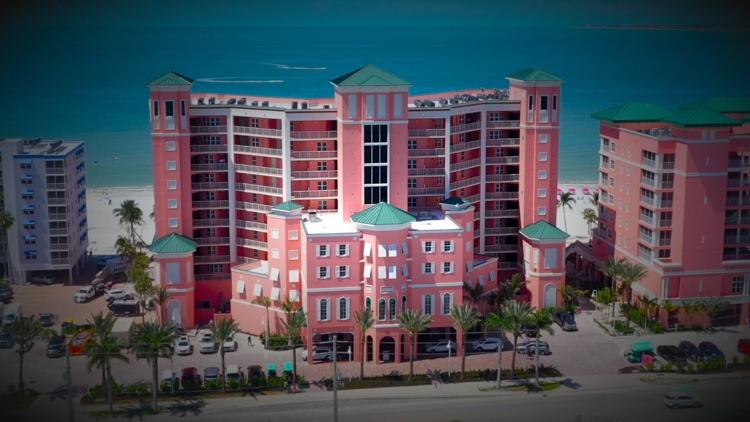
41% Lodging Deficit: Fort Myers Beach Hotel Recovery Lags Behind Regional Tourism Rebound

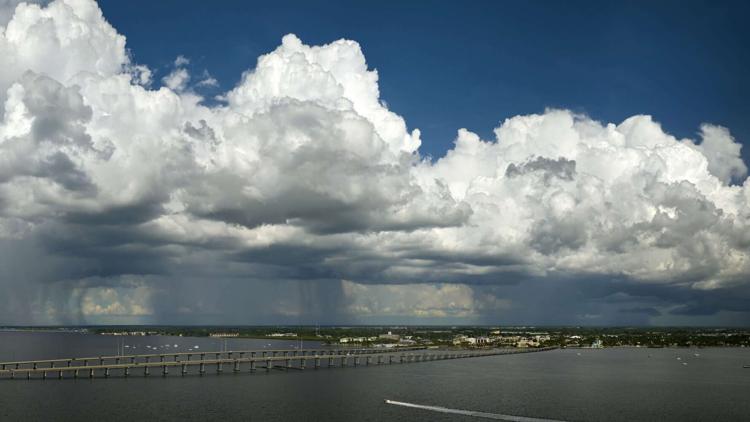
A deep structural divide has emerged within the regional hospitality sector, exposing a sharp contrast between corporate resort capital and independent real estate owners. Nearly four years after sustaining a historic storm surge from Hurricane Ian, an in-depth investigation has revealed that the Fort Myers Beach hotel recovery is experiencing a significant bottleneck, even as the broader mainland travel market breaks all-time tourism records.

Data patterns across Lee County show an exceptional macro-level rebound, with over 86% of countywide lodging inventories fully certified and open for business. This return of room supply has driven up average daily room rates and occupancy metrics. However, along the hard-hit barrier island grid, a striking 41% of local hotel rooms remain entirely dark or locked behind construction fences, leaving a major gap in the island’s traditional low-density tourism economy.

The Stark Divide Between Corporate Resorts and Mom-and-Pop Motels

The core friction slowing down the Fort Myers Beach hotel recovery is deeply tied to the financial and administrative gap separating multinational hospitality developers from traditional local families. While larger corporate complexes possessed the insurance backstops and liquid capital to rapidly execute multi-million dollar structural remediation projects, the island’s historic “mom-and-pop” motels face a vastly different reality.

The storm surge from the 2022 hurricane completely erased decades of coastal building history in a matter of hours:

  • Boutique Losses: The investigation confirmed that 19 independent boutique hotels and vintage motor courts on Fort Myers Beach were entirely destroyed or compromised past the point of repair.

  • The Rebuilding Wall: Unlike corporate entities, small business owners face prolonged battles over insurance payouts, skyrocketing premium quotes for new coverage, and complex local building codes.

  • The FEMA 50% Mandate: Because many of these classic properties were built prior to modern elevation rules, any repair cost exceeding 50% of the structure’s value triggers a legal requirement to rebuild the entire building on high concrete pilings a financial burden that many small operators simply cannot handle without outside investment.

Analyzing the Countywide Tourism Boom vs. Island Deficits

The lagging inventory on Estero Island stands out even more when contrasted with the booming tourism data pouring in from mainland Lee County. Driven by strong Grapefruit League baseball attendance and a major influx of winter travelers seeking refuge from Midwestern freezes, the mainland hotel market is experiencing record-shattering performance.

Regional Hospitality Sector Certified Operational Inventory Primary Financial Status
Mainland Lee County Corridors 86.00% of rooms fully open Experiencing record revenue, soaring average daily room rates, and climbing occupancy.
Fort Myers Beach Coastal Strip 59.00% of rooms fully open Hampered by a 41% lodging deficit, prolonged building timelines, and construction friction.

This extreme imbalance is fundamentally shifting the demographic makeup of island visitors. With thousands of affordable, independent beachside rooms out of commission, the available lodging supply is increasingly dominated by upscale luxury spaces. This structural pivot risks making the island less accessible to working-class families who have spent generations taking traditional, budget-friendly vacations near the Gulf coast.

Navigating the Long Marathon Toward Full Structural Stabilization

Industry leaders acknowledge that bridging the final 41% lodging gap will require a long-term strategy rather than a quick fix. As independent owners continue to navigate the complex real estate market, a growing number are being forced to sell their pristine beachfront parcels to institutional commercial buyers. This trend is sparking widespread local debate over whether the historic town can successfully preserve its casual, welcoming beach character, or if it will inevitably transform into a high-density luxury corridor.

For real-time updates regarding open hotel registries, active building permits along Estero Boulevard, or municipal variances affecting the historic preservation district, property owners can monitor the data tables hosted on the central repository at the Town of Fort Myers Beach Legislative Portal.

Coastal Lodging Fact Sheet

The permanent loss of 19 independent boutique hotels has fundamentally altered the real estate footprint of Fort Myers Beach, creating a multi-year construction pipeline that places immense pressure on local small business networks.
Categories
Uncategorized

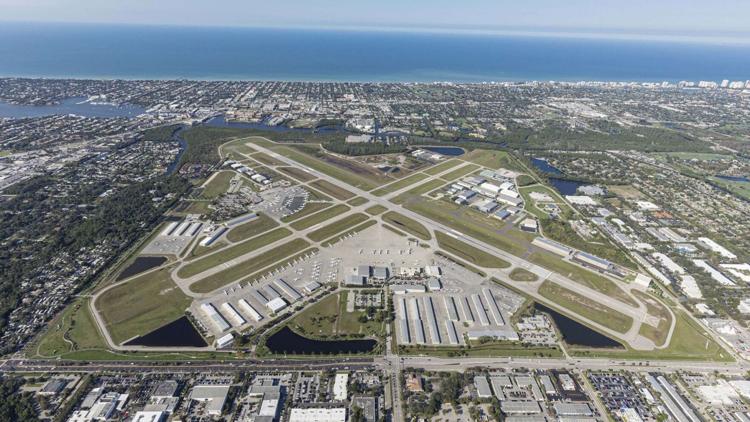
65-Seat Jet Blueprint: Naples Airport Commercial Service Return Ignites Intense Community Debate

A pivotal infrastructure proposal has set off a major debate over the future of regional transit and property integration in Collier County. The Naples Airport Authority (NAA) has advanced into active negotiations with American Airlines to restore scheduled Naples Airport commercial service for the first time in nearly a decade.

The major network carrier formally expressed its intent via a May 13, 2026, letter of interest, followed by a strategic presentation by Jordan Pack, American’s Director of Domestic Planning, during the board’s May 21 legislative session. If an agreement is finalized, the rollout would reintroduce scheduled passenger traffic to the city center, opening a high-velocity travel corridor directly connecting the coastal real estate market with global flight networks.

Flight Schedules and Regional Jet Fleet Mix Mechanics

The operational blueprint submitted by American Airlines is designed to capture deep, unmet local travel demand while respecting established neighborhood noise-abatement agreements. The carrier targets a December 2026 launch timeline, opening direct connectivity between Naples and Charlotte Douglas International Airport (CLT) in North Carolina American’s second-largest domestic hub, which routes more than 600 daily departures alongside an extensive list of international flights.

The technical and environmental specifications of the proposed fleet mix reflect a cautious approach to community integration:

  • Aircraft Fleet Allocation: The route would be operated under the American Eagle banner by subsidiary PSA Airlines, deploying 65-seat Bombardier CRJ-700 regional jets.

  • Weight Boundary Alignment: The CRJ-700 commands a maximum takeoff weight of 75,000 pounds, placing it safely within the airport’s strict infrastructure limits and matching the structural profiles of multi-engine corporate aircraft currently using the runways.

  • Acoustic Advantages: Addressing noise concerns, NAA Vice Chair John Crees noted during the panel that the modern turbofan engines powering the CRJ regional jets operate at lower decibel outputs than many of the large Gulfstream private jets that fly into the facility daily.

  • Curfew Protections: To minimize neighborhood sound disruptions, American plans to stage two to three daily round trips scheduled entirely outside the airport’s voluntary 10:00 p.m. to 7:00 a.m. curfew window.

Terminal Constraints and TSA Security Modifications

While the fleet’s physical parameters align with the existing runways, the airport’s landside infrastructure presents clear space constraints. The commercial airline would operate out of a single gate inside the North Regional Terminal, sharing a tight physical layout with the luxury public charter operator JSX, corporate charter giant NetJets, and on-site rental car facilities.

The terminal requires rapid structural modifications to legally handle scheduled interstate passenger traffic. Most notably, the facility must establish code-compliant Transportation Security Administration (TSA) passenger screening checkpoints.

Because the municipal hub currently lacks permanent federal screening infrastructure, the NAA has initiated logistical coordination with the TSA team stationed at Southwest Florida International Airport (RSW) in neighboring Lee County. RSW officials would directly oversee the security apparatus in Naples, with NAA Executive Director Chris Rozansky confirming that the necessary equipment procurement and specialized federal staffing profiles can be fully operational by the December launch deadline.

Good-Faith Legal Obligations vs. Neighborhood Pushback

The prospect of reviving the Naples Airport commercial service has exposed a familiar rift between local luxury travelers and nearby property owners. Proponents point to the airport’s 2025 resident sentiment survey, where open-ended feedback overwhelmingly highlighted a strong community desire for convenient, hyper-local commercial flights to bypass the 35-mile drive north to RSW.

However, neighborhood preservation groups are mobilizing a strong pushback. During public comment, Mary Tatigian a member of the airport’s own Noise Compatibility Committee warned commissioners that introducing a legacy global carrier could open a dangerous floodgate, fundamentally altering the quiet character of the surrounding real estate.

“The introduction of American Airlines is not an isolated event,” Tatigian argued before the board. “It is part of a predictable pattern. Once one major carrier enters, others follow: Delta, United and more. At that point, this airport no longer functions as a municipal airport serving a local community.”

Navigating these conflicting pressures presents a delicate legal balancing act for airport leaders. NAA aviation attorney Peter Kirsch reminded commissioners that because the airport accepts federal aviation grants, it is bound by strict federal fair-access laws. The facility is legally obligated to negotiate in good faith with any commercial carrier that submits an operational proposal matching the airport’s physical design constraints. “The space that is a natural limiting factor,” Rozansky added, emphasizing that the physical realities of a single shared gate naturally prevent the facility from scaling up into a high-intensity commercial hub.

County-Wide Voter Polling Ahead of the June Review

To secure a clear, statistically sound look at community sentiment before taking a definitive vote, commissioners directed staff to immediately execute a comprehensive resident survey.

The targeted poll compiled by American Pulse Research & Polling contains 12 to 15 highly specific questions tracking economic priorities, noise tolerance thresholds, and travel frequency. The digital and phone survey is being pushed out directly to registered voters countywide, aiming to harvest a representative sample of roughly 500 completed responses. The data tables will be compiled, analyzed, and delivered to the public just in time for the NAA Board of Commissioners’ next legislative session on June 18, 2026.

Municipal Flight History

Regional commercial traffic gradually declined at the municipal site following the aggressive post-2000 expansion of multi-carrier hubs in unincorporated Lee County, shifting the airfield into a high-end corporate private jet destination.

Legacy Carrier Group Historic Regional Destination Matrix Service Termination Window
American Eagle Direct Miami Hub Connections (MIA) Corporate Service Phase-Out
Delta Connection Atlanta Hartsfield Interchange (ATL) Network Realignment
Cape Air / Elite Intra-State Links (Tampa, Orlando, Newark) 2017 Final Departures

For immediate access to the full text of American Airlines’ letter of intent, detailed aircraft acoustic data sheets, or to register for the public commentary block at the upcoming June 18 assembly, residents can monitor the central repository at the Naples Airport Authority Commission Portal.

Categories
SWFL Update

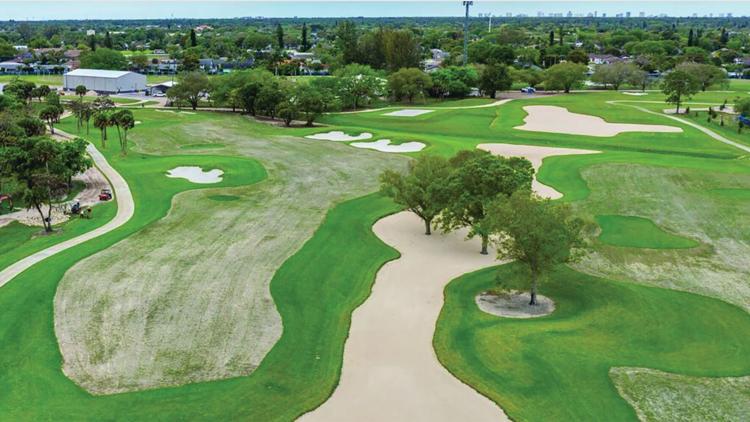
$21 Million Project: Golden Gate Public Golf Course Stays on Track for Winter Debut

A sweeping public-private revitalization project is set to bring high-quality, budget-friendly recreation to the heart of the community. General Manager Scott McGregor delivered an official progress briefing to the Board of County Commissioners, confirming that the all-new Golden Gate public golf course operating as The Gate remains firmly on schedule for its grand opening this December.

Staged on county-owned land at 4100 Golden Gate Boulevard, right at the southwest intersection of Collier Boulevard, the state-of-the-art playground marks a major evolution for regional recreation. Developed by a specialized non-profit entity established by Arthrex founder Reinhold Schmieding, the highly accessible campus replaces a defunct private country club footprint with an approach centered entirely on community access, junior athletics, and social gathering.

Exceptional Features of the Golden Gate Public Golf Course

The structural philosophy governing the Golden Gate public golf course focuses on breaking down the historical cost and exclusivity barriers long associated with regional links. Designed by the award-winning architecture duo Peter Jacobsen and Jim Hardy of Jacobsen-Hardy Golf Course Design, the playing fields are engineered to offer a brisk, rewarding round for scratch players while remaining deeply forgiving for novice beginners.

The $21 million master layout combines a diverse range of athletic and social assets across the property:

  • The Regulation Loop: A beautifully sculpted, nine-hole, par-35 regulation-length course featuring multiple tee box configurations to accommodate all skill sets.

  • The Nighttime Putting Arena: Named “The Gater,” this signature 18-hole putting course is currently being sprigged with premium Bermuda grass and features custom sports lighting for evening play.

  • The Bays Driving Range: A 38-bay practice range equipped with advanced Trackman tracking technology, enabling interactive target gaming, precision swing analysis, and date-night group outings.

To ensure the facility functions as a true community asset, local commissioners have locked in a 40-year lease agreement mandating steep, permanent resident discounts. During peak winter travel windows, local property owners will enjoy a 40% discount off standard pricing, bringing a standard nine-hole round down to an affordable $53.40. During the summer off-season, that resident tier drops even further to just $31.20, representing a massive fraction of standard regional greens fees.

Supporting Youth Development and First-Responder Families

A core anchor of the new park design is the establishment of the permanent regional headquarters for the First Tee-Naples/Collier junior golf academy. Operating under a highly collaborative $1 annual sublease, the First Tee Learning Center will feature dedicated indoor putting surfaces, covered multi-weather hitting bays, virtual simulation rooms, and private educational classrooms.

Eight of the main range bays are permanently reserved for the academy’s youth programs, which integrate technical athletic training with foundational life skills and leadership curricula.

The master-planned park is explicitly designed to integrate with a series of surrounding civic real estate initiatives across the 167-acre county parcel. The property sits directly adjacent to a state-of-the-art veterans nursing home and care facility currently under vertical building. Furthermore, the master tract incorporates a 252-unit affordable workforce housing neighborhood, 215 rent-restricted studio apartments crafted from former hospitality shells, and a contemporary veterans community center housed inside a completely remediated local restaurant building.

Tailored Dining Concepts and Target Lighting Solutions

To support long-term operations, the main clubhouse designed by Matthew Kragh of Naples-based MHK Architecture anchors a series of casual, high-volume dining environments open to the general public with zero membership restrictions:

  • Oakwood Grill: A premier 175-seat restaurant serving lunch and dinner daily, framing clear southern views over the closing ninth hole.

  • The Pavilion Bar: An open-air, high-fan-circulated patio lounge specializing in regional craft beers, mixed drinks, and tailgate-inspired sports viewing.

  • The Gimme: A rapid grab-and-go counter preparing healthier variations of traditional breakfast, lunch, and dinner favorites for players on the move.

Responding directly to residential privacy concerns regarding the driving range’s 10:00 p.m. operating schedule, management confirmed that the evening lighting arrays utilize advanced, directional canopy screens engineered by the same tech firms that power national Topgolf facilities. The adjustable shielding strictly contains all light spill directly within the practice targets, ensuring nearby properties face zero light pollution or glare.

As crews advance through the early stages of mowing, fairway refining, and utility testing, the facility stands as a testament to purposeful public-private planning. By pairing affordable pricing models with top-tier technology and open access, the development sets a fresh standard for municipal real estate investments near the Gulf coast corridor.

Community Fee Breakdown

The pricing matrix ensures complete transparency, keeping food and beverage lines highly affordable for everyday local families.

Playing Window Certified Resident Fee (9 Holes) Non-Resident Fee (9 Holes)
Peak Season (Nov 1 – Apr 30) $53.40 $89.00
Off-Season (May 1 – Oct 31) $31.20 $39.00

For real-time construction updates, corporate tournament booking packets, or to learn more about junior academy schedules, community members can check details via the Official Collier County Parks Portal.

Categories
SWFL Update

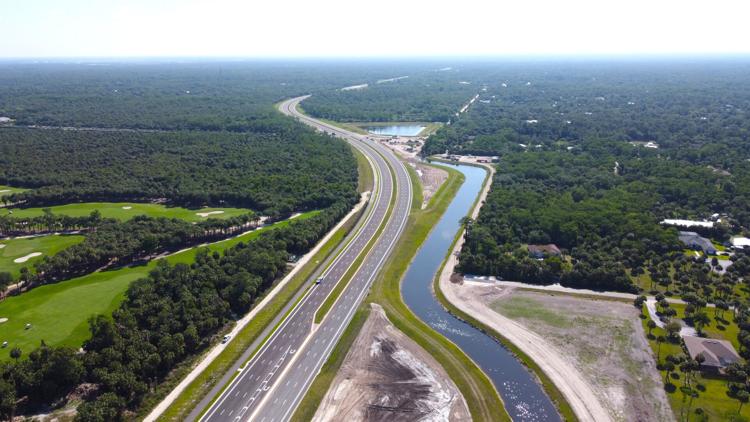
$153 Million Infrastructure: Vanderbilt Beach Road Extension Opening Reshapes Grid

One of the most massive transportation infrastructure assets in the history of Collier County is officially ready to welcome motorists. Backed by a comprehensive $153 million structural budget, transportation engineering officials have reached substantial completion on Phase 1 of the project. The highly anticipated Vanderbilt Beach Road extension opening is formally scheduled for Friday, June 12, 2026, at or shortly after 10 a.m.

Stretching across a critical 7-mile corridor within the rapidly growing Golden Gate Estates neighborhood, the new arterial thoroughfare introduces vital east-west travel capacity. The primary operational intent of the massive project is to ease severe traffic congestion on overburdened parallel routes including Immokalee Road, Randall Boulevard, and Golden Gate Boulevard while drastically lowering daily commuter trip times and emergency response windows for regional fire and rescue teams.

Structural Design and Lane Configurations of Phase 1

The physical layout of the Vanderbilt Beach Road extension opening demonstrates a highly scalable approach to long-term civil engineering. Constructed by general contracting firm Sacyr Construction USA, the design plans accommodate immediate traffic relief while preserving a footprint for future lane additions as population growth expands eastward.

The 7-mile stretch transitions through distinct regional configurations to balance high-volume flow with neighborhood integration:

  • The Urban Six-Lane Core: From its existing origin point east of Collier Boulevard (CR 951) moving straight to the west side of Wilson Boulevard, the county has built a modern six-lane divided roadway. This section features wide planted center medians, dedicated on-street bike lanes, and continuous, paved shared-use pathways to protect local pedestrian traffic.

  • The Two-Lane Interim Taper: Moving past the east side of Wilson Boulevard and terminating at 16th Street Northeast, the road tapers into a two-lane undivided roadway. This interim segment is strategically built within a full four-to-six-lane right-of-way footprint, enabling seamless future widening projects without requiring additional real estate acquisitions.

  • Canal and Bridge Logistics: To clear the complex network of drainage waterways defining the Estates, crews completed massive environmental adjustments, relocating portions of the Cypress Canal and constructing three major new concrete bridges spanning the Curry, Corkscrew, and Orange Tree canals.

Upgraded Intersections and Signalized Traffic Interchanges

To guarantee smooth vehicle transitions and maximum safety across the newly connected grid system, engineering teams executed extensive backfills and signaling updates at multiple secondary road crossings.

The project incorporates structural enhancements to Massey Street including comprehensive drainage upgrades, modern curb and gutter profiles, and a new western shared-use pathway alongside major geometric improvements at the existing intersections of Collier Boulevard, Weber Boulevard, Danbury Boulevard, and Douglas Road. To safely pace the heavy influx of daily traffic, teams built and fully activated three brand-new signalized intersections positioned at Wilson Boulevard, Eighth Street Northeast, and 16th Street Northeast.

This grid expansion integrates seamlessly with other major neighborhood civil works, such as the ongoing 16th Street Northeast bridge contract awarded to Wright Construction Group, creating a highly unified network for local real estate holders.

Phase 2 Progression and the Autumn Construction Pipeline

Even as contractors finalize minor punch-list items and landscape grooming across the Phase 1 footprint over the coming weeks, transportation planners are already advancing the next geographic link. Vanderbilt Beach Road Extension Phase 2 is designed to continue the corridor an additional two miles east, bridging the gap from 16th Street Northeast straight to Everglades Boulevard.

The upcoming phase has cleared its 60% and 90% design plan milestones and is moving through the final stages of environmental permitting with the South Florida Water Management District and the Army Corps of Engineers. Structural right-of-way acquisitions are tracking concurrently, clearing a path for the county to launch competitive contractor procurement by the end of the year. Physical site building for the two-lane expandable Phase 2 stretch is currently on track to mobilize toward the beginning of 2027.

To celebrate the historic completion of this multi-year transportation milestone, county leaders are organizing a formal community ribbon-cutting ceremony scheduled for July 1, 2026. Additional details regarding the assembly site and public attendance maps will be distributed shortly via the county’s primary communications division.

Regional Commuter Advisory

“While the new 7-mile extension will be fully open to all standard passenger vehicles beginning June 12, motorists are urged to use extra caution as crews finish minor roadside adjustments and sign calibrations along the shoulders.” – Collier County Engineering Division

For real-time traffic flow models, high-definition engineering map downloads, or direct inquiries regarding adjacent right-of-way parameters, property owners can monitor the central data table hosted at the Collier County Transportation Projects Portal.

Categories
Real Estate News

$93.7 Million Fiscal Cliff: Charlotte County Property Tax Referendum Triggers Serious Alarms Among Leaders

A stark warning from local fiscal experts has cast a dramatic spotlight on the potential financial fallout of an upcoming statewide ballot initiative. Charlotte County commissioners and department heads have voiced profound concerns regarding the sweeping Charlotte County property tax referendum, warning that the measure could trigger massive revenue deficits, strip away historical neighborhood zoning safeguards, and completely exhaust county emergency reserves within a few short years.

Authorized by the Florida Legislature under House Joint Resolution 1 (HJR 1) during a rapid 48-hour legislative window, the constitutional amendment will head to a definitive public vote on the November 3 ballot. While packaged as a monumental victory for primary residential affordability, county administrative staff warn that the structural reality of the bill creates an unprecedented financial cliff that could leave local municipalities completely dependent on state allocations to fund basic civic operations.

Projections Outline Severe Revenue Deficits

The primary friction surrounding the Charlotte County property tax referendum stems from the staggering ad valorem revenue losses projected by financial directors. If approved by 60% of Florida voters, the amendment will radically expand the state’s existing homestead property tax exemption for primary residences.

The structural rollout dictates a rapid, multi-stage reduction in the local tax base:

  • Exemption Milestones: Qualifying homesteaded properties will see their non-school property tax exemption boundary instantly rise to $150,000 beginning in 2027, before hitting a massive $250,000 exemption ceiling in 2028 and in perpetuity, with future adjustments tied directly to the Consumer Price Index (CPI).

  • The Year-Over-Year Spiral: According to data tables compiled by Legislative Manager Eve Sweeting, Charlotte County’s baseline general fund loss is projected to hit approximately $38.2 million in 2028. By 2029, that annual shortfall balloons to $67.1 million.

  • Macro Economic Hits: When evaluating overall county ad valorem revenue, the cumulative losses escalate from $50.6 million in 2028 to a crushing $93.7 million in 2029 representing an 85% spike in the funding deficit in just a single calendar year.

Assistant Finance Director Francine Lisby clarified that while Charlotte County Public Schools are legally insulated from the measure (as school board millage rates are excluded from the expanded exemption), nearly every single public safety and infrastructure asset will face immediate funding contractions. Currently, roughly 31 cents of every local property tax dollar directly supports the Charlotte County Sheriff’s Office, while another 18.82% funds countywide infrastructure, road building, and public works near the Gulf coast corridor.

Depleting Emergency Reserves and Public Safety Backstops

The long-term danger highlighted by county leaders is the rapid timeline for the complete depletion of the county’s financial safety nets. Charlotte County has historically relied on healthy, meticulously managed reserve balances to rapidly deploy emergency services, execute debris cleanup, and rebuild infrastructure following severe storm systems.

Under the projected revenue drops, those critical fiscal safeguards will vanish. Financial modeling reveals that the county’s core reserve accounts will be entirely exhausted by 2032 if no dramatic tax increases or service cuts are implemented. More critically, the internal reserve funds utilized to stabilize day-to-day operations for the Charlotte County Sheriff’s Office are on track to be completely depleted by 2030, threatening frontline law enforcement and first-responder capabilities.

“We might not be able to borrow,” warned Commissioner Dr. Chris Constance, pointing out that diminished revenue bases severely damage the county’s municipal credit ratings and bond-issuing viability. “We will be begging Tallahassee for money; we are going to be completely beholden.”

Commissioner Bill Truex echoed the sentiment, visualizing a chaotic environment where individual local governments must lobby state lawmakers for survival grants. “I envisioned standing in line with 67 counties and 411 municipalities,” Truex stated. “Some of these cities aren’t going to make it.” The fiscal pressure extends straight into local municipalities as well; Punta Gorda City Manager Melissa Reichert estimated the city will lose $1.24 million in fiscal year 2028, with the deficit doubling to $2.4 million by 2029.

Shifting Zoning Authority and Neutering Public Input

Beyond the immediate financial constraints, the Charlotte County property tax referendum contains deep regulatory shifts that directly threaten local land-use authority and neighborhood control. Commissioner Stephen R. Deutsch leveled sharp criticism at provisions within the broader legislative package that allow the state to bypass established municipal planning guidelines.

“It looks like the state Legislature is getting to the point of completely neutering our local zoning regulations,” Deutsch stated during the commission workshop.

Planning and Zoning Director Shaun Cullinan detailed the mechanics of this regulatory shift, noting that the legislation creates direct avenues to move major real estate and development approvals through quiet administrative channels rather than traditional, transparent public hearings. The policy changes alter how communities manage growth:

  • Administrative Approvals: Certain large-scale residential and commercial builds can be approved directly by staff layout reviews, completely bypassing comprehensive county plan rules and local zoning designations.

  • Elimination of Citizen Alerts: The state framework removes traditional notification processes, meaning neighboring property owners and local families will no longer receive public notices or have a platform to voice opposition at commission meetings.

  • Alternative Housing Mandates: The law forces local jurisdictions to permit manufactured and container-built homes in any residential zone currently designated for traditional, site-built homes, leaving counties with only limited authority to govern basic exterior design standards.

The Conundrum of Growth vs. Declining Revenue

Commission Chair Joe Tiseo strongly questioned why state lawmakers rushed the legislation through without first executing a formal, independent economic impact analysis. The lack of data is compounded by a notable demographic paradox: by offering an ultra-high $250,000 tax exemption boundary, the state is highly likely to accelerate the migration of out-of-state residents to the region.

This influx will aggressively drive up the demand for expanded roads, traffic management, utility lines, and emergency services at the exact moment the county’s primary mechanism for funding those infrastructure updates is legally diminished. Tiseo noted that if the state insists on stripping away county-level decision-making authority, Tallahassee must ultimately bear direct responsibility for building the massive infrastructure networks traditionally managed by local taxpayers.

Charlotte County Budget Distribution

Properties establishing homestead status after January 1, 2027, face a secondary barrier, requiring a strict five-year Florida residency period before they can unlock the full $250,000 exemption, creating a sharp tax disparity between long-term residents and newly arriving property buyers.

Tax Dollar Recipient Current Funding Allocation Projected Impact by 2030
Public School District 41.00% of every property tax dollar Insulated (School millage is exempt from HJR 1 rules)
Sheriff’s Office & Safety 31.00% of every property tax dollar Critical Threat (Agency reserves completely depleted by 2030)
County Infrastructure 18.82% of every property tax dollar Severe Cutbacks (County reserve balances exhausted by 2032)

For continuous updates regarding the commission’s upcoming public budget reduction workshops, detailed breakdowns of administrative zoning changes, or to review the full text of HJR 1, property owners can monitor the central data repository at the Charlotte County Legislative Affairs Portal.

Categories
SWFL Update

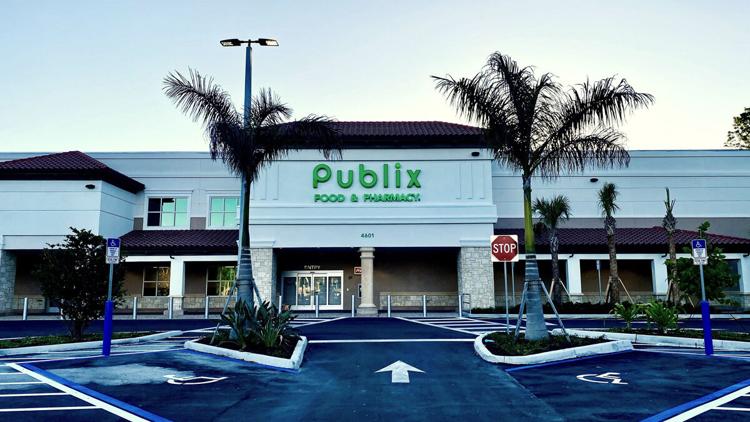
51,908-Square-Foot Prototype: Neapolitan Way Publix Reopening Date Formally Confirmed

A highly anticipated retail milestone is officially set to revitalize the commercial landscape of central Naples. Corporate executives confirmed on June 9 that the completely reimagined, state-of-the-art flagship anchor store at the Neapolitan Way shopping center has locked in its formal deployment schedule. The official Neapolitan Way Publix reopening is firmly scheduled to launch on July 2, 2026.

The major neighborhood launch brings a vital daily necessity anchor back online for coastal real estate communities and seasonal visitors near the Gulf. Since the original, decades-old grocery infrastructure shuttered on November 30, 2024, the property has undergone a complete architectural evolution. The previous building was entirely demolished to clear a path for a ground-up engineering project that introduces the brand’s most advanced corporate retail prototype to Collier County.

Exceptional Features of the Rebuilt Neapolitan Way Publix

The physical transformation transitions the property into a massive 51,908-square-foot supermarket complex, operating on a slightly larger structural footprint than its 1980s predecessor. The project required deep administrative planning, effectively retiring the location’s legacy store identification (Store No. 172) and establishing a contemporary operational listing (Store No. 1782).

The interior layout introduces a variety of upscale culinary and technological assets engineered to elevate the standard consumer journey:

  • The Mezzanine Dining Suite: A second-story interior balcony level featuring a dedicated customer seating area, offering a quiet space to consume prepared meals with views over the sales floor.

  • The Centered Deli Island: A completely re-engineered, multi-sided service island optimized to streamline the ordering and pickup of signature sub sandwiches, hot prepared chicken dinners, and custom premium cheese boards.

  • Advanced Checkout Lanes: A blended array of traditional cashier lanes paired with an expanded bank of self-checkout stations to maximize transaction speed during peak weekend hours.

Originally constructed and opened on August 28, 1986, the Neapolitan Way location held a prominent piece of local corporate history: it stood as the single oldest operating Publix in Collier County that had not yet been physically relocated or entirely rebuilt. While the complex engineering phase and structural site building took longer to start and finalize than real estate developers originally forecast, the finished asset brings a premier grocery experience to the local market.

Elevating Coastal Real Estate Convenience

The mid-summer opening of the modern anchor is positioned perfectly to support neighborhood property values and seasonal travel demands. Positioned right along the dense 4601 Ninth Street North commercial corridor, the master-planned plaza allows local shoppers to easily coordinate their weekly grocery runs with high-end boutique shopping, professional medical visits, and elite dining excursions.

The integration of a modern grocery prototype with premium amenities like the upper-level mezzanine seating area directly aligns with the affluent demographics defining the local Naples neighborhood. By upgrading the physical infrastructure to withstand contemporary coastal weather benchmarks while maximizing internal spatial efficiency, the brand has successfully preserved its footprint in a premium real estate corridor for decades to come.

Retail Operational Fact Sheet

The new 51,908-square-foot facility replaces an aging 1986 layout, introducing double-decker interior elements and streamlined service hubs to accommodate evolving shopping habits.

Categories
SWFL Update

$250,000 Cap: Florida Property Tax Cut Referendum Questions Spark Fiscal Alarms Among Experts

A profound restructuring of public finance frameworks is sending shockwaves through the state’s commercial and residential real estate networks. Following the Legislature’s swift approval of Governor Ron DeSantis’ signature ballot initiative, industry analysts and municipal managers are raising serious warning flags regarding the long-term viability of the proposed Florida property tax cut referendum.

If approved by a 60% supermajority of voters in November, the constitutional amendment will initiate a sweeping redistribution of public funding. While promising immediate relief for primary homeowners, the plan forces local jurisdictions to either drastically slice municipal services or establish aggressive alternative revenue pipelines.

At a recent Southwest Florida Real Estate Investors Society panel in Fort Myers, regional real estate delegates, attorneys, and economists offered far more questions than answers about where those financial shortfalls will ultimately land.

Exceptional Layout of the “Save Our Homes” Constitutional Amendment

The structural framework of the Florida property tax cut referendum officially titled Save Our Homes from Excessive Property Taxes is engineered to aggressively phase down ad valorem property tax exposures for primary residents over a multi-year horizon:

  • Homestead Exemption Escalation: The core provision forces a massive lift in the non-school homestead tax exemption cap, spiking it from the current $50,000 boundary up to $150,000 next year, and hitting a permanent ceiling of $250,000 in 2028.

  • Non-Homestead Assessment Protections: To shield small businesses and renters, the bill narrows the annual assessment growth cap on non-homestead properties (such as rental units, vacation assets, and commercial real estate) from 10% down to 5%.

  • New Resident Phase-In Rules: To protect established local tax bases, arriving Floridians must maintain a primary residence for a strict five-year period before they can unlock the enhanced $250,000 exemption status.

  • Core Service Restrictions: The legislation limits the use of remaining ad valorem tax revenues strictly to “core services,” a category covering public safety, emergency education, infrastructure repairs, flood control, and localized bond repayments.

“I think it’s just a shifting of money,” warned Nelson Taylor, Vice President of Market Research for Fort Myers-based LSI Companies. “It’s robbing Peter to pay Paul.”

Questioning the Affordability Narrative and Capitalized Housing Costs

While state lawmakers champion the referendum as a powerful tool to lower the cost of living, regional economists are actively challenging that narrative. Shelton Weeks, a professor of economics, finance, and real estate at Florida Gulf Coast University, argues that the tax cut could inadvertently backfire on buyers, pushing acquisition costs higher.

In the same way that skyrocketing property insurance premiums have acted to soften real estate demand and suppress purchase prices across Southwest Florida, a major reduction in annual holding costs is highly likely to have the opposite effect.

“We’re told that it is to help with housing affordability, and it will help affordability for those folks who are already in place,” Dr. Weeks explained following the briefing. “However, if you look at where this is likely to go, we should expect that the majority of the tax savings will be capitalized into real estate prices moving forward. So, I would not expect this nor would I classify this as a ‘lever’ to improve affordability. We’re just talking about shifting the cost to somebody else.”

Unintended Fiscal Constraints on Local Neighborhoods

The structural problem with the Florida property tax cut referendum is that it impacts local governments highly unequally. Coastal cities like Cape Coral rely overwhelmingly on homesteaded residential real estate taxes to balance their budgets, whereas locations like Fort Myers command a highly diversified commercial and industrial tax base.

If ad valorem collections drop off a cliff, local administrators will be legally forced to re-evaluate how they sustain basic, everyday neighborhood amenities. State Representative Tiffany Esposito highlighted this municipal dilemma during the assembly.

“I personally love that we have mosquito control and sidewalks and streetlights,” Esposito stated. “I like that we have those things. I would like to keep those things. Great. How do we pay for that? If it’s not property taxes, then what does that look like in the delivery of those imperative services for our community?”

To offset the staggering projected revenue losses, experts anticipate that local governments will rely heavily on secondary mechanisms. Municipalities may look to implement localized sales tax increases or expand non-ad valorem flat fees, including heavier fire service assessments and stormwater utility charges near the Gulf coast.

Mixed Reactions Across Commercial and Residential Associations

Faced with massive systemic uncertainty, major real estate trade organizations are deliberately withholding judgment. Groups like the Royal Palm Coast Realtor Association, the Naples Area Board of Realtors (NABOR), the Punta Gorda Association of Realtors, and the statewide Florida Realtors branch have declined to take an official public stance while internal policy teams analyze the data tables.

However, individual brokers and real estate attorneys remain highly divided on the long-term market outcomes:

Real Estate Sector Perspective Primary Market Opportunity Primary Systemic Risk
Transactional Attorneys Acts as an immense marketing draw that could ignite a major buying boon for local real estate inventory. Forces a highly complex and inefficient public tax framework if local fees skyrocket.
Commercial Brokers Drastically lowers annual operating costs for corporate facilities via the new 5% assessment cap. Creates dangerous long-term funding gaps for neighborhood infrastructure on the backside.
Residential Realtors Makes Florida real estate incredibly desirable and financially attractive for primary owner-occupants. Significantly reduces investment appetites for out-of-state buyers and second-home landlords.

As the debate intensifies through the summer months, property owners are left to weigh the immediate appeal of an ad valorem tax cut against the long-term reality of rising user fees. With the November ballot rapidly approaching, the real estate market must prepare for a fundamentally altered fiscal landscape across the state.

Categories
Island Update

Noah’s Ark Thrift Shop Announces Final Summer Donation Window and Seasonal Schedule

For over six decades, treasure hunters and community-minded residents have flocked to one of Sanibel Island’s most enduring charitable institutions. Noah’s Ark Thrift Shop, located right on the campus of Saint Michael and All Angels Episcopal Church, has officially announced critical updates to its operational schedule and its final summer donation window.

At the LeAneSuarezGroup, we love highlighting the civic organizations and church missions that bind our island together. If you are preparing to downsize a property, clear out a vacation rental, or refresh your home decor before the heart of summer, now is the time to act.

In a nutshell: Noah’s Ark Thrift Shop will only accept public donations through June 15. The shop will remain open for shoppers on Tuesdays through July 14 before completely closing its doors for a seasonal recess during August and September.

Key Donation Cutoff Dates and Drop-Off Logistics

Because Noah’s Ark operates solely on the physical generosity of island residents, keeping the inventory pipeline synchronized with volunteer staffing is essential.

  • The Final Donation Deadline: The absolute final day to drop off household items, clothing, or furniture for the summer season is Monday, June 15.

  • Standard Drop-Offs (24/7): Unrestricted donations can be left at any hour of the day or night at the shop’s designated side loading dock.

  • Drop-Offs Requiring Tax Receipts: If you require a formal tax-deductible receipt for your real estate or personal property files, you must drop off your items on a Monday, Tuesday, or Friday between 10:00 AM and 1:00 PM. Simply knock on the back entrance door to meet an on-duty volunteer.

“Thank you to everyone who donates — Noah’s Ark operates solely on donations, and your generosity keeps our shelves stocked and supports our mission. We truly appreciate you.” — Noah’s Ark Thrift Shop Management

Summer Shopping Hours and Seasonal Recess

If you are hunting for vintage island fashion, estate jewelry, coastal furniture, fine art, or rare books, you still have a few weeks left to browse the meticulously organized racks at 2304 Periwinkle Way.

                SUMMER OPERATIONAL TIMELINE FOR NOAH'S ARK
  
  [ NOW THROUGH JULY 14 ] ───► OPEN on Tuesdays only (10:00 AM – 1:00 PM)
                                     │
                                     ▼
  [ AUGUST & SEPTEMBER ]  ───► CLOSED completely for seasonal recess and restocking

The entire operation is staffed, sorted, and beautifully displayed by dedicated volunteers from Saint Michael and All Angels. The best part? Every single dollar generated by the shop is directly funneled back out into the world, benefiting an array of vital local and national non-profit organizations providing community support.

To learn more about current retail inventories or volunteering opportunities, visit the Saint Michael’s Noah’s Ark Portal or dial the shop directly at 239-799-7146. You can also stay updated on fresh estate arrivals by following their social feeds on Facebook and Instagram.

Categories
Island Update

Florida Legislature Approves Historic Property Tax Relief Amendment for November Ballot

A sweeping plan to fundamentally reshape how local governments are funded in the Sunshine State is officially heading to the voters. During a high-stakes special legislative session on June 2, 2026, lawmakers passed Governor Ron DeSantis’s ambitious proposal to dramatically lower property taxes for permanent residents.

The legislatively referred constitutional amendment passed with a supermajority, clearing the Senate in a 30-9 vote and the House in a 75-26 vote. To become law, the measure must now secure at least 60% voter approval in the upcoming November referendum.

At the LeAneSuarezGroup, we recognize that tax policies are one of the most critical factors influencing long-term property values, neighborhood affordability, and municipal infrastructure. This historic proposal represents a pivotal development for anyone who owns or plans to buy real estate on Sanibel and Captiva Islands.

In a nutshell: The Florida Legislature has cleared a constitutional amendment for the November ballot that would phase in a massive $250,000 homestead tax exemption by 2028. While proponents champion the relief for homeowners, the Lee County Board of County Commissioners has formally opposed the bill due to projected multi-million dollar local revenue shortfalls.

The Phased Exemption and What it Exempts

If approved by the public, the amendment—titled the “Save Our Homes from Excessive Property Taxes Amendment”—would dramatically increase the tax exception threshold specifically for owner-occupied primary residences.

  • The Phased Rollout: The current $50,000 homestead exemption would triple to $150,000 on January 1, 2027, and eventually climb to $250,000 on January 1, 2028.

  • The School Tax Protection: In a major late overhaul to the governor’s original wide-ranging draft, the Legislature amended the bill to ensure that the expanded exemption applies only to non-school property taxes. This vital revision completely insulates Florida’s public school districts from taking a hit to their local education funding.

Lee County Commission Signals Unanimous Opposition

Despite the built-in protections for school systems, the proposal faces heavy, unified pushback from local municipal administrations. On the exact same day the bill cleared the state capital, the Lee County Board of County Commissioners voted unanimously to send an official letter to the Legislature opposing the expanded exemption.

Local leaders note that Southwest Florida communities are still actively funding complex infrastructure and recovery projects following a string of major natural disasters, including Hurricane Ian, Hurricane Helene, and Hurricane Milton.

                  LEE COUNTY PROJECTED REVENUE SHORTFALLS
  
  [ NEXT YEAR'S BUDGET ]  ───► $129.7 Million Projected Loss
  [ 2028-29 BUDGET ]      ───► $240.8 Million Projected Loss

County commissioners warned state leaders that without a “stable, recurring replacement funding source” provided by the state, the bill represents one of the most volatile restructurings of local finance in Florida’s history.

The Debate: Economic Stimulation vs. Local Funding Loss

State Senator Jonathan Martin (R-Fort Myers), who has been actively consulting with local commissioners regarding their concerns, defended the bill’s placement on the ballot. While acknowledging the anxiety surrounding local budgets, Martin questioned whether the county’s steep financial loss projections adequately factored in regional marketplace expansion.

“Are they assuming that no additional homes are going to be purchased down here or that economic activity is going to stop? Economic activity increases with tax cuts. I feel very strongly that the voters should decide.”

— Sen. Jonathan Martin (R-Fort Myers)

Martin has long been a proponent of aggressive fiscal reform, having championed a legislative bill last year aimed at ordering an official state study to evaluate the total elimination of property taxes entirely.

If passed by the public this fall, the ultimate impact will require local governments—like Lee County—to carefully reassess how they balance long-term capital improvement projects against a significantly transformed tax revenue stream.

Categories
SWFL Update

$40,000 Impact: New Island Panda Sanibel Restaurant Revitalizes Dining District

A beautiful culinary transformation has arrived along the main commercial corridor of the barrier islands. Boosting local food options following years of regional infrastructure rebuilding, the highly anticipated Island Panda Sanibel restaurant has officially made its public debut.

Located at 2003 Periwinkle Way, the takeout-focused eatery anchors itself securely within the newly renovated Tahitian Gardens shopping center. This fresh location choice brings vital retail energy back to the heart of the district, offering a balanced mix of rapid grab-and-go options alongside comfortable, casual outdoor patio dining for island residents and incoming vacationers alike.

Exceptional Features of the Island Panda Sanibel Restaurant

The core operational philosophy behind the Island Panda Sanibel restaurant focuses on delivering high-quality, made-to-order coastal dishes using streamlined logistics. The location marks a triumphant return to the local business community for owner Eve Alves, who previously operated the popular Tipsy Turtle restaurant on the island before it was completely destroyed by the severe storm surge of Hurricane Ian.

Rather than duplicating standard casual bar fare, Alves has strategically pivoted to a fast-casual, seafood-forward Asian-fusion menu tailored perfectly for active, beach-going lifestyles:

  • Custom Sushi Assets: A deep array of traditional and contemporary made-to-order sushi rolls crafted by on-site chefs utilizing premium, fresh-catch seafood assets.

  • Tropical Poke Bowls: Vibrant, nutrient-dense signature bowls blending pristine raw fish selections—including tuna, salmon, yellowtail, and eel—with fresh vegetables and specialized house-made dressings.

  • Sizzling Hibachi Entrees: Comforting, hot-off-the-grill hibachi dinners featuring combinations of chicken, hand-cut steak, large shrimp, salmon, and sea scallops tossed with signature seasoned fried rice and vegetables.

Seamless Integration into a Premier Shopping Corridor

The physical layout of the Island Panda Sanibel restaurant places it directly in front of the heaviest traffic flows on the island. Positioned within the 16-suite Tahitian Gardens plaza, the restaurant is flanked by fine boutiques, designer fashion shops, and popular local bakeries. This grouping allows visitors to easily pair an afternoon of local gift shopping with a high-quality fresh meal.

The property has been explicitly engineered to accommodate the modern, digital-first consumer journey. Utilizing a streamlined, cloud-based online ordering interface, beachgoers can seamlessly build custom sushi or hibachi combinations on a mobile phone or laptop directly from the sand, paying securely before driving over to collect their order at the pickup counter. For travelers who prefer to slow down and enjoy the coastal weather, the open-air patio section provides a peaceful setting to dine under the shade of native palms.

Operational Hours and Long-Term Menu Expansion

To maintain steady service through both the busy winter travel window and the quieter summer months, the restaurant maintains a consistent daily schedule. The doors are open to the public from 11:00 a.m. to 8:00 a.m. Monday through Sunday.

As the business footprint stabilizes within the commercial plaza, the culinary leadership team plans to introduce a rolling schedule of additional menu offerings and seasonal kitchen specials. This agile approach to culinary development ensures that the menu stays dynamic for repeating local customers while taking advantage of changing local seafood harvests near the Gulf.

The opening stands as another bright milestone in the island’s ongoing economic recovery. By replacing lost business storefronts with contemporary, high-utility fast-casual concepts, local operators are successfully bulletproofing the island’s commercial core for decades to come.

Restaurant Ordering Logistics

“The fast-casual, pickup-centric framework minimizes standard indoor restaurant overhead while giving families an incredibly rapid, fresh, and high-quality alternative to traditional sit-down dining.” — Island Hospitality Operational Group

For immediate digital order placement, updated price indexes, or to view the full list of specialty ingredients available for customized catering requests, diners can browse the menu directly via the Official Island Panda Order Tracker.