Categories
SWFL Update

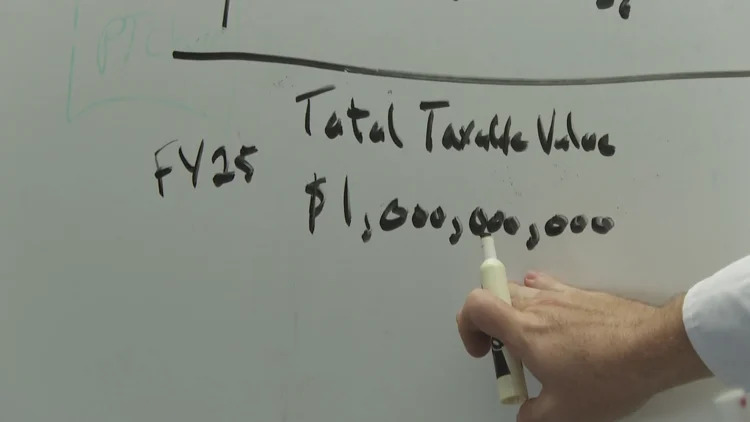
$150,000 Exemption Cutoff: Lee County Property Tax Relief Could Trigger Cost Shifts Elsewhere

A critical warning from local officials is casting a spotlight on the potential long-term fallout of upcoming legislative fiscal policy. Lee County Property Appraiser Matt Caldwell has issued a direct warning regarding proposed Lee County property tax relief measures, alerting the public that these sweeping changes may prompt municipal governments to restructure their revenue pipelines to offset deep projected deficits.

The upcoming constitutional amendment, slated for a definitive decision by Florida voters, seeks to significantly expand the state’s current homestead tax exemption threshold. While the measure promises immediate baseline relief for primary homeowners, fiscal administrators warn that local jurisdictions may respond by aggressively driving up alternative fees, commercial assessments, and non-exempt millage rates to prevent severe public service disruptions.

Structural Dynamics of the Proposed Exemption Expansion

The core philosophy driving the push for Lee County property tax relief relies on a multi-stage escalation of homestead protection boundaries. If approved by a supermajority of the electorate, the ballot measure will radically restructure how local ad valorem taxes are calculated on primary residences:

  • Phased Threshold Adjustments: The ballot amendment outlines a timeline that raises Florida’s current $50,000 homestead threshold to a staggering $150,000, ultimately climbing to a maximum baseline of $250,000 in subsequent years.

  • The Valuation Impact: Under this structure, property taxes would be effectively erased on primary homes assessed at or below these specific values.

  • Non-Homestead Adjustments: Concurrently, the measure introduces stricter caps for second homes, apartment complexes, and commercial facilities, reducing their annual property tax increase ceiling from 10% down to 5%.

While these changes are designed to provide a financial cushion for full-time residents navigating a flattening real estate market, macro-level economic assessments indicate the cumulative loss to public treasuries could approach billions of dollars statewide.

How Local Governments May Shift Lost Revenue

The primary concern voiced by Appraiser Caldwell centers on how individual municipalities and taxing districts will choose to plug the resulting gaps in their operating budgets. Because cities and counties rely heavily on ad valorem revenue to fund infrastructure maintenance, law enforcement, and regional emergency management, a steep drop in property tax collections will force tough choices.

Tax experts and appraiser data tables highlight two primary avenues through which local governments could distribute the fiscal burden:

1. Disproportionate Targeting of Commercial and Rental Units

Because businesses, rental properties, and multi-family apartment complexes do not qualify for homestead protections, local councils could increase standard millage rates up toward the state’s 10-mill cap. “Renters and small businesses, which aren’t homesteaded, will likely feel the brunt of it,” analysts warn. Landlords facing higher tax bills typically pass those expenses directly down to tenants, inadvertently driving up baseline housing costs.

2. Escalation of Non-Ad Valorem Special Assessments

To bypass traditional homestead exemptions completely, municipal staff could rely heavily on raising line-item fees that appear directly on annual property tax statements. These non-ad valorem assessments are immune to homestead exclusions and can be adjusted through local ordinances. Key lines highly vulnerable to cost shifting include:

  • Fire and Rescue Assessments: Dedicated fees used to fund regional first-responder stations and equipment procurement.

  • Hydrological Utility Charges: Stormwater system management and localized drainage infrastructure updates near the Gulf coast corridor.

  • Solid Waste Logistics: Municipal garbage collection, processing fees, and regional recycling operations.

Navigating the Autumn Budget Verification Window

Ultimately, the exact trajectory of this tax shift will rest in the hands of individual city managers and county commissioners. Local councils retain complete authority over whether to match the declining property tax revenue with deep, localized budget cuts or to aggressively scale up alternative user fees to maintain existing public service standards.

The formal property evaluation roadmap will shift into high gear on July 1, when the Property Appraiser’s Office officially certifies the comprehensive county tax roll. These certified valuation balances will serve as the mathematical foundation for taxing authorities as they host public budget workshops. Individual Notices of Proposed Property Taxes (TRIM notices) will land in mailboxes in mid-August, giving local real estate owners their first look at proposed millage rates and special assessments before final budgets are locked in this autumn.

Property Appraiser Perspective

“The homestead property owners will see savings. The question residents are going to have to figure out is what is the best way to pay for services or not have the services at all, ultimately.” – Matt Caldwell, Lee County Property Appraiser

For real-time exemption eligibility updates, interactive property value lookups, or detailed schedules of upcoming municipal budget hearings, property owners can inspect data tables directly via the Lee County Property Appraiser Portal.

Categories
SWFL Update

$40 Million Campus: New Fred Anderson Toyota Cape Coral Dealership Debuts with Record-Setting Sales

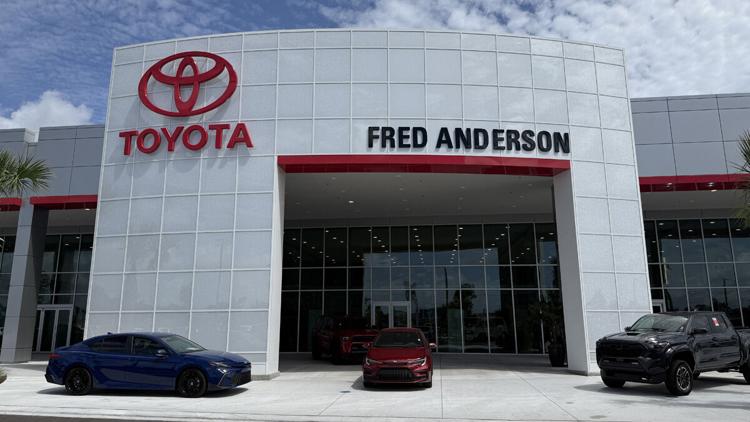
A monumental automotive expansion has officially rewritten the retail landscape of Lee County. Breaking a decade-long lull in regional brand expansion, the highly anticipated Fred Anderson Toyota Cape Coral dealership has opened its doors.

Located at 2025 NE Pine Island Road, this deployment marks the first time in ten years that Toyota has established a brand-new, open-point retail center anywhere in its Southeastern territory. The impact was immediate: during its very first month of operation following an April 7 launch, the flagship facility generated a staggering 400 vehicle sales, underscoring a massive, unmet consumer demand in Florida’s seventh-largest city.

Exceptional Features of Fred Anderson Toyota Cape Coral

The structural philosophy governing the new Fred Anderson Toyota Cape Coral facility focuses directly on high-volume capability and modern customer service. What began as a modest temporary recruitment trailer on the active construction site affectionately nicknamed the “Fred Shed” by crew members has been transformed into a state-of-the-art, permanent $40 million automotive campus.

The physical development metrics showcase a heavy commercial footprint tailored for maximum volume:

  • Acreage & Facilities: The modern complex covers 16 acres of high-value commercial real estate, anchoring a massive 83,000-square-foot main showroom, finance center, and service facility.

  • Workforce Assembly: General Manager Scott Rossi spearheaded the massive undertaking of recruiting, hiring, and onboarding a specialized team of 141 employees ahead of opening day.

  • Corporate Heritage: This facility represents the 20th overall dealership under the Anderson Automotive Group umbrella and their sixth dedicated Toyota point. Founded in 1955 by W.C. “Andy” Anderson, the family-owned enterprise is currently guided by third-generation CEO and President Michael Anderson, while his father, Fred Anderson, continues to serve as corporate chairman.

To quickly build long-term relationships with local drivers and welcome neighborhood service clients, the service department is currently offering a prominent buy-one, get-one-free oil change promotion.

Establishing Cape Coral’s Modern “Car Row”

The strategic positioning of the Fred Anderson Toyota Cape Coral facility capitalizes on a high-density retail corridor. Situated right next door to Nissan of Cape Coral and directly across the street from Cape Coral Chrysler Dodge Jeep Ram, the cluster effectively creates a high-volume, centralized automotive strip along Pine Island Road.

While the physical clustering of competing automotive brands was once considered an essential real estate rule, modern digital habits have fundamentally evolved. Because nearly 60,000 vehicles pass by this specific retail strip on an average daily basis, the physical proximity remains incredibly lucrative for impulse buyers and service clients. The location is flanked by heavy consumer draws like Walmart, Target, BJ’s, and Sprouts Farmers Market.

However, management notes that the modern buyer’s journey takes place online long before they ever step onto the physical lot. Contemporary data confirms that the average consumer spends roughly 16 hours conducting intensive vehicle research, reviewing trim specs, and comparing financing options on a laptop or mobile phone before physically visiting a showroom floor.

Red-Hot Consumer Demand for the 2026 Toyota RAV4

The digital-first nature of today’s buyers means that consumers generally know exactly which model, color, and option package they intend to buy the moment they walk through the door. Lately, an overwhelming percentage of those educated buyers have been hunting for the highly sought-after 2026 Toyota RAV4, which features an accessible starting base price of $31,900.

Sales associates report that regional consumer demand for the versatile crossover has completely outpaced standard factory allocations. The vehicle is selling out so rapidly that the dealership has resorted to keeping a pre-owned 2022 model stationed permanently on the interior showroom floor simply to give visiting guests a physical representation to evaluate.

According to official manufacturing specifications, the model delivers an exceptional EPA-estimated 48 mpg in city driving paired with 42 mpg on the highway. The stellar fuel efficiency has made it a top choice for daily commuters looking to minimize travel expenses across the Gulf coast corridor. The demand is so relentless that incoming units are routinely pre-sold and spoken for well before the transport trucks even arrive at the lot.

Dealership Management Perspective

“I’ve done this for 38 years… But I’ve never had the opportunity to open an open-point dealership until this one. To get one of these awarded is rare. The seventh-largest city in Florida didn’t have a Toyota store, and we are thrilled to anchor ourselves directly into this community.” — Scott Rossi, General Manager

For real-time inventory tracking, digital finance applications, or to book an express maintenance appointment at the new Cape Coral facility, drivers can explore options directly via the Official Fred Anderson Toyota Portal.

Categories
SWFL Update

4 Pillars of Success: Southwest Florida Tourism Rebound Defies Hurricane Losses

A profound economic stabilization is reshaping the hospitality landscape across coastal communities. Nearly four years after sustaining severe impacts from Hurricane Ian, data from the winter travel season confirms that a sweeping Southwest Florida tourism rebound is firmly underway.

Driven by a powerful combination of returning multi-generational vacationers and newly engineered, climate-resilient lodging options, regional destinations are experiencing a major surge in visitor metrics. From the pristine shelling shores of Sanibel Island to the high-end boutique strips of Naples, the entire corridor is transforming its operational narrative from long-term reconstruction to competitive market growth.

Rebuilding Momentum in Southwest Florida Tourism Rebound

The most telling indicator of the Southwest Florida tourism rebound is the massive climb in monthly tourist tax collections, often called the bed tax, across individual county jurisdictions. These localized revenue gains supply direct funding for beach nourishment projects, major spring training sports complexes, and regional marketing playbooks.

Lee County Surge

In Lee County, preliminary resort tax receipts posted consistent double-digit expansions throughout the peak winter travel window:

  • November & December Logistics: Revenue spiked by 13.6% in November and jumped an impressive 17.7% in December.

  • Early Winter Performance: Gains continued into the new year, posting a 15.7% lift in January and a 21.9% increase in February, with total collections climbing from $6.12 million to $7.47 million year-over-year.

  • Macro Volume: Total visitor arrivals from January through March surpassed approximately 1 million travelers, marking a 28% increase compared to the previous year. Concurrently, overall visitor spending reached an astounding $1.39 billion, backed by a 16% volume increase in registered room nights.

“Much improved over the last few years,” stated Tamara Pigott, the long-standing Executive Director of the Lee County Visitor & Convention Bureau (VCB), who recently announced her upcoming summer retirement after 33 years of county service. “Recovery, especially coastal recovery, is ongoing. But it does feel like we’ve turned the corner. We’re starting to put that conversation behind us and focus on how we can deliver the best experience to visitors.”

Divergent Regional Trends

While Lee County observed a smooth upward trajectory, neighbor profiles revealed varied timelines. Charlotte County’s bed tax took a brief 12% hit in November following secondary storm system disturbances from hurricanes Milton and Helene, though it quickly rallied to post a 7% rebound by February.

To the south, Collier County experienced an exceptional peak-season acceleration. Resort revenue soared from $4.88 million in January to $7.09 million in February—an enormous 45.2% single-month jump that highlights the robust demand anchoring the luxury sector in Naples.

Luxury Accommodations and Premium Price Drivers

A significant catalyst behind the accelerating values of the Southwest Florida tourism rebound is the entry of high-end international hospitality brands into the local real estate inventory. The current winter season marked the first full operational run for the highly anticipated Naples Beach Club, a premier Four Seasons Resort.

The entry of this single asset has created a prominent rising tide for local luxury metrics. Average daily room rates (ADR) at the complex consistently clear the $1,200 mark, with top-tier inventory like the resort’s five-bedroom presidential suite commanding up to $40,000 per evening during peak windows. This premium product presence helped push Collier County’s macro ADR from $485 to $499 year-over-year.

Crucially, project management notes that the economic impact is deeply tied to domestic area integration rather than isolated tourist spending. Highly sought-after on-site concepts like HB’s, The Merchant Room, and the beachside Sunset Bar have successfully drawn both destination guests and full-time residents, establishing a lively community social hub.

Evaluating Post-Ian Lodging Capacity and Infrastructure Limits

Despite the exceptional trajectory of the Southwest Florida tourism rebound, overall lodging inventory remains a primary constraint, particularly along the barrier islands where structural building codes are tightly managed.

  • The Baseline Deficit: Prior to the historic storm surge of September 2022, the sister islands of Sanibel and Captiva maintained a combined pool of 2,452 rentable rooms.

  • Current Operational State: As of the close of the spring season, active inventory has climbed back to 1,817 certified rooms. While representing an incredible engineering feat to reach 74% capacity from a complete baseline of zero on the day after landfall, it highlights a remaining gap in available market units.

  • The Extended Timeline: “The last 25% is the hardest,” warned John Lai, President and CEO of the Sanibel-Captiva Chamber of Commerce. “It’s buildings that haven’t come out of the ground yet. While we have sprinted to 74%, the rest is going to be a marathon. Maybe 90% is the new 100%.”

A key milestone supporting this island recovery is the formal reopening of the historic Shalimar Beach Resort along West Gulf Drive. Completely destroyed by the 2022 storm surge, the property has been entirely rebuilt from the ground up as a modern, resilient 33-room boutique destination. For returning visitors who have spent decades traveling to the area, the resort offers an important return to the intimate, low-density character of “Old Florida,” while meeting state-of-the-art building codes.

Spring Training Baseball and Coastal Excursions

The underlying traffic driving the Southwest Florida tourism rebound continues to rely on the timeless combination of pristine beaches, dependable sunshine, and Major League Baseball spring training. Long-time winter visitors frequently balance inland stays with day trips to the barrier islands to navigate around capacity restrictions while maximizing their vacation experiences.

The region’s two major Grapefruit League stadiums serve as powerful economic engines throughout February and March:

  • JetBlue Park (Fort Myers): The spring home of the Boston Red Sox operates as a near-exact replica of historic Fenway Park, complete with its own towering Green Monster outfield wall. The facility consistently draws capacity crowds, recently hosting a St. Patrick’s Day sellout crowd of 9,601 spectators.

  • Hammond Stadium (Fort Myers): Positioned just six miles away, the spring training grounds for the Minnesota Twins similarly observed strong turnouts, recently hosting 7,363 fans for a single matchup against the Pittsburgh Pirates.

With temperature differentials between midwestern origin cities and Southwest Florida occasionally tracking at a 70-degree spread, the baseline appeal of the market remains completely intact. As regional visitor bureaus transition to new leadership frameworks this summer, the structural baseline established by this record-setting winter season ensures the vacation sector is well-positioned for its next long-term cycle of market expansion along the Gulf.

Categories
SWFL Update

1 Major Milestone: New Babcock Ranch Curry Commerce Center Debuts to Power Regional Business

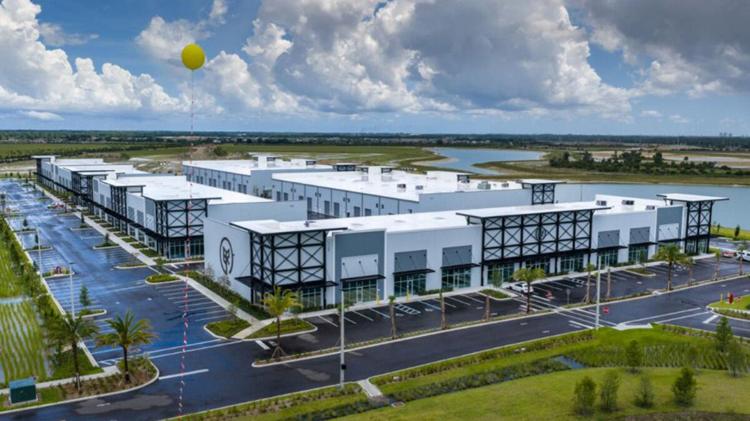
A major commercial expansion designed to solidify the economic infrastructure of America’s first solar-powered town has officially taken shape. Developers hosted a public kickoff preview celebration on May 28, 2026, to introduce the newly completed Babcock Ranch Curry Commerce Center.

The state-of-the-art facility brings 255,000 square feet of Class A commercial flex and light industrial space online. This massive development phase is engineered to support a highly diverse mix of regional enterprises, including executive offices, corporate showrooms, secure fulfillment warehouses, localized trades, and clean, light manufacturing operators.

The high-energy preview drew nearly 400 prospective business owners, local entrepreneurs, regional stakeholders, and residents. Tampa Bay Buccaneers kicker Chase McLaughlin joined Babcock Ranch founder Syd Kitson—a former NFL offensive guard for the Green Bay Packers and Dallas Cowboys—to headline the football-themed community gathering. The grand opening combined interactive property tours, custom tenant space walk-throughs, and a surprise performance by the Island Coast High School Marching Band.

Exceptional Features of the Babcock Ranch Curry Commerce Center

The structural philosophy governing the Babcock Ranch Curry Commerce Center focuses directly on sustainable corporate recruitment and long-term asset stabilization. The layout spans an eight-building concrete campus designed to seamlessly handle high-capacity logistics while matching the community’s strict aesthetic and green energy benchmarks.

  • Flexible Footprints: Individual suites offer highly customizable workspace options, stepping from compact 3,000-square-foot trade workshops up to massive 45,000-square-foot continuous operational layouts.

  • Industrial Infrastructure: Features standard 25-foot interior clear heights, heavily reinforced at-grade concrete slabs, and dedicated drive-in warehouse loading bays.

  • Leasing Incentives: To accelerate initial commercial occupancy, Kitson & Partners introduced an exclusive incentive where the first 10 newly signed tenants can qualify for up to one full year of free rent.

The complex is quickly drawing an array of key community resources. Early finalized tenants anchored at the park include Family Initiative—a specialized autism services center providing clinical therapy, behavior analysis, and family support groups—and Primer, a contemporary private K-8 microschool format combining flexible hybrid scheduling with classical learning models. Local operations like Concord Pools, Solar City Carts, and Sweet Science Boxing Fitness are also establishing physical spaces within the park.

Expanding the Sustainable Commercial Footprint

The debut of the Babcock Ranch Curry Commerce Center signals a critical transition toward full self-sustainability for the master-planned development. Positioned right along the State Road 31 growth corridor, the center provides seamless logistics access to the rapidly expanding consumer bases across both Charlotte and Lee counties.

“Babcock Ranch was always envisioned as far more than a residential community,” explained Syd Kitson, chair and CEO of Kitson & Partners. “As our population and business base continue to grow, Curry Commerce Center creates new opportunities for companies seeking modern, strategically located commercial space.”

This operational launch comes amid a historic sales window for the eco-focused community, which recently cleared its 6,000th residential home closing. Long-term municipal growth guidelines specify a master blueprint of 20,000 active residences paired with approximately 6 million square feet of purposeful retail, medical, and office infrastructure. The successful launch validates the sustained regional demand for climate-resilient infrastructure and lifestyle-oriented real estate investments near the Gulf region.

Seamless Integration of Multi-Use Urban Hubs

The new flex park adds an important operational pillar alongside a variety of other major commercial hubs currently shifting through advanced phases of building across the property:

  • The Shoppes at Yellow Pine: A recently finalized lakefront retail plaza anchoring prominent national retailers, local restaurants, and a comprehensive Tampa General Hospital urgent care center.

  • B Street Plazas: A posh, pedestrian-friendly downtown avenue currently under vertical construction, set to combine boutique shopping with upscale dining and modern urban loft spaces.

  • MidTown Expansion: The neighborhood is advancing site preparation for a massive second Publix-anchored grocery center alongside Florida Gulf Coast University’s state-of-the-art sustainability and innovation research facility.

By placing industrial trades, medical services, research campuses, and everyday retail within a tight, interconnected grid, the development successfully eliminates traditional commuter strain, paving an elegant path forward for modern real estate models.

Corporate Management Insight

“The strategic integration of light industrial space ensures commercial growth keeps pace with residential numbers, bringing sustainable careers, trade services, and distinct entrepreneurial opportunities directly to the community.” — Kitson & Partners Executive Briefing

For official leasing applications, updated construction timelines, or custom zoning rules governing the flex spaces, corporate entities can review data tables via the primary Kitson & Partners Commercial Portal.

Categories
SWFL Update

1 Direct Strategy: Sunshine Ace Hardware Hurricane Displays Boost Safety Prep Across Region

A proactive retail safety campaign designed to streamline emergency supply collection has officially rolled out across Southwest Florida. As the Atlantic storm season swings into its active period, regional home improvement retailer Sunshine Ace Hardware has introduced its localized “Hurricane Hub” centers across all regional store layouts.

These dedicated Sunshine Ace Hardware hurricane displays consolidate heavy commercial disaster hardware, personal survival supplies, and authoritative local safety literature into a single, high-visibility retail destination. The initiative is structured to encourage early household action, urging families to establish a resilient inventory baseline long before track cones enter the seasonal forecast.

Crucial Inventory Offered on Sunshine Ace Hardware Hurricane Displays

The underlying philosophy guiding the Sunshine Ace Hardware hurricane displays focuses on reducing the chaotic, high-stress panic buying that typically occurs 48 to 72 hours before a major coastal storm system makes landfall. By gathering necessary infrastructure tools in a highly organized, single-aisle shopping blueprint, the stores help shoppers systematically verify their household readiness checklists.

The specialized shopping hubs feature a comprehensive mix of life-safety tools, emergency recovery devices, and protective property management assets:

  • Primary Power Infrastructure: Heavy-duty portable generators, weather-resistant extension cords, gas canisters, and universal power banks.

  • Illumination & Signaling: High-lumen LED flashlights, durable area lanterns, and heavy quantities of specialized multi-use batteries.

  • Medical & Nutritional Assets: Comprehensive tactical first-aid kits, multi-day coolers, bulk drinking water cases, and shelf-stable hydration supplies.

  • Property Cleanup & Recovery: Heavy-duty structural tarps, industrial contractor cleanup bags, tie-down ropes, and specialized hand tools.

Beyond the retail items, the display centers function as local education anchors. Sunshine Ace has partnered directly with local media to supply completely free copies of the WINK News Hurricane Guide alongside official municipal emergency preparedness checklists. These print booklets provide families with immediate information regarding regional evacuation routes, emergency shelter locations, and local structural zones.

Shifting Consumer Habits Away from Panic Buying

The timeline for these seasonal setups runs through the heart of the summer, giving residents a multi-month window to audit their survival kits piece-by-piece. To further incentivize early preparation, Sunshine Ace is running store-wide entry giveaways through July. Shoppers visiting the hardware locations can enter to win premium disaster-readiness prizes, including high-capacity portable generators and fully loaded emergency survival kits.

This long-term retail strategy directly supports the warnings issued by regional emergency management agencies. “Residents should assess supplies before a storm enters the forecast rather than waiting until a hurricane threatens the region,” emphasized Sunshine Ace President Michael Wynn.

By building up basic reserves of batteries, clean water, and backup fuel during quiet weather windows, property owners can avoid long lines and supply shortages, while ensuring they have the tools required to secure their real estate investments near the Gulf.

Streamlining Community Preservation Efforts

By transforming standard commercial aisles into dedicated educational and supply hubs, the regional retail chain establishes a reliable framework for community resilience. This organized approach ensures that full-time families, local business owners, and arriving seasonal residents can easily obtain verified tracking data and code-compliant survival hardware in a single visit.

Residents looking to inspect the custom emergency hubs, sign up for the tool giveaways, or secure copies of the printable weather checklists can browse options across all regional neighborhood retail locations. For questions regarding active generator models, store hours, or real-time inventory updates, community members can coordinate directly with their nearest retail center.

Retail Safety Directive

“Residents should assess supplies before a storm enters the forecast rather than waiting until a hurricane threatens the region.” — Michael Wynn, President of Sunshine Ace Hardware

Categories
SWFL Update

2 New Spots: Fishermen’s Village Waterfront Dining Experiences Transformed

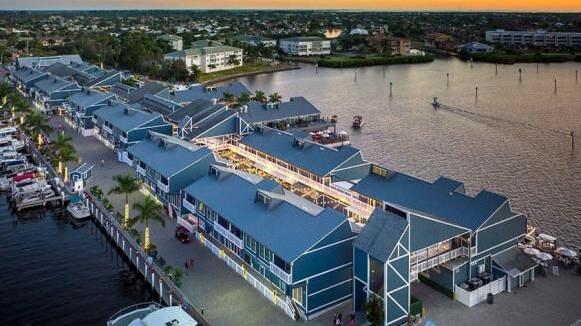
A massive structural restoration and branding overhaul is about to reshape the harbor front culinary landscape in Charlotte County. Locally owned Tidewater Hospitality Group has finalized its ambitious dual-concept redevelopment at the tip of the commercial wharf, introducing two spectacular avenues for Fishermen’s Village waterfront dining.

Taking over the historic footprints previously occupied by long-standing destination anchors Harpoon Harry’s and The Captain’s Table, the hospitality group will debut Latitude 26° on June 15, 2026, quickly followed by the launch of Castaways on June 29, 2026. While sharing the same physical waterfront address, each tier of the completely rebuilt facility is engineered to deliver a distinct social atmosphere and menu personality tailored to different coastal lifestyles.

Exceptional Features of Fishermen’s Village Waterfront Dining

The core philosophy governing this expansion of Fishermen’s Village waterfront dining relies on giving boaters, neighborhood families, and regional visitors a premium choice in how they experience Charlotte Harbor.

Latitude 26°: Elevated Coastal Gastronomy

Perched securely on the second level of the wharf structure, Latitude 26° introduces a polished coastal dining environment. Accessible by both an expansive open staircase and an upgraded guest elevator, the dining room has been framed with floor-to-ceiling glass paneling to offer unobstructed, panoramic views of the water while keeping guests in a fully enclosed, climate-controlled environment.

  • The Culinary Program: The kitchen will focus on high-end local seafood execution, hand-cut artisan steaks, slow-roasted prime rib, and a deeply curated wine cellar.

  • The Guest Philosophy: “We want guests to feel equally comfortable stopping in after a day on the boat, enjoying a sunset dinner overlooking Charlotte Harbor or spending a night out with friends and family,” stated Dave Beers, Chief Operating Officer of Tidewater Hospitality Group.

Castaways: High-Energy Dockside Bar & Grill

Sprawling across the first-floor deck directly below Latitude 26°, Castaways transitions the property into a high-volume, casual social hub. Engineered to embrace the open-air coastal lifestyle, this dockside layout reflects the continuous boat traffic and boardwalk activity defining the pier.

  • The Casual Program: The menu features traditional boat-side favorites, burgers, and handhelds paired with frozen signature cocktails—including their flagship tropical drink, the Shipwreck.

Complete Structural Overhauls for Fishermen’s Village Waterfront Dining

The operational roadmap for these updated entries to Fishermen’s Village waterfront dining took shape when local business leader Lew Bennett identified the vacant real estate opportunity and partnered with Dave Beers to construct the initial concept layouts. As the business plan matured, financial planner Michael Landsberg—a principal at Landsberg Bennett Private Wealth Management—joined the venture as a primary partner. The day-to-day operations are directed by a highly experienced, 11-member internal leadership group, including Hospitality Operations Director Joyce Beers and Culinary Operations Director Brent Morgan.

While the exterior dock networks were repaired as part of the commercial village’s macro-level hurricane recovery initiatives, the internal restaurant envelopes required complete structural remediation. Rather than executing a simple cosmetic refresh, Tidewater Hospitality Group stripped both levels entirely down to the raw concrete shell. Over months of intensive site building, contractors completely replaced and upgraded the core utilities:

  • Commercial Kitchens: Installing dual, high-capacity restaurant lines with modern ventilation hoods and grease traps.

  • Infrastructure Systems: Rewiring the entire electrical array, running new plumbing networks, and installing high-efficiency commercial HVAC units.

  • Safety & Logistics: Integrating contemporary point-of-sale systems, modern reservation software, and code-compliant emergency fire suppressors.

This thorough construction approach ensures that the new facility can support an expansive opening team of more than 300 newly hired hospitality workers, injecting vital job opportunities directly back into the local economy.

Standardized Operational Calendars for Harbor Visitors

To streamline visit planning for both lunch crowds and evening sunset seekers, both spaces will maintain mirrored operating schedules throughout the week.

  • Sunday through Thursday: 11:00 a.m. to 9:00 p.m.

  • Friday and Saturday: 11:00 a.m. to 10:00 p.m.

By respecting the deep decades-long history of the village spaces while simultaneously modernizing the mechanical and culinary infrastructure, the ownership team has created a resilient hospitality model. The combined presence of a casual dockside grill and an upscale seafood house guarantees that this iconic destination will continue to serve as a vital anchor for commerce near the Gulf region for generations to come.

Categories
SWFL Update

The Atlantic Hurricane Season 2026 Begins Today: What Island Residents Need to Know

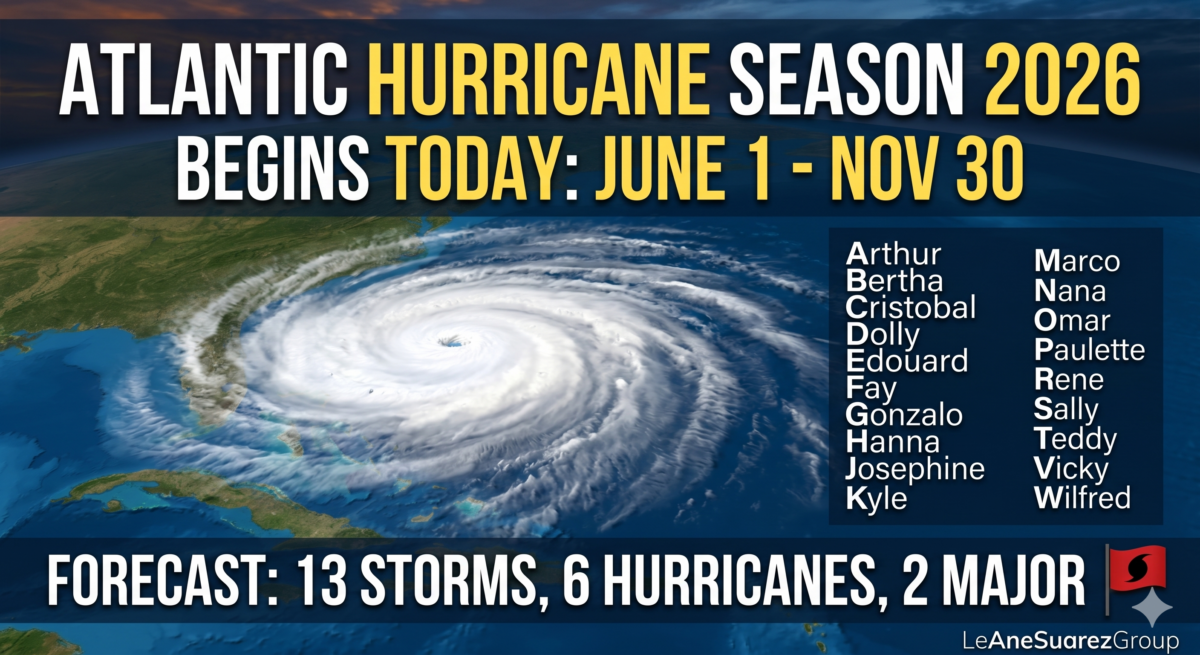
Today, June 1, 2026, marks the official start of the Atlantic hurricane season, running through November 30. For those of us living, working, and investing in Southwest Florida’s barrier islands, today serves as a vital yearly reminder to shift our focus toward proactive readiness, family safety plans, and property protection.

Meteorologists and researchers at Colorado State University (CSU) have issued their initial baseline forecast for the basin, projecting 13 named storms, 6 hurricanes, and 2 major hurricanes over the course of the season.

At the LeAneSuarezGroup, we know all too well that seasonal averages or quiet historical lulls are not a reason to let our guard down. It truly only takes one storm to make a major impact on our coastal communities.

In a nutshell: The 2026 Atlantic hurricane season officially kicks off on June 1. With a baseline forecast projecting 13 named storms and 2 major hurricanes, island property owners are urged to review the storm names list and update their emergency preparedness checklists today.

The Official 2026 Atlantic Storm Names List

The World Meteorological Organization rotates tropical cyclone name lists every six years to ensure clear, consistent public safety communication. If you are tracking tropical waves or storm developments this summer, here is the official alphabetical list of 21 names designated for the 2026 Atlantic basin:

  • Arthur

  • Bertha

  • Cristobal

  • Dolly

  • Edouard

  • Fay

  • Gonzalo

  • Hanna

  • Isaias

  • Josephine

  • Kyle

  • Leah

  • Marco

  • Nana

  • Omar

  • Paulette

  • Rene

  • Sally

  • Teddy

  • Vicky

  • Wilfred

Your Island Property Readiness Checklist

Mitigating risk and protecting your real estate assets on Sanibel, Captiva, or the nearby mainland begins well before the first tropical depression forms in the Gulf. Take the time this week to cross these essential steps off your checklist:

1. Audit Your Insurance Policies

Review your homeowner’s, windstorm, and flood insurance policies immediately to ensure your coverage limits reflect current market building costs. Remember, standard flood insurance policies issued through the National Flood Insurance Program (NFIP) carry a strict 30-day waiting period before coverage officially takes effect.

2. Check Your Shutters and Structural Integrity

Do not wait for a hurricane watch to test your storm protection. Clear tracking channels, oil heavy accordion hinges, and ensure all your impact-rated window panels or fabric shields are easily accessible and have matching mounting hardware.

3. Establish Your Evacuation Logistics

Know your designated evacuation zone and map out multiple travel routes away from low-lying coastal areas. If you own an island property but spend your summers out of state, ensure you have a trusted, local keyholder or property manager who can safely secure your outdoor furniture, lock your impact doors, and check the structural health of your home immediately after a storm passes.

At the LeAneSuarezGroup, we love our slice of paradise, and keeping it safe means staying informed and prepared. As we look forward to a beautiful summer and pray for a quiet, uneventful hurricane season, make safety your top priority today!

Categories
SWFL Update

Ignite Imagination: Unrivaled Lee County Library System Summer Reading Program Launches

An exceptional seasonal literacy initiative designed to unite the community and combat summer learning loss is officially arriving in Southwest Florida. The Lee County Library System summer reading program is set to launch its highly anticipated annual campaign, inviting participants of all ages to “Unearth a Story” from June 1 through August 1.

This comprehensive, system-wide event features an array of completely free branch performances, interactive challenges, and a dedicated book distribution effort. To encourage continuous engagement, every child and teenager who visits a participating branch this summer will be permitted to select a brand-new book to keep for their personal collection, available while supplies last.

Fantastic Core Goals of the Lee County Library System Summer Reading Program

The primary philosophy driving the Lee County Library System summer reading program centers on making structural literacy deeply enjoyable while nurturing a sustainable, lifelong love of independent learning. By embedding interactive, gamified milestones into the summer break, library staff can actively prevent the well-documented “summer slide”—a phenomenon where younger students experience a regression in reading comprehension between academic school years.

“The library is proud to offer a highly engaging summer reading experience that encourages every reader to explore the world around them and to develop new perspectives while fostering curiosity,” stated Library Director Mindi Simon.

To maintain maximum accessibility for busy families, the program provides a balanced mix of digital tracking and traditional offline participation methods. Regardless of the tracking method chosen, all participants who achieve their baseline milestones will be automatically entered into grand prize drawings at the end of August. These curated prize baskets will feature age-appropriate book bundles, high-quality art supplies, and creative learning materials.

Tracking Pathways: Digital Apps and Baseball-Themed Activity Sheets

The modern framework of the Lee County Library System summer reading program gives families complete control over how they document their literary progress throughout June and July.

1. The Virtual Tracking Experience (READsquared)

Participants can leverage technology by utilizing the free READsquared mobile application. This interactive portal allows users to log their active reading minutes, complete specialized educational “missions,” and track cumulative points toward their seasonal reading goals. The application features four distinctly tailored mission tracks:

  • Early Childhood: Birth to age 5, focusing on foundational vocabulary and parental read-aloud goals.

  • Elementary Scholars: Ages 6 to 11, blending independent reading tracking with basic science and art exploration.

  • Teens & Young Adults: Ages 12 to 18, introducing genre-specific challenges and creative writing missions.

  • Adult Track: Designed for mature readers to track contemporary fiction, historical pieces, and non-fiction studies.

2. The Traditional Paper Tracking Alternative

For families seeking a screen-free alternative, physical tracking sheets are available across all regional library desks. To ensure language equity across the diverse populations near the Gulf, these tracking tools are offered in both English and Spanish.

The physical challenge uses a high-energy baseball layout where readers literally “round the bases” as they check off specific literary milestones and research tasks. As a fantastic bonus for young readers, any participant between the ages of 6 and 18 who completes either the online or physical paper challenge sheet will secure a direct voucher for two free tickets to an upcoming Fort Myers Mighty Mussels professional baseball game, courtesy of a regional partnership with Suncoast Credit Union.

Interactive Schedules and Six Weeks of Dynamic Branch Events

The operational calendar for the Lee County Library System summer reading program is anchored by an initial wave of community kickoff parties running from now through June 6. Following these introductory celebrations, the branches will immediately pivot to a dense, six-week block of specialized, live educational entertainment.

  • Now – June 6: Summer Kickoff Phase – Regional branch launch celebrations, registration assistance, and book giveaways.

  • June 8 – June 19: Creative Fine Arts – Guided art workshops, hands-on craft exploration, and design methodology.

  • June 22 – July 3: Theatrical History – Live dinosaur performances featuring prehistoric replicas and interactive storytelling.

  • July 6 – July 17: STEM Foundations – Hands-on physics demonstrations, interactive chemistry labs, and ecosystem studies.

  • July 20 – July 31: Illusion & Literacy – High-energy magic presentations intertwined with logic riddles and reading themes.

These live experiences are carefully calibrated to ensure that children, teenagers, and parents can find engaging programming at their closest neighborhood facility. All workshops and performances are provided with zero admission fees, removing financial barriers to high-quality summer enrichment.

Fostering Long-Term Educational Growth

By combining physical book giveaways with local sports incentives and professional live entertainment, the Lee County Library System summer reading program establishes a premier example of community-supported youth development. This unified infrastructure ensures that local students return to their classrooms in the fall with sharp analytical skills, enhanced vocabularies, and a deeply reinforced habit of daily reading.

Complete digital registration instructions, branch-specific calendar schedules, and printable copies of the bilingual baseball tracking guides are hosted directly on the central municipal portal at the Lee County Government Library Network. For detailed information regarding group field trip accommodations or to connect with individual youth services coordinators, community members can reach out via the system’s core public communication channels.

Categories
SWFL Update

Grid Expansion 2026: Golden Gate Estates Bridge Contract Awarded for Critical Canal Crossing

A transformative link for eastern Collier County’s grid system is officially moving into the construction phase. On May 26, 2026, the Board of County Commissioners voted unanimously to award an $18,062,218.83 Golden Gate Estates bridge contract to Fort Myers-based Wright Construction Group Inc.

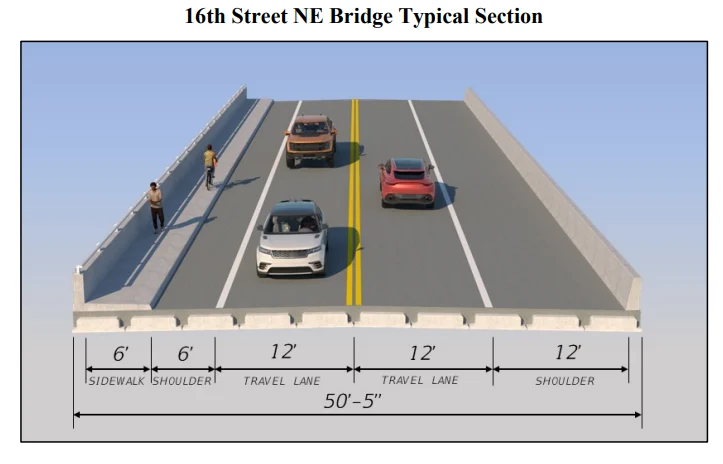
The long-awaited infrastructure project will construct a new bridge over the Golden Gate Main Canal along 16th Street Northeast, finally connecting Golden Gate Boulevard to Randall Boulevard. Wright Construction Group secured the contract as the lowest of five responsible bidders, kickstarting a vertical development timeline expected to take between 18 to 24 months to reach full completion.

Enhancing the Eastern Grid System

This critical canal crossing has been floating through regional planning phases for more than a decade. By creating a direct, standardized north-south connection over the expansive waterway, the county is actively targeting the historical traffic bottlenecks that challenge the interior acreage of the Estates.

“This has been long in the works and is really going to enhance the grid system in eastern Collier County and allow for traversability in a multitude of ways,” explained Acting Board Chair Bill McDaniel, the commissioner representing the district.

Beyond structural traffic relief, the completion of the bridge will trigger the activation of a highly anticipated, fully controlled traffic signal at the intersection of Randall Boulevard and 16th Street Northeast, positioned right at the main entrance of the Valencia Golf & Country Club neighborhood. To manage traffic flow safely, county documents confirm that this new light will remain inactive until the bridge structure formally opens to vehicle traffic.

  • Canal Infrastructure: Building a multi-lane concrete bridge spanning the Golden Gate Main Canal at 16th Street Northeast.

  • Lane Expansions: Widening the existing travel corridors to a standardized 11-foot lane width.

  • Shoulder Enhancements: Adding six-foot overall shoulders along the length of the project, which includes four feet of solid asphalt paving.

  • Pedestrian Utility: Installing a continuous, six-foot-wide concrete sidewalk along the entire construction corridor to safeguard local foot traffic.

A Blended Funding Stack: Local Taxes and State Grants

The financial modeling for the overall project is estimated to total $25.6 million once design, mitigation, and construction engineering inspections are factored in. The pure construction element represents $21.8 million of that total, which includes a built-in $1,444,977.51 reimbursement allowance to cover any unforeseen environmental or subsurface adjustments during excavation. Competing contractor submittals reviewed by the county’s primary design-engineering consultant, Tampa-based Kisinger Campo + Associates, ranged from a runner-up position of $19.68 million up to $26.2 million.

The funding stack draws from both local and state resources. Approximately $11,071,434.37 is covered directly by the county’s popular 1-cent infrastructure sales surtax, which local voters originally approved back in 2018 before the tax successfully expired on December 31, 2023. The remaining balance of the contract will be fulfilled via an infrastructure grant provided by the Florida Department of Transportation (FDOT) through the county’s dedicated Transportation Grant Fund.

Boosting Emergency Response and Real Estate Connectivity

From a logistical standpoint, the new canal crossing works in tandem with the massive, ongoing seven-mile extension of Vanderbilt Beach Road. Currently under construction by Sacyr Construction USA, that multi-million dollar thoroughfare runs from Collier Boulevard directly down to 16th Street Northeast, terminating between 10th Avenue Northeast and 12th Avenue Northeast.

When the Vanderbilt extension wraps up by the end of this summer, the dual alignment of these two projects will create an unprecedented commuter grid. For real estate investors managing single-family home portfolios in the interior sections of the Estates, this infrastructure surge significantly shortens daily trip times to downtown Naples, while drastically lowering emergency response windows for local fire and rescue teams.

To keep neighborhood frustrations to an absolute minimum, the county’s approved traffic maintenance plan guarantees that both active travel lanes of 16th Street Northeast will remain fully open to local drivers throughout the entire construction cycle. No detours, prolonged road closures, or bridge shutdowns are written into the construction schedule. Minor driveway modifications and brief, temporary disruptions will be handled one-on-one with property owners sitting immediately adjacent to the bridge approaches.

Infrastructure Timeline Note

The initial design and planning phase for this specific canal tie-in officially launched in 2022 following the structural approvals granted by commissioners in 2017. Comprehensive environmental permitting and final right-of-way acquisitions at the Randall intersection are fully completed, clearing the way for heavy machinery to mobilize on-site within the coming weeks.

Categories
SWFL Update

Historic Step: McCollum Hall Fort Myers Redevelopment Plan Wins Approval

For historic preservationists and community advocates in Southwest Florida, the newly approved McCollum Hall Fort Myers redevelopment plan marks a defining moment for the Dr. Martin Luther King Jr. Boulevard corridor. On May 27, 2026, the Fort Myers Community Redevelopment Agency (CRA) Board voted unanimously to advance a realistic, two-story conceptual design aimed at breathing new life into the iconic 1938 landmark.

The decision marks a critical turning point for the property, which has sat vacant since the early 1970s. After multiple private development attempts stalled over the years due to market fluctuations and financial gaps, the CRA has taken firm leadership of the structure. By prioritizing community-driven feedback, the agency has established a buildable, rentable template designed to return this Chitlin’ Circuit landmark to its rightful place as the cultural pulse of the Dunbar neighborhood.

A “Humble” and Buildable Architectural Strategy

The new blueprint, drafted by local historic preservation specialists Parker Mudgett Smith Architects, deliberately avoids the over-complicated, cost-prohibitive schemes of the past. “What you’re going to see today might be a little more humble than previous schemes, but it’s how you get things done,” Jeff Mudgett, the firm’s president, explained to the board.

To ensure the structure functions smoothly while preserving its classic Art Deco personality, newer operational components—such as the commercial kitchen and advanced stage mechanics—will be built out at the rear of the property. This structural layout allows the building’s historic brick facade to remain beautifully unaltered along the streetscape.

Ground Floor: A Fusion of Dining and Live Performance

The ground level is engineered to blend high-end neighborhood hospitality with a dynamic live entertainment space:

  • The Restaurant Space: A 160-seat restaurant anchor will occupy the front of the hall, featuring large windows overlooking the intersection of Dr. MLK Jr. Boulevard and Cranford Avenue.

  • The Performance Stage: A multi-use music and performing arts hall will feature enough open floor space to host 200 seated or 300 standing guests. The space is scaled to host acoustic sets, stand-up comedy, and intimate, “black box”-style theater productions.

  • The Mezzanine View: A small second-floor interior balcony will wrap over the main stage, adding a layer of historic theater charm.

Second Floor: Preserving Community Spaces and Creative Expression

The upper level of the McCollum Hall Fort Myers redevelopment is dedicated entirely to local talent and neighborhood gatherings, ensuring that the legacy of original builder Clifford “Buck” McCollum Sr. is directly honored.

The second-floor footprint features a state-of-the-art recording studio tailored for local musicians and podcasters, alongside a flexible 100-person multipurpose room reserved for neighborhood assemblies, cultural lectures, and private events. An elevator will provide full accessibility up to a premium rooftop deck. Mudgett envisions utilizing this open-air space for sunset cocktail mixers, private wedding receptions, and acoustic jazz sets under the stars.

Project Layout and Space Specifications

Facility Component Planned Level Location Guest Capacity Standard Primary Cultural Function
Main Restaurant Anchor Ground Floor (Frontage) 160 Seated Guests Full-service dining overlooking the MLK corridor
Performing Arts Stage Ground Floor (Rear) 200 Seated / 300 Standing Music, live theater, and cultural events
Multipurpose Assembly Hall Second Floor 100 Persons Community meetings, educational workshops, and private parties
Creative Recording Suite Second Floor Specialized Footprint Digital audio production and local artist incubation
Rooftop Terrace Deck Roof Access Fluid Capacity Special dining events and open-air musical performances

Expanding the Footprint: Retail Centres and Parking Additions

One of the biggest hurdles facing past iterations of the McCollum Hall Fort Myers redevelopment was a critical lack of physical acreage for parking and logistics. The CRA systematically resolved this bottleneck through the targeted acquisition of an adjacent 0.68-acre vacant lot, effectively securing an expanded footprint.

This expanded property footprint will be utilized to construct a formal, beautifully landscaped parking lot to handle evening performance traffic. Additionally, the space will anchor a brand-new, two-story, 24,000-square-foot office and retail center. Built to complement the main hall, this secondary commercial building will house six to eight long-term business tenants, providing a direct incubator space for neighborhood entrepreneurs. The CRA also plans to host a public hearing July 22 to acquire an additional lot west of the hall on Cranford Avenue.

Fulfilling the Search for Dedicated Operators

With the conceptual phase officially authorized, the CRA is shifting focus toward selecting long-term operating partners. Staff members are formally advertising a competitive request for proposals (RFP) to secure two distinct specialists: a professional restaurateur to manage the ground-floor dining concept and an experienced entertainment coordinator to oversee the performance calendar. The submission window for both roles closes on June 29, 2026, with public candidate evaluations scheduled for July 22, 2026.

While a definitive construction timeline will be established in phases, the financial architecture of the project is supported by a solid funding stack. The capital will draw from the Dr. Martin Luther King Jr. Boulevard Trust Fund, federal New Markets Tax Credits (NMTC), grants, and a $4.2 million infrastructure repair commitment previously approved by the Fort Myers City Council in June 2025.

By steering the project directly through public channels, local leaders are ensuring that the McCollum Hall Fort Myers redevelopment will serve as a permanent economic catalyst for the Dunbar community and the broader Gulf region for decades to come.

CRA Leadership Reference

“We need to move forward and whatever it takes to get this done I’m hoping that this city will support it, will continue to support this project, and that the CRA can move forward in making sure this gets done.” — Teresa Watkins Brown, CRA Board Chair