Categories
Uncategorized

Major Shift: Southeast Lee Plan Land Use Changes Advance to County Commission

Lee County’s long-term strategy for managing growth across its rapidly developing inland corridor is undergoing a major structural overhaul. The Lee County Local Planning Agency (LPA) voted unanimously to advance a comprehensive set of Southeast Lee Plan land use changes, shifting from piecemeal property approvals to a holistic planning model for the region.

The policy update arrives after developers submitted 11 individual land-use amendment requests for the Southeast Lee Plan since 2023. Rather than reviewing each parcel in isolation, Principal Planner Katherine Burgess urged planning members to evaluate the entire corridor cohesively. The proposed revisions now move to the Lee County Board of County Commissioners for final public hearings and adoption votes.

Introducing Preservation & Innovation Categories

While large master-planned residential communities have expanded across the Density Reduction/Groundwater Resource (DR/GR) zones in southeast Lee County, commercial centers and job-creating hubs have lagged behind. The primary goal of the Southeast Lee Plan land use changes is to prevent sprawling strip-mall development patterns while encouraging high-value commercial, light industrial, and recreational uses.

To guide future proposals, county planners established two new specialized land-use categories:

1. Preservation & Innovation Category

Designed for commercial and industrial hubs along major transit corridors:

  • Mandatory Infrastructure: Requires direct connection to central water and sewer utilities.

  • Roadway Access: Properties must front major collector or arterial roads.

  • Environmental Standards: Mandates significant open-space preservation and natural area restoration.

  • Housing Exclusion: Strictly prohibits residential housing within this specific designation.

2. Conservation Community Category

Geared toward low-density residential integration:

  • Density Restrictions: Caps residential density at a maximum of 1.15 homes per acre.

  • Utility & Open Space Mandates: Requires central utility hookups alongside substantial preserved open space.

During the LPA hearing, board members unanimously approved adding the State Road 82 Freeman Industrial property to the Preservation & Innovation category while removing the Bonita Beach Commercial parcel from the Southeast Lee Plan map. Decision-makers delayed consideration on removing the Daniels Tradeport Industrial site for further review.

Stakeholder Reaction: Balancing Growth and Conservation

Reactions to the proposed amendments reflected a careful dialogue between development representatives and environmental advocates. Planning consultants praised the framework for balancing economic expansion with environmental safeguards. Alexis Crespo of RVi Planning + Landscape Architecture, which submitted six of the 11 amendment requests, noted that the proposal offers a practical balance between resource protection and business investment.

Environmental organizations offered cautious support:

  • National Audubon Society: Policy Specialist Marissa Figueroa supported the framework but emphasized that any increase in allowable density must be permanently tied to enforceable conservation protections.

  • Sanibel-Captiva Conservation Foundation (SCCF): Policy Director Matt DePaolis commended the proactive planning concepts, noting that while the changes represent positive forward planning, they cannot undo past development impacts across sensitive recharge zones.

Alignment with Regional Growth Trends

Updating the Southeast Lee Plan complements broader municipal and commercial investments taking shape across Southwest Florida. As infrastructure demands grow in eastern Lee County and Lehigh Acres, creating localized job centers reduces commuter congestion along primary thoroughfares.

Southeast Lee Plan Update Overview

Planning Advisory: The Local Planning Agency is scheduled to evaluate additional technical revisions to the broader Lee Plan later this month before the Board of County Commissioners schedules a final adoption vote.

Planning Metric Revisions & Policy Guidelines
Primary Framework Southeast Lee Plan land use changes
Core Objective Shift from 11 piecemeal amendments to a holistic corridor plan
Preservation & Innovation Mandates utilities, major road frontage, open space; excludes residential
Conservation Community Requires central utilities and limits housing density to 1.15 units/acre
Key Approved Map Shifts Added SR 82 Freeman Industrial; removed Bonita Beach Commercial

For official land-use maps, meeting transcripts, or commission hearing schedules, residents can review documentation hosted on the Official Lee County Community Development Portal.
Categories
Uncategorized

High-Octane Vision: 1 Hyper Club Eastern Collier County Motorsports Proposal Unveiled

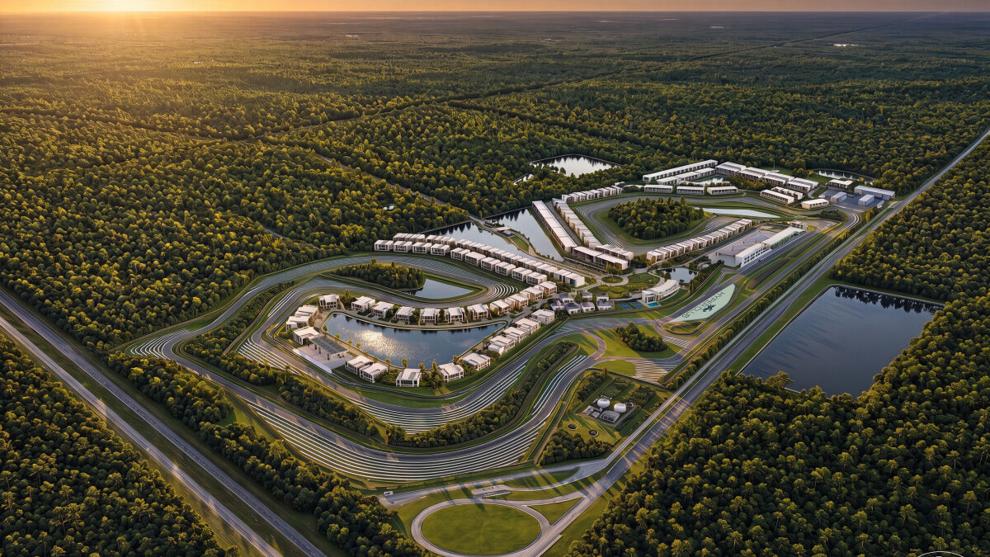
The Hyper Club eastern Collier County motorsports project has officially entered the public review phase, proposing a transformation of a historic 542-acre automotive testing facility into Southwest Florida’s premiere private driving sanctuary. Filed under the Naples Racing Resort Planned Unit Development (PUD) Amendment, Naples entrepreneurs Bruce Bond and John DeAngelis are seeking municipal and federal approvals to convert the long-standing Florida Evaluation Center at 5301 34th Ave. SE—located near Interstate 75 (Alligator Alley) and Desoto Boulevard South—into a luxury automotive community.

Purchased in March 2024 by Naples Racing Resort LLC for $10 million, the site carries a rich 40-year automotive testing heritage. Originally developed in 1985 by Ford Motor Company, the secure proving ground was later operated by Harley-Davidson and Chrysler (Stellantis) to validate high-performance vehicles, including Dodge Viper and Hellcat prototypes. The proposed redevelopment seeks to preserve this automotive legacy while adding resort-style amenities, private vehicle storage, and exclusive residential opportunities near the Gulf coast corridor.

Apex-Designed Circuits and Luxury Member Amenities

The centerpiece of the Hyper Club eastern Collier County motorsports master plan features two interconnected performance circuits engineered by Apex Circuit Design—the world-renowned firm behind the Miami Formula 1 Grand Prix circuit. These new handling tracks will seamlessly integrate with the property’s legendary 2.1-mile straightaway, creating a combined 4.2-mile driving layout.

Beyond world-class asphalt, the proposed PUD amendment outlines an array of high-end lifestyle amenities:

  • Up to 100 Residential Dwelling Units: Offering limited luxury living opportunities exclusively to club members.

  • 10 Lodging Casitas & 20 Transient Units: Designed to accommodate automotive manufacturers, testing engineers, and visiting guests.

  • Auto Condominiums & Vehicle Storage: Providing up to 400 secure climate-controlled units for car collectors and track enthusiasts.

  • Private Clubhouse & Wellness Hub: Complete with fine dining, resort-style swimming pools, pickleball courts, and fitness facilities.

  • 35,000-Square-Foot Public Safety Facility: Donating four acres to the Collier County Sheriff’s Office for K-9 training areas, an indoor shooting range, and an active law enforcement presence.

Balancing Environmental Concerns and Conservation Habitat

While developers emphasize that more than 70% of the 542-acre site will remain open space—preserving existing wetlands, lakes, native vegetation, and perimeter fencing—the project faces scrutiny from environmental groups.

The South Florida Wildlands Association submitted a formal petition to the U.S. Army Corps of Engineers bearing nearly 8,900 signatures, urging federal regulators to deny the project’s wetland impact permit. Environmental advocates argue that developing 142 acres of wetlands near the Florida Panther National Wildlife Refuge could disrupt critical panther corridors through increased noise, lighting, and traffic. Developers maintain that maintaining the existing automotive footprint and perimeter buffers respects the land’s history while minimizing off-site ecosystem impacts.

Regulatory Path and Regional Economic Alignment

The proposal must undergo rigorous concurrent reviews by the Collier County Planning Commission, the Board of County Commissioners, the U.S. Army Corps of Engineers, and the U.S. Fish and Wildlife Service. If approved, Hyper Club will join a growing collection of high-profile private lifestyle investments shaping Southwest Florida.

To see how this luxury motorsports proposal interacts with broader regional growth and real estate trends, explore our analysis of the Southwest Florida housing market FGCU report or review our breakdown of Collier County tourism performance. Furthermore, to track how buyer preferences are shifting across local luxury communities, read our guide on Naples HOA fees and homebuying decisions.

Hyper Club Master Project Snapshot

Regulatory Status: The project remains in the active review phase; municipal land-use hearings and federal environmental assessments will take place before any site construction permits are granted.

Project Metric Details & Specifications
Primary Project Identity Hyper Club eastern Collier County motorsports
Site Location & Size 542 Acres at 5301 34th Ave. SE, Naples, FL
Track Architecture 2.1-Mile Existing Straightaway + 2 Apex-Designed Circuits (4.2 Miles Total)
Residential & Storage Scope Up to 100 Residential Units, 20 Transient Units, 400 Auto Condos
Habitat Preservation >70% Preserved as Open Space, Wetlands, and Natural Buffers

For official project filings, environmental study updates, or land-use hearing schedules, interested residents can monitor details on the Collier County Growth Management Portal.

Categories
Uncategorized

Promising Shift: Historic 4.7% Florida Unemployment Rate June 2026 Data Signals Relief

The Florida unemployment rate June 2026 data officially fell to 4.7%, marking the state’s very first monthly jobless rate decline since late 2024. Released by the Florida Department of Commerce, the latest economic update shows a welcome 0.1 percentage point dip from May’s 4.8% level, bringing cautious optimism to business leaders, policymakers, and job seekers across the Sunshine State.

During the month, Florida employers expanded payrolls by 11,100 net nonagricultural jobs (+0.1%), pushing total state nonfarm employment past 10.03 million positions. While the statewide jobless metric remains slightly above the national unemployment rate of 4.2%, the stabilization in hiring indicates that the state’s labor force is actively absorbing steady population growth near the Gulf and Atlantic coasts.

Dissecting Industry Trends: Healthcare and Education Lead Gains

A closer inspection of sector-by-sector performance shows that Florida’s employment engine continues to be powered by essential services. The education and health services sector recorded the largest annual gain statewide, adding 39,000 jobs (+2.5%) over the trailing twelve-month window.

The industry breakdown highlights several notable hiring trends across Florida’s economy:

  • Education and Health Services: Gained 39,000 jobs over the year, driven by expanding hospital networks and outpatient care clinics.

  • Professional and Business Services: Expanded by 13,400 positions (+0.8%), reflecting sustained demand for corporate administrative and technical expertise.

  • Leisure and Hospitality: Rebounded with 8,700 annual additions (+0.7%) as regional hotels and dining venues prepared for summer travel volumes.

  • Transportation, Warehousing, and Utilities: Added 4,100 jobs in June alone, stabilizing supply chain operations across the peninsula.

Conversely, higher interest rates and shifting corporate budgets triggered modest contractions in select sectors. Financial activities lost 12,900 jobs over the year, government employment declined by 10,500 positions, and residential construction shed 3,200 roles amid elevated borrowing costs.

Southwest Florida Regional Breakdown: Local County Impacts

While the aggregate Florida unemployment rate June 2026 statistics trended downward statewide, local labor markets across Southwest Florida experienced varied conditions. All three coastal counties in the region posted jobless rates higher than their year-ago baselines, reflecting seasonal summer lulls in tourism and ongoing real estate rebalancing.

The unadjusted county-level metrics for Southwest Florida paint a clear, scannable picture:

  1. Collier County (Naples MSA): Recorded a 4.8% unemployment rate, benefiting from steady healthcare and luxury hospitality staffing.

  2. Lee County (Cape Coral-Fort Myers MSA): Registered a 5.1% unemployment rate, influenced by inventory adjustments in homebuilding and trades.

  3. Charlotte County (Punta Gorda MSA): Posted a 5.8% unemployment rate, pointing to localized economic pressure in the surrounding market.

Despite these localized headwinds, strong demographic trends continue to insulate the broader region. To understand how population inflows interact with local employment trends, read our comprehensive report on the Florida net inbound moving searches demand surge. Furthermore, to see how local real estate stress intersects with Charlotte County’s 5.8% jobless figure, review our analysis of the Punta Gorda foreclosure rates midyear report.

Macroeconomic Outlook and Municipal Context

State economic analysts note that while the single-month decline in the Florida unemployment rate June 2026 report is a positive indicator, Florida’s total number of unemployed residents stands at approximately 525,000 out of a broader civilian labor force of 11.14 million. As regional municipalities navigate changing revenue streams and workforce demands, fiscal management remains a top priority. For an in-depth look at how local governments are balancing infrastructure investments with shifting labor dynamics, review our detailed breakdown of the Fort Myers fiscal year financial performance report.

Florida June 2026 Labor Market Overview

Economic Note: Statewide unemployment figures are seasonally adjusted to account for recurring summer hiring fluctuations, whereas county-level statistics are unadjusted.

Regional Market Zone June 2026 Jobless Rate Monthly Rate Shift Primary Growth Sector
State of Florida (Overall) 4.7% Down 0.1% from May Education & Health Services (+39K)
Collier County (Naples) 4.8% Up from 2025 baseline Healthcare & Hospitality
Lee County (Fort Myers) 5.1% Up from 2025 baseline Professional Services & Retail
Charlotte County (Punta Gorda) 5.8% Up from 2025 baseline Trade & Transportation

For detailed regional labor statistics, industry employment tables, and county workforce data, review official releases on the FloridaCommerce Labor Market Information Portal or explore career training resources at CareerSource Florida.

Categories
Uncategorized

$44M Upgrade: 6 New Gates Open in Punta Gorda Airport Terminal Expansion

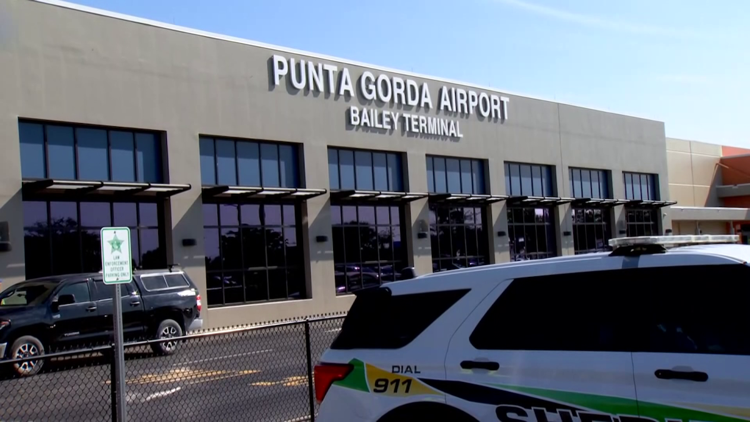
The Punta Gorda Airport terminal expansion project is rapidly approaching a major operational milestone as airport officials prepare to open six brand-new departure gates by mid-August. This $44 million capital development initiative at the Bailey Terminal (PGD) is engineered to accommodate record-breaking passenger growth, easing summer travel congestion across Charlotte County and the surrounding Southwest Florida region.

Driven by an ongoing influx of leisure travelers, seasonal residents, and new business operators moving toward the Gulf coast, the airport authority launched the ambitious multi-phase project to modernize passenger infrastructure. By adding wider pedestrian concourses, expanded holding areas, and increased restroom capacity, the airport is significantly increasing its daily passenger throughput capacity while maintaining seamless, uninterrupted flight schedules.

Expanding Gates, Concourses, and Passenger Comfort

The structural improvements delivered by the Punta Gorda Airport terminal expansion focus heavily on improving the overall traveler experience. To stay on schedule, dedicated construction crews have been operating seven days a week, executing heavy structural work behind secure dust barriers while thousands of passengers navigate the active terminal each day.

The multi-million dollar expansion delivers a comprehensive, scannable array of physical upgrades:

  • Six New Passenger Gates: Expanding total gate capacity to accommodate increased flight frequencies from primary carrier Allegiant Air and prospective regional airlines.

  • Spacious Waiting Lounges: Adding hundreds of modern seating stations featuring integrated USB and AC power charging outlets.

  • Expanded Hallways and Restrooms: Doubling corridor widths to streamline foot traffic during peak departure banks and adding climate-controlled restroom facilities.

  • Upgraded Security Checkpoint Zones: Streamlining TSA screening queues to reduce wait times during busy holiday travel periods.

Upgraded Dining Options and Retail Outlets

In addition to physical gate capacity, the Punta Gorda Airport terminal expansion introduces an expanded concession layout designed to give travelers diverse dining and shopping options. Rather than relying solely on basic grab-and-go kiosks, the modernized post-security concourse will host several high-profile national brands and local dining concepts.

Key food, beverage, and retail additions coming to the terminal include:

  • Wolfgang Puck Restaurant: A full-service seated dining concept offering gourmet chef-curated entrees, craft cocktails, and quick-serve items.

  • Post-Security Dunkin’: Providing hot coffees, baked goods, and breakfast sandwiches directly adjacent to departure gates.

  • Expanded Travel Retail Hubs: Larger newsstands and boutique retail spaces offering local Florida souvenirs, travel accessories, and electronics.

During active construction, temporary concession stations remain open to serve passengers, ensuring uninterrupted access to food and beverages while final build-outs are completed.

Supporting Regional Economic Momentum and Travel Demand

The rapid physical expansion of PGD reflects broader economic transformations taking place across Charlotte County and the wider Southwest Florida area. As regional travel demand surges, modernizing transportation gateways is essential to supporting local tourism, hospitality, and real estate development.

This aviation infrastructure overhaul directly aligns with strong regional migration patterns and growing commercial investment. To trace how regional economic trends are shaping local real estate, review our analysis of the Punta Gorda foreclosure rates midyear report or examine the high migration demand outlined in our report on Florida net inbound moving searches. Furthermore, to see how other local municipalities rank for new residents, check out our coverage of the Cape Coral first-time homebuyer market ranking.

Long-Term Completion Timeline

With the initial six gates scheduled to go live by mid-August, airport management will transition into the final construction phases of the project. The complete $44 million Punta Gorda Airport terminal expansion project including all finished retail storefronts, permanent dining venues, and baggage handling upgrades is targeted for full completion by late 2026 or early 2027.

Terminal Expansion Project Snapshot

Traveler Advisory: Passengers flying out of Punta Gorda Airport during the ongoing construction phase are encouraged to arrive two hours prior to domestic departures, as temporary concourse detours remain in effect.

Project Metric Specifications & Details
Primary Facility Identity Punta Gorda Airport terminal expansion (PGD)
Total Capital Investment $44 Million Comprehensive Infrastructure Budget
Mid-August Milestone Activation of 6 New Departure Gates & Concourses
Target Full Completion Late 2026 / Early 2027
New Concession Partners Wolfgang Puck Restaurant, Dunkin’, Expanded Retail Outlets

For official flight schedules, parking availability tools, or terminal maps, passengers can review resources directly on the Official Punta Gorda Airport Portal.

Categories
Uncategorized

Inspiring Swing: Shy Wolf Sanctuary Charity Golf Scramble Set for Sept. 26 at Heritage Bay

The Shy Wolf Sanctuary charity golf scramble has officially opened registration for its sixth annual edition, uniting golf enthusiasts and animal advocates across North Naples. Scheduled for Saturday, September 26, 2026, the fundraiser will take place at the picturesque Heritage Bay Golf & Country Club (10154 Heritage Bay Blvd).

This beloved annual event directly funds the nonprofit’s core mission: providing lifelong care, medical shelter, and rehabilitation for rescued captive-bred exotic animals and unreleasable wild animals. From wolfdogs and panthers to gopher tortoises and exotic foxes, the sanctuary serves as a vital refuge for animals that have been neglected, abused, or abandoned.

Tournament Schedule and Golfer Package Details

The Shy Wolf Sanctuary charity golf scramble is structured as an inclusive, four-person team scramble designed for players of all skill levels. The event schedule ensures a full day of friendly competition, community networking, and fundraising games:

  • Registration & Check-In: Doors open at 7:30 a.m., giving players time to warm up at the practice facilities.

  • Shotgun Start: The main tournament begins promptly at 8:30 a.m.

  • Luncheon & Awards: Players gather in the clubhouse at 1:00 p.m. for a catered lunch, followed by raffle drawings, silent auction results, and contest prize announcements starting around 1:30 p.m.

Registration fees are set at $200 for individual golfers or $700 for a complete foursome. Every registration package includes greens fees, golf cart usage, professional bag handling, entry into course contests, a custom event swag bag, and full access to the awards lunch.

How Tournament Proceeds Fuel Animal Care and Community Outreach

The funds raised during the Shy Wolf Sanctuary charity golf scramble directly power the sanctuary’s day-to-day operations and long-term expansion goals. Operating on a 2.5-acre property in Naples supported by dozens of dedicated volunteers, the organization provides specialized diets, veterinary care, and habitat enrichment for dozens of permanent residents.

Beyond animal care, proceeds help fund the sanctuary’s therapeutic community outreach programs, including the Healing Hearts & Minds initiative, which connects rescued animals with veterans, at-risk youth, and seniors facing trauma or hardship.

This charity tournament adds to a vibrant calendar of local sports, real estate developments, and community initiatives across Lee and Collier counties. To see how other local organizations are making a difference across the region, explore our detailed report on the Tunnel to Towers 5K south Fort Myers event or review our comprehensive analysis of the Elevate SWFL sports hub Bonita Springs project to track regional sports and wellness investments.

Event Overview & Registration Summary

Registration Notice: Player capacity is limited to ensure a smooth pace of play on the course; golfers and prospective corporate sponsors are encouraged to secure their spots early.

Event Metric Tournament Details
Primary Beneficiary Shy Wolf Sanctuary Education & Experience Center
Event Location Heritage Bay Golf & Country Club, Naples, FL
Date & Time Saturday, Sept. 26, 2026
Entry Pricing $200 per Golfer / $700 per Foursome
Included Amenities Green fees, cart, bag handling, swag bag, contests, catered lunch

For team registration, sponsorship packages, or volunteer opportunities, players can visit the Official Shy Wolf Golf Scramble Registration Portal.

Categories
Uncategorized

Unstoppable Growth: Florida Net Income Migration Propels State to 14th-Largest Global Economy

The economic engine of the Sunshine State has officially cleared a historic threshold on the international stage. According to a landmark data release from the Florida Chamber Foundation, Florida’s gross domestic product (GDP) has accelerated to an estimated $1.8 trillion. This massive valuation officially establishes Florida as the 14th-largest economy in the entire world when evaluated as an independent nation.

This newly minted position means Florida has successfully surpassed the sovereign national economies of both Australia and Mexico in total wealth production. The milestone marks an aggressive leap forward for the state’s long-term corporate development strategy, keeping the region firmly on track toward the primary goal of the Florida 2030 Blueprint—which seeks to position the state as a top 10 global economic superpower by the end of the decade.

Tracking the Trajectory to the Global Top 10

The underlying data indicates that the state’s economic rise is driven by exceptional, broad-based growth across both traditional service sectors and high-tech corporate expansions. According to the Foundation’s economic research team, Florida’s GDP experienced a robust 6.3% expansion over the past year alone.

This high-velocity pacing positions the state to continue climbing the global leaderboard through the remaining quarters of the decade. The upcoming milestones highlight the exact percentage jumps required to continue this upward march:

  • Targeting the No. 13 Slot: To successfully overtake South Korea for the 13th spot, the state requires just a minor 2% additional boost in overall economic output.

  • The Blueprint Top 10 Target: Overtaking Canada which currently commands the coveted 10th-largest economy position worldwide will require an estimated 21% in cumulative economic expansion.

The Powerhouse Drivers Behind Florida’s Economic Lead

What truly anchors this historic $1.8 trillion milestone is a collection of key performance indicators where Florida outpaces every other state in the nation. Chief among these structural drivers is the massive wave of Florida net income migration. Wealthy families, out-of-state corporate executives, and remote professionals are continuously relocating to the state, injecting billions of dollars of fresh capital directly into local financial markets and residential real estate portfolios.

This relentless influx of capital has transformed the state into the nation’s premier incubator for business development and labor expansion. The Florida Chamber Foundation’s report details a highly competitive, scannable breakdown of the state’s top national rankings:

  • No. 1 in Net Income Migration: Leading the United States in attracting out-of-state household wealth and personal investment capital.

  • No. 1 in New Business Startups & Relocations: Serving as the absolute top destination for entrepreneurial launches and corporate corporate campus migrations.

  • No. 1 in Manufacturing Job Growth: Outperforming historic industrial states by aggressively expanding advanced technology, aerospace, and medical device assembly lines.

  • No. 1 Higher Education System: Consistently ranked as the nation’s premier public university and state college network for talent development.

  • No. 1 in Black-Owned Businesses: Fostering the most diverse, high-growth minority entrepreneurship ecosystem in the country.

  • The Debt Advantage: Maintaining the absolute lowest state debt per capita in the nation, giving the state immense financial health and shielding it from sudden budgetary crunches.

Converting Corporate Success Into Measurable Social Progress

Florida Chamber President and CEO Mark Wilson emphasized that this macro-level validation provides definitive proof that a commitment to free enterprise, minimal regulatory barriers, and low tax metrics yields tangible benefits for everyday citizens. Rather than isolating this wealth within corporate boardrooms, the sustained economic boom has funneled vital revenues into long-term infrastructure overhauls, advanced workforce training pathways, and localized community safety nets.

Most notably, since the formal launch of the Florida 2030 Blueprint framework, the state has witnessed a dramatic decline of more than 155,000 children living in poverty. This critical social metric highlights how high-velocity job creation effectively uplifts vulnerable family units.

To see how these historic statewide economic expansions are actively translating into localized real estate pivots and commercial developments right here in our coastal neighborhoods, you can explore our comprehensive analysis of the recent $500K East Naples private golf club proposal to track how developers are investing new capital into high-end regional properties.

Global Economic Standing Fact Sheet

Economic Analyst Advisory: While these global GDP comparisons explicitly demonstrate the sheer size and output velocity of Florida’s economic engine, the Chamber’s model is based on raw economic volume and does not adjust for localized cost-of-living variables or household income distribution.

  • Estimated State GDP: $1.8 Trillion comprehensive economic output.

  • Global Rank Position: 14th largest economy worldwide, sitting ahead of Australia and Mexico.

  • Annual Velocity Metric: 6.3% economic expansion recorded over the trailing twelve-month window.

  • Core Strategic Target: Achieving a top 10 global position by 2030 by overtaking Canada’s current output baseline.

For detailed regional labor statistics, interactive county-by-county growth tracking tools, or to download the upcoming 2026 Business & Economic Mid-Year Report, industry analysts can evaluate the metrics hosted on the Official Florida Chamber Foundation Data Portal.

Categories
Uncategorized

Groundbreaking Near: Fort Myers Beach Pier Construction Timeline Targets Late Summer 2027 Reopening

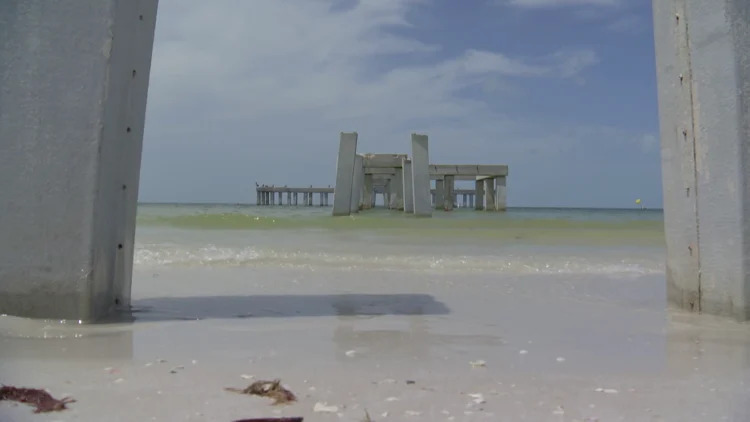
The complex logistical journey to restore Southwest Florida’s most famous coastal landmark has taken a decisive leap toward active heavy construction. Nearly four years after the historic fury of Hurricane Ian completely severed the structure from the Estero Island shoreline, Lee County administrative staff and project engineering teams are officially moving into the final stages of pre-construction field operations.

Following the critical environmental and state regulatory permit clearances secured last month, project coordinators recently wrapped up a formal, routine pre-construction site inspection right at the pier’s physical footprint. This on-site review brought together county infrastructure planners, environmental compliance managers, and marine contractors to finalize the placement of staging zones and equipment paths before heavy machinery arrives on the sand. While immediate vertical building is still a few steps away, local leadership announced that a formal public groundbreaking ceremony will be unveiled shortly, signaling the start of the final building phase.

Expedited Tracking Targets an Accelerated August 2027 Debut

The most significant update for regional business operators, coastal real estate investors, and eager beachgoers centers on the optimized Fort Myers Beach Pier construction timeline. Originally, initial complex reviews by the U.S. Army Corps of Engineers and environmental agencies projected that a full public opening would be delayed until the summer of 2028.

However, by leveraging dedicated marine construction expertise and establishing high-priority processing channels at the county level, administrators successfully shaved an entire year off the initial estimates. If marine construction crews maintain their current operational schedules through the upcoming winter and spring quarters, the fully rebuilt landmark is projected to officially reopen to the public by late summer 2027 (targeting August 2027).

The multi-agency pre-construction alignment details a clear, scannable look at the next active phases:

  • Groundbreaking Ceremony Launch: A public event is being scheduled to celebrate the formal arrival of heavy pile-driving equipment to the coast.

  • Offshore Staging Setup: Heavy construction barges, specialized crane platforms, and defensive turbidity barriers will deploy directly into the Gulf waters to anchor sub-surface piles safely.

  • Lynn Hall Memorial Park Integration: Aligning staging areas to minimize the loss of public beach parking spaces while work proceeds.

  • Expedited Materials Delivery: Scheduling high-strength, wind-resistant precast concrete piles and structural timber shipments to match the accelerated schedule.

A $17.1 Million Investment in Structural Resilience

The community’s multi-year patience is yielding a significantly larger, more advanced public asset designed to easily withstand future intense weather events. Rather than opting for a cheap, basic replacement of the legacy wood configuration, the Lee County Board of County Commissioners committed to a premium $17.1 million expanded design.

The new pier will extend roughly 1,000 feet into open water, adding an extra 415 feet of linear length and expanding the walking deck to 12 feet wide. This expanded space maximizes capacity for sightseeing, deep-water fishing, and sunset photography. The project relies on an $11 million funding commitment from the Federal Emergency Management Agency (FEMA), with the county covering the remaining shortfall through localized Tourist Development Tax revenues harvested directly from regional hotel and vacation rental bookings.

Restoring this massive tourism driver will bring immediate economic benefits to the adjacent Times Square commercial core. To see how these major coastal investments connect with broader infrastructure and transportation updates rolling out across the region this season, you can review our comprehensive progress report on the Lee County sidewalk infrastructure improvements Leo updates to monitor nearby pedestrian pathway expansions before the groundbreaking rush begins.

Pier Reconstruction Milestones & Project Parameters

Public Notice: The upcoming groundbreaking ceremony will be fully open to the public; county parks staff will establish temporary safety viewing zones to ensure spectators can witness the historic launch safely.

  • Total Financial Capital Investment: $17.1 Million comprehensive structural budget.

  • Rebuilt Dimensions Blueprint: 1,000 feet total linear length (+70% expansion) | 12 feet walking deck width (+50% wider).

  • Core Funding Composition: $11 Million FEMA federal disaster appropriation paired with local Tourist Development Tax allocations.

  • Targeted Reopening Window: Late Summer / August 2027, beating the original timeline by one full year.

For real-time webcam links of the beach staging zones, official groundbreaking ticket alerts, or to review the complete engineering blueprints, property owners can monitor the summaries hosted on the central repository at the Official Town of Fort Myers Beach Capital Projects Hub.

Given that the county accelerated the Fort Myers Beach Pier construction timeline by a full year to hit a late summer 2027 opening, do you believe that investing $17.1 million to build a significantly larger, wider pier is the single most effective way to restore the historic tourism economy of Times Square?

The Fort Myers Beach Pier Rebuild Funding Update offers a valuable local broadcast report detailing how the required federal funding clears the way for this accelerated construction timeline.

Categories
Uncategorized

Sweet Return: Norman Love Chocolate Making Classes Launch in Fort Myers Factory Experience

The landscape of interactive culinary arts is shifting into high gear inside Lee County’s premier confectionery hub. Norman Love Confections has officially announced the highly anticipated return of its exclusive Norman Love chocolate making classes, giving local dessert enthusiasts, culinary students, and seasonal travelers a rare look inside the world of ultra-premium artisan chocolates.

Taking place directly on the production floor of the brand’s main south Fort Myers chocolate factory at 11380 Lindbergh Blvd., these intensive, hands-on masterclasses give participants the unique opportunity to work alongside master chocolatiers. By opening its high-tech laboratory walls to the public, the internationally acclaimed brand aims to demystify the meticulous chemistry and artistic styling required to produce award-winning European-style truffles.

Logistics, Staging, and Core Curriculum Architecture

The instructional strategy behind the returning Norman Love chocolate making classes moves away from simple, look-on demonstrations toward an immersive, individual workstation model. The corporate pastry team has locked in a premium schedule spanning the late summer and autumn months:

  • Summer & Fall Date Trajectories: Sessions are officially booked for August 15 and 29, September 12 and 26, and October 10, 2026.

  • Time Parameters: Each highly focused intensive runs for exactly three hours, beginning promptly at 2:00 p.m.

  • The Sweet Reward: Attendees will master the technical steps needed to design, fill, and successfully seal their own customized collections, finishing the day by packing up approximately 30 handcrafted bonbons to take home.

The rigorous, scannable curriculum maps out the exact multi-step process used in commercial boutique production:

  1. Hand-Coloring Mold Mechanics: Students will learn the delicate art of airbrushing and hand-painting polycarbonate molds using colored cocoa butter to achieve the brand’s trademark high-gloss, jewel-like exterior finish.

  2. Casting Liquid Chocolate: Instructors will guide participants through the precise temperature windows required to properly temper premium liquid chocolate, ensuring a crisp, clean snap upon the first bite.

  3. Preparing Gourmet Ganache Fillings: Master chefs will deconstruct the emulsion rules needed to build rich, velvety ganache cores using high-percentage cream, fresh fruit purées, and exotic spices.

Securing an Entry Slot in the Limited Factory Grid

Tuition for the three-hour factory session is set at $125 per person. Because the specialized workshop layout utilizes commercial tempering machinery and professional cooking stations, capacity is strictly capped to guarantee a low student-to-teacher ratio. The classes are open exclusively to guests ages 18 and older, making them a perfect choice for adult birthday celebrations, upscale team-building events, or a distinct afternoon activity close to the coast.

Due to the extreme popularity of the brand’s seasonal events, advance registration is required, and slots are expected to fill rapidly once the registry portal goes live. Participants are highly encouraged to wear comfortable, close-toed footwear appropriate for a commercial culinary environment, as they will be actively standing at marble work surfaces throughout the afternoon.

By keeping these premier educational experiences anchored right along the local industrial transit corridors, the brand continues to elevate the culinary profile of the region near the Gulf coast. To align your upcoming weekend schedules with other major retail adjustments and fresh dining options hitting the U.S. 41 corridor this season, you can review our complete summary of the Whataburger south Fort Myers location to explore new fast-casual developments arriving this autumn.

Masterclass Operational Summary

Registration Notice: Because the tempering and casting processes require immediate, uninterrupted structural timing, participants must arrive at least 15 minutes prior to the 2:00 p.m. start time to complete mandatory check-in and safety gowning protocols.

  • Primary Venue: Norman Love Confections Corporate Factory, 11380 Lindbergh Blvd., Fort Myers, FL.

  • Active Class Dates: Aug. 15 & 29 | Sept. 12 & 26 | Oct. 10 operating from 2 p.m. to 5 p.m.

  • Tuition Parameter: $125 flat registration fee per student, including all raw ingredients and specialized packaging.

  • Age Restriction: Limited strictly to mature participants ages 18 and older due to heavy commercial equipment use.

For immediate digital seat reservations, to purchase gift certificates for upcoming sessions, or to view the full holiday flavor lineups, confectionery lovers can inspect the data summaries updated daily on the Official Norman Love Confections Event Registry.

Categories
Uncategorized

Incredible Milestones: Naples Botanical Garden Conservation Seed Bank Tops 1M Stored Seeds

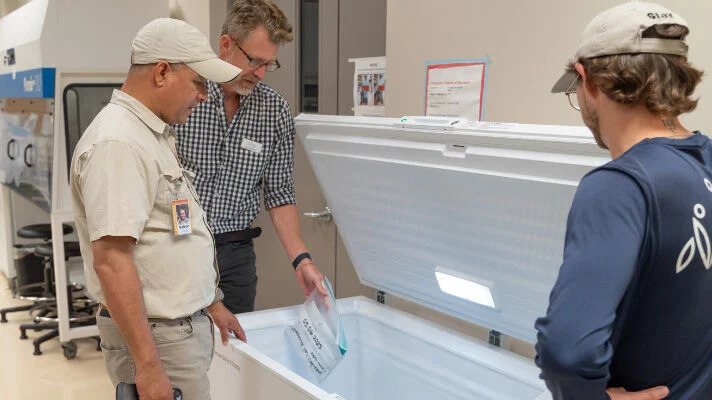
A historic defense mechanism safeguarding Southwest Florida’s vulnerable ecosystem has officially cleared a monumental operational threshold. Scientists leading research initiatives at the Naples Botanical Garden conservation seed bank confirmed they have surpassed 1 million distinct seeds securely locked within their specialized repository.

This major ecological milestone establishes a critical genetic safety net for the region’s native flora. By maintaining a high-capacity, climate-controlled vault, the botanical institution acts as a living insurance policy against extinction. The facility preserves essential biological blueprints that can be immediately deployed to reconstruct devastated coastal habitats following catastrophic environmental disruptions like hurricanes, extreme floods, and lightning-staged wildfires.

Mapping the Diversity of the Genetic Vault

The organizational layout within the Naples Botanical Garden conservation seed bank focuses on capturing a representative snapshot of native regional flora. The repository contains seeds from 166 distinct plant species, accounting for roughly 15% of the total documented flora found naturally throughout Collier County.

The symbolic one-millionth seed added to the security vault was harvested from the woolly lupine, a highly rare, striking native wildflower that grows exclusively along the elevated, ancient sand ridges of the peninsula. Beyond this milestone wildflower, the collection contains several other highly imperiled, scannable botanical assets:

  • Beach-Elder (Iva imbricata): A critical coastal dune stabilizer that anchors shifting sands, protecting upland real estate blocks from severe tropical storm surge erosion.

  • Florida Scrub Frostweed (Crocanthemum nashii): A rare, fire-dependent perennial herb that thrives exclusively within endangered, high-elevation white sand scrub pockets.

  • Twospike Crabgrass (Digitaria pauciflora): A critically imperiled grass variant native to specialized pine rockland openings, facing immediate threats from rapid suburban development.

A Crucial Buffer Against Climate Shifts and Habitat Loss

The primary motivation behind accelerating the Naples Botanical Garden conservation seed bank operations is the rising threat of habitat fragmentation. As real estate development continues to expand across inland acreage, native plant populations are increasingly isolated into smaller, vulnerable micro-climates.

When these shrinking natural clusters are hit by rising sea levels near the Gulf, or face extended inland droughts, their natural capacity to regenerate diminishes. The seed bank addresses this vulnerability by cataloging seeds from diverse geographic populations. This approach ensures that future reintroduction projects possess the necessary genetic diversity to withstand shifting weather parameters and novel plant diseases.

To see how these botanical preservation efforts align with broader coastal conservation and park modernizations currently underway across the region, you can review our comprehensive report on the $13.4 million Lee County beach restoration projects to stay updated on public land and ecosystem investments.

Conservation Repository Data Summary

Scientific Staging Notice: To ensure seeds remain viable for decades, laboratory teams utilize specialized desiccation chambers to reduce internal seed moisture content below 7% before freezing the samples at a strict -20°C baseline.

Conservation Metric Institutional Status Regional Ecosystem Impact
Total Stored Seed Volume Exceeded 1,000,000 Seeds Ensures long-term restoration capacity after natural disasters.
Species Diversity Count 166 Independent Species Represents approximately 15% of all native Collier County flora.
Featured Milestone Asset Woolly Lupine (Lupinus villosus) Preserves a rare native wildflower specialized for sand ridge survival.
Primary Project Objective Climate & Development Mitigation Safeguards imperiled species from rising sea levels and urban growth.

For direct digital access to the complete native species catalog, interactive regional habitat distribution maps, or to register for upcoming conservation volunteer workshops, community members can review data summaries directly via the Official Naples Botanical Garden Research Portal.

Categories
Uncategorized

Fort Myers Municipal Property Tax Rates Held Low Amid 20.4% Net Position Jump

The structural stability of Lee County’s commercial and residential landscape has reached another impressive milestone. According to the newly released Popular Annual Financial Report (PAFR) issued by city auditors, the City of Fort Myers successfully supercharged its overarching fiscal position over the past twelve months.

The comprehensive financial brief confirms that the city expanded its net position a core metric evaluating operational health by subtracting total liabilities from overall assets by a striking 20.4% to hit $600.4 million during fiscal year 2025. What makes this balance sheet expansion exceptional for local real estate portfolios and business owners is that municipal leadership generated this equity jump while maintaining some of the most competitive Fort Myers municipal property tax rates in Southwest Florida.

Breaking Down the City’s Core Liquid Reserves

The underlying data within the PAFR highlights a well-balanced distribution of capital across independent municipal funds. This targeted positioning ensures that the administration can comfortably fund ongoing community programs, adapt to changing climate vulnerabilities, and maintain robust financial safety nets.

The city’s core liquid assets present an orderly, highly scannable map of corporate stability:

  • Governmental Fund Balances: The city’s combined governmental fund reserves climbed by 8.6% to reach $141 million, proving that near-term operational revenues outpaced structural expenditures.

  • Unrestricted Net Position: The highly liquid tier of capital which is completely free from long-term legal allocations and can be actively deployed for future emergency obligations settled at a healthy $59 million.

  • Total Asset Accumulation: Driven by escalating property values and strategic public property holdings, the city’s gross asset matrix reached an institutional peak of $1.31 billion.

Low Fort Myers Municipal Property Tax Rates Protect Homeowners

The primary takeaway for regional property developers, corporate commercial tenants, and single-family homeowners centers on the city’s conservative approach to millage adjustments. To shield local households from inflation pressures, administrators successfully locked in the direct city tax rate at 7.6305 mills.

This millage rate positions the local jurisdiction as an incredibly attractive haven for incoming real estate capital compared to competing coastal markets along the Gulf. Because the port authority and city management operate with tight expenditure boundaries, Fort Myers can maintain these low Fort Myers municipal property tax rates without sacrificing municipal service quality, reducing emergency response capabilities, or deferring vital utility modernizations.

Heavy Multi-Million Dollar Capital Project Reinvestments

Rather than simply hoarding cash reserves to inflate the balance sheet, city planners actively mobilized $63.8 million into capital projects during the fiscal cycle. This substantial infrastructural capital injection was distributed directly into expanding high-demand public transit corridors, replacing older wastewater pipelines, and modernizing public park footprints to keep pace with the region’s expanding population grid.

A significant portion of these investments focused on improving public alternative transportation options and community pedestrian safety. To see how these local infrastructure dollars are actively being deployed on the ground this season, you can review our detailed progress report on the Lee County sidewalk infrastructure improvements to monitor ongoing pathway updates before planning your local commute.

Fiscal Year 2025 Financial Performance Grid

Financial Transparency Notice: The Popular Annual Financial Report is explicitly compiled by the municipal finance department to deconstruct complex audited data from the comprehensive Annual Comprehensive Financial Report into a simplified, easy-to-read summary for everyday citizens and local business owners.

Audited Financial Indicator FY2025 Value Year-Over-Year Change
Total Net Position $600.4 Million Increased by 20.4%
Governmental Fund Balances $141.0 Million Increased by 8.6%
Unrestricted Net Cash Assets $59.0 Million Sustained Reserve Stability
Active Capital Reinvestment $63.8 Million Deployed Into City Infrastructure

For direct digital access to the full line-item financial tables, historical millage rate charts, or to download a copy of the complete annual report, community members can check data summaries directly via the Official City of Fort Myers Financial Transparency Portal.