When it comes to Sanibel vs Captiva boating real estate, your choice of island is dictated by your vessel’s draft and your destination. While both islands offer unparalleled access to the Gulf, the navigation requirements vary significantly. In 2026, with new seagrass protection zones and updated channel markings, choosing the right dockage is more technical than ever.
Are you looking for the deep-water access of the Roosevelt Channel, or the serene, protected canals of Sanibel’s East End? Let’s break down the 2026 boating reality for island homeowners.
Sanibel Island: Protected Canal Living
Sanibel is famous for its intricate canal systems, particularly on the East End. These man-made waterways offer incredible protection from storm surges and provide a “backyard marina” feel that is hard to find elsewhere.
Key Considerations for Sanibel Boaters:
- Bridge Clearances: Many Sanibel canals require passing under bridges (like the Periwinkle Way bridges). If you have a tall flybridge or a sailboat mast, you must focus on “Direct Access” homes that do not have bridge restrictions.
- The East End Advantage: Canals near Shell Harbor and Sanibel Isles offer the quickest transit times to San Carlos Bay and the Gulf.
- Draft Limits: While most canals are maintained, some interior sections can be tidal-dependent for boats drawing more than 3 feet.
Captiva Island: The Yachtman’s Choice
Captiva is generally considered the “Deep Water” alternative. Because the island is narrower and sits directly against the Roosevelt Channel and Pine Island Sound, it caters to larger vessels and serious offshore anglers.
Why Captiva Dominates the Luxury Boat Market:
- No Bridge Restrictions: Most bayfront homes on Captiva offer “tall mast” access, making it the premier choice for the sailing community and large motor yachts.
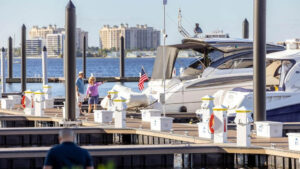
- Roosevelt Channel: This deep-water artery provides a protected harbor for yachts up to 60+ feet, with many docks offering shore power and high-speed lifts.
- Direct Gulf Access: From the North End/South Seas, you are minutes away from Redfish Pass, providing the fastest access to the open Gulf for offshore fishing.
2026 Boating Specs: Sanibel vs. Captiva
Understanding the “Carry” of a boating property includes knowing the water depth and transit times.
| Feature | Sanibel Canals | Captiva Bayfront |
|---|---|---|
| Average Depth | 3 – 5 Feet (Tidal) | 6 – 10+ Feet (Deep) |
| Bridge Access | Frequent (Check Heights) | Rare/Open Access |
| Vessel Type | Pontoons, Center Consoles | Large Yachts, Sailboats |
The 2026 Regulatory Environment
Florida’s environmental protections have evolved. As a boat-owning homeowner, you need to be aware of two specific 2026 updates:
- Manatee Zones: Slow-speed zones are strictly enforced from November to April. Sanibel’s back-bay areas have extensive “No Wake” zones which can add 15-20 minutes to your transit time.
- Dock Permitting: If you buy a home with the intent to install a new lift or expand a dock, the permitting process in 2026 involves strict seagrass surveys. Captiva’s “rip-rap” shorelines often have different permitting hurdles than Sanibel’s man-made canal walls.
Expert Verdict: Where Should You Dock?
Choose Sanibel Island if: You value a quiet, “Old Florida” canal feel, you enjoy back-bay fishing for snook and redfish, and you have a vessel with a draft under 3 feet.
Choose Captiva Island if: You have a yacht or sailboat that requires deep water, you want the fastest possible access to the Gulf, or you want to be part of the vibrant South Seas boating community.
LeAne’s Advice: “I always tell my boating clients: Don’t buy the house until we’ve checked the tide charts for that specific dock. A beautiful home is less fun if you can only get your boat out four hours a day!”
Ready to find your dock? Below is the live feed of waterfront homes with Gulf access.
Click here to view all waterfront properties
Want a private tour by boat? Contact LeAne or Alec to schedule a waterfront property showing from the water—the best way to see the islands.