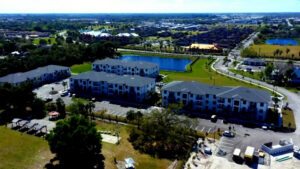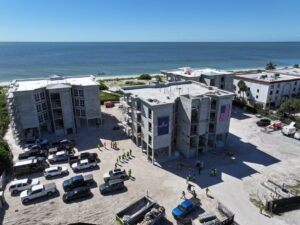
For tenants searching for a new lease along Florida’s Gulf coast, the balance of power has officially shifted. According to the highly anticipated third-quarter RentPulse report from Apartments.com, the Southwest Florida apartment rent discounts are currently the steepest in the entire country. As a massive wave of new multifamily housing construction reaches completion across the region, an unprecedented oversupply of units is placing intense pressure on regional landlords and corporate property managers. To fill these vacant luxury and mid-tier units, leasing offices are being forced to offer aggressive financial concessions, giving renters significant leverage at the negotiating table. Whether you are relocating to the Paradise Coast for the first time or simply looking to upgrade your current living situation, the current market dynamics represent a rare financial opportunity in an otherwise expensive coastal real estate landscape.
The Data Behind the Southwest Florida Apartment Rent Discounts
The numbers coming out of the Southwest Florida real estate market are staggering when compared to historical leasing trends. Driven by a historic, multi-year multifamily construction boom from 2023 to 2025, regional inventory has drastically outpaced immediate tenant demand. To avoid sitting on empty units, property managers are utilizing massive Southwest Florida apartment rent discounts often deployed in the form of “months free” rent or waived administrative fees to get leases signed.
According to the Q3 2026 RentPulse index, Naples officially leads the United States in rental concessions, with landlords offering discounts that average an incredible 12.9% below their advertised asking rents. Just a few miles to the north, Fort Myers closely follows as the second most heavily discounted market in the entire nation, with rental concessions averaging 11.5%.
Beyond just one-time leasing specials, the sheer volume of available apartments is actively driving down baseline pricing. The report highlights that overall rents in Fort Myers have declined by 3.3% year-over-year. For renters, this means the gap between what a luxury apartment is officially listed for online and what a tenant actually pays out-of-pocket over the course of a 12-month lease is wider than it has been in years.
National Leasing Context vs. the Paradise Coast
The aggressive concessions found in Lee and Collier counties stand in stark contrast to broader national trends. Nationally, the rental market is actually beginning to tighten. The Q3 report notes that the overall U.S. apartment vacancy rate fell to 7.8% its lowest level since late 2023 indicating that the broader country is beginning to successfully absorb the pandemic-era construction boom.
While the national concession rate did rise slightly to 4.2%, it pales in comparison to the double-digit discounts currently available in Naples and Fort Myers. This severe market split highlights the unique nature of Southwest Florida’s housing boom, where developers aggressively pulled permits to capitalize on the massive post-2020 migration, resulting in a temporary glut of high-end, multi-story apartment complexes competing fiercely for a finite pool of qualified renters.
What a Construction Slowdown Means for Renters and Investors
While it is undeniably a renter’s market today, economic forecasts suggest that this window of extreme leverage may eventually close. As fluctuating interest rates, rising construction costs, and localized land availability severely impact developer profit margins, the regional commercial construction pipeline has begun to cool significantly.
Economic analysts project that a sustained slowdown in new ground-up apartment construction will eventually allow the region’s steady population growth to absorb the excess inventory. As those thousands of vacant units are gradually filled by migrating retirees and working professionals over the next year or two, renters will likely see prices begin to stagnate, and those lucrative double-digit concessions will become far less common as supply normalizes.
This multi-family housing dynamic is unfolding at the exact same time the single-family residential market is experiencing its own unique, contrasting shifts. While apartments sit empty waiting for tenants, private home inventory in Collier County is actually plunging. To see how detached housing is performing in contrast to the apartment sector, check out our recent analysis of how Naples area home sales are rising despite a 17% drop in active listings. Additionally, for a look at where new residential development is currently focused, review the recent surge in Charlotte County single-family building permits.