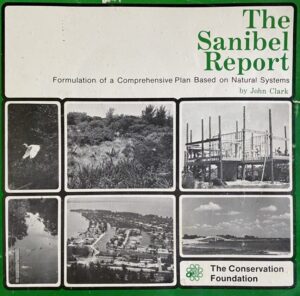
Fifty years ago, the Sanibel-Captiva community raised $100,000 to fund a groundbreaking scientific analysis of the island’s ecology. That document, known as The Sanibel Report, became the bedrock for The Sanibel Plan—the seminal 1976 land-use strategy that preserved our island’s natural character, limited over-development, and protected our barrier island systems.
Today, the Sanibel-Captiva Conservation Foundation (SCCF) is partnering with regional experts to develop “The Sanibel Report 2.0.” This modern update will serve as the scientific foundation for the City of Sanibel’s current Sanibel Plan Update Steering Committee, ensuring our future planning remains rooted in data.
At the LeAneSuarezGroup, we view this initiative as vital to the long-term health of our island real estate market. The Sanibel Plan is the primary reason our property values remain high and our community retains its unique, sanctuary-like appeal. By updating the science behind the plan, we are protecting the “Sanibel Ethic” for the next 50 years.
From 1976 to Today: Why the Update Matters
The original 300-page report, led by John Clark of the Conservation Foundation, demonstrated that development must respect “natural limits.” It successfully proved that an island’s infrastructure and zoning should be dictated by its hydrology, wildlife, and vegetation.
The Sanibel Report 2.0 will synthesize five decades of new environmental data, changing climate patterns, and advancements in restoration science.
“Updating The Sanibel Report will ensure continued protection of the barrier island’s unique and threatened land and water quality resources, its interior wetlands, beaches and mangroves.” — Dr. Eric Milbrandt, SCCF Marine Lab Director
Inside The Sanibel Report 2.0
SCCF is leading a collaborative research team including scientists from Florida Gulf Coast University (FGCU), the Naples Botanical Garden, and legal experts from the University of Florida. The resulting 150–200 page report will be structured into four primary ecological zones:
                     THE SANIBEL REPORT 2.0 STRUCTURE

  [ MANGROVES ]         ──► Assessing health, carbon sequestration & storm resilience.
  [ NEARSHORE/ESTUARINE]──► Water quality trends, seagrass health & marine habitats.
  [ BEACHES & WILDLIFE ] ──► Nesting data, predator impacts & erosion management.
  [ INTERIOR WETLANDS ]  ──► Hydrological cycles, freshwater quality & habitat connectivity.
Each chapter evaluates the current state of the science, identifies emerging threats, establishes management targets, and highlights remaining “science gaps” to guide future research.
Contributing Experts & Timeline
The report is a cross-disciplinary effort featuring key leadership from the SCCF scientific team:
-
Dr. Eric Milbrandt: Marine Lab Director
-
Kelly Sloan: Coastal Wildlife Director
-
Matt DePaolis: Environmental Policy Director
-
Chris Lechowicz: Wildlife & Habitat Management Director
Publication Timeline: The finalized findings will be presented to the City of Sanibel’s Steering Committee later this year, with the official publication timed to coincide with the 50th Anniversary of The Sanibel Plan.
This update provides city planners with the modern tools necessary to navigate 21st-century environmental challenges, from sea-level rise to increasing human density, while maintaining the conservation mandate that defines Sanibel living.