Categories
Island Update

Full Recovery Achieved: Sanibel Beach Club II Celebrates Rebuild Completion with Ribbon-Cutting

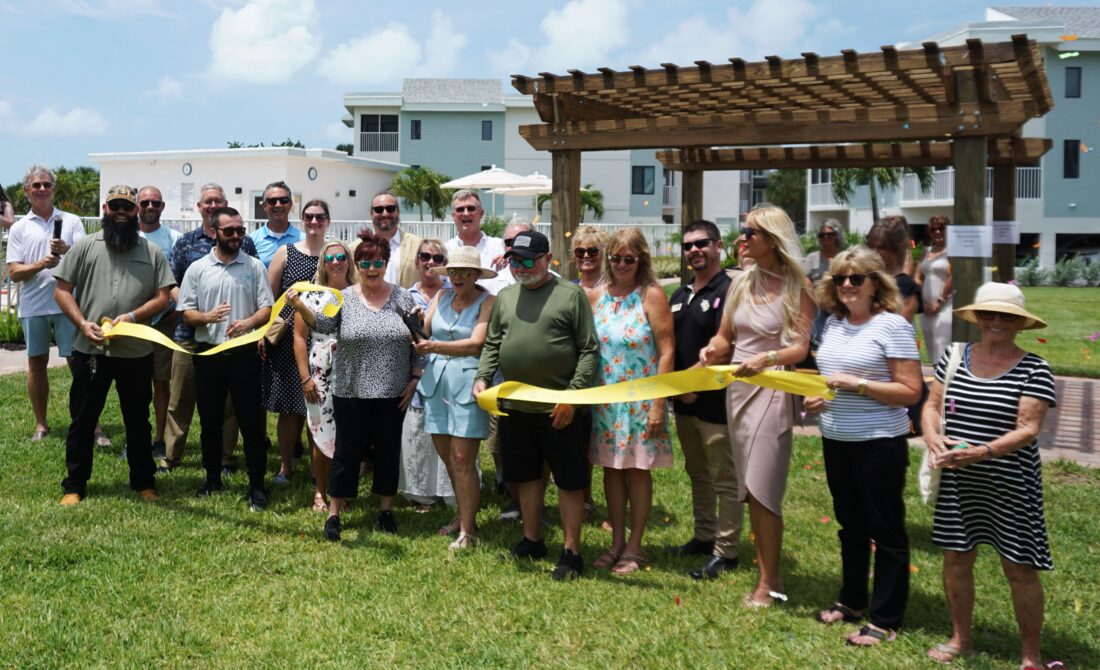
A historic milestone has been reached for one of Sanibel’s most iconic beachfront destinations. While Sanibel Beach Club II has been welcoming owners back to their units since August 2025, the community officially marked the completion of its full post-Hurricane Ian reconstruction on June 18 with a ceremonial ribbon-cutting hosted by the SanCap Chamber.

The restoration brings all property amenities back online, restoring the entire grounds to pre-storm condition and beyond.

At the LeAneSuarezGroup, we view this full recovery as a powerful testament to the resilience of Sanibel’s East End. Seeing long-standing vacation properties completely rebuilt and modernized strengthens community confidence, enhances nearby residential values, and supports local commerce across the island.

“The grand reopening signifies a return of SBCII amenities to a pre-Ian level and better… Over the course of three years, the resort was completely rebuilt. Each building was totally stripped down to the cement blocks, was cleared by structural engineers, and was rebuilt.” — Board of Directors,

A National Hospitality Pioneer

First opening its doors in 1979, SANIBEL BEACH CLUB II holds a special place in lodging history as one of the very first timeshare communities established in the United States.

“We welcome the Sanibel Beach Club II  back to the thriving Sanibel East End community, situated adjacent to the Sanibel Lighthouse Park… Beyond its importance to island tourism, it has a place in the annals of national hospitality history. Truly, this is a day to remember.” — John Lai, SanCap Chamber President and CEO

Rebuilt Amenities & Property Features

The eight-building beachfront resort features 29 fully updated condominiums alongside a complete suite of resort amenities:

                    SBCII AMENITIES & FEATURES
  
  [ AQUATICS ]       ──► Heated outdoor resort pool & standalone jacuzzi
  [ RECREATION ]     ──► Tennis/pickleball court & shuffleboard court
  [ CONVENIENCE ]    ──► Pool house with restrooms & community grilling stations
  [ BEACH ACCESS ]   ──► Direct boardwalk access to the East End shoreline

With structural engineering sign-offs, fresh interior fit-outs, and fully operational recreational facilities, the property located at 205 Periwinkle Way, Sanibel is ready to welcome owners and guests for generations to come.

Categories
Island Update

SCCF Osprey Season Surpasses Sustainability Benchmarks

Southwest Florida’s coastal skies are buzzing with good news. On July 15, 2026, the Sanibel-Captiva Conservation Foundation (SCCF) published the final results of its inaugural season managing the regional osprey monitoring program—and the numbers show a thriving raptor population.

Out of 221 chicks tracked throughout the season, an impressive 187 successfully fledged. That translates to an 84.6% success rate and a productivity rate of 1.24 fledglings per nest—far above the 0.8–1.15 baseline needed to maintain a stable, self-sustaining population.

At the LeAneSuarezGroup, we track these conservation milestones closely. Thriving native wildlife and healthy aquatic ecosystems are foundational to Sanibel, Captiva, Pine Island, and Fort Myers Beach, making this news a fantastic indicator of long-term environmental quality across our island communities.

SCCF Osprey Nesting Season Success 2026

Why Ospreys Are the Ultimate Coastal Sentinel

Ospreys (Pandion haliaetus) feed almost exclusively on live fish, catching them near the water’s surface. Because their health and reproductive success depend directly on clear water, stable fish stocks, and clean habitats, scientists consider them an essential sentinel species.

                 OSPREY HEALTH AS AN ECOSYSTEM INDICATOR
  
  [ CLEAR WATERS ]   ──► Allows ospreys to spot prey from 100+ feet in the air.
  [ ABUNDANT FISH ]  ──► Sustains hungry chicks throughout the 8-week nesting phase.
  [ HIGH SUCCESS ]   ──► Signals overall health across local estuaries & marine life.

A 1.24 productivity rate confirms that local marine food webs across Sanibel, Captiva, Pine Island, and Fort Myers Beach are performing well.

A Decades-Long Legacy Handed to SCCF

This monitoring milestone follows a major organizational transition. In January 2026, The International Osprey Foundation (TIOF) formally transferred its mission to the SCCF after more than 40 years of local stewardship.

Program Detail Metric / Impact
Active Nests Monitored 151 across Sanibel, Captiva, Pine Island, & Fort Myers Beach
Total Nests Tracked 200+ regional nest sites included in the watch pool
Chicks Fledged 187 of 221
Success Rate 84.6%
Productivity Rate 1.24 (Target range: 0.8–1.15)
Global Integration All localized data feeds directly into OspreyWatch

Founded on Sanibel in 1981, TIOF built one of the most comprehensive osprey protection frameworks in North America. Integrating this volunteer-driven network into the SCCF’s research department ensures that decades of nest data continue to inform local water policy and coastal preservation.

Categories
Real Estate News

5 Essential Insights: How Naples HOA Fees Homebuying Decisions Shape Collier Real Estate

Navigating how rising Naples HOA fees homebuying decisions impact local budgets has become a primary focal point for buyers and real estate professionals across Southwest Florida. As Florida records some of the highest community association costs in the nation, out-of-state buyers relocating from the Midwest and Northeast are often caught off guard by the comprehensive monthly dues, mandatory capital initiation fees, and strict lifestyle guidelines that define gated coastal communities near the Gulf.

According to recent housing data from Realtor.com, the median monthly HOA fee in the Naples-Marco Island metropolitan area has reached $711, accounting for roughly 20.3% of a typical monthly mortgage payment. For out-of-state buyers accustomed to handling their own lawn care or snow removal, understanding these recurring expenses before submitting an offer is essential to avoiding sudden financial friction.

1. What Your Monthly HOA Dues Actually Cover

In Collier County, community association fees vary widely depending on neighborhood scale, location, and amenity offerings. Baseline monthly dues typically range from $200 to over $2,000, with higher fees concentrated in beachfront condominiums and private golf course enclaves.

These monthly allocations generally cover:

  • Essential Maintenance: Professional landscaping, irrigation, exterior building repairs, private road upkeep, and high-speed Wi-Fi or digital cable packages.

  • Safety & Security: Gated entryways, 24/7 manned security staffing, and perimeter monitoring systems.

  • Resort Amenities: Access to sprawling clubhouses, resort-style pools, fitness centers, tennis courts, pickelball complexes, and private dining facilities.

While higher dues deliver “white-glove service,” local brokers note that HOA fees have been climbing by roughly 8% annually since 2020. This upward trend is largely driven by rising building insurance premiums, legislative reserve funding mandates for structural integrity, and general inflation affecting service vendors.

2. Uncovering One-Time Capital Initiation Fees

Beyond monthly maintenance dues, how Naples HOA fees homebuying decisions unfold often hinges on initial buy-in costs. A majority of master-planned developments require a one-time capital acquisition assessment commonly called an initiation fee paid at closing.

In premier communities like Fiddler’s Creek, initiation fees that stood at $15,000 five years ago have since doubled. Furthermore, select luxury golf and country clubs require mandatory equity memberships or clubhouse initiation fees that can exceed $150,000, alongside annual minimum spend requirements at community dining venues. Identifying these upfront capital demands early prevents buyers from falling in love with a listing that exceeds their total acquisition budget.

3. Mandatory 7-Day Document Reviews and Due Diligence

Under Florida law, buyers entering a contract on an HOA-governed property are entitled to receive community rules, regulations, covenants, and financial budgets within seven days of signing. Spanning 60 pages or more, these documents govern critical daily lifestyle details, including:

  • Pet Policies: Strict limitations on dog breeds, total count, or individual weight limits (with some associations actively weighing pets upon move-in).

  • Rental Restrictions: Minimum stay durations (e.g., 30-day or 90-day minimums) and annual lease frequency caps.

  • Vehicle & Architectural Rules: Guidelines covering motorcycles, commercial trucks, outdoor decor, and paint colors.

Real estate advisors strongly recommend reviewing recent HOA board meeting minutes alongside financial disclosures. Board minutes frequently reveal discussions regarding upcoming deferred maintenance projects, roof replacements, or potential special assessments before they are formally levied.

4. Balancing Costs Against Amenity Benefits and Property Values

Despite rising dues, a strong majority of Floridians view community associations favorably. Data from the Foundation for Community Association Research indicates that 63% of Florida residents believe HOA rules protect and enhance property values, while 86% rate their overall association experience as positive or neutral. Across Florida, over 9.5 million residents live in more than 50,100 community associations, contributing nearly $20.5 billion annually toward community upkeep.

For many homeowners, the convenience of turn-key living, guarded security, and pristine neighborhood standards outweighs the monthly expense. Moreover, association oversight prevents neighborhood blight, protecting long-term real estate equity.

5. Non-HOA Alternatives Across Naples

For buyers seeking complete freedom from architectural restrictions or recurring dues, Naples offers non-HOA options. Coastal neighborhoods like Port Royal and Aqualane Shores maintain voluntary neighborhood associations rather than mandatory HOAs. Similarly, acreage properties in Golden Gate Estates offer spacious land plots without monthly fees, though homeowners assume full responsibility for private well water, septic systems, and property maintenance.

This shifting financial dynamic reinforces broader migration trends across Southwest Florida. To see how these property dynamics interact with broader state migration patterns, review our coverage of the Florida net inbound moving searches report. Furthermore, to see how luxury retail developments are expanding alongside Naples communities, explore our detailed analysis of the Waterside Shops luxury retail expansion or examine regional housing activity in our report on the Cape Coral first-time homebuyer market ranking.

Naples HOA & Community Association Quick Reference

Buyer Tip: When evaluating a home listing online, always request a complete breakdown of master association fees, neighborhood-specific dues, and mandatory club memberships before scheduling an in-person tour.

Community Aspect Standard Market Ranges & Details
Median Monthly Dues $711/month in Naples-Marco Island (Realtor.com baseline)
Typical Monthly Fee Range $200 to $2,000+ depending on amenities and proximity to beach/golf
Capital Initiation Fees $10,000 to $150,000+ one-time buy-in at closing
Florida Disclosure Rule Mandatory 7-day post-contract window for rule and budget review

For detailed market research, national HOA statistics, and educational resources on community governance, homebuyers can review reports hosted by Realtor.com Research.

Categories
SWFL Update

Revolutionary $1.2B Upgrade: 3 Ways RSW Terminal Expansion AI Construction Leads Florida

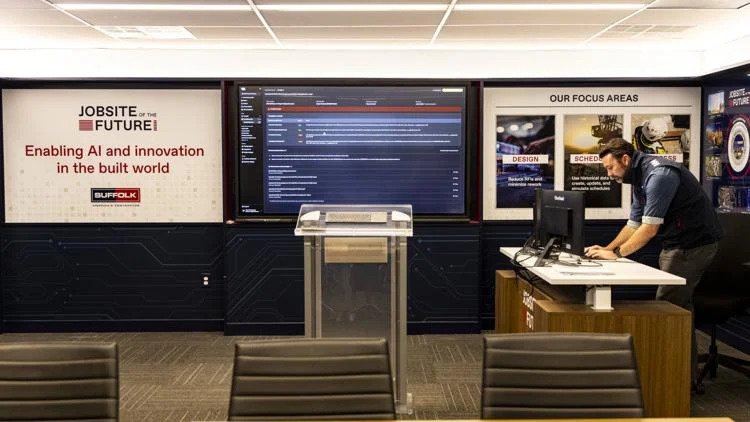
The RSW terminal expansion AI construction project at Southwest Florida International Airport is setting a groundbreaking precedent for how large-scale municipal infrastructure is designed, managed, and executed. As the most expensive public works project in Lee County history, Phase Two of the airport’s expansion carries a colossal $1.2 billion price tag. To deliver this massive 14-gate terminal expansion on time and within budget, lead contractor Suffolk Construction has transformed a standard site trailer into a high-tech artificial intelligence nerve center near the Gulf coast corridor.

Breaking ground in October 2024, the structural framework topped out in December 2025 and remains firmly on target for full completion by October 2027. Across a service road from active tarmac operations, Suffolk’s “Trailer No. 3” houses dual big-screen video monitors and dedicated AI engineering hardware, serving as a primary launchpad for the firm’s national Jobsite of the Future (JOF) initiative.

Inside Suffolk’s “Jobsite of the Future” at RSW

Out of Suffolk Construction’s 275 active construction sites across the United States, RSW is one of only eight elite sites nationwide designated as an official Jobsite of the Future. Managing a daily workforce of roughly 500 construction tradespeople, 50 Suffolk staff members, and 15 to 20 subcontracting firms generates massive streams of project data.

To make sense of gigabytes of information including blueprints, email logs, material submittals, and historical data from every Suffolk project over the past 10 years the firm brought on site AI engineer Cary Greenwood, a former software engineer and data architect with experience at Raytheon, NASA, and the U.S. Army Corps of Engineers. Working alongside Assistant Project Manager Dwight Moe, Greenwood converts raw paper-heavy workflows into predictive insights.

The deployment of RSW terminal expansion AI construction systems focuses on three main areas:

  1. Design Optimization: Pre-analyzing architectural plans to identify structural conflicts early, significantly reducing requests for information (RFIs) and avoiding costly field rework.

  2. Predictive Scheduling: Mining historical project timelines to run dynamic simulations, allowing superintendents to spot potential bottlenecks months before crews arrive.

  3. Process Efficiency: Streamlining daily administrative tasks, email correspondence, and subcontractor coordination to keep field teams focused on active building.

Slashing RFI Timelines from Hours to Minutes

In commercial building, an RFI (Request for Information) occurs whenever site superintendents or tradespeople uncover ambiguities in architectural blueprints. Historically, gathering data, cross-referencing specs, and drafting a formal RFI consumed six to eight hours of project manager time.

With customized generative AI tools connected to integrated project data silos, Greenwood and Moe reduced RFI drafting times to just 10 to 15 minutes. This 95% reduction in administrative friction allows project leaders to redirect hundreds of saved hours directly toward quality control and safety management.

Safety protocols have also received a major upgrade through custom predictive tools. By feeding active schedule data into safety models, project leaders can identify hazardous high-risk construction phases such as steel erection or high-elevation glazing in advance, putting defensive measures in place before crews step onto the rig.

Furthermore, field superintendents utilize voice-activated AI software during daily site walks. By speaking updates directly into handheld devices while inspecting concourse work, the software automatically translates verbal notes into P6 scheduling updates. This transfers real-time field knowledge directly into project management software, maintaining total timeline clarity across all 14 gate construction zones.

Transforming Infrastructure Across Southwest Florida

While Phase Two adds 14 new gates and concourse space under Suffolk’s AI leadership, Phase One of the terminal expansion—which reconfigures the main terminal building and expands post-security concessions is simultaneously underway under lead contractor Manhattan Construction.

The data gathered during the RSW terminal expansion AI construction rollout isn’t just benefiting the airport; it is actively training Suffolk’s regional AI models across several prominent Southwest Florida developments:

  • Legacy Point (formerly Southward Village) in Fort Myers.

  • Tampa General Hospital Urgent Care Center in Babcock Ranch.

  • Alva High School and Estero Sports Park educational and civic builds.

  • Collier County Veterans’ Nursing Home in the Naples area.

  • Luxury Residential Towers: Including Moorings Park Grande Lake, Ritz-Carlton Residences, and Avra at Metropolitan.

This massive airport modernization complements broader aviation and transit upgrades across the region. To see how neighboring hubs are expanding to meet traveler demand, review our coverage of the Punta Gorda Airport terminal expansion milestone or examine overall relocation trends in our detailed report on Florida net inbound moving searches. Furthermore, to see how municipal investments impact Lee County’s fiscal health, check out our analysis of the Fort Myers fiscal year financial performance report.

RSW Phase Two Terminal Expansion Snapshot

Operational Note: Implementing custom AI platforms does not replace human jobs on-site; rather, it empowers site managers and superintendents to work with greater speed, safety, and operational precision.

Project Metric Details & Specifications
Primary Facility RSW terminal expansion AI construction (Phase Two)
Total Capital Investment $1.2 Billion (Most expensive project in Lee County history)
Project Scope New 14-gate terminal and expanded concourse facilities
Construction Timeline Groundbroken Oct. 2024
Daily Site Workforce ~500 tradespeople, 50 Suffolk employees, 15-20 subcontractors
Lead Contractor Suffolk Construction (Jobsite of the Future program)

For official flight information, parking availability, or master expansion updates, passengers can review details directly on the Official Southwest Florida International Airport Portal.

Categories
Island Update

Strengthening Our Community: “Love Sanibel Back” Launches Give Back Week

anibel Island’s spirit of resilience and community generosity is stepping into the spotlight. Running from July 27 through August 2, 2026, the island’s popular grassroots campaign enters Week 9 under the meaningful theme of “Give Back Week.”

Residents, seasonal visitors, and local supporters are invited to rally together to assist island workers, families, and neighbors facing ongoing challenges, while simultaneously supporting the local merchants who continue to invest in Sanibel’s vibrant future.

At the LeAneSuarezGroup, we know that a strong community is built on mutual support and care. The non-profits and local workforce that keep Sanibel running are integral to what makes our island such a wonderful place to live, work, and invest.

In a nutshell: Week 9 focuses on collecting essential non-perishable foods and household supplies for F.I.S.H. of Sanibel-Captiva and Community Housing & Resources (CHR), alongside a campaign-wide push to shop local.

Essential Needs: What and Where to Donate

Organizers have outlined specific donation wishlists for both organizations to directly address the daily needs of island families, workforce members, and CHR residents.

                   WEEK 9 DONATION WISHLIST GUIDE
  
  [ F.I.S.H. SANIBEL-CAPTIVA ]
  • Non-perishable food: Pasta, PB&J, flour, oil, condiments & cereal
  • Essentials: Paper towels, toilet paper & hygiene pads
  • Pet supplies: Dry and wet pet food

  [ COMMUNITY HOUSING & RESOURCES (CHR) ]
  • Home goods: Kitchen items, towels, cleaning supplies & doormats
  • Educational: Shell and bird guides
  • Local support: Gift cards to island retail shops and restaurants

Collection boxes will be set up directly at FISH, CHR, and various designated drop-off points throughout the island commercial districts.

Support Island Businesses & Spread the Word

Alongside the donation drives, “Give Back Week” places a strong emphasis on sustained economic support for local merchants. Buying a meal at an island restaurant, shopping at a local boutique, or purchasing retail gift cards for CHR residents creates a double-impact way to support the island economy.

  • Share the Movement: Participants are encouraged to post photos of their donation deliveries, shopping trips, or volunteer efforts on social media using the official hashtag #LoveSanibelBack to inspire others across the region to join in.

A Collaborative Island Initiative

Running through August, the overall Love Sanibel Back master campaign operates under the 2026 summer theme: “Buy Local — Spread Joy — Give Back.” The initiative brings together over 75 participating businesses, community sponsors, and local organizations. It is hosted by Saint Michael and All Angels Episcopal Church, in partnership with the City of Sanibel and the SanCap Chamber.

To view the complete list of drop-off box locations and explore upcoming weekly events, visit the official Saint Michael’s Love Sanibel Back Portal. Let’s unite to support our neighbors and keep Sanibel thriving!

Categories
SWFL Update

Lee County Begins Mailing Mail Ballots for the August Primary

The countdown to local election day is officially on across Lee County. On July 14, 2026, the Lee County Elections Office announced that it officially began mailing approximately 96,000 requested vote-by-mail ballots to registered voters ahead of the upcoming August 18, 2026 Primary Election.

At the LeAneSuarezGroup, we emphasize that civic participation is a core pillar of a strong, thriving community. Whether you are a full-time resident on Sanibel, Captiva, or Fort Myers Beach, or living out-of-state during the summer months, making sure your voice is heard helps shape the future of our local schools, municipal leadership, and barrier island infrastructure.

Key Rule Alert: Due to Florida law changes, all vote-by-mail ballot requests placed prior to 2025 have officially expired. If you have not submitted a fresh request for the 2026 election cycle, you must renew your request to receive a mail ballot.

Important Deadlines to Keep on Your Radar

If you haven’t requested your ballot yet, there is still time to act before the state cutoff window closes. The Elections Office recommends placing your request as early as possible to allow ample time for postal transit and processing.

                    AUGUST PRIMARY ELECTION TIMELINE
  
  [ JULY 14, 2026 ]  ──► First batch of ~96,000 mail-in ballots posted to voters.
  [ AUG 6 (5:00 PM) ]──► STRICT DEADLINE: Final day to request a vote-by-mail ballot.
  [ AUG 18, 2026 ]   ──► PRIMARY ELECTION DAY: Ballots must be received by 7:00 PM.

How to Request or Track Your 2026 Mail Ballot

Submitting a new vote-by-mail request or verifying your current registration status is fast and completely digital:

  • Online Portal: Visit the official Lee County Elections Website to submit an instant digital application or track the real-time mail status of your ballot.

  • By Phone: Call the Supervisor of Elections office directly at 239-533-8683 to speak with a voter specialist and verify your mailing address.

  • Ballot Delivery: Remember that all completed vote-by-mail ballots must be received by the Supervisor of Elections office by 7:00 PM on Election Day (August 18) to be counted—postmarks do not apply under Florida law.

Take a quick moment to verify your voter registration today, submit your request before the August 6 deadline, and ensure your vote counts in shaping Southwest Florida’s future!

Categories
Uncategorized

Promising Shift: Historic 4.7% Florida Unemployment Rate June 2026 Data Signals Relief

The Florida unemployment rate June 2026 data officially fell to 4.7%, marking the state’s very first monthly jobless rate decline since late 2024. Released by the Florida Department of Commerce, the latest economic update shows a welcome 0.1 percentage point dip from May’s 4.8% level, bringing cautious optimism to business leaders, policymakers, and job seekers across the Sunshine State.

During the month, Florida employers expanded payrolls by 11,100 net nonagricultural jobs (+0.1%), pushing total state nonfarm employment past 10.03 million positions. While the statewide jobless metric remains slightly above the national unemployment rate of 4.2%, the stabilization in hiring indicates that the state’s labor force is actively absorbing steady population growth near the Gulf and Atlantic coasts.

Dissecting Industry Trends: Healthcare and Education Lead Gains

A closer inspection of sector-by-sector performance shows that Florida’s employment engine continues to be powered by essential services. The education and health services sector recorded the largest annual gain statewide, adding 39,000 jobs (+2.5%) over the trailing twelve-month window.

The industry breakdown highlights several notable hiring trends across Florida’s economy:

  • Education and Health Services: Gained 39,000 jobs over the year, driven by expanding hospital networks and outpatient care clinics.

  • Professional and Business Services: Expanded by 13,400 positions (+0.8%), reflecting sustained demand for corporate administrative and technical expertise.

  • Leisure and Hospitality: Rebounded with 8,700 annual additions (+0.7%) as regional hotels and dining venues prepared for summer travel volumes.

  • Transportation, Warehousing, and Utilities: Added 4,100 jobs in June alone, stabilizing supply chain operations across the peninsula.

Conversely, higher interest rates and shifting corporate budgets triggered modest contractions in select sectors. Financial activities lost 12,900 jobs over the year, government employment declined by 10,500 positions, and residential construction shed 3,200 roles amid elevated borrowing costs.

Southwest Florida Regional Breakdown: Local County Impacts

While the aggregate Florida unemployment rate June 2026 statistics trended downward statewide, local labor markets across Southwest Florida experienced varied conditions. All three coastal counties in the region posted jobless rates higher than their year-ago baselines, reflecting seasonal summer lulls in tourism and ongoing real estate rebalancing.

The unadjusted county-level metrics for Southwest Florida paint a clear, scannable picture:

  1. Collier County (Naples MSA): Recorded a 4.8% unemployment rate, benefiting from steady healthcare and luxury hospitality staffing.

  2. Lee County (Cape Coral-Fort Myers MSA): Registered a 5.1% unemployment rate, influenced by inventory adjustments in homebuilding and trades.

  3. Charlotte County (Punta Gorda MSA): Posted a 5.8% unemployment rate, pointing to localized economic pressure in the surrounding market.

Despite these localized headwinds, strong demographic trends continue to insulate the broader region. To understand how population inflows interact with local employment trends, read our comprehensive report on the Florida net inbound moving searches demand surge. Furthermore, to see how local real estate stress intersects with Charlotte County’s 5.8% jobless figure, review our analysis of the Punta Gorda foreclosure rates midyear report.

Macroeconomic Outlook and Municipal Context

State economic analysts note that while the single-month decline in the Florida unemployment rate June 2026 report is a positive indicator, Florida’s total number of unemployed residents stands at approximately 525,000 out of a broader civilian labor force of 11.14 million. As regional municipalities navigate changing revenue streams and workforce demands, fiscal management remains a top priority. For an in-depth look at how local governments are balancing infrastructure investments with shifting labor dynamics, review our detailed breakdown of the Fort Myers fiscal year financial performance report.

Florida June 2026 Labor Market Overview

Economic Note: Statewide unemployment figures are seasonally adjusted to account for recurring summer hiring fluctuations, whereas county-level statistics are unadjusted.

Regional Market Zone June 2026 Jobless Rate Monthly Rate Shift Primary Growth Sector
State of Florida (Overall) 4.7% Down 0.1% from May Education & Health Services (+39K)
Collier County (Naples) 4.8% Up from 2025 baseline Healthcare & Hospitality
Lee County (Fort Myers) 5.1% Up from 2025 baseline Professional Services & Retail
Charlotte County (Punta Gorda) 5.8% Up from 2025 baseline Trade & Transportation

For detailed regional labor statistics, industry employment tables, and county workforce data, review official releases on the FloridaCommerce Labor Market Information Portal or explore career training resources at CareerSource Florida.

Categories
Uncategorized

$44M Upgrade: 6 New Gates Open in Punta Gorda Airport Terminal Expansion

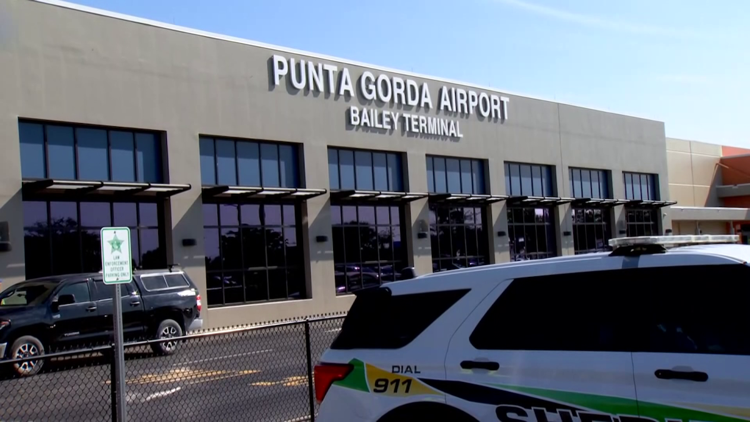
The Punta Gorda Airport terminal expansion project is rapidly approaching a major operational milestone as airport officials prepare to open six brand-new departure gates by mid-August. This $44 million capital development initiative at the Bailey Terminal (PGD) is engineered to accommodate record-breaking passenger growth, easing summer travel congestion across Charlotte County and the surrounding Southwest Florida region.

Driven by an ongoing influx of leisure travelers, seasonal residents, and new business operators moving toward the Gulf coast, the airport authority launched the ambitious multi-phase project to modernize passenger infrastructure. By adding wider pedestrian concourses, expanded holding areas, and increased restroom capacity, the airport is significantly increasing its daily passenger throughput capacity while maintaining seamless, uninterrupted flight schedules.

Expanding Gates, Concourses, and Passenger Comfort

The structural improvements delivered by the Punta Gorda Airport terminal expansion focus heavily on improving the overall traveler experience. To stay on schedule, dedicated construction crews have been operating seven days a week, executing heavy structural work behind secure dust barriers while thousands of passengers navigate the active terminal each day.

The multi-million dollar expansion delivers a comprehensive, scannable array of physical upgrades:

  • Six New Passenger Gates: Expanding total gate capacity to accommodate increased flight frequencies from primary carrier Allegiant Air and prospective regional airlines.

  • Spacious Waiting Lounges: Adding hundreds of modern seating stations featuring integrated USB and AC power charging outlets.

  • Expanded Hallways and Restrooms: Doubling corridor widths to streamline foot traffic during peak departure banks and adding climate-controlled restroom facilities.

  • Upgraded Security Checkpoint Zones: Streamlining TSA screening queues to reduce wait times during busy holiday travel periods.

Upgraded Dining Options and Retail Outlets

In addition to physical gate capacity, the Punta Gorda Airport terminal expansion introduces an expanded concession layout designed to give travelers diverse dining and shopping options. Rather than relying solely on basic grab-and-go kiosks, the modernized post-security concourse will host several high-profile national brands and local dining concepts.

Key food, beverage, and retail additions coming to the terminal include:

  • Wolfgang Puck Restaurant: A full-service seated dining concept offering gourmet chef-curated entrees, craft cocktails, and quick-serve items.

  • Post-Security Dunkin’: Providing hot coffees, baked goods, and breakfast sandwiches directly adjacent to departure gates.

  • Expanded Travel Retail Hubs: Larger newsstands and boutique retail spaces offering local Florida souvenirs, travel accessories, and electronics.

During active construction, temporary concession stations remain open to serve passengers, ensuring uninterrupted access to food and beverages while final build-outs are completed.

Supporting Regional Economic Momentum and Travel Demand

The rapid physical expansion of PGD reflects broader economic transformations taking place across Charlotte County and the wider Southwest Florida area. As regional travel demand surges, modernizing transportation gateways is essential to supporting local tourism, hospitality, and real estate development.

This aviation infrastructure overhaul directly aligns with strong regional migration patterns and growing commercial investment. To trace how regional economic trends are shaping local real estate, review our analysis of the Punta Gorda foreclosure rates midyear report or examine the high migration demand outlined in our report on Florida net inbound moving searches. Furthermore, to see how other local municipalities rank for new residents, check out our coverage of the Cape Coral first-time homebuyer market ranking.

Long-Term Completion Timeline

With the initial six gates scheduled to go live by mid-August, airport management will transition into the final construction phases of the project. The complete $44 million Punta Gorda Airport terminal expansion project including all finished retail storefronts, permanent dining venues, and baggage handling upgrades is targeted for full completion by late 2026 or early 2027.

Terminal Expansion Project Snapshot

Traveler Advisory: Passengers flying out of Punta Gorda Airport during the ongoing construction phase are encouraged to arrive two hours prior to domestic departures, as temporary concourse detours remain in effect.

Project Metric Specifications & Details
Primary Facility Identity Punta Gorda Airport terminal expansion (PGD)
Total Capital Investment $44 Million Comprehensive Infrastructure Budget
Mid-August Milestone Activation of 6 New Departure Gates & Concourses
Target Full Completion Late 2026 / Early 2027
New Concession Partners Wolfgang Puck Restaurant, Dunkin’, Expanded Retail Outlets

For official flight schedules, parking availability tools, or terminal maps, passengers can review resources directly on the Official Punta Gorda Airport Portal.

Categories
Island Update

Monumental Choice: Sanibel Island Roundabout Proposal Referendum Set for March 2027

Tackling Peak-Season Gridlock at the Island’s Front Door

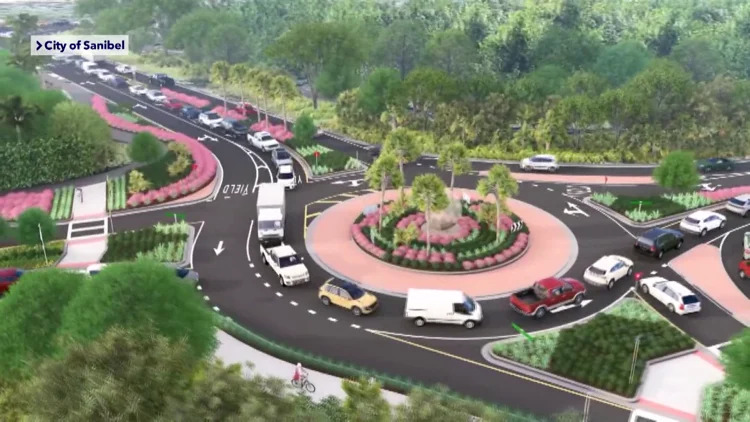
The primary motivation driving the Sanibel Island roundabout proposal referendum is the chronic traffic congestion that impacts residents, daily workers, and eco-tourists attempting to navigate the island. During peak winter months, vehicles trying to exit the island can back up for miles along Periwinkle Way, stretching through the central commercial corridor.

Currently, traffic management relies heavily on seasonal law enforcement officers manually directing vehicles during peak rush hours. While traffic aides keep vehicles moving, city consultants from Kimley-Horn & Associates note that an engineered roundabout would allow continuous vehicle flow at steady speeds of 20 to 25 mph.

Engineering studies highlight several potential benefits of transitioning from a four-way stop to a modern roundabout:

  • Reduced Collision Risk: Roundabouts eliminate high-speed t-bone and head-on impact points, replacing them with lower-speed, single-direction merging movements.

  • Continuous Yield Flow: Eliminates the complete stopping cycles required by traditional four-way stops or traffic lights when traffic volumes are unevenly distributed.

  • Enhanced Pedestrian Safety: Integrated crosswalk refuge islands give pedestrians and cyclists crossing spaces with lower vehicle approach speeds.

  • Operational Cost Relief: Reduces long-term reliance on seasonal police detail officers, which currently costs the city between $300,000 and $350,000 annually.

Debating Aesthetics, Environment, and Traffic Flow Realities

Despite the potential flow improvements, community opinion remains deeply divided over the proposed redesign. Opponents argue that a multi-lane roundabout shifts the responsibility of moving traffic from trained traffic officers to individual drivers, which could create confusion during busy holiday weeks. Others express concern about how a roundabout will handle traffic clearing the island if the off-island causeway lanes bottleneck further down near the Gulf mainland at Punta Rassa.

Environmental preservation also plays a central role in the public debate surrounding the Sanibel Island roundabout proposal referendum. Under the Sanibel Charter, any infrastructure expansion that requires acquiring land from protected preserves—such as adjacent acreage near Pond Apple Park—mandates a formal voter referendum. Recent survey work by city consultants indicates the design can likely fit within existing rights-of-way, but leaders chose to put the Sanibel Island roundabout proposal referendum before voters to ensure complete public alignment.

Next Steps in the Planning Timeline

City leaders have reassured the public that approving the Sanibel Island roundabout proposal referendum will not trigger immediate road construction or heavy machinery deployment. Instead, a “yes” vote simply authorizes municipal planners to complete the 30% conceptual design phase using grant funds provided by the Lee County Metropolitan Planning Organization (MPO).

Once formal engineering schematics, precise right-of-way overlays, and finalized construction cost estimates (currently projected between $3.5 million and $5 million) are complete, the proposal would return for public review before any construction schedules are set.

This transportation vote adds to a dynamic season of community decisions and environmental initiatives across the barrier islands. To explore how other island programs are supporting local businesses and wildlife, check out our report on the 2026 Sanibel-Captiva Kiwanis Diner’s Delight coupon books or review the latest environmental milestones in our coverage of the Sanibel-Captiva sea turtle nesting season record. Furthermore, to see how municipal infrastructure projects fit into broader regional fiscal planning, review our analysis of the Fort Myers fiscal year financial performance report.

Roundabout Proposal Fact Sheet

Voter Advisory: The upcoming March vote serves as a binding directional referendum; a majority “no” vote will halt further city-funded design studies for the roundabout project.

Planning Metric Project Details & Specifications
Focus Topic Sanibel Island roundabout proposal referendum
Target Location Periwinkle Way, Causeway Blvd, & Lindgren Blvd Intersection
Referendum Timeline Scheduled for the March 2027 Municipal Election Ballot
Estimated Construction Cost $3.5 Million to $5.0 Million (Pending Final Design)
Current Planning Phase 30% Conceptual Design Data Collection
Design Consultant Kimley-Horn & Associates

For official city council meeting transcripts, traffic study presentations, or voter registration deadlines, island residents can review resources directly on the Official City of Sanibel Government Portal.

Categories
Uncategorized

Inspiring Swing: Shy Wolf Sanctuary Charity Golf Scramble Set for Sept. 26 at Heritage Bay

The Shy Wolf Sanctuary charity golf scramble has officially opened registration for its sixth annual edition, uniting golf enthusiasts and animal advocates across North Naples. Scheduled for Saturday, September 26, 2026, the fundraiser will take place at the picturesque Heritage Bay Golf & Country Club (10154 Heritage Bay Blvd).

This beloved annual event directly funds the nonprofit’s core mission: providing lifelong care, medical shelter, and rehabilitation for rescued captive-bred exotic animals and unreleasable wild animals. From wolfdogs and panthers to gopher tortoises and exotic foxes, the sanctuary serves as a vital refuge for animals that have been neglected, abused, or abandoned.

Tournament Schedule and Golfer Package Details

The Shy Wolf Sanctuary charity golf scramble is structured as an inclusive, four-person team scramble designed for players of all skill levels. The event schedule ensures a full day of friendly competition, community networking, and fundraising games:

  • Registration & Check-In: Doors open at 7:30 a.m., giving players time to warm up at the practice facilities.

  • Shotgun Start: The main tournament begins promptly at 8:30 a.m.

  • Luncheon & Awards: Players gather in the clubhouse at 1:00 p.m. for a catered lunch, followed by raffle drawings, silent auction results, and contest prize announcements starting around 1:30 p.m.

Registration fees are set at $200 for individual golfers or $700 for a complete foursome. Every registration package includes greens fees, golf cart usage, professional bag handling, entry into course contests, a custom event swag bag, and full access to the awards lunch.

How Tournament Proceeds Fuel Animal Care and Community Outreach

The funds raised during the Shy Wolf Sanctuary charity golf scramble directly power the sanctuary’s day-to-day operations and long-term expansion goals. Operating on a 2.5-acre property in Naples supported by dozens of dedicated volunteers, the organization provides specialized diets, veterinary care, and habitat enrichment for dozens of permanent residents.

Beyond animal care, proceeds help fund the sanctuary’s therapeutic community outreach programs, including the Healing Hearts & Minds initiative, which connects rescued animals with veterans, at-risk youth, and seniors facing trauma or hardship.

This charity tournament adds to a vibrant calendar of local sports, real estate developments, and community initiatives across Lee and Collier counties. To see how other local organizations are making a difference across the region, explore our detailed report on the Tunnel to Towers 5K south Fort Myers event or review our comprehensive analysis of the Elevate SWFL sports hub Bonita Springs project to track regional sports and wellness investments.

Event Overview & Registration Summary

Registration Notice: Player capacity is limited to ensure a smooth pace of play on the course; golfers and prospective corporate sponsors are encouraged to secure their spots early.

Event Metric Tournament Details
Primary Beneficiary Shy Wolf Sanctuary Education & Experience Center
Event Location Heritage Bay Golf & Country Club, Naples, FL
Date & Time Saturday, Sept. 26, 2026
Entry Pricing $200 per Golfer / $700 per Foursome
Included Amenities Green fees, cart, bag handling, swag bag, contests, catered lunch

For team registration, sponsorship packages, or volunteer opportunities, players can visit the Official Shy Wolf Golf Scramble Registration Portal.