Categories
Island Update

Sanibel Sea Turtle Nesting Season 2026: A Hallmark of Island Stewardship

The Sanibel sea turtle nesting season 2026 has officially arrived, marking a significant milestone for the island’s environmental identity and residential character. On April 30, local conservation staff recorded the first loggerhead sea turtle nest of the year. This annual cycle is a defining feature of the Southwest Florida lifestyle, reflecting the community’s long-standing commitment to preserving the natural beauty of the Gulf coast.

Understanding the 2026 Nesting Cycle

While the season formally began on April 15, the first verified nest serves as the “green light” for hundreds of future arrivals expected through October. Loggerheads remain the most frequent visitors to the islands, though the community also hosts green sea turtles and the occasional, rare leatherback or Kemp’s ridley.

According to data from the Sanibel-Captiva Conservation Foundation, the islands have seen a significant upward trend in nesting activity over the last few years. For context, historical averages between 1992 and 2021 hovered around 150 to 300 nests per season before experiencing a substantial jump in recent cycles.

Comparative Nesting Data

The following table highlights the productivity of the previous season, providing a benchmark for the current year:

Species Sanibel Nests (Previous Season) Captiva Nests (Previous Season)
Loggerhead 654 214
Green Sea Turtle 21 0
Leatherback 1 0

Because green sea turtles follow a biennial (every two years) nesting pattern, 2026 is anticipated to be a “lower” year for that specific species following a high-yield 2025.

The Intersection of Conservation and Property Values

For property owners on Sanibel and Captiva, the Sanibel sea turtle nesting season 2026 is more than an environmental event; it is a vital part of the local real estate value proposition. The “Dark Sky” compliance and pristine beach maintenance required for nesting success are the same factors that preserve the islands’ quiet, low-density appeal.

To maintain the health of the beaches and the safety of the nesting mothers, residents and visitors are encouraged to follow specific guidelines that have become a hallmark of the island’s “Share the Beach” philosophy.

Essential Protection Guidelines for Residents

  • Lighting Protocols: After 9:00 p.m., all lights visible from the shore must be turned off or shielded. Flashlights are strictly prohibited on the beach.

  • Beach Maintenance: Fill in any holes and flatten sandcastles before leaving the beach for the day, as these pose significant hazards to both nesting adults and emerging hatchlings.

  • Obstacle Removal: Remove all beach furniture, toys, and equipment by sunset to ensure a clear path for turtles moving from the Gulf.

  • Safe Distances: Maintain a distance of at least 10 feet from marked nests and avoid disturbing any nesting females.

Advanced Research and Mitigation Strategies

The 2026 season introduces new technical measures to protect the nests from local predators. Following data that ranked parts of Sanibel and Captiva among the highest in the state for nest predation rates, the community is implementing:

  • Reinforced Screening: Heavier, larger screens will be placed over nests to deter coyotes.

  • Decoy Program: A proposal currently under review by the Florida Fish and Wildlife Conservation Commission (FWC) would utilize “decoy nests” to discourage predators from viewing the beach as a consistent food source.

Additionally, May 1 marks the start of the 11th consecutive season for night-time tagging projects. This research, along with advanced satellite tracking, allows experts to monitor how water temperatures in the Gulf affect turtle movements and reproductive habits.

Important Contact Information

For residents who notice lighting issues, potential hazards, or turtle strandings, the SCCF Sea Turtle Hotline is available 24/7 at 978-728-3663.

As we progress through the Sanibel sea turtle nesting season 2026, the collaboration between residents, visitors, and local researchers remains the key to ensuring these ancient mariners continue to call our islands home.
Categories
Real Estate News

Market Update: Charlotte County Industrial Real Estate Sees Strategic $9M Listing

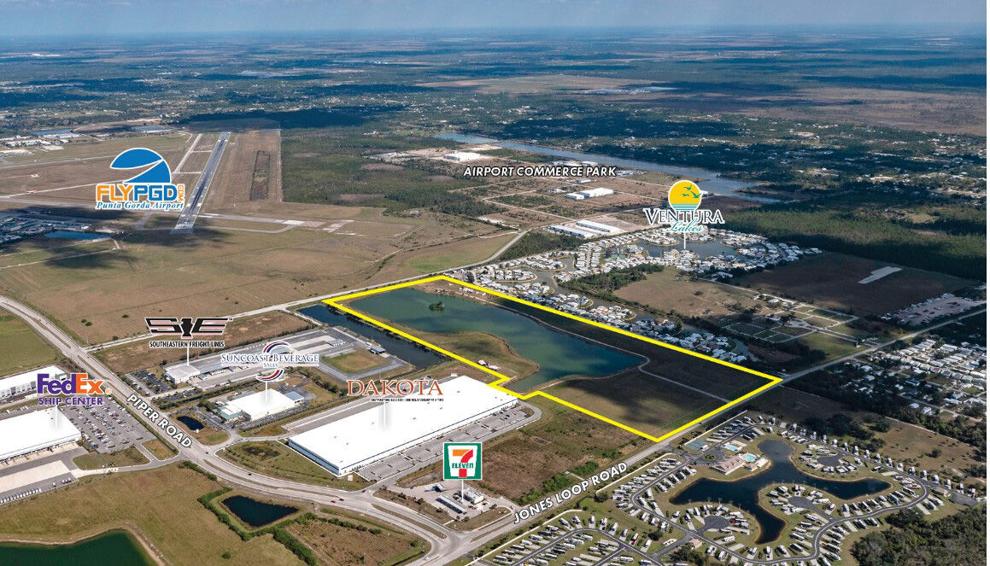
The landscape of Charlotte County industrial real estate continues to evolve as a prime destination for logistics and distribution users. A significant new opportunity has emerged within the Charlotte County Enterprise Area, where two large industrial parcels at 27100 Jones Loop Road are currently being marketed for $8,999,999.

Known as “Jones Loop Oasis,” this site offers a rare combination of scale and connectivity, positioned just one mile from the planned Amazon distribution facility and other major industrial anchors.

Strategic Positioning and Regional Connectivity

For investors and developers tracking Charlotte County industrial real estate, the value of the Jones Loop corridor lies in its logistical reach. The site features direct access to Interstate 75, placing it in a unique position to serve the entire Southwest Florida region, from Tampa to Naples.

Key logistical advantages include:

  • Distribution Radius: A three-hour drive from this location reaches more than 62% of the state of Florida.

  • Aviation Proximity: The site is located immediately adjacent to the Punta Gorda Airport (PGD), making it an ideal hub for aviation-related services and advanced manufacturing.

  • Industrial Neighbors: Proximity to large-scale users like Amazon and upcoming projects from AdventHealth and NAS MRO.

Development Potential: Jones Loop Oasis

The property is situated within the ECAP (Enterprise Charlotte Airport Park) zone. This designation in unincorporated Charlotte County allows for an expansive range of commercial and industrial applications, including warehousing, manufacturing, retail, and even hotel development.

A preliminary rendering for the site suggests a high-fidelity development plan consisting of a 329,650-square-foot flex complex. The proposed layout includes 14 buildings ranging in size from 14,000 to 33,550 square feet.

Site Specifications

Feature Detail
Total Build Potential Up to 469,664 sq. ft.
Upland Acreage 35.94 Acres
Zoning ECAP (Broad Industrial/Commercial)
Infrastructure 25-acre lake (reshapable for stormwater)
Building Coverage 30% of overall site

Why Demand is Shifting to Charlotte County

The surge in interest for Charlotte County industrial real estate is a direct result of tightening inventory and rising land prices in neighboring Lee and Sarasota counties. As costs climb in those markets, Charlotte County offers a more attainable entry point without sacrificing regional access.

According to the Charlotte County Economic Development Office, the airport corridor is a primary engine for the region’s future growth. Infrastructure investments and site work continue to accelerate, supported by initiatives like “Careers on the Coast,” which prepares the local workforce for skilled trades in aviation and logistics.

For the real estate community, the scarcity of large vacant parcels near the airport suggests that “Jones Loop Oasis” is part of a dwindling supply of prime industrial land. As the Southwest Florida economy continues to expand, the strategic importance of this corridor is expected to drive long-term value for landholders and business operators alike.

Infrastructure and Economic Outlook

“The airport corridor is uniquely positioned to support a mix of industrial, logistics, aviation-related and commercial development. Access to I-75 and Punta Gorda Airport makes this area especially attractive for advanced manufacturing and distribution.”

— Kay Tracy, Charlotte County Economic Development Director

Categories
Island Update

Naples Multigenerational Home Trends: Reshaping the Southwest Florida Market

Naples multigenerational home trends are emerging as a defining force in the 2026 real estate landscape. As the frantic migration patterns of the pandemic era stabilize, the local market is witnessing a profound shift in how families occupy space and manage assets. From high-end luxury estates to mid-market residences, the demand for “family-centric” architecture is no longer an outlier it is a market requirement.

The Shift in Migration and Market Dynamics

Recent data indicates a cooling of the historic southern migration, with some residents choosing to return to regions like the Midwest or Canada. This reversal is part of a broader “rebalancing” of the market. However, for those remaining in Southwest Florida, the rising costs of essential services ranging from childcare to senior assisted living have made shared living arrangements a strategic financial move.

In the current economy, families are increasingly moving away from the “isolated retirement” model. Instead of maintaining multiple properties, many are opting to consolidate into a single, higher-utility residence. This shift provides greater liquidity, which is then redirected into domestic care resources and in-home services that offer families more time and financial flexibility.

Design Evolution: Beyond the Ultra-Luxury Segment

Historically, features like “mother-in-law suites” or dual primary bedrooms were exclusive to the ultra-luxury segment. Today, these are top-priority requests across nearly all price points. Modern buyers are specifically looking for:

  • Integrated Guest Casitas: Separate entrances that provide privacy for adult children or aging parents.

  • Dual Primary Suites: Two full-sized master bedrooms, often on different floors or wings, to accommodate two heads of household.

  • Flexible Access Points: ADA-compliant features and wider hallways that “future-proof” the home for aging in place near the Gulf.

According to the National Association of REALTORS® (NAR), multigenerational buying remains a resilient segment of the market, driven by both cultural preferences and economic necessity.

Strategic Business Relocation in 2026

For business owners relocating to the Gulf coast, the decision-making process has become more complex. Modern commercial moves are now viewed as a trifecta of talent, tax, and lifestyle considerations.

Market experts suggest that business owners should prioritize flexibility in their commercial negotiations. With the rapid evolution of the local economy, standard long-term leases are being replaced by shorter terms, expansion/contraction clauses, and robust sublease rights. Proximity to client “ecosystems” and talent pools is now more valuable than square footage alone.

The Rise of the Family Advisor

The complexity of these “co-living” transactions has highlighted the importance of a cohesive real estate strategy. Utilizing a single agent to manage the relocation or consolidation of multiple family members ensures a smoother transition. A versatile advisor understands the intricate family dynamics involved and can identify properties that balance the need for individual privacy with collective functionality.

As reported by the Naples Area Board of REALTORS® (NABOR), the local market continues to adapt to these lifestyle-driven trends, ensuring that Naples remains a premier destination for families looking to thrive together.

Market Insight Summary

Trend Market Impact
Consolidation Selling two homes to buy one high-utility estate.
Architectural Focus High demand for ADUs and dual-master wings.
Liquidity Goal Funding in-home care and lifestyle services.
Commercial Shift Shorter leases and talent-focused proximity.
Categories
Real Estate News

Imperial Lakes North Naples Development: 313-Home Plan Approved After 44-Year Wait

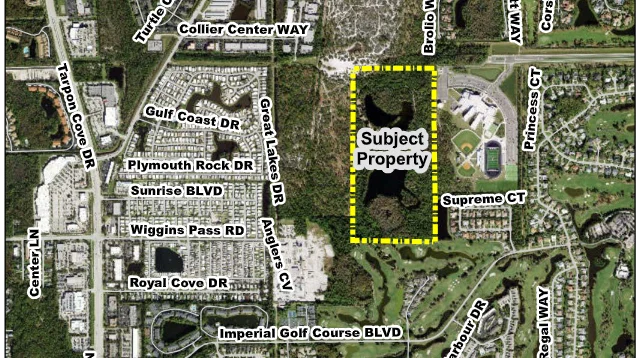
The Imperial Lakes North Naples development has officially received a unanimous green light from the Collier County Board of Commissioners, ending a regulatory hiatus that spanned more than four decades. This 78.28-acre project, located north of the Imperial Golf Club, represents a significant evolution of a plan first conceived in 1982. The approved rezoning allows for a modern residential community that balances housing demand with environmental sensitivity and critical infrastructure expansion.

Flexible Residential Scenarios and Modern Design

The updated vision for the Imperial Lakes North Naples development provides the developer with two potential paths forward. While the 1982 entitlement allowed for 430 multifamily units in buildings up to five stories, the newly approved rezoning introduces a lower-density alternative.

This new option permits 313 market-rate residences, including a mix of single-family, two-family, and townhouse units. To ensure compatibility with existing neighborhoods like Castlewood at Imperial, the commission stipulated that any homes abutting the established community be limited to two stories. This reduction to four units per acre aligns the project with current Collier County Comprehensive Plan standards.

Infrastructure Catalyst: Veterans Memorial Boulevard Extension

A cornerstone of the project is the long-awaited extension of Veterans Memorial Boulevard. For residents in North Naples, this east-west corridor has been a point of discussion for nearly 40 years.

As part of the development agreement:

  • Developer Responsibility: The project team will design, permit, and construct the extension up to the railroad tracks.

  • County Contribution: Collier County will fund and execute the final connection from the railroad to U.S. 41.

  • Timeline: Design is scheduled for fiscal year 2026, with construction of the county’s portion expected by 2028.

This infrastructure update is projected to significantly improve regional traffic flow and provide essential secondary access for the nearby Aubrey Rogers High School.

Environmental Stewardship and “Dark Sky” Compliance

The Imperial Lakes North Naples development is unique due to its proximity to the Railhead Scrub Preserve, an environmentally sensitive area managed by Conservation Collier. To protect the local ecosystem and the neighboring preserve, the developer has committed to several advanced environmental safeguards:

  • Dark Sky Lighting: Implementation of down-shielded, dark-sky-compliant lighting throughout the community to minimize light pollution.

  • Warm Light Temperatures: All outdoor lighting will be kept below 3,000K.

  • Wildlife Protection: The use of bear-resistant trash cans and dumpsters to mitigate human-wildlife conflict in this rural-fringe zone.

  • Preservation Areas: The site plan integrates multiple lake systems and green buffers to protect existing wetlands and environmentally sensitive land.

Market Outlook: North Naples Residential Growth

The approval of this project signals continued institutional confidence in the North Naples luxury and market-rate sectors. The developer, N.A. Realty Trust Inc., brings a legacy of high-fidelity residential construction to the project, having previously spearheaded numerous landmark properties in Pelican Bay and Marco Island.

Project Metric Specification
Total Acreage 78.28 Acres
Max Residential Units 313 (Market-Rate) or 430 (Multifamily)
Height Restrictions 2-Story (Abutting Castlewood)
Road Impact Veterans Memorial Blvd Extension to U.S. 41
Construction Start Expected Mid-2027

With state and federal permits from the South Florida Water Management District and the Army Corps of Engineers expected within the next year, construction is anticipated to begin by mid-2027. For real estate professionals and prospective residents, this development represents a rare opportunity to enter a master-planned community that bridges the gap between historical enclaves and modern infrastructure.

Categories
Uncategorized

Infrastructure Update: The Ongoing Boca Grande Parking Restrictions Dispute

The delicate balance between resident quality of life and public access remains at the forefront of local governance as Charlotte and Lee County officials continue to navigate the Boca Grande parking restrictions dispute. During an April 27 joint session, representatives from both counties failed to reach a definitive compromise but formally agreed to extend discussions to mitigate the impact on residents and visitors alike.

Boca Grande, a premier 2.2-square-mile barrier island, presents a unique jurisdictional challenge. While the northern portion resides within Charlotte County, the southern two-thirds home to the historic village, core business district, and primary public beaches falls under Lee County jurisdiction.

The Ordinance: Rules and Repercussions

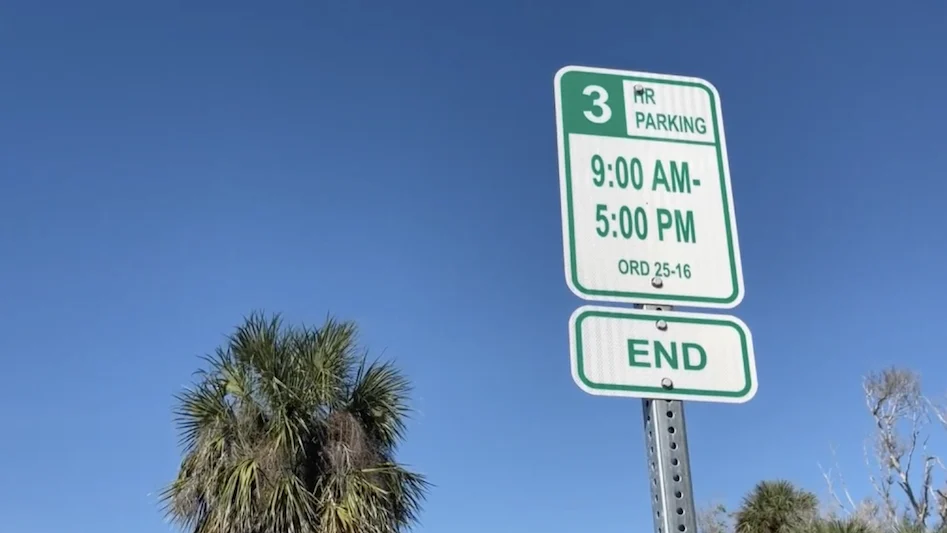
The friction stems from a Lee County ordinance adopted last August, designed to address mounting congestion and safety concerns. The current Boca Grande parking restrictions include several key mandates:

  • Village Time Limits: Unpermitted vehicles are restricted to a three-hour limit in the downtown district.

  • Beach Access Changes: Public on-street parking between First and 19th streets has been eliminated.

  • Permit System: New categories were established for employees, hotel guests, long-term visitors, and service workers to maintain essential operations.

  • Enforcement: Fines for violations range from $200 for overstaying to $500 for obstructing private driveways.

Lee County officials emphasize that these measures were a direct response to a petition signed by 1,200 local residents. Reports of property damage, blocked access for emergency vehicles, and trespassing in private yards necessitated a shift toward stricter controls to preserve the island’s prestigious “village” atmosphere.

Real Estate and Economic Considerations

For the real estate community and local business owners, the impact of these restrictions is multifaceted. While the ordinance aims to protect property values by reducing “over-tourism” and illegal parking in residential zones, some island entrepreneurs have reported a decline in commercial activity.

Charlotte County officials argue that the restrictions disproportionately affect their residents, including disabled veterans who rely on direct access to the Gulf. The dispute highlights a broader regional challenge: managing a significant population surge while maintaining the accessibility that makes Southwest Florida a world-class destination.

Proposed Solutions on the Table

Several potential remedies were discussed during the recent summit to ease the tension:

  1. Land Acquisition: A proposal for Lee County to purchase an 8.62-acre parcel to convert into a centralized parking hub.

  2. Bridge Pass Privileges: Granting specific parking rights to those who hold valid bridge passes.

  3. Seasonal Adjustments: Implementing varying parking rules during peak “season” versus the summer months.

Looking Ahead: Mediation Over Litigation

Despite the lack of an immediate resolution, both counties have opted for continued negotiation over formal legal action. Under the Florida Governmental Conflict Resolution Act, Charlotte County has the standing to pursue litigation; however, a resolution was passed on April 28 to pause conflict proceedings for 180 days.

Lee County is expected to follow suit on May 5, allowing both parties a window to explore “creative” infrastructure solutions. This pause signals a commitment to collaborative planning, ensuring that any final policy supports the long-term sustainability of Boca Grande as a premier residential and recreational haven.

Market Impact Summary

Metric Detail
Downtown Parking Limit 3 Hours (without permit)
Restricted Beach Zone 1st Street to 19th Street
Maximum Potential Fine $500.00
Negotiation Window 180-Day Extension
Categories
Real Estate News

Strategic Growth: The Approval of Corkscrew Grove East Village Collier County

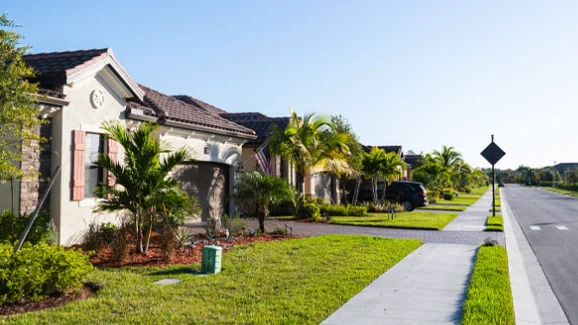
In a landmark decision for the future of Southwest Florida’s landscape, county commissioners have officially approved the Corkscrew Grove East Village Collier County plan. This master-planned development, set on approximately 1,446 acres of former citrus groves, represents a sophisticated shift in how the region balances high-demand residential growth with essential environmental stewardship.

The project is slated to bring up to 4,502 homes to the eastern corridor, strategically positioned along Corkscrew Road and State Road 82.

A Sophisticated Blueprint for Modern Living

The vision for Corkscrew Grove East Village Collier County transcends traditional residential development. It is designed as a self-sustaining hub that minimizes the need for long commutes and fosters a “live-work-play” environment. The village center, spanning nearly 170 acres, will serve as the heartbeat of the community, offering a blend of retail, professional offices, and civic spaces.

Key Community Pillars:

  • Residential Diversity: A mix of 4,502 homes with a density of 3.11 units per acre.

  • Workforce Attainability: At least 362 affordable housing units reserved for families earning 100% of the area median income ($113,600).

  • Public Infrastructure: Dedicated sites for a new public school, fire station, and sheriff’s substation.

  • Senior Living: Integration of assisted living and continuing-care facilities, capped at 300 units.

The RLSA Mechanism: Conservation Through Development

The Corkscrew Grove East Village Collier County project operates under the Rural Lands Stewardship Area (RLSA) program. This innovative framework directs development toward “Receiving Areas” (suitable for growth) while permanently protecting “Sending Areas” (environmentally sensitive land).

While the project faced scrutiny from conservationists, it earned the crucial backing of leading environmental advocacy groups. The developers worked for over a year to ensure the project facilitates a critical movement corridor for native wildlife, specifically improving connectivity along the eastern portion of the project toward the Caloosahatchee River.

Project Metric Specification
Total Homes 4,502 Units
Open Space 516+ Acres
Commercial Space Up to 238,606 Sq. Ft.
Construction Timeline Expected 2028 – 2029
Affordable Housing 362 Units (100% AMI)

Infrastructure and Connectivity

To support this new population center, significant infrastructure upgrades are already underway. State Road 82 is being widened from two to four lanes, and the project includes a specialized wildlife underpass to mitigate traffic risks for local fauna.

From a real estate perspective, this development provides a vital “relief valve” for the Golden Gate Estates region. By providing essential services grocery stores, restaurants, and professional offices closer to home, the village is expected to reduce westbound traffic congestion and enhance the quality of life for residents in eastern Collier County.

Market Outlook

As Southwest Florida continues to experience an influx of new residents, Corkscrew Grove East Village Collier County stands as a testament to proactive planning. It moves the needle from “sprawl” toward “stewardship,” ensuring that the growth of our community does not come at the expense of our natural heritage.

For those looking toward the 2028-2029 horizon, this village represents a key opportunity for investment in a region committed to sustainable, high-fidelity development.

Categories
Real Estate News

Wave at Colonial Affordable Housing: A $112M Milestone for Fort Myers

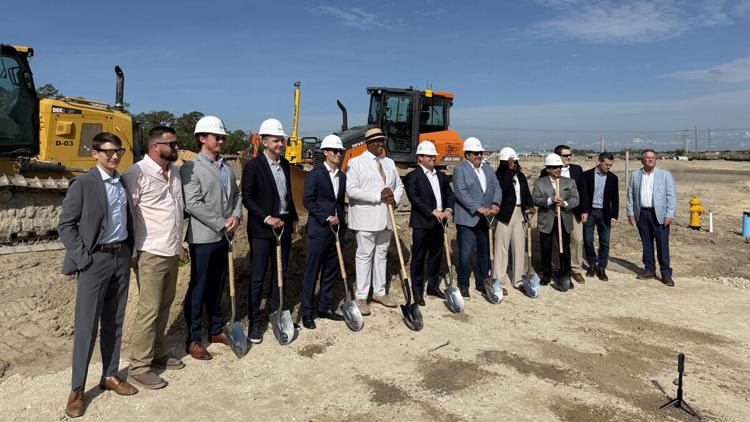
The Wave at Colonial affordable housing project officially broke ground on April 30, 2026, marking a significant advancement in the regional effort to provide attainable living options for the Southwest Florida workforce. This $112 million development will bring 358 high-quality residential units to a strategic 15-acre site located at 11800 State Road 82, near the high-traffic intersection of Colonial Boulevard and SR 82.

Positioned on the border of Lehigh Acres and Fort Myers, this project is designed to serve as a vital residential hub for critical workers in the growing regional economy. With construction led by Brooks & Freund, the development is slated for completion by January 2028.

Strategic Location and Local Impact

The selection of the site for the Wave at Colonial affordable housing development was highly selective. By focusing on one of the most important intersections in Lee County, the project ensures that residents remain close to major employment centers while enjoying modernized infrastructure.

For the local real estate market, the introduction of these units helps address the supply-demand imbalance. According to recent data, Florida currently faces a significant gap in accessible housing, and projects of this scale are essential for maintaining the economic health of the community.

Unit Breakdown and Accessibility

The community is designed to accommodate a diverse range of households, from single professionals to growing families. To qualify for residency, a household must earn 60% or less of the Area Median Income (AMI), which currently sits at approximately $55,500 for the region.

Unit Type Number of Units Target Rent Structure
One-Bedroom 83 Units 30% of Household Income
Two-Bedroom 195 Units 30% of Household Income
Three-Bedroom 80 Units 30% of Household Income
Total 358 Units ~$500 – $600 Below Market Rate

Innovative Public-Private Financing

The financial architecture of the Wave at Colonial affordable housing project highlights a complex collaboration between federal, state, and local entities. This “village” approach to development allowed for the assembly of $112 million in capital through a variety of high-impact sources:

  • Federal Support: $20 million in Community Development Block Grant – Disaster Recovery (CDBG-DR) funds via Lee County.

  • State Financing: $62 million in tax-exempt bonds from the Florida Housing Finance Corp.

  • Private Equity: $39 million in Low-Income Housing Tax Credit (LIHTC) equity provided by U.S. Bank.

  • Institutional Lending: A $69 million construction loan and a $42 million permanent loan from Citi Community Capital.

By leveraging public-private partnerships, the project maximizes the impact of every dollar, ensuring high-quality construction while maintaining long-term affordability for residents.

Future Pipeline and Regional Growth

This groundbreaking is part of a broader expansion of attainable housing across Southwest Florida. Several other notable projects are currently in the works to help future-proof the region’s housing stock:

  1. Bayshore Pines: Located in North Fort Myers, this 180-unit development is expected to open in the summer of 2026.

  2. Wave at Chana: A $120 million project featuring 378 units off Daniels Parkway near Treeline Boulevard.

  3. Naples and Beyond: Additional projects are expected to break ground in Collier, Palm Beach, and Pasco counties within the next year.

As the Lee County Government continues to prioritize infrastructure and housing resilience, these developments represent more than just brick and mortar. They signify a commitment to the “American Dream,” allowing the local workforce to live, work, and thrive within the communities they serve.

Project Timeline At-A-Glance

  • Site Acquisition: December 2025 ($12.15 Million)

  • Groundbreaking: April 30, 2026

  • Construction Completion: January 2028

  • Management: Professional on-site facility management following completion

Categories
Island Update

Sanibel Island Aquarium Exhibits: New Marine Life and Educational Insights

Sanibel Island aquarium exhibits have long been a cornerstone of the island’s cultural and educational appeal, directly contributing to the high quality of life that defines the local real estate market. This spring, the premier marine science center located at 3075 Sanibel-Captiva Road announced the addition of several high-profile species to its Living Gallery. These updates not only enhance the visitor experience but also solidify the island’s reputation as a hub for marine research and environmental stewardship near the Gulf.

New Exotic Species Join Sanibel Island Aquarium Exhibits

The latest expansion of the Sanibel Island aquarium exhibits introduces residents and visitors to a diverse array of cephalopods and mollusks, many of which are rarely seen in domestic settings. The new additions focus on a blend of local biodiversity and exotic species from across the Pacific and the Gulf.

Featured New Residents

  • Flamboyant Cuttlefish: A visually striking, poisonous species from the Indo-Pacific, famous for its “walking” behavior along the seafloor and dynamic camouflage abilities.

  • California Two-Spot Octopus: Native to the Pacific coast, this species is easily identified by the bright blue “eye spots” used to deter predators in shallow rocky reefs.

  • Disco Clams: Also known as electric flame scallops, these animals feature soft tissues that flash light, mimicking a disco ball effect.

  • Thrush Cowries: Originally from the Indian Ocean, these cowries have migrated through the Suez Canal and are currently being tracked as they move through the Caribbean and into Florida.

The most anticipated arrival remains the Giant Pacific Octopus, which joined the gallery in late 2025. Weighing an average of 90 pounds, this highly intelligent cephalopod receives daily enrichment to promote natural behaviors, serving as a primary draw for the facility.

Local Scientific Impact and Global Research

The Sanibel Island aquarium exhibits are supported by a world-class scientific team. Science Director Dr. José H. Leal has been instrumental in tracking the migration of the thrush cowrie as it enters Florida waters. This level of local expertise ensures that the exhibits are not only recreational but serve as active data points for Florida Fish and Wildlife and other conservation agencies.

For property owners, the presence of such an institution enhances the community’s “educational infrastructure,” a factor that remains a top priority for families relocating to the City of Sanibel.

Engaging the Community: Daily Programs

To maintain a high level of engagement with the resident population, the facility offers a structured schedule of educational talks. These programs are designed to provide deep dives into the biology of species found in the Gulf and beyond:

  • Keeper Chats: Held daily at 11:00 a.m. and 2:00 p.m., where aquarists share unique facts and individual animal histories.

  • Touch Pool Talks: Offered at 3:30 p.m. daily, providing hands-on learning opportunities for younger residents and students.

Program Type Time Focus
Keeper Chat 11:00 a.m. Cephalopod Intelligence
Keeper Chat 2:00 p.m. Invasive Species Tracking
Touch Pool Talk 3:30 p.m. Interactive Marine Biology

Real Estate Outlook: Lifestyle and Infrastructure

Institutional investments in environmental education are key indicators of a stable and thriving coastal community. As Sanibel continues to rebuild and modernize its public and private assets following recent storm seasons, the resilience of its marine science centers signals a robust future for the island’s tourism and real estate sectors. The ongoing expansion of the Sanibel Island aquarium exhibits reflects a commitment to the preservation of the local ecosystem, ensuring that the island remains a premier destination for those who value both luxury and nature.

For residents looking to stay updated on local environmental shifts or to learn more about the species inhabiting the Gulf, these exhibits offer an unparalleled resource for lifelong learning and community connection.


Facility Reference

The island’s marine science center is located at 3075 Sanibel-Captiva Road, providing an immersive look at the diverse marine life of Southwest Florida. For more information on current species, visit the official shell museum and aquarium website.

Categories
Island Update

Sanibel Fishing Pier Replacement: A Two-Phase Restoration Strategy

The Sanibel Fishing Pier replacement and restoration project has officially received the green light to move forward, marking a critical step in the island’s ongoing recovery efforts. During the April 21 City Council meeting, officials reached a unanimous 4-0 decision to approve a two-phase plan that combines immediate temporary repairs with a total structural overhaul. This initiative, supported by a unique city-citizen partnership and regional tax revenue, is designed to restore one of the most vital community assets for residents and local property owners.

Phase 1: Accelerating the Sanibel Fishing Pier Reopening

Recognizing the pier’s importance to the local lifestyle and tourism economy, the project has been divided into two distinct stages. The first phase focuses on temporary top-side repairs and access improvements. With an estimated cost of $200,000, this phase is intended to allow the public back onto the pier while the more complex engineering and permitting for the permanent structure are finalized.

A citizen-led Fundraising Committee, in collaboration with the Charitable Foundation of the Islands, has established a donor agreement to help bridge the funding gap for these initial repairs. To date, approximately $30,000 in private funds has already been utilized to contract Shoreline Engineering for the design and permitting process. The Florida Department of Environmental Protection (FDEP) is currently reviewing the necessary environmental permits, a process expected to take several months.

Phase 2: The $2.1M Sanibel Fishing Pier Replacement

While temporary repairs offer a short-term solution, the long-term vision focuses on the full Sanibel Fishing Pier replacement. This permanent reconstruction is slated to be funded by $2.1 million in Tourist Development Tax (TDT) revenue, following an interlocal agreement between the City of Sanibel and the Lee County Board of County Commissioners.

The TDT, which is collected from visitors staying in short-term lodging, is managed by the Lee County Visitor & Convention Bureau (VCB) specifically for beach and shoreline protection projects. This funding model ensures that the burden of the multimillion-dollar rebuild is largely supported by regional tourism rather than local property taxes.

Project Financial Breakdown

Project Stage Estimated Cost Primary Funding Source
Phase 1 (Temporary) $200,000 Private Donations / Citizen-Led Fundraising
Phase 2 (Permanent) $2,100,000 Lee County Tourist Development Tax (TDT)
Engineering/Design $30,000 Initial Private Donations

Real Estate and Community Impact

Infrastructure projects of this scale are pivotal for maintaining property values in coastal communities. The pier serves as a cornerstone of the island’s recreational identity, offering residents direct access to the Gulf for fishing and sunset viewing. For real estate professionals and prospective buyers, the commitment to rebuilding iconic landmarks like the Sanibel Fishing Pier signals a resilient and proactive municipal environment.

Key impacts of the restoration include:

  • Enhanced Walkability: Restoring a major pedestrian destination near the historic Lighthouse district.

  • Tourism Recovery: Providing a public attraction that supports local short-term rental demand.

  • Neighborhood Desirability: Proactive infrastructure investment typically correlates with stabilized or rising demand for nearby residential properties.

As the city moves toward issuing an invitation to bid for the repair work, the partnership between local government and private citizens continues to serve as a blueprint for post-storm recovery. The full replacement project will ensure that the pier remains a durable, code-compliant fixture of the Sanibel landscape for decades to come.

Official Project Milestone Timeline

  • February 2026: Funding request initiated by County Commissioners.

  • March 2026: $2.1M transfer from TDT Common Reserve approved.

  • April 2026: Interlocal agreement and donor agreements formally approved by City Council.

  • Late 2026 (Projected): Bidding for temporary repair work to commence following FDEP permit approval.

For residents tracking the progress of the Sanibel Fishing Pier replacement, additional updates on the fundraising progress can be found via the City of Sanibel official government portal.

Categories
Island Update

Captiva Island Density Litigation: 2026 Legal & Development Update

The landscape of Captiva Island real estate is currently being shaped not just by market demand, but by a series of high-stakes legal proceedings. As of late April 2026, the ongoing tension between historic preservation and large-scale redevelopment has moved firmly into the courtroom. For property owners and investors, these cases represent a defining moment for the island’s future density, infrastructure capacity, and overall character.

High-Stakes Oral Arguments: The 912-Unit Limit

A pivotal moment in the Captiva Island density litigation is scheduled for April 30 at 9:00 a.m. The Sixth District Court of Appeal will hear the County’s appeal regarding a previous Circuit Court decision that capped density at the resort to 912 units. This specific number is tied to a 2003 Settlement Agreement, which local advocates argue must include both residential and hotel units.

Currently, a safeguard remains in place: no building permits for new condominiums or hotels can be approved without providing sufficient notice to community associations. This allows for legal intervention should any proposed development exceed the historic density limits while the appeal process remains active.

Judicial Conflict and the FDUTPA Lawsuit

The legal complexity has deepened with recent motions regarding judicial impartiality. The resort’s ownership group has filed a motion to disqualify Judge Shenko, the presiding judge in several related cases, questioning his impartiality.

Simultaneously, a lawsuit brought under the Florida Deceptive and Unfair Trade Practices Act (FDUTPA) continues to move forward. The core of this dispute is whether community messaging regarding the 912-unit limit was deceptive. Community advocates have responded with a Motion for Summary Judgment, citing “overwhelming evidence” that the density cap has historically applied to both hotel and residential units.


Rezoning Challenges and Infrastructure Concerns

A significant hearing for a Petition for Writ of Certiorari is slated for September 3 at 1:30 p.m. This case seeks to invalidate the County’s previous decision to rezone the northern end of the island to allow for increased heights and density.

Local stakeholders have raised several critical concerns regarding these zoning shifts:

  • Due Process: Petitioners argue they were denied the right to cross-examine witnesses during initial hearings.

  • Wastewater Capacity: There is ongoing debate regarding whether the local wastewater treatment plant can handle a surge in density.

  • Fire Safety: Concerns persist that the local Fire Department lacks the specialized equipment or staff required to manage taller structures.

  • The Lee Plan: Critics argue the approved increases directly violate the Lee Plan, which mandates development remain in keeping with historic patterns.

The Rauschenberg Property and Zoning Conflicts

The recent sale of the 22-acre Robert Rauschenberg estate has introduced a new focal point for development scrutiny. While the property was sold to resort interests, it remains governed by the Captiva Code.

Recent filings indicate an attempt to subdivide the 11-acre gulf-side portion of the property into 47 condominium units and lots. However, this faces significant regulatory hurdles:

  1. Density Caps: The Captiva Code limits development to three units per acre.

  2. Lot Size Requirements: The property is currently zoned RS-1, requiring a minimum lot size of 7,500 square feet (75 feet wide by 100 feet deep).

  3. Zoning Verification: A previous Zoning Verification Letter from the County confirmed that any expansion of the resort into this residential zone would require formal Plan and Code amendments.


Management Shifts at the Resort

In a notable operational change, Pyramid Global Hospitality is scheduled to take over day-to-day management of the resort on June 18. While the ownership group remains the same, this shift in facility management, guest services, and marketing marks a transition in the resort’s operational strategy amidst the ongoing litigation.

Summary of Key 2026 Dates

Date Event Venue
April 30 Oral Argument: 912-Unit Limit Sixth District Court of Appeal
June 18 Management Transition On-site
September 3 Writ of Certiorari Hearing Circuit Court
September 22 Deadline for Mediation Court-Ordered

For real estate professionals and residents, the resolution of these cases will determine if the “Captiva Model” of low-density, height-restricted development will endure or if the island is entering a new era of intensified land use.