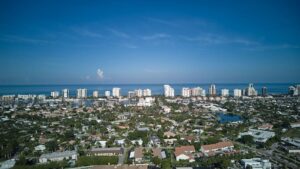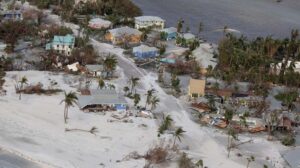
The Lee County hurricane vulnerability ranking reached the No. 1 spot in the nation according to a 2026 Most Hurricane-Vulnerable Counties report by LawnStarter. With an overall vulnerability score of 67.74, the county leads a comprehensive nationwide evaluation of 443 coastal jurisdictions, highlighting the urgent need for resilient municipal infrastructure, updated building codes, and proactive evacuation planning across Fort Myers and Cape Coral near the Gulf shoreline.
The nationwide study uses multi-factor risk modeling from FEMA, NOAA, and the EPA to quantify regional risk levels. Lee County’s top placement is driven by a dangerous combination of dense coastal development, recent severe storm history, and massive projected financial exposure a reality highlighted by the catastrophic damage inflicted by Hurricane Ian in 2022.
Analyzing the 2026 Vulnerability Metrics
LawnStarter’s ranking framework evaluates counties across four heavily weighted analytical categories: Hurricane History (44%), Overall Hurricane Risk (36%), Financial Impact (18%), and Disaster Cleanup Capacity (2%). The factors driving the Lee County hurricane vulnerability ranking to the top of the list reflect a severe convergence of these environmental variables:
-
Financial Exposure: Lee County faces the third-highest Expected Annual Loss (EAL) from hurricane events in the entire United States, exceeding $300.5 million in projected annual property and infrastructure damage.
-
Storm History & Impact: Over the past decade, the region has endured direct hits and major tropical systems, maintaining high scores for both recent storm frequency and sustained wind exposure.
-
Regional Concentration: Gulf Coast communities dominate the national risk landscape, accounting for 72% of the top 100 most vulnerable counties in America.
Southwest Florida’s High-Risk Coastal Landscape
The report underlines significant natural hazard risks across all of Southwest Florida. Neighboring counties also rank prominently within the national top 10 most vulnerable jurisdictions:
| Overall National Rank | County | Vulnerability Score | Expected Annual Loss (EAL) |
| No. 1 | Lee County | 67.74 | >$300.5 Million |
| No. 5 | Charlotte County | 59.69 | >$99.0 Million |
| No. 7 | Collier County | 58.36 | >$216.1 Million |
Why Lee County Faces Unique Coastal Risk
The elevated Lee County hurricane vulnerability ranking is heavily influenced by regional geography and rapid residential development. As Southwest Florida continues to experience strong inbound population growth, the concentration of high-value residential homes, commercial properties, and public utilities within low-lying coastal zones dramatically increases potential financial exposure during severe weather events.
According to FEMA risk models incorporated into the study, counties with high “Hurricane Risk Scores” are those where physical infrastructure faces compound threats from high-speed winds, heavy rainfall, and coastal storm surge simultaneously. For local homeowners and renters, this high ranking underscores the importance of verifying official evacuation zones annually and utilizing emergency communication networks like the LeePrepares mobile application to receive real-time weather alerts.
Building Regional Resilience and Infrastructure Support
While the Lee County hurricane vulnerability ranking highlights massive environmental exposure, it also provides a clear roadmap for where local investments are most urgently needed. Disaster cleanup infrastructure, such as storm debris staging facilities and emergency response logistics, remains a critical operational priority for high-risk coastal communities preparing for future storm seasons.
Emergency Preparedness Quick Reference
Safety Advisory: Residents should never rely on previous storm experiences when making safety decisions. Always review updated evacuation maps hosted on official local government portals ahead of peak hurricane season.
-
Top 3 Most Vulnerable U.S. Counties: 1. Lee County (FL), 2. Terrebonne Parish (LA), 3. Bay County (FL).
-
Data Sources: FEMA National Risk Index, NOAA historical storm tracks, and EPA debris infrastructure datasets.
-
Official Emergency Resources: Access real-time shelter updates and evacuation routes directly through Lee County Emergency Management.